







































Updated July 16, 2026

Inland Marine Insurance in Virginia Beach
Higher local household purchasing power changes the way you should set inland marine limits here. With a Virginia Beach median household income of $90,685, many contractors, service firms, and specialty retailers are carrying newer tools, diagnostic gear, and higher-value customer property, which means a single theft can drain a low blanket limit before you have replaced half the load. A low blanket limit can leave a bigger gap after a theft or water loss. If you are shopping for inland marine insurance in Virginia Beach, start by listing what actually leaves your main location: trailers, installation equipment, laptops, rented gear, and items you hold for clients. Then match deductibles to what your cash flow can absorb on a real claim, not just what makes the quote look lighter. Work that moves between Town Center, the Oceanfront, and residential neighborhoods often means property is loaded, unloaded, and staged more often in a normal week. Frequent loading and staging means your policy needs specific transit language, scheduled equipment details, and temporary location wording to hold up. Before you request a quote, total replacement cost by category and flag any single item that would be painful to replace quickly.
Inland Marine Insurance Risk Factors in Virginia Beach
Local water exposure is the practical issue to review most closely. Property that travels between vehicles, curbside loading areas, temporary job sites, and short-term storage can be more exposed to wind-driven rain and standing water than the same equipment kept inside one fixed building. That matters for inland marine because claim outcomes often turn on where the property was, how it was secured, and whether the item was **specifically scheduled**. If your crews work near the Oceanfront or move equipment after storms, ask how the policy treats property in transit, in open lots, or at unattended sites. It is also worth separating high-value electronics, testing equipment, and customer items from lower-value hand tools so limits are not spread too thin. A local review should focus on packing methods, trailer security, overnight storage, and whether your inventory list is current enough to support a claim.
Virginia has a moderate climate risk rating. Top hazards: Hurricane (High), Flooding (High), Severe Storm (Moderate), Winter Storm (Moderate). The state's expected annual loss from natural hazards is $1.2B, which influences inland marine insurance premiums and may affect coverage availability in high-risk areas.
What Inland Marine Insurance Covers
In Virginia, inland marine insurance is designed for business property that moves between locations or stays away from your main premises, including tools, equipment, materials, and goods being transported over land. The coverage typically follows the property to job sites, customer locations, and temporary storage, which is important for businesses working in places like Richmond, Norfolk, Virginia Beach, Roanoke, or Arlington where projects may shift frequently. The main coverage groups include tools and equipment, goods in transit, contractors equipment, installation floater, and builders risk. That means a contractor can insure portable tools, a business can protect materials while they are being delivered, and a project owner can consider builders risk for materials used in construction. Virginia does not add a special statewide mandate for this coverage, but the policy still has to fit the business size, industry, and the property being scheduled or described in the application. Coverage terms vary by carrier, and exclusions or endorsements can differ depending on limits, deductibles, and the type of property being moved. Because Virginia is regulated by the Virginia Bureau of Insurance, buyers should compare forms carefully and confirm how offsite storage, job-site property, and installation-related materials are handled before binding.
Coverage Included
Tools & Equipment
Can help repair or replace hand tools, power tools, and gear that are stolen or damaged on the job or in transit.

Goods in Transit
May cover products, materials, and merchandise while they are being shipped or hauled between locations in your care.
Contractors Equipment
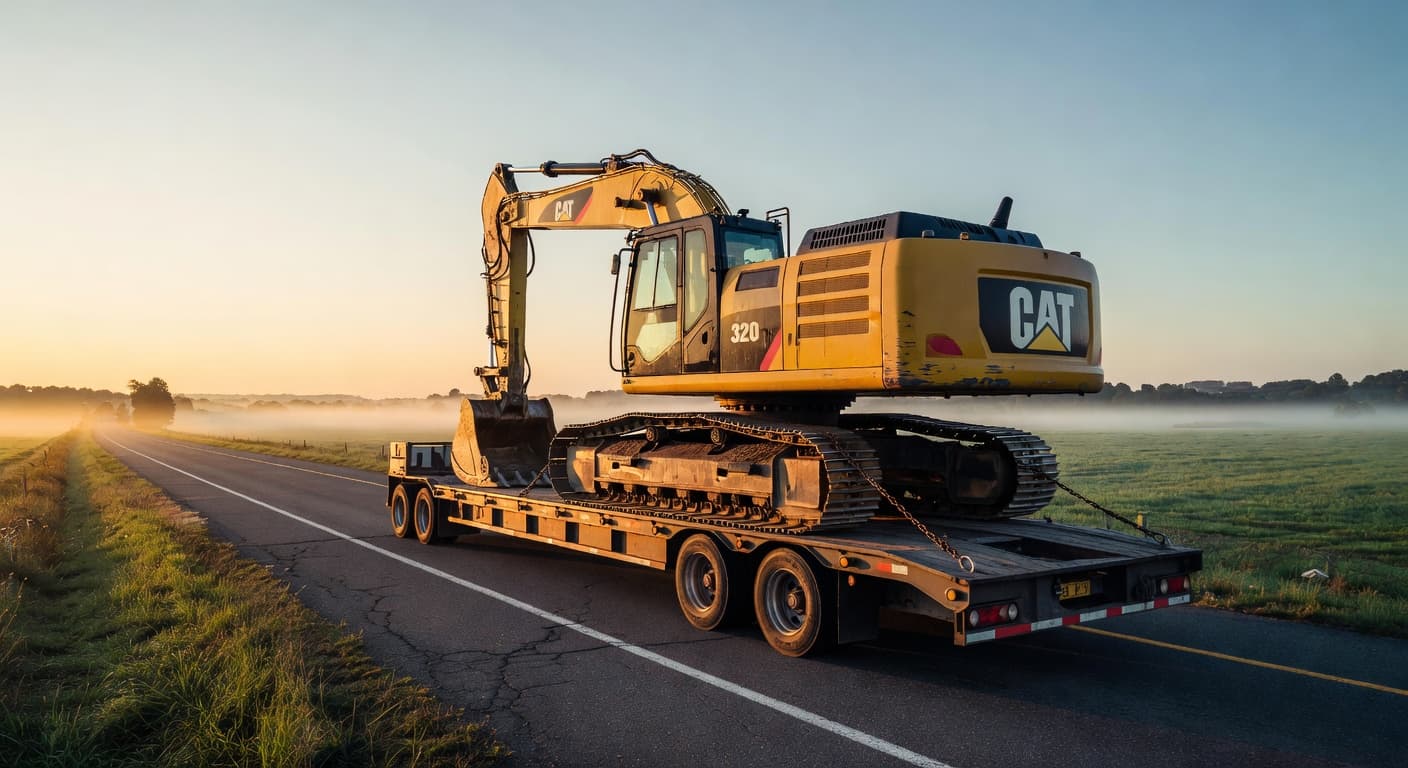
Typically covers heavy machinery like excavators, loaders, and generators against theft or damage at job sites and between them.

Installation Floater
Can help cover materials and fixtures from the moment you buy them until they are installed and accepted at a project.

Builders Risk
May cover a structure under construction, along with materials on site, against damage from fire, wind, theft, and vandalism.
Inland Marine Insurance Cost in Virginia Beach
Average Cost in Virginia
$20 - $110
per month
Businesses in Virginia typically see inland marine insurance premiums of $20 - $110 per month, which tends to run 8% above the national range of $20 - $100 per month.
- Total insured value of the scheduled property
- Type and age of the equipment
- Where it is stored and how far it travels
- Jobsite security and theft prevention
- Per-item limits and deductibles
- Prior theft and in-transit losses
Contact CPK Insurance for a personalized quote.
Prices shown are general estimates, not guaranteed rates or quotes. Your actual premium will depend on the insurer, coverage selected, business details, location, claims history, and other underwriting factors. Learn about our pricing methodology.
A contractor moving expensive tools through storm-prone parts of the state may pay differently than a small service business carrying lighter mobile property across a shorter route. Climate also matters here because Virginia has significant hurricane and flooding risk, and the disaster history includes recent severe storms and tropical systems that caused billions in estimated damage. That history has led some carriers to tighten underwriting on goods stored in flood-prone counties or transported through coastal corridors during storm season, which means you may face stricter storage requirements or higher deductibles in those areas. The state's strong small-business base also means many policies are tailored to lean operations, where the insured value is often concentrated in a few high-use items. The actual quote will depend on the property list, territory, and selected endorsements, so a personalized comparison is the most reliable way to see real pricing.
Industries & Insurance Needs in Virginia Beach
County business mix is a useful clue for how inland marine exposures show up here. In the county containing Virginia Beach, the largest establishment shares are professional, scientific, and technical services at 12.2%, retail trade at 12.1%, and accommodation and food services at 11.3%. That mix matters because mobile property is not just contractor tools. It can include laptops and field equipment for technical firms, display stock and point-of-sale equipment moving between locations, or leased equipment used off premises. If your operation touches client property, pop-up setups, off-site service calls, or temporary storage, ask for coverage wording that matches those movements instead of assuming a standard business personal property form follows the items automatically. A quote review should start with how property moves during a normal week, then test each category against the policy form.
What Makes Virginia Beach Different
The main difference here is concentration of mobile property across a broad service economy, not one dominant trade. You are more likely to see inland marine needs outside the usual contractor profile. IT consultants carry diagnostic equipment, retailers move stock to events, service businesses transport customer items, and hospitality-adjacent operators use rented or portable equipment off site. A generic tools-and-equipment conversation can miss the property that actually creates the largest uninsured gap. The better approach is to map exposure by movement pattern. Walk through what stays in a vehicle, what employees check in and out, what sits temporarily at a client location, and what belongs to someone else, because those distinctions drive which coverage wording applies. Once you know those categories, you can decide whether blanket coverage is enough or whether scheduled items, installation floaters, or bailee-related wording deserve a closer look.
Our Recommendation for Virginia Beach
Start your review with an inventory that matches how work happens locally, not how the accounting system labels property. Group your exposure by ownership: what you own, what you rent, what you lease, and what belongs to customers in your care. Each can trigger different wording questions. For businesses with newer gear or higher-end client property, test whether your deductible still makes sense if several items are damaged in one event instead of one at a time. If employees take equipment home, leave it in vehicles overnight, or stage it at temporary sites, raise those specifics with your provider before binding rather than discovering the gap after a loss. It is also smart to identify any single item whose replacement would interrupt revenue for a week or more and consider scheduling it specifically. When you request quotes, submit the same item list, values, and transit details to each option so differences in limits and exclusions are easier to spot when every carrier is pricing the same exposure.
Get Inland Marine Insurance in Virginia Beach
Enter your ZIP code to compare inland marine insurance rates from carriers in Virginia Beach, VA.
Business insurance starting at $25/mo
FAQ
Frequently Asked Questions
Review any property that regularly leaves the main premises, including tools, diagnostic equipment, laptops, trailers, rented gear, and customer items in your care. The key factor is movement and temporary storage away from your shop, regardless of who owns the item.
When local firms invest in newer, higher-value equipment or handle higher-value customer property, underestimating replacement cost gets expensive fast. One loss that damages several items at once can exhaust your limit before you have replaced everything.
Professional, scientific, and technical services, retail trade, and accommodation and food services all have strong local shares, meaning a large portion of Virginia Beach businesses outside construction carry mobile property exposures you might not expect. Service, retail, and event-related operations routinely move valuable items between locations.
Businesses often need that wording reviewed closely when property is unloaded, staged, or stored away from the main location. Whether your policy can help depends on item scheduling, security practices, and whether the site is attended or temporary.
In Virginia, it may help cover business property that moves over land, including tools, equipment, materials, and goods being transported between locations, subject to your carrier's form and exclusions. The key is that the property is not limited to your fixed business address.
It is designed to follow covered property while it is away from your main location, including job sites and temporary storage. In Virginia, you should confirm the carrier's wording because storage conditions and location details can affect how the policy responds.
Contractors, electricians, plumbers, landscapers, photographers, caterers, IT service providers, and other businesses that move valuable property regularly are common Virginia buyers. Businesses that ship goods or hold customer property may also need it.
Coverage limits, deductibles, claims history, location, industry or risk profile, and policy endorsements are the main cost drivers. Virginia's storm and flooding exposure can also influence how carriers price mobile property risks.
Sources
- 1.U.S. Census Bureau, ACS 5-Year Estimates, table B19013(Virginia Beach has a median household income of $90,685, so many local firms are using newer, higher-value equipment or handling higher-value customer property.)
- 2.U.S. Census Bureau, County Business Patterns, Virginia Beach city(The largest establishment shares in the county containing Virginia Beach are professional, scientific, and technical services at 12.2%, retail trade at 12.1%, and accommodation and food services at 11.3%.)
Updated July 16, 2026





