







































Updated July 10, 2026

Renovation Contractor Insurance in Washington
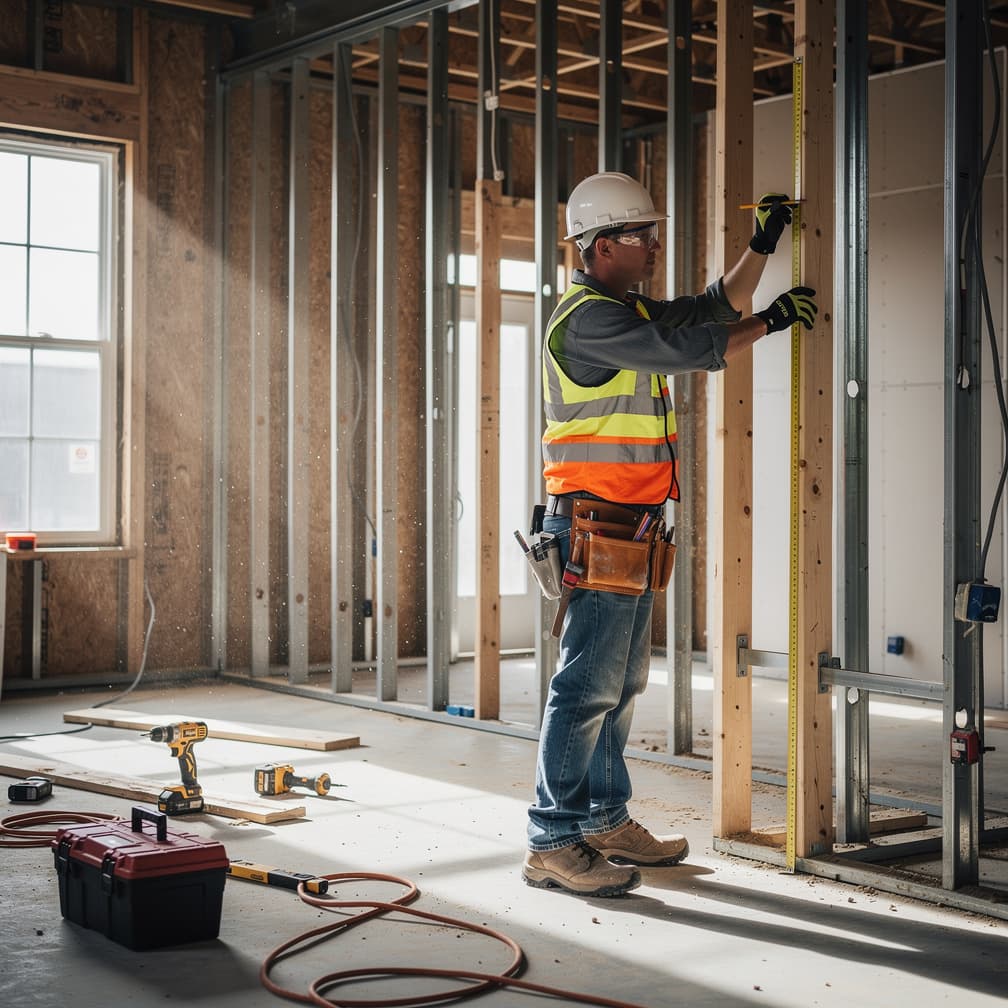
If you are comparing a renovation contractor insurance quote in Washington, the main difference is how often active jobsites, weather, and project timing can change your risk profile. Renovation and remodeling work here can involve occupied homes, partially opened structures, tools left on site, and materials moving between jobs in places like Olympia, Seattle, Tacoma, Spokane, and Everett. Washington also has a very active insurance market, with many carriers and rates that vary by job type, crew size, and the kind of property you work on. Earthquake exposure, wildfire conditions, flooding, and damage to structures under construction can all affect what coverage you should ask about before work starts. A quote should be built around the jobs you actually take, the equipment you use, and the limits your lease, client, or project contract may expect. That makes the quote request less about a generic policy and more about matching renovation contractor insurance coverage to real Washington jobsites.
Climate Risk Profile
Natural Disaster Risk in Washington
Understanding climate-related risks helps determine appropriate insurance coverage levels.
Earthquake
Very High
Wildfire
High
Volcanic Activity
High
Flooding
Moderate
Expected Annual Loss from Natural Hazards
$1.8B
estimated economic loss per year across Washington
Source: FEMA National Risk Index
Common Risks for Renovation Contractor Businesses
- Opening walls or ceilings and discovering hidden structural damage that affects the scope of work and creates third-party claims.
- Customer injury in an occupied home or active jobsite, including slip and fall incidents around tools, debris, or temporary walkways.
- Property damage to finished rooms, fixtures, flooring, or neighboring units while demolition, hauling, or installation is underway.
- Theft, vandalism, or storm damage to tools, trailers, and staged materials left at a jobsite or in transit.
- Employee safety issues during demolition, lifting, ladder work, or exposure to hazardous conditions that may trigger workers’ compensation claims.
- Contract disputes or project delays tied to coverage limits, subcontractor work, or requirements for proof of insurance before starting work.
Risk Factors for Renovation Contractor Businesses in Washington
- Washington earthquake exposure can create building damage, equipment breakdown, and business interruption concerns for renovation jobs in progress.
- Wildfire conditions in Washington can lead to storm damage, smoke-related property damage, and delays that affect project schedules and materials.
- Flooding in Washington can damage tools, mobile property, and contractors equipment stored at jobsites or in transit.
- Structures under construction in Washington face theft, vandalism, and building damage risk during active renovation work.
- Weather-related delays in Washington can disrupt installation timelines and raise the chance of third-party claims tied to unfinished work areas.
How Washington compares with the national baseline
Property crime per 100,000 residents
3,420 vs 2,200 baseline
Property crime in Washington runs above the national average, at 3,420 vs 2,200 incidents per 100,000 residents.
Blue bar: Washington. Gray line: national baseline.
How Much Does Renovation Contractor Insurance Cost in Washington?
Renovation Contractor Insurance is a bundle of separate policies, priced separately. The ranges below are typical figures for Washington for each line, except workers compensation, which is set by the state fund; a quote prices each one against your own operations.
| Coverage | Typical range | What moves your price |
|---|---|---|
| General Liability Insurance | $170 - $550 per month | Industry and risk classification, annual revenue, number of employees |
| Workers Compensation Insurance | Set by the state fund | Employee classification codes, total annual payroll, experience modification rate |
| Commercial Property Insurance | $70 - $250 per month | Building value and construction type, roof age and condition, fire protection class |
| Inland Marine Insurance | $45 - $170 per month | Total insured value of the scheduled property, type and age of the equipment, where it is stored and how far it travels |
| Commercial Umbrella Insurance | $80 - $280 per month | Umbrella limit requested, limits carried on the underlying policies, loss history on those underlying policies |
Prices shown are general estimates, not guaranteed rates or quotes. Your actual premium will depend on the insurer, coverage selected, business details, location, claims history, and other underwriting factors. Learn about our pricing methodology.
Get Your Renovation Contractor Insurance Quote in Washington
Compare rates from multiple carriers. Free quotes, no obligation.
What Washington Requires for Renovation Contractor Insurance
Non-compliance can result in fines, loss of contracts, and personal liability:
- Workers' compensation is required in Washington for businesses with 1 or more employees; sole proprietors and partners are exempt unless they choose coverage.
- Washington businesses often need to maintain proof of general liability coverage for most commercial leases, so lease-ready documentation matters during placement.
- Commercial auto minimum liability in Washington is $25,000/$50,000/$10,000 when business vehicles are part of the operation.
- Coverage comparisons should account for Washington Office of the Insurance Commissioner oversight and policy terms that match renovation and remodeling work.
- Quote reviews should confirm whether limits, underlying policies, and endorsements fit project liability exposure on active jobsites.
| Requirement | What Washington law says |
|---|---|
| Auto liability minimums | $25,000/$50,000/$10,000 (bodily injury per person / per accident / property damage). These floors apply to personal and business vehicles alike; lenders and contracts often require more. |
| Workers compensation | Purchased from the Washington State Department of Labor & Industries (L&I), the state fund, rather than from private carriers. The rest of your business policies can still be shopped normally. |
| Where to verify | Washington Office of the Insurance Commissioner publishes current requirements, consumer guides, and license lookups. |
Common Claims for Renovation Contractor Businesses in Washington
A crew in Tacoma is remodeling a kitchen in an occupied home, and a visitor slips on a protected walkway, creating a customer injury claim and legal defense costs.
A Spokane renovation project is interrupted after a storm damages materials stored on site, leading to building damage, equipment breakdown, and delays that affect the schedule.
A Seattle contractor leaves tools and mobile property in a trailer overnight, and theft of materials and contractors equipment creates a replacement and business interruption issue.
Preparing for Your Renovation Contractor Insurance Quote in Washington
A list of the renovation and remodeling projects you take, including residential, light commercial, and occupied-space work.
Crew details, including number of employees and whether Washington workers' compensation is needed for your operation.
A summary of tools, mobile property, contractors equipment, and equipment in transit that should be considered for coverage.
Any lease, client, or contract requirements for proof of general liability coverage, limits, or additional insured wording.
What Happens Without Proper Coverage?
Renovation contractors face claims that often start small and then spread through the project. A worker cuts into a wall and damages a line that serves another part of the house. Dust escapes containment and affects rooms outside the work zone. A temporary walkway or stacked material creates a trip hazard for a customer or delivery driver. A subcontractor causes damage, but the customer still looks to your company first because you hold the prime contract. Insurance is there to help you review those exposures before they become balance-sheet problems.
Occupied projects raise the stakes. On a remodel, the homeowner may still be living in the property, using adjacent rooms, and expecting normal access while your crew is removing finishes, shutting off utilities, and bringing in materials. That creates more opportunities for bodily injury claims, accidental property damage, and disputes over who caused what. General liability insurance is commonly the first place to focus, but it should be reviewed together with your subcontractor agreements and site controls, not in isolation.
Workers compensation insurance matters because renovation work changes by the hour. Demolition, hauling debris, ladder work, cutting, fastening, and material handling all create injury exposure. If an employee gets hurt, the cost is not limited to medical bills. Lost time, replacement labor, and project delays can hit at the same time, so the policy should match the actual duties your crew performs.
Property and equipment losses can interrupt work just as quickly. If tools are stolen from a truck, a trailer, or a job site, the replacement cost and downtime can delay multiple projects. Commercial property insurance and inland marine insurance address different parts of that problem, so it is worth reviewing where your equipment is kept, how often it moves, and whether materials are stored at your premises or staged elsewhere.
Many renovation contractors also need insurance to satisfy contract terms before work starts. Homeowners, property managers, and lenders may ask for certificates, specific liability limits, or evidence that subcontractors carry their own coverage. If you wait until the contract is signed to sort that out, you can end up accepting terms your current policies do not match. Review your insurance before bidding larger remodels, taking on structural work, or moving into higher-value homes.
Recommended Coverage for Renovation Contractor Businesses
Based on the risks and requirements above, renovation contractor businesses need these coverage types in Washington:

General Liability
Essential coverage for every business, protect against third-party bodily injury, property damage, and advertising claims.

Workers Compensation
Help cover your employees' medical expenses and lost wages for work-related injuries and illnesses.

Commercial Property
Safeguard your business property, equipment, and inventory against damage and loss.

Inland Marine
Protect tools, equipment, and goods in transit or stored at locations away from your primary premises.

Commercial Umbrella
Extend your liability limits beyond your primary policies for extra protection against catastrophic claims.
Renovation Contractor Insurance by City in Washington
Insurance needs and pricing for renovation contractor businesses can vary across Washington. Find coverage information for your city:
Insurance Tips for Renovation Contractor Owners
Separate your payroll by actual job duties before you request terms, because demolition, carpentry, supervision, and clerical work do not present the same workers compensation exposure.
Review your general liability policy with your standard contract language so additional insured requests, completed operations exposure, and liability limits fit the projects you are bidding.
Ask how tools, mobile equipment, and staged materials are handled away from your premises, since renovation contractors often lose property in transit or between project phases.
If you rely on subcontractors, require current certificates and written agreements before work starts, then keep a consistent process for tracking renewals throughout the job.
Match your commercial umbrella review to the size of homes, scope of structural work, and contract requirements you are taking on, not just the minimum limit you carried last year.
Tell the underwriter whether projects are occupied during construction, because customer presence, temporary access routes, and utility interruptions can change the liability picture materially.
Keep an updated equipment schedule with major tools, trailers, and shop contents, so commercial property and inland marine terms can be reviewed against what you actually own.
Bring sample change orders and subcontract agreements into the quote process, because renovation claims often turn on scope changes, site responsibility, and who controlled the damaged area.
FAQ
Frequently Asked Questions About Renovation Contractor Insurance in Washington
It is usually built around general liability for bodily injury, property damage, advertising injury, slip and fall, customer injury, third-party claims, legal defense, and settlements. Depending on your work, you may also need workers compensation, inland marine protection for tools and contractors equipment, and commercial umbrella coverage for higher limits.
Washington requires workers' compensation for businesses with 1 or more employees, with sole proprietors and partners generally exempt. Many commercial leases also ask for proof of general liability coverage, so it helps to have documentation ready before you start a job or sign a space.
The average annual range in this market is listed as $205 to $822 per month, but the final price varies by project type, crew size, limits, claims history, equipment, and whether you need added protection for tools, mobile property, or umbrella coverage.
For Washington renovation work, ask about general liability, builders risk when applicable to the project, and coverage that addresses building damage, equipment breakdown, storm damage, theft, and business interruption. The right mix depends on whether you work in occupied homes, older structures, or active construction sites.
Share your Washington service area, crew count, project types, tools and equipment list, and any lease or contract requirements. That helps match renovation contractor insurance coverage to your actual jobs and makes it easier to compare options for general liability for renovation contractors in Washington.
Renovation contractors usually review a package built around general liability insurance, workers compensation insurance, commercial property insurance, inland marine insurance, and commercial umbrella insurance. The right mix depends on whether you self-perform labor, use subcontractors, and work in occupied homes or larger structural remodels.
It can, but the details decide it. Customer access, dust containment, temporary utilities, and damage outside the immediate work area should all be discussed during quoting so the policy terms match how your projects actually run.
Because tools and materials rarely stay at one address. Equipment moves between trucks, shops, and job sites, so mobile property deserves its own review, separate from items kept at your premises under commercial property coverage.
Updated March 31, 2026