







































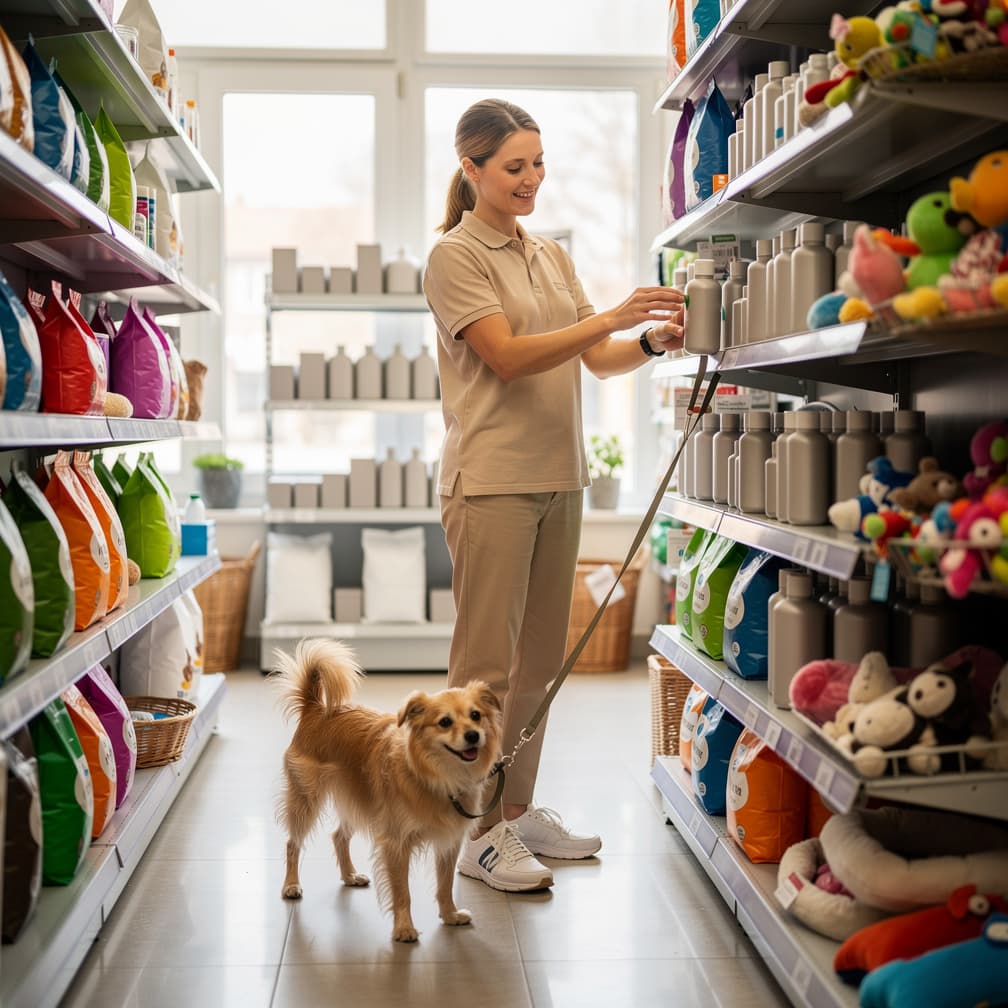

As a pet store in Everett, you are a retailer whose merchandise breathes. That single fact is what separates your insurance file from every other shop on the block, and it is why pet store insurance in Everett is quoted as its own class. A bird that bites a customer, a reptile that transmits an infection, a puppy sold at an adoption weekend that gets sick a month later: none of those are shoplifting or slip-and-fall problems, and none of them behave like ordinary retail claims. They arrive late, they involve health records, and they often name you personally in the letter. Your handling procedures and your sales paperwork become evidence. Knowing that before you buy changes which questions you ask a carrier, and this page lists the ones worth asking.
What Makes Everett Different
Deductibles are the simplest lever available to you, and the one that owners tend to adjust last. Raising it lowers the premium, and it also means you fund the small losses out of the register. For a pet store the small losses are frequent: a cracked tank, a dented case, a shrinkage write-off. Frequent small claims filed against a low deductible build a record you then carry for years. Paying for a broken display yourself and keeping the file clean is often the better trade overall. Ask what your premium does at each deductible step before assuming the lowest one is safest. Carriers in Washington price those steps differently, so the answer is not a rule of thumb. Run the comparison on your own numbers for an Everett location and the choice usually becomes obvious.
Local Risk Factors in Everett
Wildfire smoke reaches an Everett store long before flame ever would, and smoke is what usually generates the claim. It settles into open feed bags, gets pulled through filtration, and stresses birds and small mammals that breathe far faster than you do. Commercial Property may respond to smoke damage to the building and to stock, though the wording that addresses contaminated inventory can be narrower than owners expect. Air handling is the other half of this, and that half is yours. Ask a carrier in Washington how smoke-damaged feed and bedding would be treated before the season starts.
What Coverage Does a Pet Store in Everett Need?
General Liability
Landlords, property managers, and distributors ask for this line before they ask for anything else, because it is the one that answers when a member of the public is hurt on your floor. It can help cover their medical costs, the legal defense that follows, and damage you cause to someone else's property. It typically does nothing for injuries to your own staff.
Example: A shopper reaches toward a parrot, the bird lunges, and the wound needs stitches and a follow-up visit. A demand letter lands eleven months later, and this is the line that would be tested.
Commercial Property
Flood sits outside it, and so does a compressor that simply wore out. What sits inside is sudden, accidental damage to what you own: the building if you hold it, plus the tanks, stands, filtration, refrigeration, shelving, and the stock sitting on them. Whether live animals count as that stock depends on the wording, so ask before you assume.
Example: Wind lifts a section of roof, rain comes down onto a wall of tanks, and the display room is a loss by morning. A property form may respond to the structure and the fixtures beneath it.
Workers Compensation
Payroll is what this one is rated against, at a rate per hundred dollars of wages rather than a flat monthly figure. It generally responds to medical treatment and lost wages when an employee is hurt at work, including a groomer bitten while restraining a frightened dog. Thresholds for who has to be counted vary by state.
Example: A stock clerk in Everett lifts a forty-pound bag of feed off a pallet, feels the back go, and misses six weeks. Medical bills and part of those lost wages could fall here.
Business Owners Policy
Two contracts in one is the trade being offered: liability and property arrive bundled, which for a small shop is often the simpler and less expensive route. What the package assumes about you is the catch. Live animal sales, grooming, and public handling can sit outside a standard version or arrive with conditions attached, so read the exclusion list before the price.
Example: A tank seam fails overnight, water crosses into the neighbor's stockroom, and their claim and your ruined shelving arrive on the same morning. One packaged policy might reach both sides of that.
How Much Does Pet Store Insurance Cost in Everett?
Pet Store Insurance is a bundle of separate policies, priced separately. The ranges below are typical figures for Everett for each line, except workers compensation, which is set by the state fund; a quote prices each one against your own operations.
| Coverage | Typical range | What moves your price |
|---|---|---|
| General Liability Insurance | $60 - $180 per month | Industry and risk classification, annual revenue, number of employees |
| Commercial Property Insurance | $95 - $350 per month | Building value and construction type, roof age and condition, fire protection class |
| Workers Compensation Insurance | Set by the state fund | Employee classification codes, total annual payroll, experience modification rate |
| Business Owners Policy Insurance | $140 - $360 per month | Annual revenue and industry class, building and contents values, square footage and building age |
Prices shown are general estimates, not guaranteed rates or quotes. Your actual premium will depend on the insurer, coverage selected, business details, location, claims history, and other underwriting factors. Learn about our pricing methodology.
What Are the Insurance Requirements for a Pet Store in Everett?
Workers' comp is generally required once you have your first employee, through the state fund. Washington runs workers' compensation through a state fund: employers buy coverage from the Washington State Department of Labor & Industries (L&I), not from private carriers. Common exemptions include sole proprietors and partners. Confirm current requirements directly with the fund before you hire.
Flood damage is typically excluded from standard policies. Standard commercial property and builders-risk-type policies typically exclude flood damage. Flood exposure varies address by address, so check your premises in FEMA's Flood Map Service Center before deciding; if you sit in a mapped flood zone, a separate policy through the National Flood Insurance Program is the usual starting point.
Where to verify licensing and coverage rules. The Washington Office of the Insurance Commissioner publishes consumer guidance and current insurance requirements for Washington businesses. When a contract or lease demands specific wording, the Washington Office of the Insurance Commissioner's guidance is the authoritative place to check.
Get Your Pet Store Quote in Everett
Compare rates from multiple carriers. Free quotes, no obligation.
Operating in Everett
- Power drops and the animals still need temperature, which means somebody staffs the building during the hours everyone else is being told to stay home. That staffing decision is a payroll exposure before it is anything else.
- A pallet of food arrives at the back door most mornings and gets dragged through an aisle customers are already using. A four-minute task in a shared space is where a surprising number of liability claims against an Everett store begin.
- A seam gives out on a display tank and a hundred gallons crosses the tile before anyone reaches a mop. The person who slips is usually a shopper, which makes it a liability claim rather than a property one.
- Open habitats and touch displays sell animals, and they also put a stranger's hand inside an enclosure you only partly control. Underwriters pricing an Everett shop ask about public handling directly, so the honest answer belongs in your submission rather than in your defense.
How to Buy: Advice for Everett Owners
Think about who is standing closest to your animals. Customers reach into habitats, children press hands to the glass, and a leashed dog meets another leashed dog in the aisle every day your Everett store is open. General Liability is the line that would be tested by any of that, so read what it says about animal-related injury before you read what it costs. Some forms address bites from animals you own and go quiet on animals a customer brought in. Ask directly, and ask for the answer in a document rather than on a phone call. A Business Owners Policy contains a liability piece, and it is not always identical to a standalone form. Check the Washington Office of the Insurance Commissioner's guidance before deciding which structure fits. Then let participating carriers through CPK bid on the version you actually need.
FAQ
Pet Store Insurance in Everett: FAQ
Most landlords want proof before they hand over the keys to an Everett bay, and the clause in the lease usually spells out the limits and an additional insured line. The endorsement has to be added to the policy before a certificate means anything, and that takes days rather than minutes. Sort the requirement out before the signing date instead of scrambling after it.
Your operation, not your address. Carriers look at square footage, whether you groom, whether you sell live animals, how many hands reach into enclosures in a week, your payroll, and your claim record. Two shops with identical revenue can land far apart on those inputs alone. Pull the real numbers before you ask for a quote, because a guessed figure gets corrected at audit.
General Liability is the line most likely to be tested when a member of the public is injured on your Everett floor, and it can help cover medical costs and the legal defense that follows. Read what the form says about animal-related injury specifically, because some wording addresses animals you own and stays quiet on a customer's own dog. Ask for that answer in writing.
It depends on the form. Some Commercial Property wording treats live animals as stock, some excludes them outright, and some reaches them only through an added endorsement. The distinction matters because livestock is often the most valuable thing in the building per square foot. Ask before binding, and get the answer as a document rather than a phone assurance.
Often not by default. A property form generally responds to sudden physical damage from an outside cause, and a compressor that simply wore out is usually treated as mechanical breakdown, which many forms exclude. Equipment breakdown wording can sometimes be added. Whether the animals lost in an Everett store afterward are addressed at all is a separate question again, so ask both.
It is an endorsement that extends part of your liability coverage to another party, usually because that party can be pulled into a claim arising from your operation. A landlord asks for it so their entity is defended if a shopper falls in your aisle and names the building. The certificate is only a receipt. The endorsement is the actual change, and it has to exist first.
Sources
- 1.Washington Office of the Insurance Commissioner(Washington Office of the Insurance Commissioner publishes consumer guidance for insurance buyers.)
- 2.FEMA / FloodSmart(Flood coverage is typically purchased separately; FEMA administers the National Flood Insurance Program.)


