Updated July 16, 2026

Business Owners Policy Insurance in Washington
Buying a business owners policy in Washington means balancing bundled protection against a market that runs above the national average. The state has 460 active insurers, which means you have enough options to find a carrier whose underwriting fits your specific property and location rather than settling for the first quote. Premiums still sit higher than typical, so a quote needs to reflect your actual building, equipment, inventory, and revenue rather than a generic estimate. That matters in a place where earthquake exposure is very high, meaning a standard BOP typically excludes earth movement and you usually need a separate endorsement for it, and wildfire plus volcanic activity are high, with flooding a real concern in some areas. It also matters for the 218,600 businesses operating here, because 99.5% are small businesses, meaning carriers design BOPs for operations your size rather than pricing you against large corporations. Whether you run a storefront in Olympia, a café in Seattle, or a light industrial shop near Spokane or Tacoma, the right policy may combine commercial property and general liability protection with business income coverage in one package. The key is matching it to your location, your square footage, and the way Washington insurers underwrite local property and interruption risk.
What Business Owners Policy Insurance Covers
In Washington, a BOP is built around commercial property and general liability coverage, with business income protection commonly included so a temporary shutdown from a covered loss can help replace lost revenue. That bundled structure is especially useful in a state where earthquake exposure is very high, meaning a standard BOP typically excludes earth movement and you usually need a separate endorsement for it, and wildfire, volcanic activity, and flooding can each affect property operations differently depending on where you are. Your policy can also be customized with endorsements such as equipment breakdown coverage, and some businesses may ask about hired and non-owned auto coverage if they use vehicles in the course of business. Washington does not set a special statewide mandate for this product, so the exact coverage terms, endorsements, deductibles, and exclusions vary by carrier, industry, and business size. A retail shop with inventory in Spokane may need a different property structure than a service business in Olympia with modest equipment. Policy forms and availability are tied to carrier filings and underwriting standards rather than a single statewide template. Because of that variation, take time to confirm what is covered for your building, contents, inventory, and income interruption before you bind coverage.
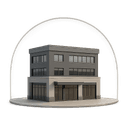
Commercial Property
Can help repair or replace your building, equipment, inventory, and furnishings after covered events like fire, wind, or theft.

General Liability
Can help cover customer injuries, damage to property owned by others, and related legal costs your business becomes responsible for.
Business Income
May replace lost income and help pay rent, payroll, and other continuing expenses while covered damage forces a temporary shutdown.
Equipment Breakdown
Typically covers repair or replacement when equipment like air conditioning, refrigeration, or computers fails from a sudden mechanical or electrical breakdown.
Hired & Non-Owned Auto
May respond when vehicles your business rents or employees' personal cars are used for work and cause an accident.
Business Owners Policy Insurance Requirements in Washington
- Washington businesses are regulated by the Washington Office of the Insurance Commissioner, so policy availability and forms depend on carrier filings and underwriting.
- Coverage requirements may vary by industry and business size, and BOP eligibility often depends on revenue, employee count, and premises size.
- Washington workers compensation is required for businesses with at least one employee, but sole proprietors and partners are exempt and need separate planning for property and liability coverage.
- A BOP can include business income coverage and may be expanded with endorsements such as equipment breakdown coverage, depending on the carrier.
How Much Does Business Owners Policy Insurance Cost in Washington?
Average Cost in Washington
$50 - $190
per month
Businesses in Washington typically see business owners policy insurance premiums of $50 - $190 per month, which tends to run 14% above the national range of $50 - $160 per month.
- Annual revenue and industry class
- Building and contents values
- Square footage and building age
- Catastrophe exposure at your address
- Liability limits and property deductibles
- Claims history
Contact CPK Insurance for a personalized quote.
For Washington businesses, BOP cost is shaped by local underwriting conditions and by the property you are insuring. Actual quotes can sit above or below average depending on the business. Washington's premium index of 112 means the market runs above the national average, and that usually shows up in pricing for property-heavy risks, higher-value locations, and businesses with stronger claims history. Coverage limits and deductibles, claims history, location, industry or risk profile, and policy endorsements all play a role. Location matters in a very Washington way because earthquake, wildfire, and flooding exposures can influence how carriers view property and business interruption risk, while local construction costs and labor rates can affect repair pricing after a loss. The state's 460 insurers create room to compare offers, but the quote you receive in Seattle, Olympia, or a smaller market may differ because the carrier is weighing building value, revenue, and how much equipment or inventory sits on site. Washington businesses should compare quotes from multiple carriers rather than assuming one renewal is representative. Asking for the same limits and deductible across carriers is the cleanest way to see where the differences really come from.
| BOP Component | What's Included | Typical Limits |
|---|---|---|
| General Liability | Third-party injury, property damage, advertising injury | $1M/$2M |
| Commercial Property | Building, equipment, inventory, fixtures | Replacement cost |
| Business Interruption | Lost income + ongoing expenses during shutdown | 12 months coverage |
| Cyber (Endorsement) | Data breach response and liability | $50K to $100K |
| EPLI (Endorsement) | Employment discrimination, harassment claims | $50K to $250K |
| Equipment Breakdown | Mechanical/electrical equipment failure | Varies by equipment value |
General Liability
- What's Included
- Third-party injury, property damage, advertising injury
- Typical Limits
- $1M/$2M
Commercial Property
- What's Included
- Building, equipment, inventory, fixtures
- Typical Limits
- Replacement cost
Business Interruption
- What's Included
- Lost income + ongoing expenses during shutdown
- Typical Limits
- 12 months coverage
Cyber (Endorsement)
- What's Included
- Data breach response and liability
- Typical Limits
- $50K to $100K
EPLI (Endorsement)
- What's Included
- Employment discrimination, harassment claims
- Typical Limits
- $50K to $250K
Equipment Breakdown
- What's Included
- Mechanical/electrical equipment failure
- Typical Limits
- Varies by equipment value
How Washington compares with the national baseline
Property crime per 100,000 residents
3,420 vs 2,200 baseline
Property crime in Washington runs above the national average, at 3,420 vs 2,200 incidents per 100,000 residents.
Blue bar: Washington. Gray line: national baseline.
Prices shown are general estimates, not guaranteed rates or quotes. Your actual premium will depend on the insurer, coverage selected, business details, location, claims history, and other underwriting factors. Learn about our pricing methodology.
Request a Quote Comparison
Enter your ZIP code to compare business owners policy insurance rates from top carriers.
Business insurance starting at $25/mo
Who Needs Business Owners Policy Insurance?
A BOP is usually a strong fit for Washington small businesses that need commercial property and general liability coverage together, especially when they also want business income protection in the same package. Retail trade businesses make up 10.2% of employment, which means a large share of the state's workforce is in environments where inventory, fixtures, and customer traffic create property and liability exposure that a BOP is designed to address. Accommodation and food service businesses, at 9.4% of employment, often need a policy that can account for equipment, contents, and downtime if a covered event closes the doors temporarily. Manufacturing businesses, at 8.2% of employment, may rely on machinery downtime protection as an endorsement because equipment failure can be a bigger issue than the building itself. Professional and technical services, the largest employment sector at 12.6%, may still need this coverage if they lease office space, store business property, or want a simple small business insurance bundle that covers premises-related liability and contents. Washington's workers compensation requirement is separate from a BOP, so businesses with employees need to plan for that alongside property and liability protection. Sole proprietors and partners are exempt from that workers comp requirement, but that exemption does not remove the need to think about property, income, and liability exposure for the business itself.
Business Owners Policy Insurance by City in Washington
Business Owners Policy Insurance rates and coverage options can vary across Washington. Select your city below for localized information:
How to Buy Business Owners Policy Insurance
To buy a BOP in Washington, start by matching your business profile to carrier eligibility rules and then compare quotes from multiple insurers licensed in the state. Washington is regulated by the Office of the Insurance Commissioner, so it helps to review policy language carefully and confirm the carrier is offering the property, liability, and business income structure you actually need. Many policies are designed for small to mid-size businesses, so those figures are a useful starting point before you request a quote. Gather your address, square footage, building details, revenue, payroll if relevant to the carrier's questions, inventory value, equipment list, and any prior claims information so the quote reflects your actual risk. Then ask each carrier whether endorsements like equipment breakdown or hired and non-owned auto coverage are available, because the base form is not identical from one insurer to another. If your business uses vehicles, ask whether hired and non-owned auto coverage is available as an endorsement, but only if it matches your operations and the carrier offers it. The cleanest process is to compare the same limits, deductible, and endorsements across each quote so you can see the real differences. To get started, request a quote from a participating licensed provider through our marketplace.
How to Save on Business Owners Policy Insurance
The most reliable way to manage BOP cost in Washington is to control the rating inputs that carriers use. Start with the deductible, because a higher one can reduce premium, but only if your cash flow can handle a claim without strain. Next, right-size the limits for your property, inventory, and business income coverage so you are not paying for more than your business needs, especially if your premises are modest or your equipment is limited. Washington's premium index of 112 suggests the market is not priced like the national average, so comparing multiple carriers is a practical savings step rather than an optional one. Quote shopping can uncover differences tied to underwriting appetite, location, and endorsements. A small business insurance bundle in Washington may be available from the same carrier if you need workers compensation separately, which can simplify billing and may create package pricing opportunities depending on the insurer. Keep claims history clean where possible, because it is one of the stated cost factors and can affect renewal pricing. If your business is in a higher-risk area for wildfire, earthquake, or flooding, ask whether mitigation steps or property upgrades affect how the carrier views your risk, since location and condition matter in Washington. Finally, only add endorsements you will use. Equipment breakdown coverage can be valuable for some businesses, but unnecessary extras can raise the bill without improving the protection you actually need.
Our Recommendation for Washington
For Washington buyers, the best first step is to treat a BOP as a coverage design exercise, not just a price comparison. Make sure the policy actually fits your building, equipment, inventory, and income exposure in a state with very high earthquake risk, high wildfire risk, and above-average premiums. If you operate in Olympia, Seattle, Tacoma, Spokane, or another local market, ask for quotes with the same deductible and the same property and income limits so you can compare carriers fairly. Use the Washington Office of the Insurance Commissioner as your regulatory reference point, and verify that any endorsement you want is actually included in the quote. A good policy here should be simple to manage, but detailed enough to reflect your location and operations.
FAQ
Frequently Asked Questions
In Washington, a BOP usually bundles commercial property, general liability, and business income coverage, with optional endorsements like equipment breakdown coverage depending on the carrier.
Your quote can vary based on location, claims history, limits, deductibles, and whether you add endorsements. For example, a business in a high wildfire risk zone may see higher property premiums than one in a lower risk area, and adding endorsements will increase the total cost.
There is no single statewide BOP requirement, but Washington businesses should compare quotes from multiple carriers and expect underwriting to vary by industry, revenue, and premises size.
If you have a storefront, office, inventory, equipment, or income that could be disrupted by a covered loss, a BOP is often a practical starting point for small business protection in Washington.
Business income coverage can help replace lost income and ongoing expenses when a covered event forces a temporary closure, which is useful in Washington where property losses can follow wildfire, earthquake, or flooding events.
Yes, many carriers offer equipment breakdown coverage as an endorsement, but availability, limits, and pricing vary by insurer and by the type of equipment your business uses.
Have your address, square footage, revenue, inventory values, equipment list, and claims history ready, then compare quotes from multiple Washington carriers using the same limits and deductible.
A BOP bundles general liability insurance, commercial property insurance, and business interruption coverage into a single policy at a discounted rate. Most BOPs can be customized with endorsements for cyber liability, employment practices liability, professional liability, equipment breakdown, and more.
Updated July 16, 2026