Updated July 16, 2026

Key Takeaways
- Compare liquor liability quotes using the same limits and the same description of your alcohol operations, then read exclusions and defense wording before you choose a policy.
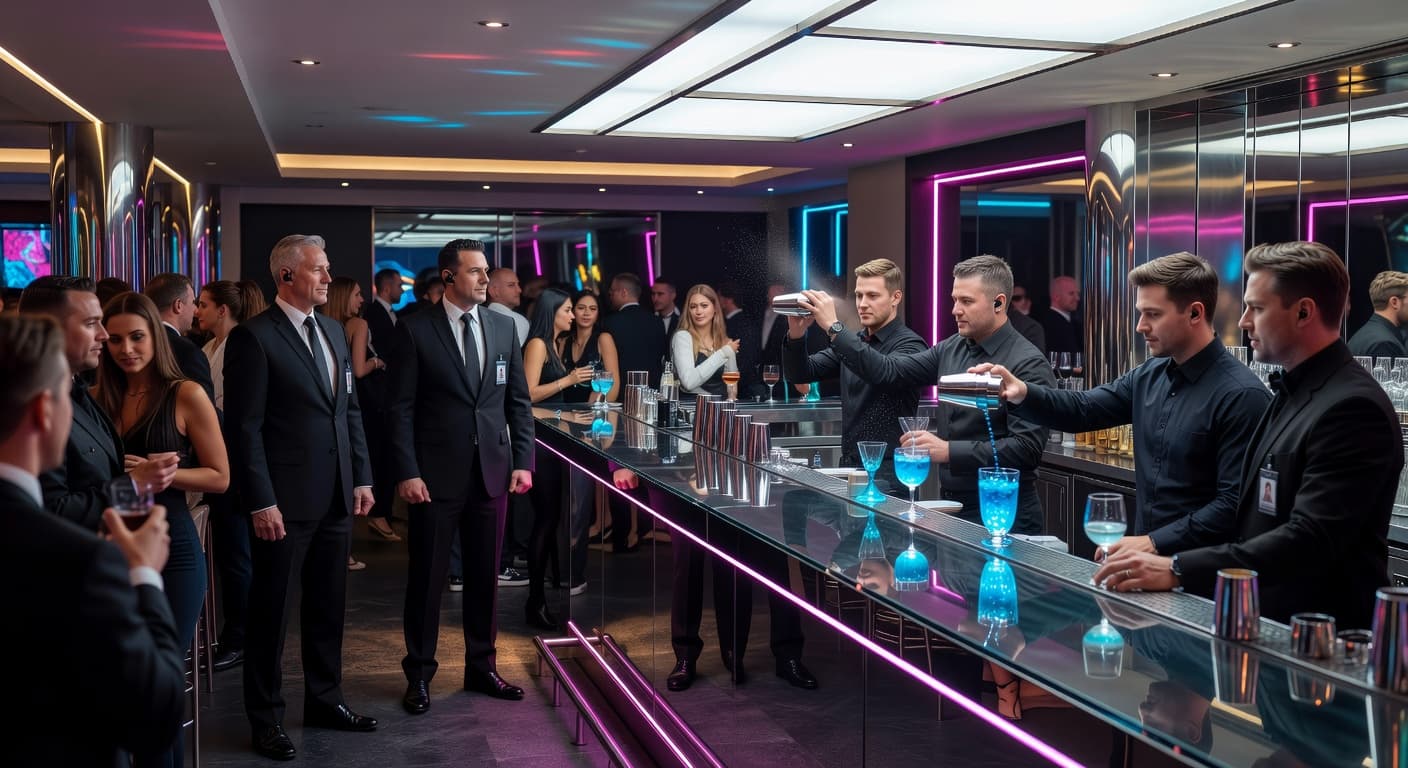
- Ask whether assault and battery is included, limited, or excluded, especially if you operate late hours, use security, host events, or manage crowded service areas.
- Document ID checks, server training, incident logs, and cut-off procedures so your application and your claim file both support how you actually operate.
- Review contracts from landlords, venues, and event partners early so you can match liquor liability limits and certificate requirements before binding coverage.
- Separate host liquor questions from true liquor liability needs if alcohol is only furnished occasionally and not part of your regular business revenue.
Liquor Liability Insurance in Washington
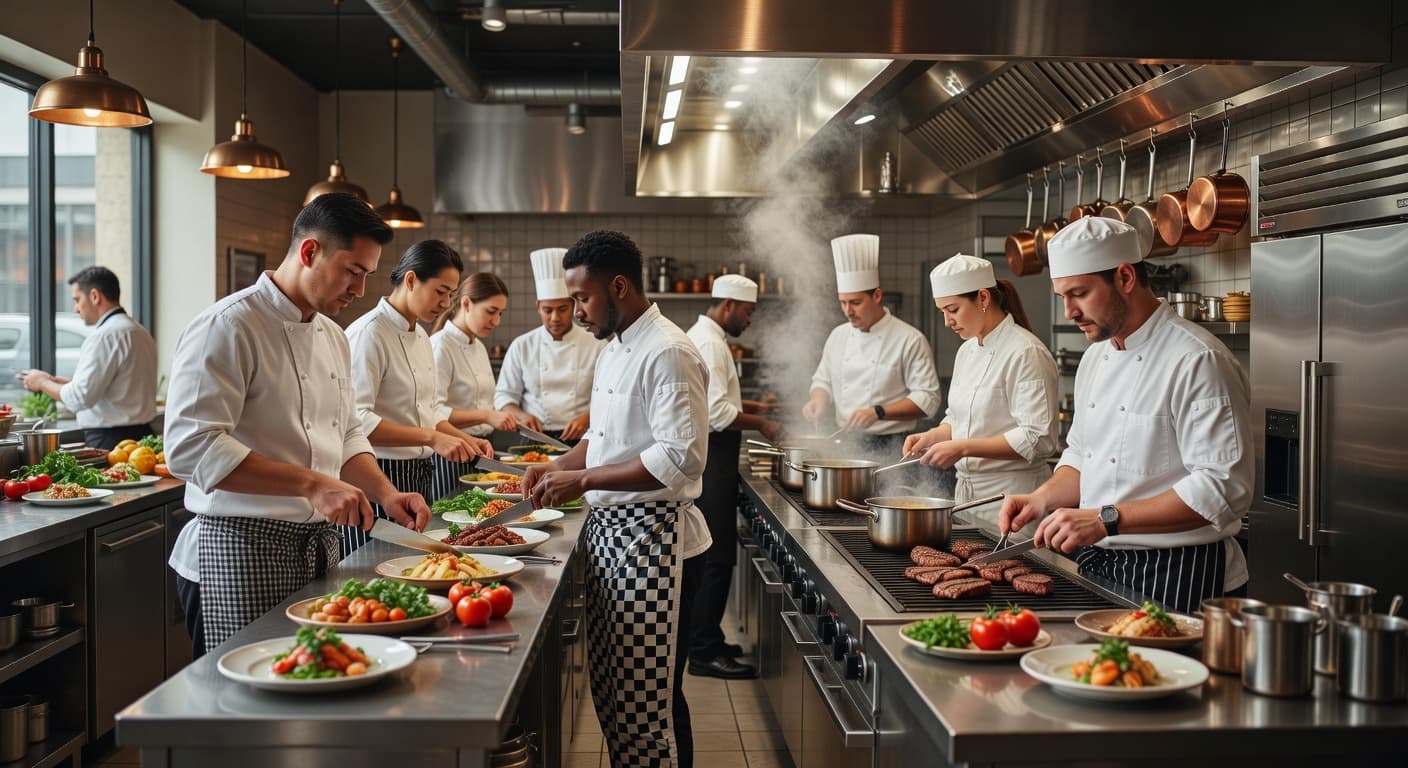
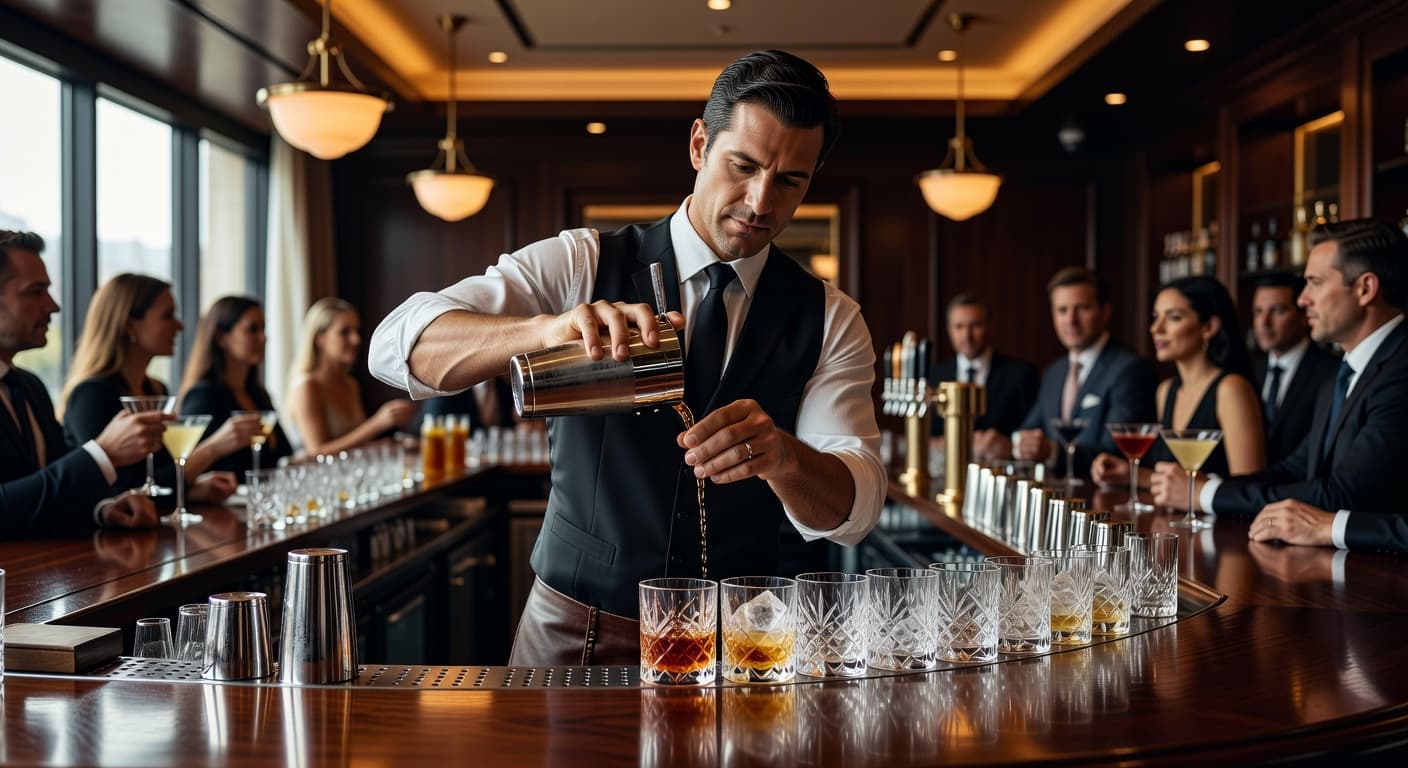
A customer leaves your bar, tasting room, restaurant, or catered event, gets into a crash, and your business is pulled into the claim because staff allegedly kept serving after clear signs of impairment. That is the loss scenario this coverage may help address, and it can reach far beyond the tab from a single night. Alcohol service across the state often happens in very different settings, from neighborhood taverns and music venues to wineries, breweries, private events, and hotel banquet operations. Your exposure changes with how drinks are sold, who is checking IDs, whether security is present, and how late service runs.
A policy review here should focus on your actual alcohol operations, not a generic package built for a business that only serves occasionally. Before you request quotes, gather your liquor sales mix, event schedule, training procedures, prior incidents, and any lease or vendor insurance requirements. That gives you a cleaner application and a more useful comparison of limits, exclusions, and defense terms.
What Liquor Liability Insurance Covers
The practical question is not whether an alcohol-related claim can happen, but where the allegation lands first. For some businesses, it starts with an overservice accusation after a late-night incident. For others, it starts with an ID-check failure, a fight after service, or a catered event where responsibility between the venue and vendor is disputed. Your review should center on those operational handoffs.
Look closely at how the policy responds to claims tied to selling or serving alcohol at your premises, at temporary event locations, or through contracted staff. If you run multiple revenue streams, such as a restaurant with a bar program, a brewery with a taproom, or a venue that hosts private functions, ask for wording that matches each setting.
You should also review whether defense costs are handled inside or outside the liability limit. If defense costs are inside the limit, every dollar spent on attorneys reduces what is left to settle the claim. If they are outside, your settlement funds stay intact. That distinction affects how much limit may remain for settlement pressure. If you use door staff, security contractors, or third-party event vendors, check how the policy treats shared fault allegations and additional insured requests. If you deliver alcohol, host off-site tastings, or rotate through festivals, ask whether those activities are included or need separate underwriting review.
Buyers should also confirm who regulates policy forms and consumer insurance issues in the state. The Washington Office of the Insurance Commissioner oversees insurance regulation in Washington, so if policy language or carrier handling is unclear, you can request specimen forms and compare them against your operational needs before committing.

Bodily Injury Liability
Can help cover injuries an intoxicated patron causes to others after your business served or sold them alcohol.

Property Damage Liability
May pay for property damage caused by an intoxicated customer your establishment served, such as a car crash after leaving.
Assault & Battery
Can help cover claims arising from fights or physical altercations involving intoxicated patrons at your bar or restaurant.

Defense Costs
May pay for attorneys, court fees, and related legal expenses when your business is sued over an alcohol-related incident.

Host Liquor Liability
Can help cover alcohol-related claims from events where you host or serve drinks without selling them, like company parties.
Liquor Liability Insurance Requirements in Washington
- Businesses that split operations between regular premises service and private events should confirm the policy addresses both settings before certificates are issued.
- If your venue uses third-party bartenders, security, or event vendors, review indemnity language and additional insured requests alongside the policy terms.
- A restaurant with a modest weekday bar program may still need broader review if weekend entertainment changes crowd size, service pace, and incident potential.
- If you operate a tasting room, brewery, or winery, make sure your application captures classes, releases, and special events so the full alcohol service footprint is reflected in underwriting.
How Much Does Liquor Liability Insurance Cost in Washington?
Average Cost in Washington
$50 - $190
per month
Businesses in Washington typically see liquor liability insurance premiums of $50 - $190 per month, which tends to run 17% below the national range of $50 - $240 per month.
- Share of sales that comes from alcohol
- Type of venue and how late you serve
- Server training and service procedures
- State dram shop law
- Liquor liability limits selected
- Prior over-service or assault claims
Contact CPK Insurance for a personalized quote.
Pricing works best as a factor review, not a shortcut. Many businesses see premiums starting at roughly $50 to $190 per month, though your actual cost depends on how much alcohol you sell, what kind of operation you run, your hours of service, prior claims, requested limits, and whether alcohol is your main exposure or one part of a broader hospitality account. The real tradeoff for a business owner is that tighter controls and limited service hours can keep you near the low end, while late-night service, heavy liquor receipts, and prior incidents push you toward the top. A small tasting room with limited hours presents a fundamentally different risk profile than a late-night bar, and underwriters price accordingly.
A winery, brewery, or tasting room may also be rated differently from a banquet hall or caterer because the service model, event frequency, and off-premises exposure are not the same. If you host private events, underwriters often want to know who serves, who checks IDs, and whether service stops at a set time. Your quote can also move based on payroll, annual sales, liquor receipts, seating capacity, entertainment, dance floor exposure, and whether you have written serving procedures.
Higher limits, lower deductibles, and broader endorsements can increase cost, while a cleaner loss history and tighter controls may help your pricing. Before you buy, line up your application details so the quote reflects your real operation. If your alcohol sales, event schedule, or service footprint changes during the year, ask how that affects audit, renewal pricing, or midterm updates.
Prices shown are general estimates, not guaranteed rates or quotes. Your actual premium will depend on the insurer, coverage selected, business details, location, claims history, and other underwriting factors. Learn about our pricing methodology.
Request a Quote Comparison
Enter your ZIP code to compare liquor liability insurance rates from top carriers.
Business insurance starting at $25/mo
Who Needs Liquor Liability Insurance?
This coverage matters most for businesses whose revenue depends on alcohol service or whose events create a clear serving exposure. If you run a bar, tavern, nightclub, or music venue, the exposure is obvious. But it also applies to restaurants where bar sales are meaningful, breweries and wineries with tasting rooms, hotels and banquet facilities hosting events, and caterers or event operators where alcohol is part of the package.
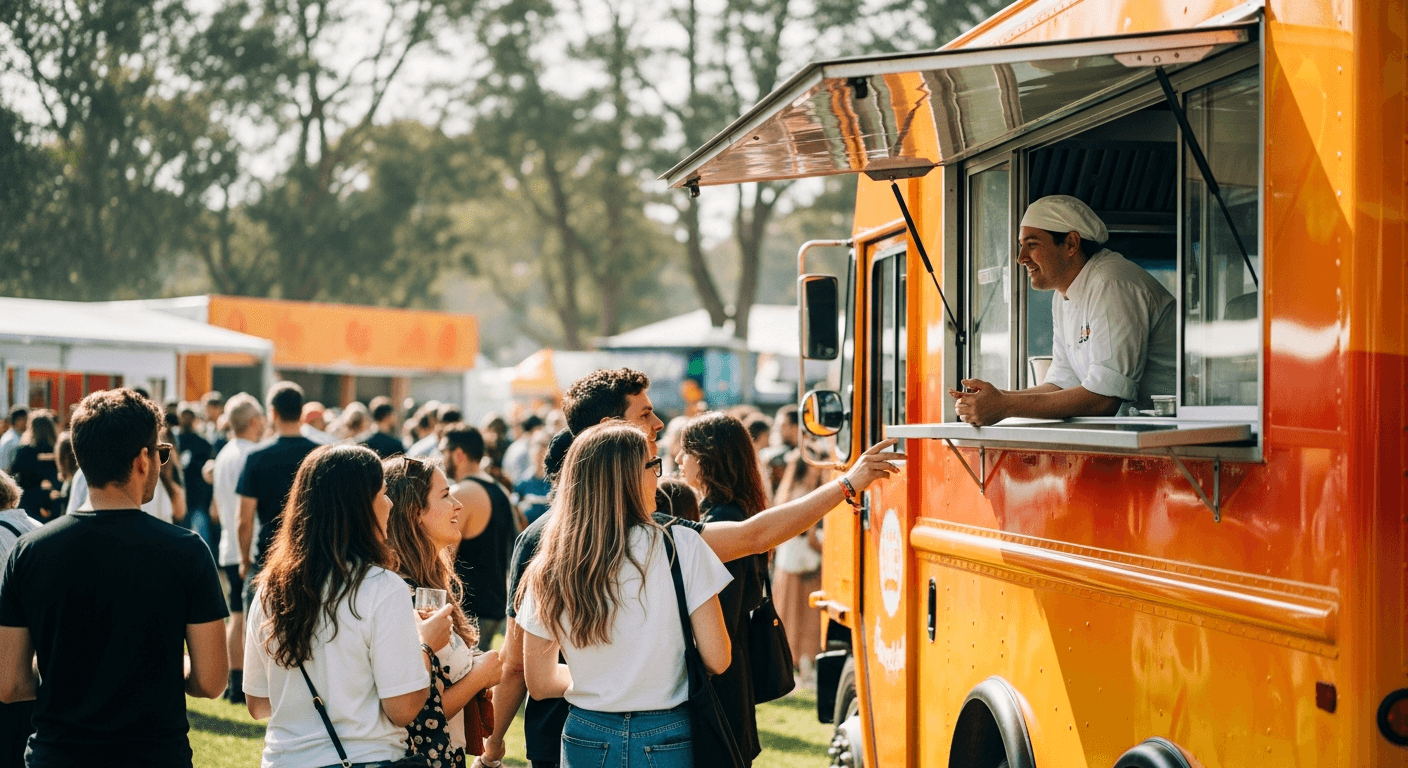
It also deserves a close look if your business model shifts during the week. A restaurant that looks low-risk at lunch can become a very different account on weekend nights with cocktails, live entertainment, and crowded service areas. A wedding venue may not pour drinks every day, but one large reception can create the kind of claim severity that changes the insurance conversation fast. If you operate pop-ups, festivals, or seasonal events, your exposure may be concentrated rather than constant, which still needs to be addressed clearly in the policy review.
You should also think about who else is asking for proof of coverage. Landlords, event hosts, distributors, and contract partners often want certificates, specific limits, or additional insured wording before they let alcohol service proceed. If your lease or event agreement pushes liability back onto your business, that contract should be reviewed alongside the quote request. The key test is simple: if an injured third party could allege your alcohol service contributed to the loss, you should review your policy before the next renewal, event booking, or license-related paperwork deadline. Waiting until a venue contract is already signed can leave you with fewer options and less time to fix exclusions.
Liquor Liability Insurance by City in Washington
Liquor Liability Insurance rates and coverage options can vary across Washington. Select your city below for localized information:
How to Buy Liquor Liability Insurance
Start with your operations, not the application form. The fastest way to get a usable quote is to map out exactly how alcohol enters your business: on-premises sales, table service, bar service, tastings, private events, off-site catering, delivery, or temporary event work. Then gather the documents that prove it, including your current policy, loss runs if available, lease requirements, event contracts, and any certificate wording other parties require.
Next, build a clean underwriting summary. Include your business entity name, locations, estimated annual sales, estimated liquor receipts, hours of alcohol service, security practices, ID-check procedures, staff training approach, entertainment details, and whether minors may be present. If you use subcontracted bartenders or event vendors, note who carries what insurance and who is expected to indemnify whom. Those details often drive exclusions, pricing, and whether a carrier is comfortable with the risk.
When quotes come back, compare more than premium. Review limits, defense treatment, exclusions, assault or battery wording if relevant to your operation, off-premises event treatment, additional insured availability, and whether the policy reflects your actual service model. A quote that excludes the events or venues where you make your margin may leave you without protection exactly when you need it most. Before binding, ask for specimen forms or a clear coverage summary and match it against your contracts.
If you need proof of insurance for a landlord, festival, or venue, request certificates only after the policy terms are confirmed. That sequence helps prevent last-minute surprises that delay opening, event setup, or contract approval. To get matched with participating providers for your liquor liability quote, submit your application details through our marketplace.
How to Save on Liquor Liability Insurance
Start by tightening the information you submit. Clear liquor receipts, accurate event counts, written serving procedures, and a consistent description of your business reduce the chance that a carrier prices in uncertainty. If your application is vague, the quote often reflects that ambiguity.
Operational controls can matter as much as shopping the market. Document ID-check steps, escalation procedures for refusing service, incident logging, manager involvement, and how staff handle private events where hosts pressure bartenders to keep pouring. If your business uses security, spell out when they are present and what their role is. If you stop service before closing or use drink limits at certain events, include that. Underwriters want evidence that your controls are real, not just promised.
You can also save by buying the right limit structure the first time. Review lease requirements, venue contracts, and vendor agreements before quoting so you do not have to rework the policy after binding. Midstream changes, rushed endorsements, and mismatched certificates can add friction and narrow your options. If your business has seasonal swings, ask whether estimated exposures can be presented in a way that matches your actual operating calendar.
Finally, compare quotes on equal terms. Use the same limits, deductible structure, and key endorsements across proposals, then ask which operational factors are driving the difference. That gives you a practical path to improve pricing before renewal instead of simply accepting a higher number.
Our Recommendation for Washington
The strongest purchase decision usually comes from matching the policy to the way alcohol is actually served on your busiest night, not your quietest shift. If your operation changes by daypart, season, or event type, make the quote reflect that from the start. A tasting room that also hosts weddings, a restaurant that turns into a late-night bar, or a venue that rotates guest bartenders should be described in that full context.
Ask specifically about off-premises service, temporary events, additional insured requests, and any exclusions that could affect the contracts you sign most often. If your lease, event agreement, or vendor paperwork shifts liability toward your business, compare those documents against the proposed policy before you bind. That is often where coverage gaps show up.
You should also review defense handling carefully. In a serious alcohol-related claim, legal costs can shape the outcome early, so it is worth understanding how the policy applies before a dispute starts. Keep your application, procedures, and contracts organized in one file, then request a quote review built around those documents. That gives you a cleaner buying decision and a policy that is easier to use when a venue, landlord, or event partner asks for proof of coverage.
FAQ
Frequently Asked Questions
Yes, and many do. Washington venues often require proof of liquor liability before alcohol service begins, especially where contracts shift liability to the serving business. Review the venue agreement and requested certificate wording before you bind, so the policy terms match the obligations you are accepting.
It can be. A winery pouring flights on weekend afternoons does not look like a nightclub to an underwriter. Describe your tastings, releases, private events, and off-site service clearly, because the service model can affect how a carrier reviews exclusions, limits, and event exposure.
Disclose liquor receipts, hours of alcohol service, entertainment, private events, and whether the operation shifts into a bar environment at night. That helps the quote reflect the real exposure instead of a simplified food-first description. If your weekend bar program drives most of the alcohol revenue, say so.
Often, yes. Venue rules, staffing arrangements, and responsibility for ID checks can change from one event to the next. Bring event contracts and service procedures into the quote process early so underwriting can address each setting.
The Washington Office of the Insurance Commissioner regulates insurance in the state. If policy language, billing, or claims handling is unclear, you can file a complaint or request clarification through their office. Keep copies of your application and endorsements in case a dispute arises.
Current policies, loss information if available, lease requirements, event contracts, liquor receipts, and written serving procedures all help. Better documentation gives underwriters fewer reasons to price for uncertainty, and it lets you compare quotes on equal footing rather than guessing at what each carrier assumed.
You can often request coverage after signing, but waiting can limit options if the contract requires specific limits, endorsements, or certificate wording. Review insurance requirements before you sign, then confirm the quote addresses those obligations directly.
U.S. businesses that sell, serve, or distribute alcohol should review liquor liability insurance. That usually includes bars, restaurants, breweries, wineries, liquor stores, caterers, hotels, and event venues, especially when alcohol service is part of normal operations rather than an occasional event.
Sources
- 1.Washington Office of the Insurance Commissioner(The Washington Office of the Insurance Commissioner oversees insurance regulation in Washington.)
Updated July 16, 2026