







































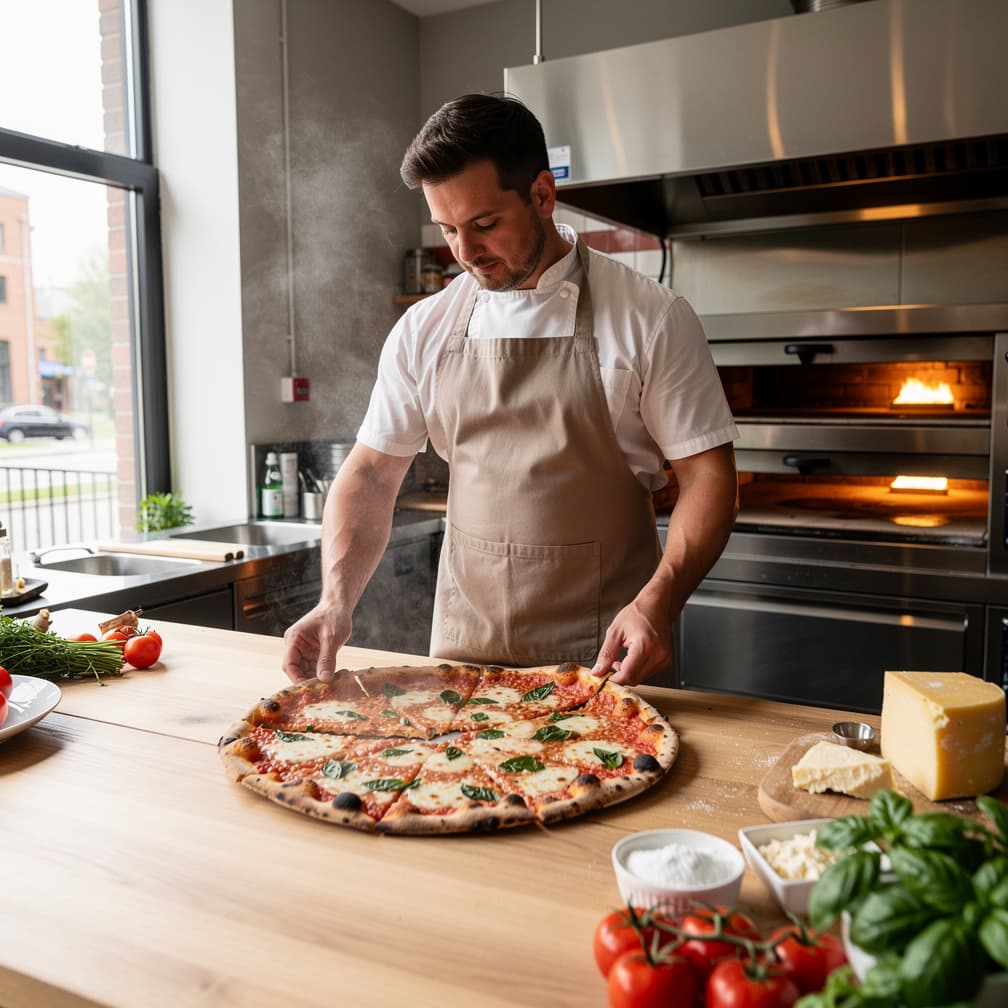

King County has about 70,500 businesses, and every one of them is a potential landlord, neighbor, or claimant with counsel already on retainer. Volume like that changes the paperwork more than the risk: property managers in dense markets run certificate tracking software, and a lapsed policy triggers an automated notice before you notice anything yourself. That administrative reality is half of what pizza shop insurance in Kent is really for. The other half is the oven, the fryer, and the person carrying a hot pan past a customer's chair. Keep the certificate current and keep the additional-insured wording exactly as the lease demands, since a rejected certificate can hold up a build-out or a renewal. Then spend your real attention on limits. That is the number a serious claim finds first.
What Makes Kent Different
Additional-insured status and a certificate are different things, and the difference shows up only in a claim. The certificate is evidence; the endorsement is the coverage, and sophisticated landlords in dense markets know that. Their template names a specific endorsement form and often demands blanket wording that reaches future parties automatically. Say yes without reading and you may have agreed to defend somebody else's negligence. Ask what the endorsement actually grants before you sign a lease in Kent. Ask whether the carrier writing in Washington issues blanket wording or schedules each party by name, since scheduling means a call every time a party changes. That administrative difference is invisible at quote time and constant afterward. Choose the one that matches how often your counterparties change.
Local Risk Factors in Kent
Wildfire reaches most pizza shops as smoke and closed roads long before it reaches them as flame. Smoke taint gets into dough, cheese, and paper stock, the dining room smells like the outside, and health rules can force you to dump product that looks fine. Commercial Property may respond to smoke damage as a covered peril, though what counts as damage versus a lingering smell is exactly where these claims get argued. A shop in Kent should photograph and log discarded stock as it goes, because reconstructing it later is a losing exercise. Ask what your Washington form says about smoke, ash, and evacuation orders, since an order that closes your street is not the same thing as damage to your building.
What Coverage Does a Pizza Shop in Kent Need?
General Liability
Landlords, catering clients, and delivery platforms all ask to see this one before they do business with you. It is the line that generally answers a customer's bodily injury or property damage claim: a slip near the pickup counter, a burn from a hot box, a spill across a dining room table. Employee injuries and vehicle accidents sit outside it.
Example: A customer carries a hot pizza past a toddler, the box tips, and a burn claim follows the same week. General Liability might answer the medical demand and the defense costs, subject to your limit.
Commercial Property
Ovens, the hood, the walk-in, the register, the tenant improvements you paid for, and the stock in the cooler are the money inside your four walls. This line can help cover sudden damage to them from fire, storm, theft, or vandalism, subject to your deductible. Flood typically sits outside it, and equipment that simply wears out usually does too.
Example: A fryer flare-up scorches the hood and the ceiling, and the kitchen closes for two weeks of repairs. Commercial Property can respond to the equipment and the building damage, depending on your valuation basis.
Commercial Auto
Personal auto policies commonly exclude driving for pay, which is the hole every delivery shop drives through. This line is meant for the vehicles the shop owns and the drivers it lists, and it may respond when one of them causes injury or damage on a run. Drivers using their own cars are a separate arrangement worth asking about by name.
Example: A driver in Kent runs a light with four orders in the back and clips a parked car. Commercial Auto may pick up the third-party damage and the liability that follows, once the deductible is met.
Workers Compensation
Where General Liability stops at the customer, this line starts with your crew. Burns, cuts, slips on a greased floor, and a back strain lifting dough are the claims a kitchen actually files, and it can help cover medical costs, a portion of lost wages, and rehabilitation. Rules and thresholds vary by state, so confirm what applies to you.
Example: A new hire reaches into a deck oven without a mitt and burns a forearm badly enough for stitches and a week off. Workers Compensation is typically built to handle the medical bill and part of the lost wages.
How Much Does Pizza Shop Insurance Cost in Kent?
Pizza Shop Insurance is a bundle of separate policies, priced separately. The ranges below are typical figures for Kent for each line, except workers compensation, which is set by the state fund; a quote prices each one against your own operations.
| Coverage | Typical range | What moves your price |
|---|---|---|
| General Liability Insurance | $80 - $230 per month | Industry and risk classification, annual revenue, number of employees |
| Commercial Property Insurance | $170 - $550 per month | Building value and construction type, roof age and condition, fire protection class |
| Commercial Auto Insurance | $260 - $750 per month | Fleet size and vehicle types, driver records and experience, coverage limits and deductibles |
| Workers Compensation Insurance | Set by the state fund | Employee classification codes, total annual payroll, experience modification rate |
Prices shown are general estimates, not guaranteed rates or quotes. Your actual premium will depend on the insurer, coverage selected, business details, location, claims history, and other underwriting factors. Learn about our pricing methodology.
What Are the Insurance Requirements for a Pizza Shop in Kent?
Workers' comp is generally required once you have your first employee, through the state fund. Washington runs workers' compensation through a state fund: employers buy coverage from the Washington State Department of Labor & Industries (L&I), not from private carriers. Common exemptions include sole proprietors and partners. Confirm current requirements directly with the fund before you hire.
State auto liability minimums apply to business vehicles. Washington's minimum auto liability limits are $25,000/$50,000/$10,000 (bodily injury per person / per accident / property damage). Contracts and lenders often require more than the state floor.
Flood damage is typically excluded from standard policies. Standard commercial property and builders-risk-type policies typically exclude flood damage. Flood exposure varies address by address, so check your premises in FEMA's Flood Map Service Center before deciding; if you sit in a mapped flood zone, a separate policy through the National Flood Insurance Program is the usual starting point.
Where to verify licensing and coverage rules. The Washington Office of the Insurance Commissioner publishes consumer guidance and current insurance requirements for Washington businesses. When a contract or lease demands specific wording, the Washington Office of the Insurance Commissioner's guidance is the authoritative place to check.
Get Your Pizza Shop Quote in Kent
Compare rates from multiple carriers. Free quotes, no obligation.
Operating in Kent
- About 1,800 pizza shops operate in King County, which is a thin enough book that an underwriter leans on your own loss history rather than a local average.
- The certificate your Kent landlord accepted last year names a policy you may no longer have. Switching carriers means reissuing every certificate you have ever handed out.
- Loss runs from a prior insurer take weeks to arrive, and carriers ask for five years of them. Start that request before you start shopping a Washington renewal.
- A walk-in that warms overnight spoils an entire inventory before anyone opens the door, and mechanical breakdown sits outside a plain property form unless you added it.
How to Buy: Advice for Kent Owners
Ask what a package actually includes before you accept that it includes everything you own. Small restaurant policies often arrive bundled, and bundles hide their seams: property and liability in one document, vehicles usually somewhere else, Workers Compensation usually somewhere else again. Commercial Auto is the piece owners most often assume was in the bundle and most often was not. Get a schedule of what is on the policy, line by line, with limits next to each. Then hold it against the list of things you own and the list of things you do. Anything on your list that is not on theirs is a decision you made by accident. The Washington Office of the Insurance Commissioner publishes consumer guidance on business owners policies and what they typically combine. Take the gap list to participating carriers and ask each to quote it filled for your Kent shop, so you are comparing complete pictures.
FAQ
Pizza Shop Insurance in Kent: FAQ
Payroll, sales, seating, delivery, and your claims history do most of the work. A carryout counter with two part-timers prices very differently from a dining room with drivers on the road. Limits and deductibles then move the number in either direction, and the deductible is the lever you actually control. Nothing about the premium is a category price; it is your operation, described honestly, run through a carrier's rating plan.
Often not. Mechanical breakdown is commonly excluded from a plain property form, which is built around sudden external damage rather than equipment wearing out. Equipment breakdown coverage exists as a separate line or endorsement and could respond to the failure and sometimes the spoiled stock behind it. Ask specifically which one your Kent shop has, because owners routinely assume it is included and find out at the worst hour.
Landlords, equipment lessors, build-out contractors, catering clients, delivery platforms, and sometimes a permit desk. Each may want different wording: an additional-insured endorsement, a loss payee, a waiver, or a specific limit. A certificate is evidence of coverage rather than coverage itself, which matters when the wording on it does not match the policy behind it. Keep a list of every holder with renewal dates beside each one.
Yes, and that is what the aggregate does. Per-occurrence is the most one slip or burn claim can reach; the aggregate is the ceiling for the whole policy period. Two customer injuries in one year can erode it quietly, and your landlord's certificate will not announce that it happened. Leases usually name the per-occurrence number and stop there. Ask whether defense costs sit inside the limit, since a slip file spends legal money before it spends settlement money.
Usually not, and that is the honest gap. Property forms generally respond to physical damage, and an empty dining room is not damage. Business income coverage typically follows a covered physical loss too, so a slow week alone rarely triggers anything. If the power fails and your stock spoils, the question changes, and the answer depends on whether the form reaches off-premises utility failure. Ask about that endorsement before the season turns.
The lease on a Kent storefront sets a floor, never a plan. Ask what a serious bodily injury demand from a burn or a fall could reasonably reach, then ask what the next limit up costs. The step from a thin limit to an adequate one is often smaller than owners expect, because the first dollars of a limit are the expensive ones. Compare the same shop quoted at two limits and read the difference as a number.
Sources
- 1.U.S. Census Bureau, County Business Patterns (2022), King County(King County has about 70,500 business establishments.; King County has about 1,800 businesses in this trade's category (NAICS group 722513).)
- 2.Washington Office of the Insurance Commissioner(Washington Office of the Insurance Commissioner publishes consumer guidance for insurance buyers.)
- 3.FEMA / FloodSmart(Flood coverage is typically purchased separately; FEMA administers the National Flood Insurance Program.)


