







































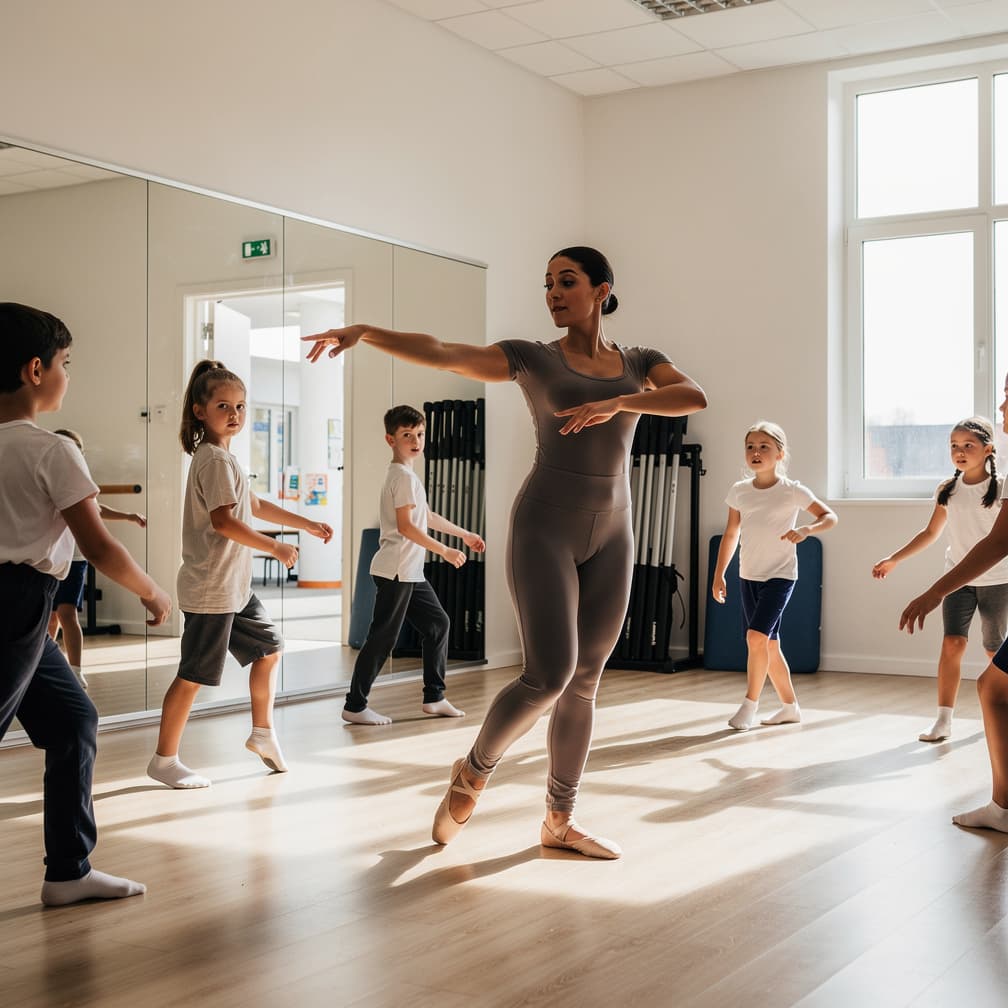

About 70,500 businesses share King County, and that density does one useful thing for a studio: adjusters, restoration crews and defense attorneys are close by when something breaks. It does one unhelpful thing too. Commercial space gets bid up, and studios end up in shared buildings where somebody else's kitchen, gym or sprinkler line becomes your water loss. Dance studio insurance in Seattle is bought differently in a shared shell than in a standalone unit, because the party who caused your damage may not be the party you can collect from. Ask what happens when the loss starts upstairs. Ask whether the class weeks you lose while the floor dries sit inside the form or outside it. Answers differ by carrier, which is the whole reason to gather more than one.
What Makes Seattle Different
The lease is where your insurance decision actually begins, long before you compare a single quote. Landlords holding studio space routinely require a certificate naming them before they hand over keys. That demand sets your limits, your additional insureds, and the date coverage has to start. A studio in Seattle signing a lease inherits whatever the insurance exhibit already spelled out. With about 70,500 businesses in King County, a property manager has other tenants waiting on the same square footage. Paperwork that arrives wrong pushes your opening back a week, and enrollment moves on without you. Read the exhibit before you shop, because it tells you the floor you cannot negotiate under. Everything above that floor is your call, and that is the only part worth shopping.
Local Risk Factors in Seattle
Wildfire closes a studio long before flame is anywhere near the building. Smoke drifts, air quality drops, and you cannot ask children to do cardio in it, so classes cancel for a week with no damage to point at. Then the smoke gets into fabric: every costume in the closet holds it, and the sound gear pulls it through the vents. That contamination is a property loss even when nothing burned, and it is a harder claim to prove than a fire. A studio in Seattle should photograph and inventory the costume closet before a Washington season where smoke is a normal occurrence. Commercial Property may respond to smoke damage, while a voluntary closure with no damage typically triggers nothing.
What Coverage Does a Dance Studio in Seattle Need?
General Liability
A parent goes down on a wet lobby floor and wants her medical bills handled. That third-party demand is what this line is generally built for: bodily injury and property damage to people who are not your staff. It typically will not answer an allegation that your instruction caused a student's injury, and it is the coverage a landlord or a venue asks to see named on your certificate.
Example: A sibling waiting for pickup trips over a dance bag in the lobby and fractures a wrist. The family sends medical bills, and general liability might respond to the demand and the defense behind it.
Professional Liability
Premises coverage stops at the edge of this exposure. When a family alleges that a correction, a progression, or a placement you taught caused a student's injury, they are challenging professional judgment rather than the condition of your floor. This line is designed for that allegation and for the cost of defending it. It commonly runs on a claims-made basis, so a lapse can reach backward into teaching you already did.
Example: An instructor guides a teen toward a deeper extension, and the family later claims the technique caused a hip injury. Professional liability could pick up the defense of that judgment call.
Commercial Property
Mirrors, barres, the sprung floor, the sound rack, and a closet of costumes are the assets this line is meant for, along with the tenant improvements you paid to install. Sudden and accidental damage is the trigger: fire, a burst pipe, vandalism overnight. Wear on a floor you dance across daily is excluded by design, and flood is typically bought on its own.
Example: Vandals get in overnight, take the speakers, and crack a mirror panel on the way out. Commercial property might answer for the replacement once you document what was in the room.
Business Owners Policy
Where property and liability sit apart as separate purchases, this one packages them together, which is why many small studios start here. Expect the same exposures in a single form: gear and improvements on the property side, third-party injury on the liability side, plus lost income after covered damage. Instruction allegations generally fall outside it, so ask what has to be added.
Example: A fire in the neighboring unit closes your Seattle studio for three weeks. A business owners policy can help with the smoke damage and with the tuition weeks the closure took away.
How Much Does Dance Studio Insurance Cost in Seattle?
Dance Studio Insurance is a bundle of separate policies, priced separately. The ranges below are typical figures for Seattle for each line; a quote prices each one against your own operations.
| Coverage | Typical range | What moves your price |
|---|---|---|
| General Liability Insurance | $55 - $180 per month | Industry and risk classification, annual revenue, number of employees |
| Professional Liability Insurance | $45 - $160 per month | The services you actually perform, annual revenue or billed fees, limit and retention selected |
| Commercial Property Insurance | $80 - $260 per month | Building value and construction type, roof age and condition, fire protection class |
| Business Owners Policy Insurance | $90 - $280 per month | Annual revenue and industry class, building and contents values, square footage and building age |
Prices shown are general estimates, not guaranteed rates or quotes. Your actual premium will depend on the insurer, coverage selected, business details, location, claims history, and other underwriting factors. Learn about our pricing methodology.
What Are the Insurance Requirements for a Dance Studio in Seattle?
Workers' comp is generally required once you have your first employee, through the state fund. Washington runs workers' compensation through a state fund: employers buy coverage from the Washington State Department of Labor & Industries (L&I), not from private carriers. Common exemptions include sole proprietors and partners. Confirm current requirements directly with the fund before you hire.
Flood damage is typically excluded from standard policies. Standard commercial property and builders-risk-type policies typically exclude flood damage. Flood exposure varies address by address, so check your premises in FEMA's Flood Map Service Center before deciding; if you sit in a mapped flood zone, a separate policy through the National Flood Insurance Program is the usual starting point.
Where to verify licensing and coverage rules. The Washington Office of the Insurance Commissioner publishes consumer guidance and current insurance requirements for Washington businesses. When a contract or lease demands specific wording, the Washington Office of the Insurance Commissioner's guidance is the authoritative place to check.
Get Your Dance Studio Quote in Seattle
Compare rates from multiple carriers. Free quotes, no obligation.
Operating in Seattle
- Costume inventory sits in a closet most of the year and is worth real money for six weeks of it. Valuing it at purchase price rather than replacement is how a theft claim disappoints.
- A sprung floor is not a commodity. Specialty installers are booked out, so a water loss that takes two days to dry can take two months to rebuild, and classes do not wait for it.
- Sound gear walks overnight, not during class. A door left unlatched by a cleaner is the ordinary way a studio loses speakers, and participating carriers in Washington will ask what your locks and alarms actually are.
- Teenagers rehearse lifts without you in the room, because the studio is empty at seven and their competition is in three weeks. The injury that follows still happened on your premises.
How to Buy: Advice for Seattle Owners
Photograph everything before you need to. Your floor, the mirror wall, the sound rack, the costume inventory, the barres, the front desk hardware. Store the photos and serial numbers somewhere that is not your Seattle studio, because a fire takes the filing cabinet along with the speakers. Commercial Property claims get adjusted against what you can prove you owned, and memory is not proof. Value the list at replacement cost rather than at what you paid, since a used speaker still costs new money to buy again. A Business Owners Policy sets a property limit up front, and an undervalued list is how studios learn their limit was too low. Update the photos each term. Then compare quotes from participating carriers in Washington against a number you can actually defend.
FAQ
Dance Studio Insurance in Seattle: FAQ
The paperwork itself is usually free while the endorsement standing behind it may not be. Naming an additional insured is a policy change, and some carriers charge for each party added. If a Seattle venue asks to be named, that is one endorsement, and four bookings a year is four. Ask each quote how many additional insureds are included and what each extra one costs before you compare prices.
Equipment and fixtures generally sit inside a commercial property form or the property side of a package, listed as business personal property. What matters more than where they live is how they are valued. Replacement cost and actual cash value produce very different checks on a speaker you bought used four years ago. Schedule the gear, value it at what buying it again costs today, and keep the list current.
Lost income coverage generally responds only after covered physical damage, so a cautious closure with no damage may trigger nothing at all. If you shut a Seattle studio because roads are impassable and the building itself is fine, the loss usually stays with you. Makeup classes cost instructor hours you never budgeted. Ask where that trigger sits before you buy, then hold cash for the closures falling outside it.
Commonly three to five years, and the answer varies by carrier. Reported and paid are separate facts, and both sit in the file an underwriter reads, so a claim that resolved for nothing can still shape a quote. Ask participating carriers in Washington how far their questions actually reach. That answer should influence which small losses you report and which you deliberately absorb yourself.
It is a reasonable starting point. A package generally combines property and liability in one form, which is why many small studios begin there. What it usually will not include is the allegation that instruction caused an injury, and that is the exposure most specific to teaching. Ask each quote to itemize what sits inside the package and what has to be bolted on separately.
Your enrollment roster, a class schedule listing every discipline you teach, an equipment list valued at replacement cost, your lease's insurance exhibit, and two years of incident notes. The schedule matters most, because a single aerial or partnering program can change how the whole studio rates. Send the identical package to every option. Anything less and you are comparing guesses rather than quotes.
Sources
- 1.U.S. Census Bureau, County Business Patterns (2022), King County(King County has about 70,500 business establishments.)
- 2.Washington Office of the Insurance Commissioner(Washington Office of the Insurance Commissioner publishes consumer guidance for insurance buyers.)
- 3.FEMA / FloodSmart(Flood coverage is typically purchased separately; FEMA administers the National Flood Insurance Program.)


