







































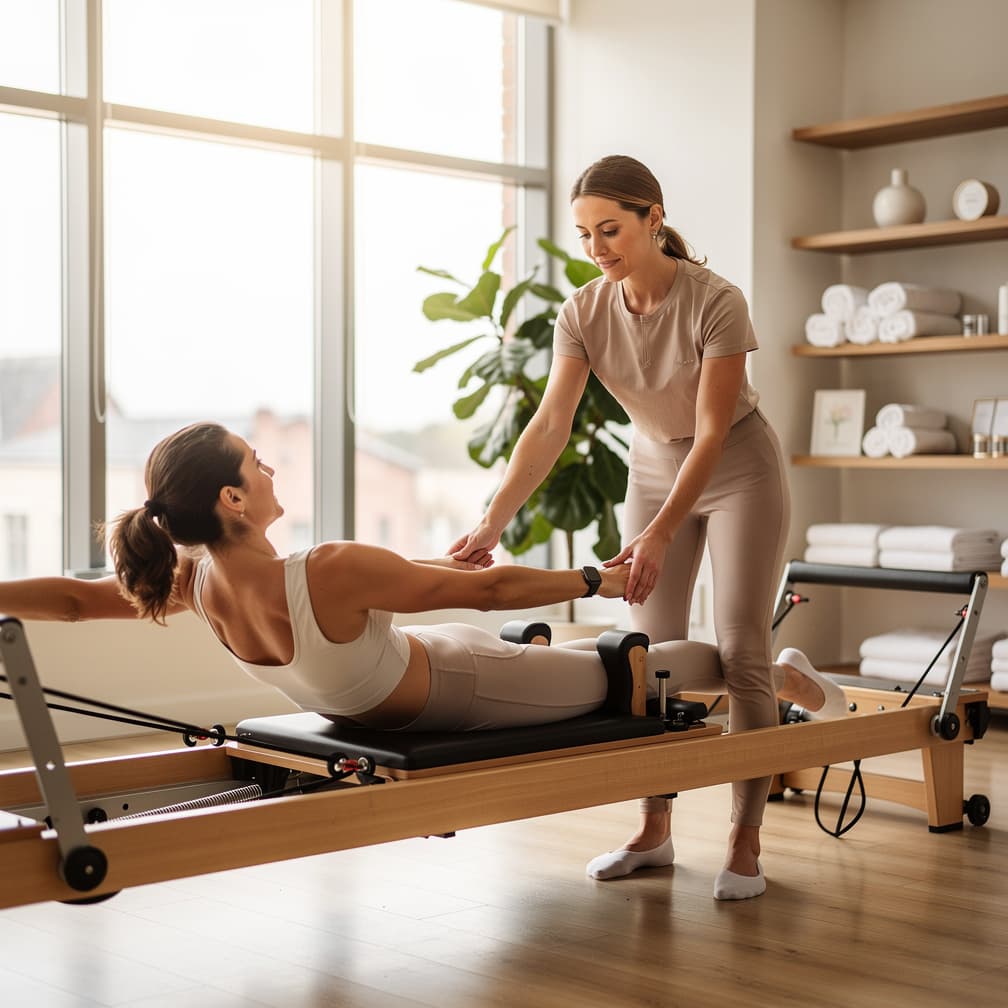

King County has about 70,500 businesses, so the certificate rules you meet were written for a whole building, not for a room with reformers in it. Standard lease wording asks for named limits and additional insured status, and nobody edits it because you teach classes instead of selling coffee. Pilates studio insurance in Seattle has to fit that form and still fit the real exposure: a fall during changeover, a shoulder blamed on a cue, mirrors and a sprung floor you paid to install. Owners get this backwards when they buy to the clause and stop there. The clause is a floor, and the limits behind it are the actual decision. The rest of the page walks the lines, the ranges, and the drivers, so you can compare quotes on the same footing.
What Makes Seattle Different
Certificates expire, and the calendar in a landlord's office does not care why yours did. A missed renewal payment can pull the certificate out of compliance and put a hold on the door you teach behind. In a large building that hold is automatic, because the tracking system flags an expiry date without asking anyone. Class packs are already sold, instructors are already scheduled, and none of that pauses politely. Put your own reminder in ahead of the expiry, and start the renewal quote before the certificate request lands. Ask how a replacement certificate gets issued after a change, without expecting a promise about turnaround. Ask what happens to the additional insured endorsement if you switch carriers mid-lease in Washington. A studio in Seattle that plans the lapse out of existence never has to explain one.
Local Risk Factors in Seattle
Wildfire smoke closes a studio the fire never reaches. Air quality drops, a room full of people breathing hard is the wrong place to be, and the schedule empties for a week or longer. Smoke also settles into upholstery, straps, and the sound system, and cleaning that is a real bill even where nothing burned. Commercial property may respond to smoke damage to contents you own, subject to the limit and the deductible, and it typically has nothing to offer for classes nobody attended. Ask a carrier in Washington how a smoke claim gets measured on a Seattle studio, because the answer decides whether you clean the room on your own money.
What Coverage Does a Pilates Studio in Seattle Need?
General Liability
A student crossing the floor to a reformer slips and lands hard: that third-party injury is the claim General Liability is meant for. It can also help with damage you do to the space you rent, and with the legal defense that follows a suit. What it typically leaves alone is any argument about your instruction itself.
Example: A client hurries toward the changing room, catches a mat edge near the water station, and breaks a wrist; the medical bills and the suit behind them are what this line is meant to answer.
Professional Liability
Instruction is the product, and Professional Liability is the line written for claims about it: a cue, a hands-on correction, a spring setting, a program built for someone returning from injury. It generally responds to allegations that your teaching caused harm, subject to the terms, and it usually has nothing to say about a wet floor.
Example: A client back from physical therapy follows the progression you built and blames the added load for a re-injury weeks later; defending that argument is where this coverage typically earns its place.
Commercial Property
Flood is excluded on the standard form, and wear on springs and straps counts as maintenance, so start from what Commercial Property is not. What it is: reformers, towers, mirrors, the sound system, retail stock, and the buildout you paid for, against causes like fire, theft, storm damage, and vandalism, subject to your limit and deductible.
Example: Fire in the unit next door pushes smoke through a studio in Seattle, and every strap, mat, and cushion has to go; a property claim is generally how the room gets refitted.
Business Owners Policy
Two forms in one envelope. A Business Owners Policy bundles the property side and the liability side, which suits a single-room studio with a landlord to satisfy and apparatus to insure. It often prices below the parts bought separately, and it commonly leaves instruction claims outside, so read the exclusions before treating it as the whole answer.
Example: A pipe lets go over a weekend and a student falls the week after in Seattle; one form, one deductible schedule, and one carrier fielding both calls is the practical draw, subject to the limits inside it.
How Much Does Pilates Studio Insurance Cost in Seattle?
Pilates Studio Insurance is a bundle of separate policies, priced separately. The ranges below are typical figures for Seattle for each line; a quote prices each one against your own operations.
| Coverage | Typical range | What moves your price |
|---|---|---|
| General Liability Insurance | $50 - $160 per month | Industry and risk classification, annual revenue, number of employees |
| Professional Liability Insurance | $40 - $150 per month | The services you actually perform, annual revenue or billed fees, limit and retention selected |
| Commercial Property Insurance | $75 - $240 per month | Building value and construction type, roof age and condition, fire protection class |
| Business Owners Policy Insurance | $100 - $290 per month | Annual revenue and industry class, building and contents values, square footage and building age |
Prices shown are general estimates, not guaranteed rates or quotes. Your actual premium will depend on the insurer, coverage selected, business details, location, claims history, and other underwriting factors. Learn about our pricing methodology.
What Are the Insurance Requirements for a Pilates Studio in Seattle?
Workers' comp is generally required once you have your first employee, through the state fund. Washington runs workers' compensation through a state fund: employers buy coverage from the Washington State Department of Labor & Industries (L&I), not from private carriers. Common exemptions include sole proprietors and partners. Confirm current requirements directly with the fund before you hire.
Flood damage is typically excluded from standard policies. Standard commercial property and builders-risk-type policies typically exclude flood damage. Flood exposure varies address by address, so check your premises in FEMA's Flood Map Service Center before deciding; if you sit in a mapped flood zone, a separate policy through the National Flood Insurance Program is the usual starting point.
Where to verify licensing and coverage rules. The Washington Office of the Insurance Commissioner publishes consumer guidance and current insurance requirements for Washington businesses. When a contract or lease demands specific wording, the Washington Office of the Insurance Commissioner's guidance is the authoritative place to check.
Get Your Pilates Studio Quote in Seattle
Compare rates from multiple carriers. Free quotes, no obligation.
Operating in Seattle
- Waivers signed on a tablet are useful only if you can retrieve one three years later. Store them where a claim can reach them, not only inside an app you may stop paying for.
- Nobody walks out with a reformer, but the laptop at the front desk, the retail stock, and the sound system leave easily, and a door broken to reach them in Seattle is a property claim of its own.
- Water is the equipment risk that matters. A leak from the unit above finds the sprung floor, soaks the wood, and rusts springs in places nobody looks at until one fails.
- Teacher training turns your instruction into somebody else's practice, and your name travels into rooms you will never see. Carriers in Washington ask about it, and the answer belongs on the application.
How to Buy: Advice for Seattle Owners
Pull the insurance exhibit out of your lease before you ask anyone for a price. It names the limits, the additional insured wording, and sometimes a property figure for the improvements you installed in your Seattle space. Quote General Liability against that clause rather than against a guess, and quote Commercial Property against a real replacement number for the reformers, the mirrors, and the floor. Walk the room with a list: apparatus, serial numbers, purchase dates, buildout invoices. Requirements vary by state, and the Washington Office of the Insurance Commissioner publishes consumer guidance on commercial policies for small businesses in Washington. Then compare quotes from participating carriers on identical limits and deductibles, because CPK's job here is putting one submission in front of several of them at once and letting you read the differences.
FAQ
Pilates Studio Insurance in Seattle: FAQ
Often yes, by endorsement, and the carrier decides. A venue asking to be named wants your policy to respond if their guest is hurt at your class. The request is routine and it still takes time to process, so ask when you book rather than the week you teach. If a hall in Seattle wants specific wording such as primary and non-contributory, send the exact phrase to the carrier instead of paraphrasing it.
Per occurrence is the ceiling for one incident, such as a single student's fall. The aggregate is the ceiling on everything a policy might pay across one policy year. A studio teaching every hour has many chances at the first number and one slow path to exhausting the second. Leases usually name both, so matching only one fails the clause. Ask where defense costs sit as well, because paying a lawyer inside the limit shrinks what is left.
Ask for one. If a guest teacher's client gets hurt in your room, your name is on the building and your policy is the one standing closest. Request their certificate, ask to be named on it, and file it the way your landlord files yours. Where an instructor is a contractor rather than staff, the classification matters to your own quote, so put the honest answer on the application.
Expect questions on square footage, class schedule and caps, instructor count, whether instruction happens away from the studio, an apparatus list with values, the improvements you installed, and any incidents from the last few years. Have the insurance exhibit from your Seattle lease ready too, since it sets the limits you actually need. A complete file leaves fewer assumptions to price, and assumptions rarely get priced in your favor.
Do not assume it. A policy is written around the addresses you disclosed, and instruction somewhere else can fall outside what the form contemplates. Some carriers extend it, some want the location added first, and some decline. The venue or the parks office may also want a certificate naming them. Ask before you post the class in Seattle, because adding a location beforehand is routine and arguing about it after an injury is not.
Usually you do, even though you cannot take them with you. Building owners generally insure the shell, and tenant improvements land on the tenant's side of the line unless the lease says otherwise. Read the lease, then set a property limit that reflects a real replacement cost for the buildout and the machines in your Seattle room. A limit carried over from opening day is the one that falls short after a fire.
Sources
- 1.U.S. Census Bureau, County Business Patterns (2022), King County(King County has about 70,500 business establishments.)
- 2.Washington Office of the Insurance Commissioner(Washington Office of the Insurance Commissioner publishes consumer guidance for insurance buyers.)
- 3.FEMA / FloodSmart(Flood coverage is typically purchased separately; FEMA administers the National Flood Insurance Program.)


