







































Updated July 16, 2026

Commercial Truck Insurance in Seattle
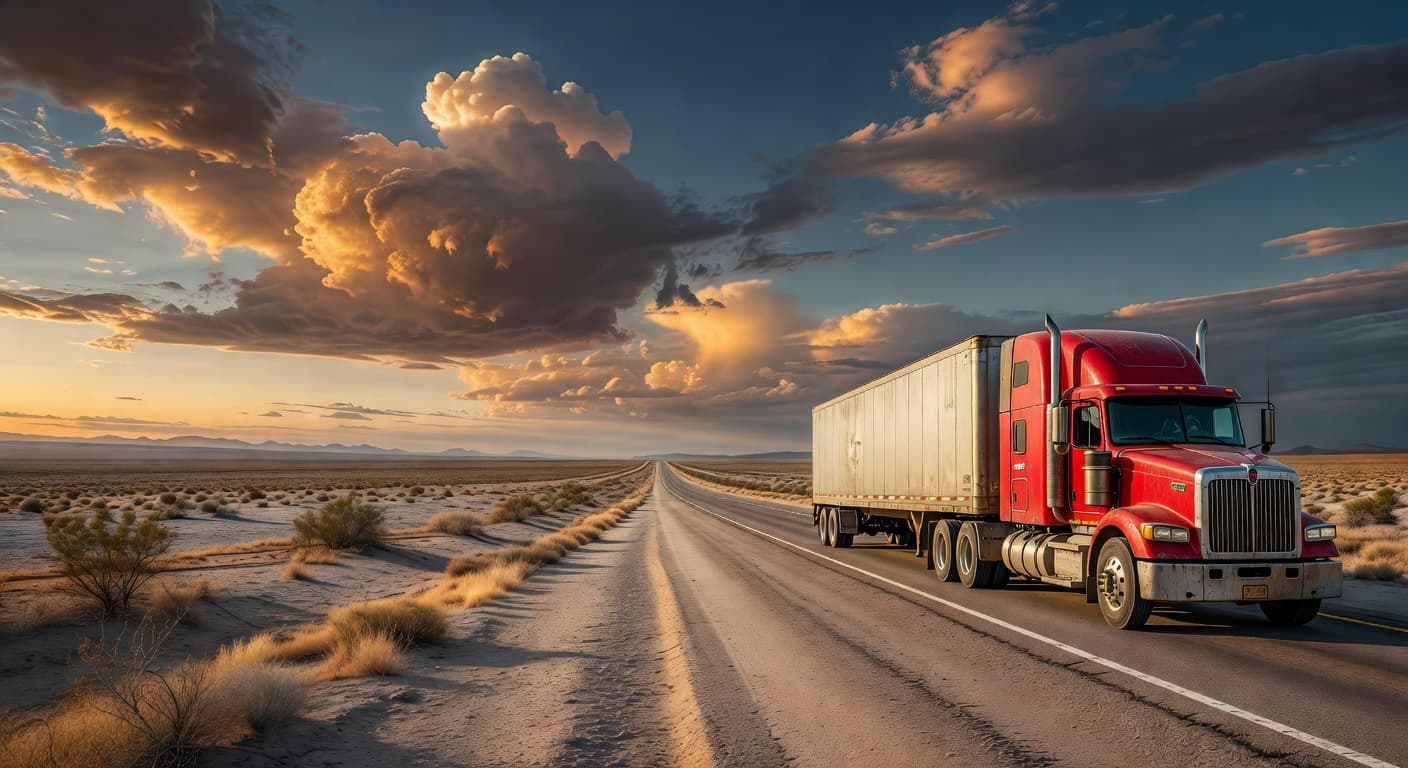
A lot of truck operations here start in tight industrial yards or leased flex space, then spend the day threading between downtown loading zones, neighborhood deliveries, and regional pickups that may change by the hour. That operating pattern is why your policy should be reviewed around where each unit is garaged, who has the keys, and how often drivers back into alleys or docks. Seattle buyers also tend to work for customers who expect fast scheduling, clean certificates, and clear vendor paperwork before a truck rolls onto a site. The median household income here is $121,984, which means a single late delivery or damaged storefront can cost you a relationship worth thousands in annual revenue. A small backing scrape can cost you a contract if your limits, deductibles, and downtime plan are thin. Before you request quotes, pull together the basics your agent will need, including your unit list, driver roster, garaging addresses, radius, and any trailer or equipment details, so the policy matches how the trucks actually operate.
Commercial Truck Insurance Risk Factors in Seattle
Seattle's top risk factors include Earthquake damage, Liquefaction risk, Landslide, and Infrastructure failure.
Washington has a moderate climate risk rating. Top hazards: Earthquake (Very High), Wildfire (High), Volcanic Activity (High), Flooding (Moderate). The state's expected annual loss from natural hazards is $1.8B, which influences commercial truck insurance premiums and may affect coverage availability in high-risk areas.
What Commercial Truck Insurance Covers
Washington trucking policies are typically built around motor carrier liability, physical damage, cargo coverage, trailer interchange, bobtail coverage, and non-trucking liability insurance, with the exact mix depending on whether you are a long-haul carrier, a regional delivery operation, or an owner-operator. The state does not replace federal trucking requirements, so many buyers still look at FMCSA liability expectations first, then layer Washington-specific carrier pricing and filing needs on top. For freight operations, motor carrier liability coverage can help cover accidents involving your truck while it is in service. Physical damage protection can help with repair or replacement after a collision, and that matters in Washington because average claim costs and theft exposure can push repair decisions quickly. Cargo coverage is usually a separate section and is important if you move goods through ports, warehouses, or cross-state lanes where theft or transit damage can interrupt a load. Trailer interchange coverage is relevant if you handle non-owned trailers under agreement, while bobtail coverage and non-trucking liability insurance are designed for off-dispatch driving situations. Underwriters also weigh how your routes, vehicle class, and daily usage interact with local crash and theft data.
Coverage Included

Motor Carrier Liability
Can help cover injuries and property damage your truck causes to others, a coverage federal regulators require most for-hire carriers to maintain.

Physical Damage
Can help pay to repair or replace your own truck after an accident, fire, theft, or vandalism.
Cargo Coverage
May pay for damage to or theft of the freight you are hauling while it is in your care.
Trailer Interchange
Can help cover damage to trailers you haul under an interchange agreement but do not own.

Bobtail Coverage
May provide liability protection when you drive your tractor without a trailer attached, such as after dropping off a load.

Non-Trucking Liability
Can help cover accidents that happen when you use your truck for personal errands rather than dispatched work.
Commercial Truck Insurance Cost in Seattle
Average Cost in Washington
$420 - $1,125
per month
Businesses in Washington typically see commercial truck insurance premiums of $420 - $1,125 per month, which tends to run 1% above the national range of $400 - $1,125 per month.
- Radius of operation
- Commodities hauled and cargo value
- Number and value of power units
- Driver motor vehicle records and CDL experience
- DOT safety record, inspections, and FMCSA scores
- Liability limits and physical damage deductibles
Contact CPK Insurance for a personalized quote.
Prices shown are general estimates, not guaranteed rates or quotes. Your actual premium will depend on the insurer, coverage selected, business details, location, claims history, and other underwriting factors. Learn about our pricing methodology.
Commercial truck insurance in Washington typically costs about $420 to $1,125 per truck per month, though actual pricing varies widely based on the operation. Several local factors shape your pricing, including coverage limits and deductibles, claims history, location, industry or risk profile, and policy endorsements. In practical terms, a truck operating around Seattle, Tacoma, Spokane, or the I-5 corridor may see different pricing than a vehicle used in lower-traffic rural lanes. Washington's 2023 crash data also matters to underwriters, especially the high share of drowsy driving, following too closely, lane departure, and failure to yield among reported causes. Theft exposure is another local pricing factor, since vehicle theft is trending upward in the state. If your operation hauls higher-value freight, uses specialized equipment, or needs cargo coverage and trailer interchange, those endorsements can move the quote upward. Because 460 insurers compete in the state, your quote can vary widely by carrier appetite, truck class, and the way your policy is structured.
Industries & Insurance Needs in Seattle
King County demand is the local difference. The county has 70,530 business establishments, and its leading sectors by establishment share are professional, scientific, and technical services at 15.6%, health care and social assistance at 12.1%, and construction at 9.6%. That mix matters because it creates a steady stream of service calls, jobsite deliveries, equipment moves, medical-related transport, and time-sensitive vendor work rather than one simple freight pattern. If your trucks serve offices, clinics, labs, or active construction sites, ask for a quote built around stop frequency, parking conditions, hired or non-owned auto exposure, and whether tools, mobile equipment, or customer property travel with the vehicle. A policy built for long-haul freight can miss the way local fleets actually pick up liability here.
What Makes Seattle Different
In this market, many truck losses are less about open-road mileage and more about repeated low-speed exposure like curbside parking, alley access, loading docks behind mixed-use buildings, and tight turns near job sites. The right review goes beyond truck type. It is about who parks where overnight, whether employees take units home, how often trailers are left unattached, and whether your schedule pushes drivers into the busiest delivery windows. If your operation serves commercial clients with strict site rules or contract language, review liability limits and any additional insured needs before a new account starts.
Our Recommendation for Seattle
Separate units that stay on predictable service routes from trucks that rotate between contractor supply runs, equipment hauling, and customer deliveries, because those uses can change both underwriting questions and the coverages worth reviewing. If you lease yard space or share a warehouse lot, confirm the exact garaging address for each vehicle and disclose who controls access after hours. If drivers regularly enter customer premises, ask your agent to review liability limits against the contracts you sign, not just the minimum you could carry. When you list every trailer, mounted tool, and specialized attachment you expect to insure before quoting, you reduce the chance of claim friction over missing equipment details later. If a city-specific rule or filing question comes up, the Washington Office of the Insurance Commissioner is the regulator. Pull your loss runs and driver information together with VINs and route details, then compare quotes built on the same operating assumptions.
Get Commercial Truck Insurance in Seattle
Enter your ZIP code to compare commercial truck insurance rates from carriers in Seattle, WA.
Business insurance starting at $25/mo
FAQ
Frequently Asked Questions
Describe how the truck actually spends its day, including the stops it makes and the sites it enters. If it serves jobsites, docks, or local delivery stops, sharing those details up front can help the quote reflect real exposure rather than a generic profile.
Seattle contractor fleets often need a closer review of stop frequency, backing exposure, trailer use, and tools or equipment carried on the vehicle. If your truck shifts between supply runs and active jobsites, flag that mixed use early so your agent can evaluate whether your limits and deductibles fit both types of work.
King County has 70,530 business establishments, which means your drivers are navigating past more pedestrians, parked cars, and tight entry points on almost every stop. More clients per square mile means more short trips, more site access issues, and more certificate requests to plan for during quoting.
Seattle customers often expect fast scheduling and careful property access, and the city's median household income is $121,984. Clients paying premium rates notice every scratch and delay, so a single backing incident at a high-end retailer can cost you a contract worth far more than the repair itself. That is why deductibles, downtime planning, and liability limits deserve a fresh look before renewing.
In Washington, a policy can be built around motor carrier liability, physical damage, cargo coverage, trailer interchange, bobtail coverage, and non-trucking liability insurance. The right mix depends on whether you run long-haul freight, regional delivery, or local hauling around places like Seattle, Tacoma, Spokane, Olympia, or Vancouver.
Washington businesses should follow the state's commercial auto minimums of $25,000/$50,000/$10,000 and also check federal trucking requirements when the operation involves freight hauling. The needed limit can vary by industry, cargo, and shipper or broker contract.
The average cost is about $420 to $1,125 per truck per month. Your actual price depends on limits, deductibles, claims history, location, risk profile, and endorsements.
Many Washington trucking businesses start with motor carrier liability coverage, then add cargo coverage if they haul freight and physical damage protection if they want repair or replacement protection. If you use trailers or operate off-dispatch, trailer interchange, bobtail coverage, or non-trucking liability insurance may also matter.
Sources
- 1.U.S. Census Bureau, ACS 5-Year Estimates, table B19013(With a median household income of $121,984, customers often place a premium on speed, professionalism, and property condition.)
- 2.U.S. Census Bureau, County Business Patterns, King County(The county has 70,530 business establishments, and its leading sectors by establishment share are professional, scientific, and technical services at 15.6%, health care and social assistance at 12.1%, and construction at 9.6%.)
- 3.Washington Office of the Insurance Commissioner(If a city-specific rule or filing question comes up, the Washington Office of the Insurance Commissioner is the regulator.)
Updated July 16, 2026





