







































Updated July 16, 2026

Inland Marine Insurance in Seattle
Property managers, lenders, venues, and general contractors often ask for proof that mobile equipment, installation materials, or client property is insured before they release a dock, approve a build-out, or let your crew start work. For many firms, inland marine insurance in Seattle is what helps satisfy that request when property leaves your main address and moves between offices, job sites, event spaces, or temporary storage. That matters here because local work often involves high-value laptops, diagnostic devices, cameras, leased equipment, or contractor tools moving through dense commercial buildings, elevators, loading areas, and shared access rules. If your certificate only shows general liability, the other party may still want confirmation that the property itself is scheduled or otherwise covered while in transit or at a temporary location. Seattle households also have a median income of $121,984, which means a single damaged laptop or piece of fine art can cost more to replace than many owners expect. Before you request a quote, list what travels, who owns it, where it is left during the day, and whether contracts require blanket coverage, scheduled items, or installation floater language.
Inland Marine Insurance Risk Factors in Seattle
Seattle's top risk factors include Earthquake damage, Liquefaction risk, Landslide, and Infrastructure failure.
Washington has a moderate climate risk rating. Top hazards: Earthquake (Very High), Wildfire (High), Volcanic Activity (High), Flooding (Moderate). The state's expected annual loss from natural hazards is $1.8B, which influences inland marine insurance premiums and may affect coverage availability in high-risk areas.
What Inland Marine Insurance Covers
In Washington, inland marine insurance is designed for business property that is mobile, installed away from your premises, or temporarily stored at job locations rather than only at a fixed office or warehouse. That includes tools, equipment, building materials, electronics, artwork, and other goods while they are being transported, used on site, or held in temporary storage. For Washington businesses, the practical value is that the coverage can follow property from a Seattle work site to a Spokane delivery point, or from an Olympia staging area to a customer location, instead of stopping at the door of your main building. The state does not impose a one-size-fits-all mandate, so requirements vary by industry, contract, and the property being insured. Because coverage is policy-specific, endorsements can change how installation floater coverage or builders risk coverage responds to materials waiting to be incorporated into a project.
Washington's regulatory environment also means you should review the policy forms and endorsements carefully with a carrier or agent licensed in the state. The Office of the Insurance Commissioner oversees the market, and businesses should compare terms because carriers may define off-premises storage, transit, and job-site exposure differently. This coverage is typically used to fill the gap left by commercial property policies that only protect items at a fixed location. That distinction is especially important for contractors working in temporary storage yards, project trailers, or multi-site operations across the state's urban corridors and rural routes.
Coverage Included
Tools & Equipment
Can help repair or replace hand tools, power tools, and gear that are stolen or damaged on the job or in transit.

Goods in Transit
May cover products, materials, and merchandise while they are being shipped or hauled between locations in your care.
Contractors Equipment
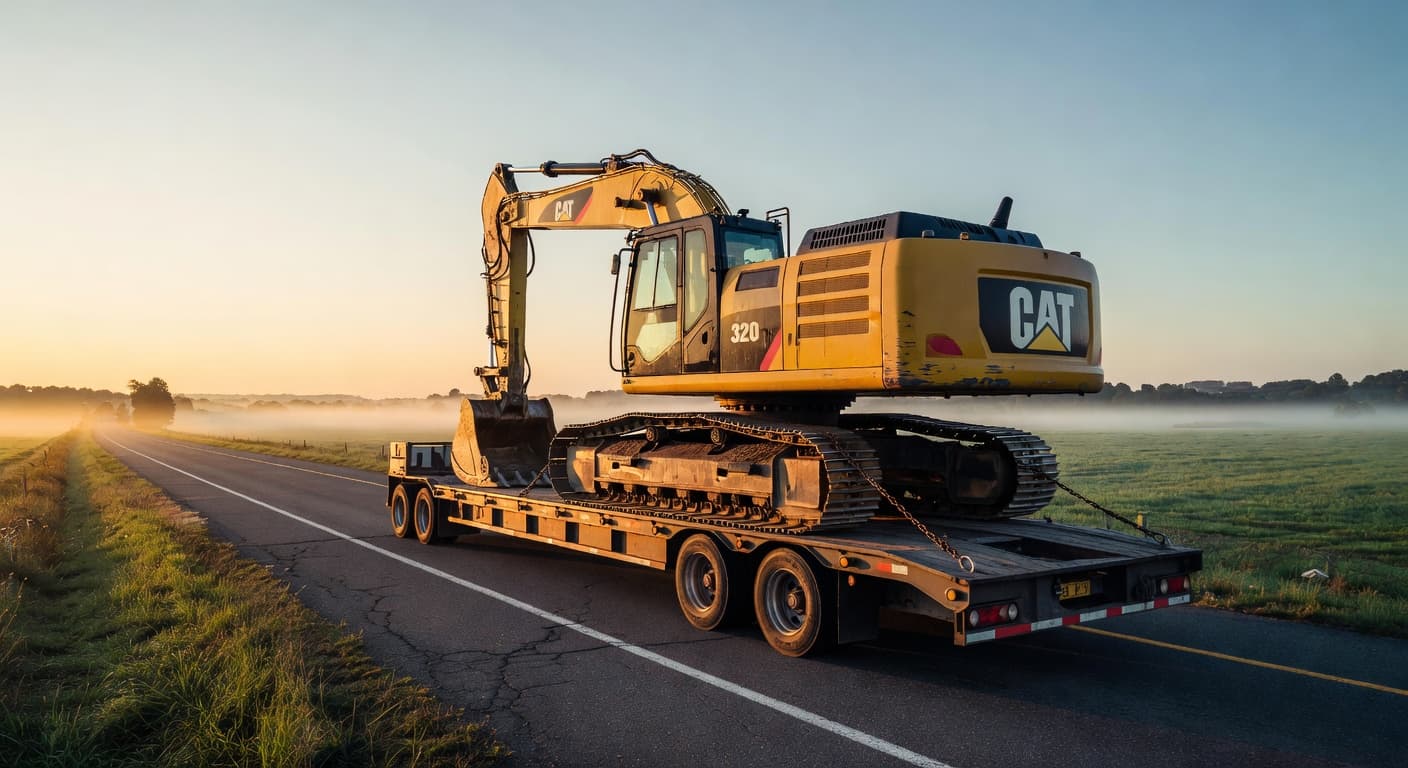
Typically covers heavy machinery like excavators, loaders, and generators against theft or damage at job sites and between them.

Installation Floater
Can help cover materials and fixtures from the moment you buy them until they are installed and accepted at a project.
Builders Risk
May cover a structure under construction, along with materials on site, against damage from fire, wind, theft, and vandalism.
Inland Marine Insurance Cost in Seattle
Average Cost in Washington
$25 - $100
per month
Businesses in Washington typically see inland marine insurance premiums of $25 - $100 per month, which tends to run 4% above the national range of $20 - $100 per month.
- Total insured value of the scheduled property
- Type and age of the equipment
- Where it is stored and how far it travels
- Jobsite security and theft prevention
- Per-item limits and deductibles
- Prior theft and in-transit losses
Contact CPK Insurance for a personalized quote.
Prices shown are general estimates, not guaranteed rates or quotes. Your actual premium will depend on the insurer, coverage selected, business details, location, claims history, and other underwriting factors. Learn about our pricing methodology.
For Washington businesses, the average monthly premium range is about $25 to $100, while broader small-business figures show a typical range of $20 to $100 per month. That spread reflects how much your property moves, how valuable it is, and how much risk the carrier sees in the way you operate. Washington's premium index is 112, which means insurance pricing in the state runs above the national average. Practically, that means you may pay more than a comparable business in another state, so it is worth comparing carriers and tightening your risk profile before you buy.
Several Washington-specific conditions can influence pricing. The state has 460 active insurers, so rates and appetite vary, and carriers may price differently for businesses in the Seattle metro area, inland cities, or job sites exposed to weather disruptions. Washington also faces a mix of natural hazards that carriers take seriously, from earthquake and wildfire risk to volcanic activity and flooding. Those conditions can shape how a carrier evaluates your storage locations, transit routes, and temporary staging areas. Washington also has a property crime rate of 3,420 per 100,000 residents, which is above the national average. That matters for your tools and equipment when property is left in trucks, trailers, or unsecured staging areas, and it can translate into higher premiums or stricter storage requirements.
Your final premium will usually depend on coverage limits, deductibles, claims history, location, industry or risk profile, and policy endorsements. A contractor moving expensive tools between job sites may see different pricing than a small business shipping light goods only a few times a month. If you want a precise quote, the carrier will usually want details about what you move, where it goes, and how often it is offsite.
Industries & Insurance Needs in Seattle
King County's business mix is the local clue. The county has 70,530 business establishments, and the largest establishment shares are professional, scientific, and technical services at 15.6%, health care and social assistance at 12.1%, and construction at 9.6%, so a large share of local buyers are not hauling freight, they are moving specialized property that is portable, valuable, and easy to overlook on a standard property policy. That changes what you should ask for. A design firm may need laptops, cameras, and presentation gear reviewed away from the office. A health provider may need mobile diagnostic equipment or devices addressed between locations. A contractor may need tools, small equipment, and materials waiting to be installed covered at a job site. If your operation fits one of those patterns, ask the agent to separate owned equipment, borrowed equipment, customer property, and installation exposures instead of treating everything as one generic equipment schedule.
What Makes Seattle Different
In many markets, inland marine is mainly an internal risk decision. Here, it is often also a contract and access issue because building operators, project owners, and counterparties want evidence that mobile property is insured before they hand over keys, loading instructions, or site access. That pushes the buying decision beyond whether you have tools on the move and into whether you can show the right property category, limit, and location basis fast enough to keep work moving. If your business serves higher-income households, commercial tenants, clinics, or technical offices, the property you carry or temporarily hold can be expensive enough that a vague certificate creates friction. Check how your forms describe property in transit, at temporary locations, installation materials, and customer property in your care. Then match those descriptions to the way local contracts and COI requests are actually written, so you are not renegotiating insurance language the morning work is supposed to start.
Our Recommendation for Seattle
Start with an inventory that reflects movement, not just ownership. Rather than a mechanical checklist, think through the full arc of your workday: the tools and equipment you own, the materials you install, any rented or borrowed items, and customer property you pick up, test, repair, or transport. For each category, note where items actually sit during the workday, since a parking garage, loading dock, upper-floor tenant space, temporary storage room, and active job site each create different exposures. If you work in offices, clinics, or occupied residential buildings, ask whether sublimits or exclusions could affect electronics, medical devices, fine instruments, or property left unattended. When contracts ask for proof of coverage, send the actual insurance requirements before binding so the policy language can be checked against them. Mention any leased equipment and any property that regularly travels with employees rather than in a company vehicle. If a certificate request becomes a sticking point, ask what wording the other party expects to see for installation floater, contractor's equipment, or customer property. Compare that against the quote before you agree to start work.
Get Inland Marine Insurance in Seattle
Enter your ZIP code to compare inland marine insurance rates from carriers in Seattle, WA.
Business insurance starting at $25/mo
FAQ
Frequently Asked Questions
Seattle property managers, lenders, venues, and contractors are common requesters when your equipment, materials, or client property moves offsite. If access depends on a certificate, check whether the quote actually addresses transit, temporary locations, or installation exposures.
If your team carries high-value portable gear between offices, client locations, and events, this is typically where inland marine earns its keep. With local median household income at $121,984, your clients are more likely to own premium devices, which means a single replacement could match or exceed what your general property deductible would require you to absorb out of pocket.
Construction represents 9.6% of King County establishments, so roughly one in ten local businesses is dealing with staged tools, small equipment, and materials at job sites before installation. Property sitting in a truck bed or an unfinished building overnight faces theft and weather exposure that a standard property form may not pick up.
Professional, scientific, and technical services make up 15.6% of county establishments, meaning this sector touches a large share of the commercial leases and client engagements in the area. Many of those firms carry portable electronics and specialized gear worth more than their office contents, so if that property leaves the office regularly, ask whether your quote extends coverage away from the premises.
Seattle-area providers should ask how a quote treats mobile devices, diagnostic equipment, and property moved between locations. Health care and social assistance represent 12.1% of King County establishments, and when a single portable ultrasound or diagnostic unit can run well into five figures, losing one to theft or damage may be enough to delay patient appointments or force a costly short-term rental.
In Washington, inland marine insurance may cover tools, equipment, building materials, electronics, and other movable business property while it is being transported, used at a job site, or stored temporarily offsite, depending on the policy form and endorsements.
It is designed to follow covered property away from your fixed business address, which matters if you stage materials in Tacoma, keep tools in a Seattle trailer, or store equipment temporarily near an Olympia project. You should confirm how the policy defines temporary storage and off-premises use.
Contractors, installers, service businesses, manufacturers, and businesses that regularly move valuable property between Washington locations are common buyers. It is especially useful if your property is in trucks, trailers, staging areas, or customer sites.
Sources
- 1.U.S. Census Bureau, ACS 5-Year Estimates, table B19013(Seattle households also have a median income of $121,984, so businesses that enter homes or handle customer property should review limits carefully before taking possession of expensive items that would be costly to replace.)
- 2.U.S. Census Bureau, County Business Patterns, King County(The county has 70,530 business establishments, and the largest establishment shares are professional, scientific, and technical services at 15.6%, health care and social assistance at 12.1%, and construction at 9.6%, so a large share of local buyers are not hauling freight, they are moving specialized property that is portable, valuable, and easy to overlook on a standard property policy.)
Updated July 16, 2026





