







































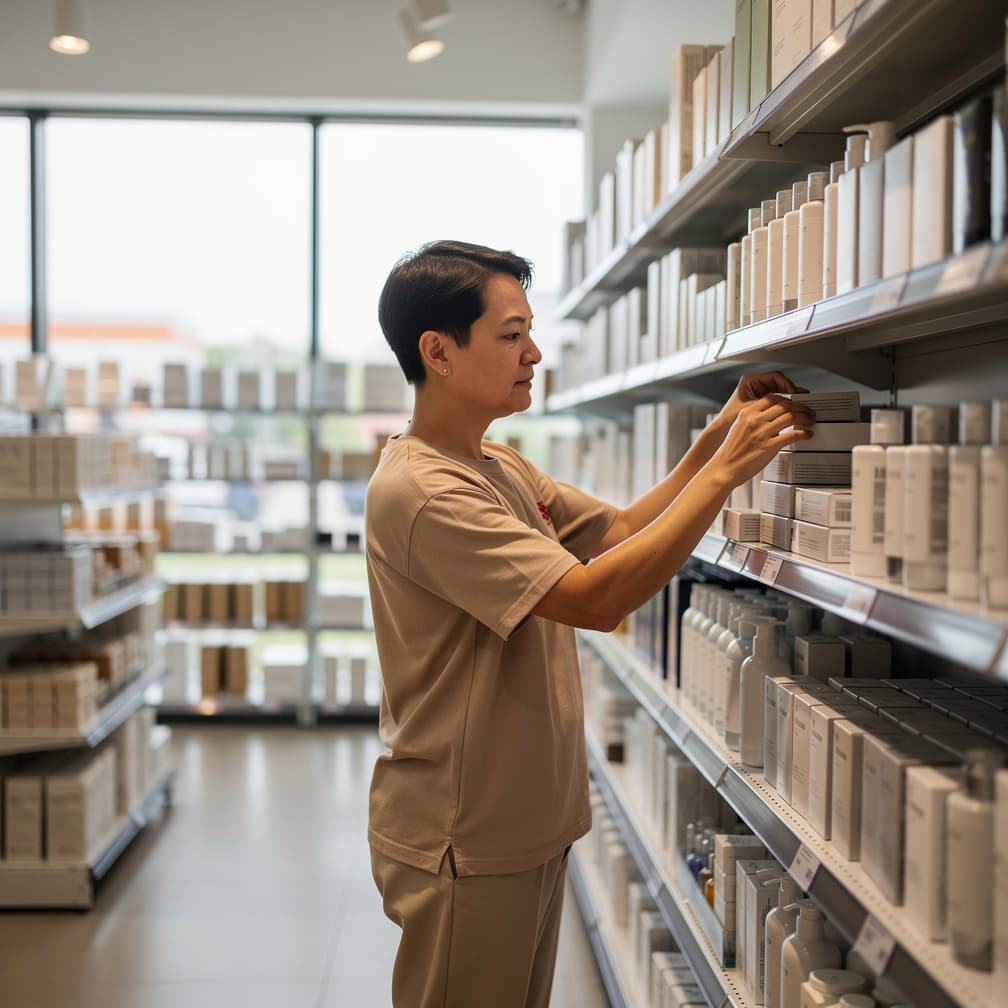

As a retail store in Spokane, you sign more insurance requirements than you will ever write. The lease carries one, a merchant agreement may carry another, and a market or mall operator can add a third on top. Each names limits and wording, and none of them care that the others exist. Retail store insurance in Spokane has to satisfy the strictest of the three, which is why collecting the documents first saves more than any premium comparison will. Pull every agreement you have signed and mark the insurance clause in each one. Then buy once, to the highest bar in the pile, instead of buying three times to three different bars and still falling short somewhere.
What Makes Spokane Different
Lenders attach insurance conditions to equipment financing and build-out loans, and those conditions outlive the excitement of opening week. A loss payee clause tells a carrier where the money goes when the fixtures you financed burn or flood. Franchise agreements do something similar, naming the franchisor and setting limits that have nothing to do with your own risk appetite. If a bank behind your Spokane build-out wants evidence of coverage every year, that request keeps arriving whether you remember it or not. Missing it can put a loan technically in default even when every single payment has cleared on time. Keep one folder listing every party who must be named on your Spokane policy and what each of them requires. Update it when a lease renews, a loan closes, or a supplier changes its terms. The folder costs an hour and settles arguments for years.
Local Risk Factors in Spokane
An evacuation order closes the doors whether or not anything burns, and the register stays dark for as long as the order holds. Civil authority wording is where that scenario lives, and it commonly carries a waiting period, a time limit, and a requirement that damage occurred somewhere nearby. Read it slowly. Air quality on its own closing a Spokane store is a harder case than owners expect, because no physical damage may have occurred at your address at all. Ask a participating carrier in Washington how the wording handles smoke that reaches your stock without touching the building. Then ask what proof of lost sales the file will want.
What Coverage Does a Retail Store in Spokane Need?
General Liability
Landlords, lenders, and franchisors ask for this line by name, and the limit written into your lease is usually the limit you end up buying. It generally contemplates third-party injury and property damage tied to your premises: the shopper who goes down in an aisle, the door that swings into someone, the sign that lands on a stranger. Injuries to your own staff sit elsewhere, and your stock is not what it addresses.
Example: A shopper steps off a rain-slick mat, catches the corner of a display case on the way down, and leaves with a broken wrist and a lawyer. General Liability may respond to the medical bills and the defense, subject to your limit.
Commercial Property
Flood sits outside it, wear and tear sits outside it, and unexplained inventory shortage usually does too. What sits inside is the physical side of the store: stock, shelving, counters, the register system, and tenant improvements you paid for, against causes such as fire, smoke, wind, forced entry, and water from a failed pipe. Valuation wording decides what damaged stock is worth.
Example: Smoke from a fire two units down settles into every open box on the shelves overnight. Commercial Property might answer for the ruined inventory, though the valuation clause decides whether it settles at cost or at retail.
Workers Compensation
Where General Liability stops at the customer, this line starts with your staff: the stocker who comes off a ladder, the cashier whose back goes out lifting a case, the closer hurt during a break-in. It is rated on payroll rather than sold at a flat monthly price, and the rules on who must be covered vary by state. Medical treatment and part of lost wages are what it typically addresses.
Example: A part-time stocker reaches for a top-shelf box, the ladder shifts, and a shoulder tears. Workers Compensation is generally intended to take on the treatment and a portion of the lost wages while somebody else works the shift.
Business Owners Policy
One document, one renewal date, and both halves of a storefront's exposure: liability for the shopper on your floor, plus property terms for the stock, fixtures, and tenant improvements behind it. Interruption terms are often folded in. Eligibility can depend on class, size, and the building itself, and Workers Compensation always sits outside the package.
Example: A failed line closes a Spokane store for eleven days while shelving dries out and stock gets replaced. A Business Owners Policy can help cover the property loss and, where interruption terms apply, some of the income that never arrived.
How Much Does Retail Store Insurance Cost in Spokane?
Retail Store Insurance is a bundle of separate policies, priced separately. The ranges below are typical figures for Spokane for each line, except workers compensation, which is set by the state fund; a quote prices each one against your own operations.
| Coverage | Typical range | What moves your price |
|---|---|---|
| General Liability Insurance | $40 - $110 per month | Industry and risk classification, annual revenue, number of employees |
| Commercial Property Insurance | $70 - $230 per month | Building value and construction type, roof age and condition, fire protection class |
| Workers Compensation Insurance | Set by the state fund | Employee classification codes, total annual payroll, experience modification rate |
| Business Owners Policy Insurance | $75 - $220 per month | Annual revenue and industry class, building and contents values, square footage and building age |
Prices shown are general estimates, not guaranteed rates or quotes. Your actual premium will depend on the insurer, coverage selected, business details, location, claims history, and other underwriting factors. Learn about our pricing methodology.
What Are the Insurance Requirements for a Retail Store in Spokane?
Workers' comp is generally required once you have your first employee, through the state fund. Washington runs workers' compensation through a state fund: employers buy coverage from the Washington State Department of Labor & Industries (L&I), not from private carriers. Common exemptions include sole proprietors and partners. Confirm current requirements directly with the fund before you hire.
Flood damage is typically excluded from standard policies. Standard commercial property and builders-risk-type policies typically exclude flood damage. Flood exposure varies address by address, so check your premises in FEMA's Flood Map Service Center before deciding; if you sit in a mapped flood zone, a separate policy through the National Flood Insurance Program is the usual starting point.
Where to verify licensing and coverage rules. The Washington Office of the Insurance Commissioner publishes consumer guidance and current insurance requirements for Washington businesses. When a contract or lease demands specific wording, the Washington Office of the Insurance Commissioner's guidance is the authoritative place to check.
Get Your Retail Store Quote in Spokane
Compare rates from multiple carriers. Free quotes, no obligation.
Operating in Spokane
- Smoke reaches packaging and fabric long before flames reach anything, so a fire three doors down can write off stock that never got hot and never got wet.
- Every sale you cannot ring during a closure is gone rather than delayed, because a shopper who drives past a dark window in Spokane buys the same thing somewhere else that hour.
- The employee who climbs a ladder to reach back stock is a payroll figure to an underwriter and an injury claim to you, and both of those follow the hours you scheduled.
- Signage on a Spokane storefront lives outside where the weather reaches it, and exterior items often sit under a sub-limit nobody notices until a gust takes the sign down.
How to Buy: Advice for Spokane Owners
Price the store you actually run rather than the store on the sign. An owner selling fragile goods through a busy entrance with stock stacked high carries a different profile from a quiet shop with three shelves and a bell on the door. Say so in the submission. Describe the entryway, the flooring, the mats, the aisle width, and what the floor does when it rains, because that is what a General Liability underwriter is picturing anyway. Describe the stock, the security, and the back room for the Commercial Property side. A vague file gets priced cautiously and you pay for the caution. Once the description is complete, CPK can put it to participating carriers in Washington, and the differences you see will be real ones rather than different guesses about a Spokane floor.
FAQ
Retail Store Insurance in Spokane: FAQ
Wording draws that line in different places. Merchandise carried out by a shopper while you are open and merchandise taken through a smashed rear door overnight can fall under different terms, sub-limits, or deductibles. Employee theft is a third category again and is commonly excluded unless a specific endorsement is bought. Ask which of the three your form contemplates, then ask what proof each one demands.
Probably. Longer hours put more shoppers through the door and more staff on the floor, which touches both the liability and the payroll sides of your program. Payroll gets reconciled at audit regardless, so saying so up front avoids a correction later. Stock does the same on the property side, because a season that triples inventory can outgrow a limit set in a quiet month. Tell a participating carrier serving Spokane before the season, not after it.
Start with whatever the strictest document you have signed demands, since a lease, a lender, or a franchisor can each name its own figure. Above that floor, the question becomes what a serious fall claim would cost to defend and settle, and defense costs alone can eat into a limit. Ask how the per occurrence limit and the aggregate interact across a full term in Washington, because a second claim tests the aggregate.
It might, and the cause decides. Liability terms may respond where your negligence damages property you do not own, subject to exclusions covering property in your care. A failed heater in your stockroom that soaks the shop next door is exactly the scene worth asking about, because shared walls make it ordinary rather than exotic. Raise it before you sign a lease in a shared Spokane building.
Turnaround belongs to the carrier issuing the document, so nobody can promise you a timeframe. What you control is readiness: the exact legal entity name of the party to be listed, the wording the lease requires, and whether an additional insured endorsement has to be in place first. A request carrying a misspelled entity comes back for correction, and that is what delays most certificates.
Pull the lease with its insurance clause, a recent revenue figure, a payroll summary, an inventory total, and any loss runs from earlier policies. Add photographs of the entryway, the aisles, and the stockroom if you have them. Blanks get filled with cautious assumptions, so a complete file tends to price better than a hurried one. CPK puts the same submission to participating carriers, which only works when the facts hold still.
Sources
- 1.Washington Office of the Insurance Commissioner(Washington Office of the Insurance Commissioner publishes consumer guidance for insurance buyers.)
- 2.FEMA / FloodSmart(Flood coverage is typically purchased separately; FEMA administers the National Flood Insurance Program.)


