Updated July 16, 2026

Dealer Open Lot Insurance in Spokane
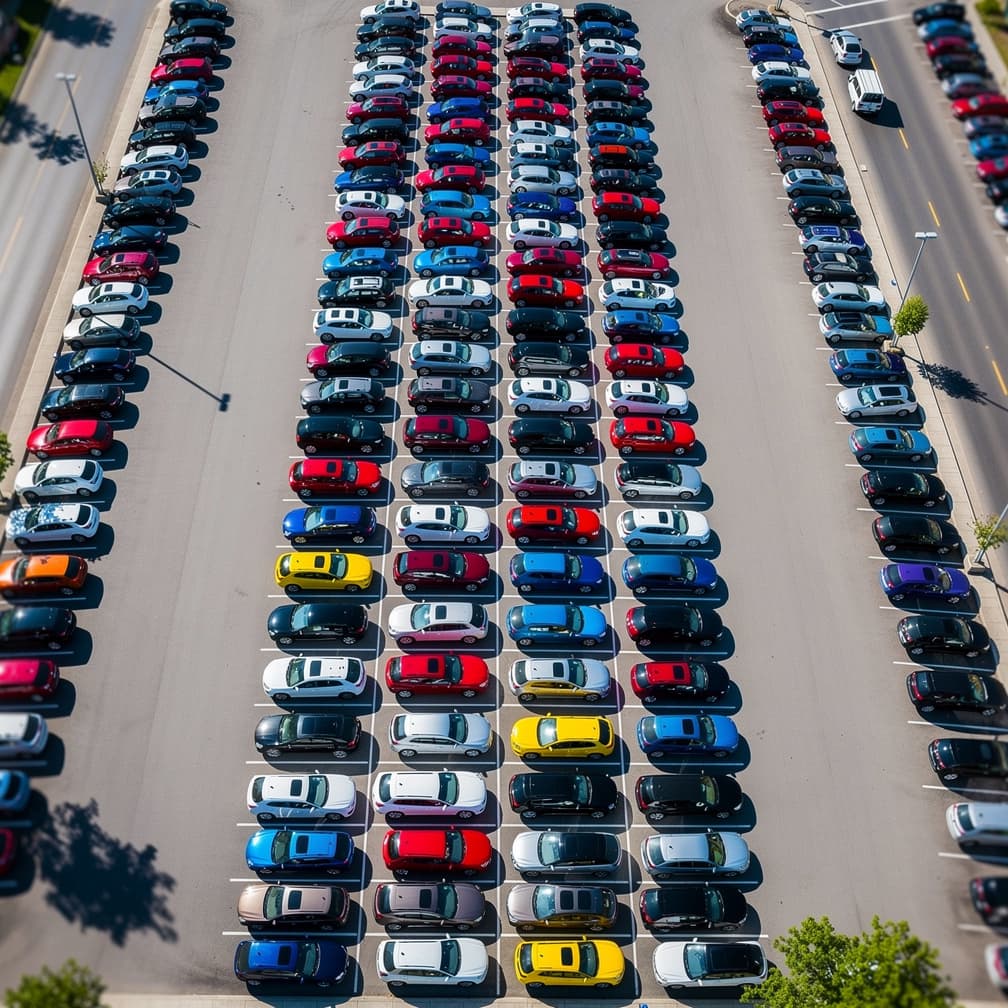
Retail trade accounts for 11.1% of business establishments in Spokane County. That is roughly one in nine local businesses, so a dealer's neighbors are likely other retailers drawing foot traffic past your lot all day. You are not just insuring parked units but reviewing how inventory sits on the lot, how fast it turns, and whether overflow vehicles move between your main display area, back-line storage, and any temporary holding space near other active commercial properties. In a county with 14,280 business establishments, customer traffic, vendor access, and neighboring business activity can all affect how often vehicles are handled, repositioned, or left visible after hours. More activity around your lot generally means more chances for incidental damage, so documenting your layout and storage practices gives underwriters a clearer picture of what they are pricing. If your operation serves local traffic along major commercial corridors, you may want to request terms built around your actual storage pattern, not a generic single-lot assumption.
Dealer Open Lot Insurance Risk Factors in Spokane
Spokane's top risk factors include Earthquake damage, Liquefaction risk, Landslide, and Infrastructure failure.
Washington has a moderate climate risk rating. Top hazards: Earthquake (Very High), Wildfire (High), Volcanic Activity (High), Flooding (Moderate). The state's expected annual loss from natural hazards is $1.8B, which influences dealer open lot insurance premiums and may affect coverage availability in high-risk areas.
What Dealer Open Lot Insurance Covers
If you keep vehicles in low-lying paved areas, near drainage channels, under trees, or in overflow spaces with lighter fencing and lighting, you should review how the policy responds to those specific storage conditions rather than assuming every unit on every lot is treated the same way. The practical question is which vehicles are insured at which location, during what type of movement, and subject to what exclusions or sublimits.
For many dealers, the most important coverage review points are tied to operational handling. That includes units moved between your main lot and overflow storage, vehicles staged for detailing or service, and inventory taken off premises for auction, transport, or customer demonstration. If your operation uses multiple addresses, ask whether each location must be scheduled and how newly acquired units are treated before they are added to your reporting. That matters when inventory turns quickly or when you buy several vehicles at once.
Washington weather and catastrophe exposure also make wording review more important. Ask how the form handles wind-driven debris, falling objects, water damage, and losses that happen while units are temporarily stored away from the primary lot. If your dealership carries higher-value or specialty inventory, confirm whether valuation, accessories, charging equipment, or attached components create any special conditions.
Coverage Included

Weather Damage
Covers hail, wind, flood, and storm damage to lot inventory.

Theft Protection
Covers vehicles stolen from your lot.

Fire Damage
Covers fire and explosion damage to inventory vehicles.

Vandalism
Covers intentional damage to vehicles on your lot.

Test Drive Coverage
Covers vehicles during customer and employee test drives.
Transit Coverage
Covers vehicles being moved between lot locations.
What Makes Spokane Different
Spokane County's business mix includes Construction at 13.3%, Health care and social assistance at 12.6%, and Retail trade at 11.1%. Those three sectors alone account for over a third of local establishments, which means a large share of your customer base needs vehicles for work, commuting, and daily errands rather than weekend specialty shopping. Practical retail demand tends to drive more frequent vehicle staging, test-drive readiness, and short-term repositioning to keep visible inventory aligned with demand. Your application can present a stronger picture when it shows where units sit overnight, which vehicles rotate to the front line most often, and whether overflow inventory is separated from customer-facing rows. If your lot serves value-focused households, the city's median household income of $65,745 suggests many buyers are working with moderate household budgets. That can translate into longer holding periods for aging inventory, so keeping reported values current and removing sold units promptly can help your reported inventory stay aligned with what is actually exposed on the ground.
Our Recommendation for Spokane
Start with a current inventory schedule that separates front-line sale units from overflow, service-loaner stock, and any vehicles parked off the main display area. Frequent lot resets and quick merchandising changes are common when practical retail demand runs high, so a detailed schedule helps underwriters see the real exposure. If you use more than one storage area, map each one clearly and note fencing, lighting, camera placement, and who has access after hours. Underwriters usually respond better when they can see how vehicles move through your operation instead of guessing from a single address. You should also review peak inventory periods, especially if tax refund season, contractor demand, or commuter replacement demand causes temporary concentration. If your dealership targets payment-sensitive buyers, keeping values current and removing sold units promptly can help your reported inventory stay aligned with what is actually exposed on the ground. Before binding, you may want to ask how the policy treats newly acquired units, temporary overflow storage, and losses affecting multiple vehicles in one section of the lot.
Get Dealer Open Lot Insurance in Spokane
Enter your ZIP code to compare dealer open lot insurance rates from carriers in Spokane, WA.
Business insurance starting at $25/mo
FAQ
Frequently Asked Questions
More surrounding activity can mean more vendor traffic, customer movement, and visibility, so list every storage area and explain how units are secured after hours.
Construction, health care, and retail together make up over a third of area establishments. That customer base tends to shop for practical transportation, which can mean more frequent vehicle staging and lot movement than a specialty or seasonal market would see.
Report overflow storage clearly, especially if vehicles move between a display lot and a secondary holding area. A cleaner application shows where units sit overnight, who can access them, and whether values are concentrated in one section.
A median household income of $65,745 suggests many buyers are working with moderate budgets. That can mean carrying older or payment-sensitive inventory longer, so you may want to review reported values often and avoid leaving aging units misclassified or overstated.
If inventory is kept on overflow parcels, satellite lots, or temporary storage sites, ask whether each address must be scheduled so a claim does not turn on where a vehicle spent the night.
If your lot has drainage issues, tree exposure, or concentrated outdoor storage, ask how the policy treats water damage, falling objects, and losses involving multiple units at one location.
Washington dealers often can insure offsite inventory, but the answer depends on how the policy schedules locations and movement between them. Provide every site where vehicles are kept up front and ask how temporary holding, service storage, and overflow parking are treated.
Washington uses the Washington Office of the Insurance Commissioner as the state's insurance regulator. If you need consumer guidance while reviewing policy language, complaints, or insurer conduct, that is the main state reference point to keep handy.
Sources
- 1.U.S. Census Bureau, County Business Patterns, Spokane County(Retail trade is one of the largest business sectors in Spokane County, at 11.1% of establishments.; Spokane County has 14,280 business establishments.; Spokane County's business mix includes Construction at 13.3%, Health care and social assistance at 12.6%, and Retail trade at 11.1%.)
- 2.U.S. Census Bureau, ACS 5-Year Estimates, table B19013(Spokane's median household income is $65,745.)
Updated July 16, 2026