







































Updated July 16, 2026

Inland Marine Insurance in Spokane
A trailer of laser levels, compact saws, and boxed finish hardware disappears overnight from a temporary laydown area before your crew returns to the site. That is the kind of moving-property loss your policy may be built to address. Spokane County has 14,280 business establishments. In practical terms, that many firms competing for work means tools and materials rarely stay at one address for long. A policy review here should focus less on your main office and more on where property sits between pickups, who has custody at each stop, and whether rented or borrowed equipment needs to be scheduled. If your operation loads out near downtown in the morning, stages materials at a customer location by noon, and leaves part of the job in a locked trailer overnight, the structure of your coverage should reflect that actual chain of possession.
Inland Marine Insurance Risk Factors in Spokane
Temporary job sites and mobile storage are the local pressure point. Here, inland marine claims often turn on ordinary workday transitions: tools left in a truck while crews unload, materials staged for the next trade, or customer property moving between a shop, a vehicle, and a site. Washington's broader natural hazard profile is part of the backdrop, but the practical buying issue is simpler: property spends time away from your listed premises. Review whether your form handles **equipment in transit**, **property at temporary locations**, and items stored in trailers or containers between workdays. If you use subcontractors, clarify when your responsibility starts and ends for materials you purchased but have not yet installed. If you sign jobs with owners or general contractors, line up your equipment schedule, values, and any installation exposure before work starts, so a loss does not turn into a dispute over whose policy should respond.
Washington has a moderate climate risk rating. Top hazards: Earthquake (Very High), Wildfire (High), Volcanic Activity (High), Flooding (Moderate). The state's expected annual loss from natural hazards is $1.8B, which influences inland marine insurance premiums and may affect coverage availability in high-risk areas.
What Inland Marine Insurance Covers
In Washington, inland marine insurance is designed for business property that is mobile, installed away from your premises, or temporarily stored at job locations rather than only at a fixed office or warehouse. That includes tools, equipment, building materials, electronics, artwork, and other goods while they are being transported, used on site, or held in temporary storage. For Washington businesses, the practical value is that the coverage can follow property from a Seattle work site to a Spokane delivery point, or from an Olympia staging area to a customer location, instead of stopping at the door of your main building. The state does not impose a one-size-fits-all mandate, so requirements vary by industry, contract, and the property being insured. Because coverage is policy-specific, endorsements can change how installation floater coverage or builders risk coverage responds to materials waiting to be incorporated into a project.
Washington's regulatory environment also means you should review the policy forms and endorsements carefully with a carrier or agent licensed in the state. The Office of the Insurance Commissioner oversees the market, and businesses should compare terms because carriers may define off-premises storage, transit, and job-site exposure differently. This coverage is typically used to fill the gap left by commercial property policies that only protect items at a fixed location. That distinction is especially important for contractors working in temporary storage yards, project trailers, or multi-site operations across the state's urban corridors and rural routes.
Coverage Included
Tools & Equipment
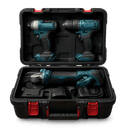
Can help repair or replace hand tools, power tools, and gear that are stolen or damaged on the job or in transit.

Goods in Transit
May cover products, materials, and merchandise while they are being shipped or hauled between locations in your care.
Contractors Equipment
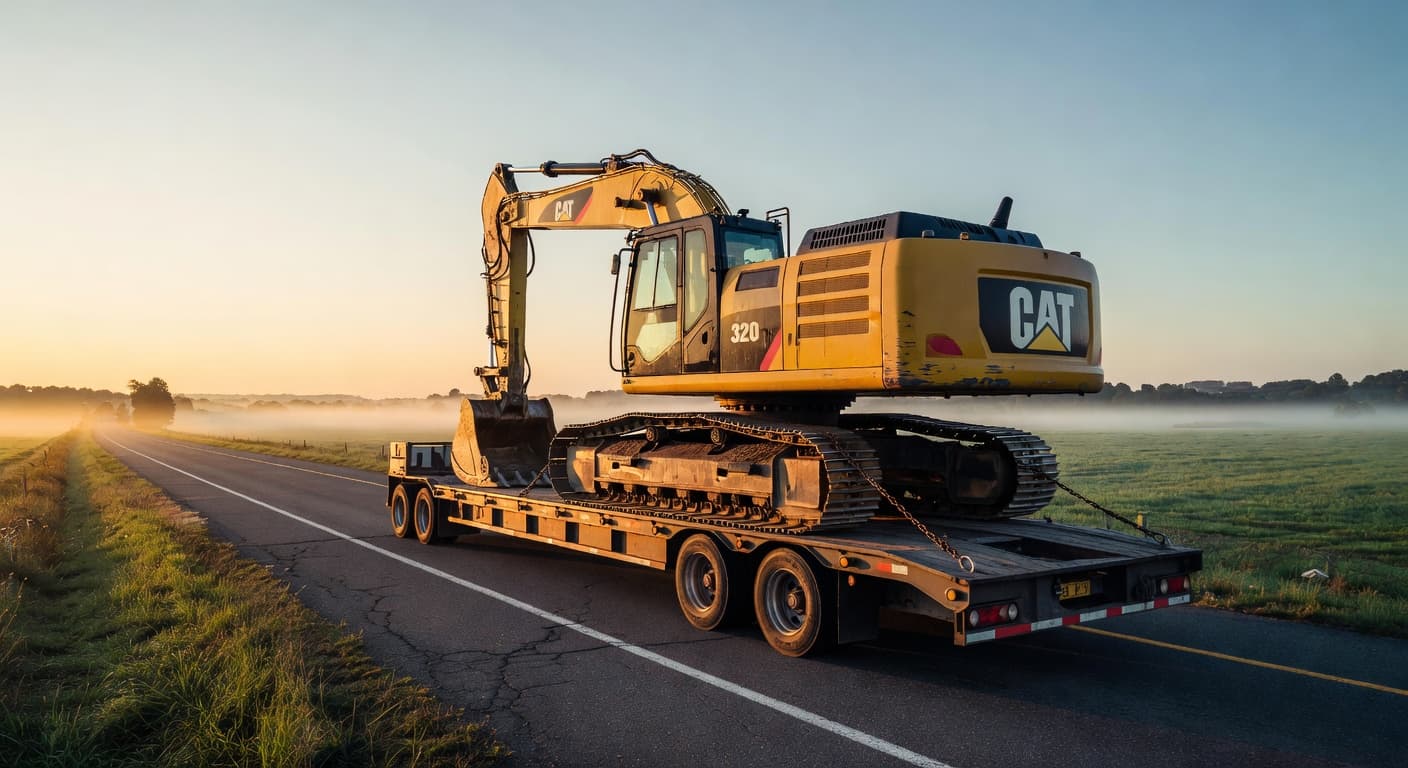
Typically covers heavy machinery like excavators, loaders, and generators against theft or damage at job sites and between them.
Installation Floater
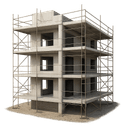
Can help cover materials and fixtures from the moment you buy them until they are installed and accepted at a project.
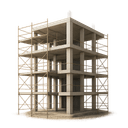
Builders Risk
May cover a structure under construction, along with materials on site, against damage from fire, wind, theft, and vandalism.
Inland Marine Insurance Cost in Spokane
Average Cost in Washington
$25 - $100
per month
Businesses in Washington typically see inland marine insurance premiums of $25 - $100 per month, which tends to run 4% above the national range of $20 - $100 per month.
- Total insured value of the scheduled property
- Type and age of the equipment
- Where it is stored and how far it travels
- Jobsite security and theft prevention
- Per-item limits and deductibles
- Prior theft and in-transit losses
Contact CPK Insurance for a personalized quote.
Prices shown are general estimates, not guaranteed rates or quotes. Your actual premium will depend on the insurer, coverage selected, business details, location, claims history, and other underwriting factors. Learn about our pricing methodology.
For Washington businesses, the average monthly premium range is about $25 to $100, while broader small-business figures show a typical range of $20 to $100 per month. That spread reflects how much your property moves, how valuable it is, and how much risk the carrier sees in the way you operate. Washington's premium index is 112, which means insurance pricing in the state runs above the national average. Practically, that means you may pay more than a comparable business in another state, so it is worth comparing carriers and tightening your risk profile before you buy.
Several Washington-specific conditions can influence pricing. The state has 460 active insurers, so rates and appetite vary, and carriers may price differently for businesses in the Seattle metro area, inland cities, or job sites exposed to weather disruptions. Washington also faces a mix of natural hazards that carriers take seriously, from earthquake and wildfire risk to volcanic activity and flooding. Those conditions can shape how a carrier evaluates your storage locations, transit routes, and temporary staging areas. Washington also has a property crime rate of 3,420 per 100,000 residents, which is above the national average. That matters for your tools and equipment when property is left in trucks, trailers, or unsecured staging areas, and it can translate into higher premiums or stricter storage requirements.
Your final premium will usually depend on coverage limits, deductibles, claims history, location, industry or risk profile, and policy endorsements. A contractor moving expensive tools between job sites may see different pricing than a small business shipping light goods only a few times a month. If you want a precise quote, the carrier will usually want details about what you move, where it goes, and how often it is offsite.
Industries & Insurance Needs in Spokane
Construction is the county's largest establishment sector at 13.3%, with health care and social assistance at 12.6% and retail trade at 11.1%. That mix matters because inland marine demand here is not limited to one trade. Contractors may need coverage for tools, mobile equipment, and materials at job sites. Health care operators may need it for diagnostic or service equipment that travels between locations. Retail and distribution businesses may need it for stock, displays, or specialized property moving to events, pop-ups, or customer sites. The practical takeaway is to classify the property by how it moves, not just by what your business does on paper. If you handle installation jobs, service calls, or off-site inventory, ask for a quote built around those movement patterns and custody points, rather than assuming a standard premises-based property setup is enough.
What Makes Spokane Different
What changes the calculus is how often your property moves between short-duration stops. In a market with many smaller commercial accounts, your property may spend the same week in a warehouse corner, a van, a customer location, and a temporary job site. That creates more handoffs, more overnight storage decisions, and more chances for a gap if your schedule only reflects what sits at your main address. The issue cuts across trades and field service work, not just heavy construction. What matters is whether the property regularly leaves your premises, changes custody, or waits at a site before installation or pickup. You can build your review around those transitions, then match limits and item descriptions to the way your crews actually stage, transport, and leave property during the workweek.
Our Recommendation for Spokane
You might start with a property list that separates owned tools, rented equipment, installation materials, and any customer property in your care, because that separation makes it easier to decide what should be specifically scheduled and what can sit under a broader blanket approach. If your jobs involve overnight trailer storage, you can ask how theft protections apply and what documentation helps support a claim. If you move equipment between several stops in one day, it may help to review whether values spike at certain points, such as before a delivery or before installation begins. Spokane's median household income is $65,745. For an owner-operator who funds the business from household accounts, that figure means a single major equipment loss could wipe out months of personal savings. That is a good reason to consider requesting a quote before a busy season starts, while you still have time to compare limits, deductibles, and any exclusions tied to transit, temporary storage, or unattended vehicles.
Get Inland Marine Insurance in Spokane
Enter your ZIP code to compare inland marine insurance rates from carriers in Spokane, WA.
Business insurance starting at $25/mo
FAQ
Frequently Asked Questions
Businesses that move tools, materials, or customer property between locations are the clearest fit. County industry mix supports that need across construction, health care support work, and retail operations that rely on mobile equipment or off-site inventory.
Job sites are a common reason to review your policy. If your equipment or materials stay at temporary locations, you can ask whether your terms address overnight storage, transit between stops, and property waiting for installation.
Spokane County has 14,280 business establishments. Put differently, that many firms in one county means many work in shared commercial spaces and short-duration jobs where custody changes and temporary storage are routine. Those are conditions where inland marine wording may deserve a closer review.
You might list owned tools, rented equipment, installation materials, and any customer property that leaves the premises. A cleaner schedule can help you compare limits and avoid quoting a policy that misses how property actually moves.
Spokane households report a median income of $65,745. Stated another way, a major tool or equipment loss could force an owner to choose between restocking the business and paying personal bills that month. Reviewing coverage before a loss may help you decide whether current limits match replacement exposure.
In Washington, inland marine insurance may cover tools, equipment, building materials, electronics, and other movable business property while it is being transported, used at a job site, or stored temporarily offsite, depending on the policy form and endorsements.
It is designed to follow covered property away from your fixed business address, which matters if you stage materials in Tacoma, keep tools in a Seattle trailer, or store equipment temporarily near an Olympia project. You should confirm how the policy defines temporary storage and off-premises use.
Contractors, installers, service businesses, manufacturers, and businesses that regularly move valuable property between Washington locations are common buyers. It is especially useful if your property is in trucks, trailers, staging areas, or customer sites.
Sources
- 1.U.S. Census Bureau, County Business Patterns, Spokane County(Spokane County has 14,280 business establishments.; Construction is 13.3%, health care and social assistance is 12.6%, and retail trade is 11.1% of establishments in Spokane County.)
- 2.U.S. Census Bureau, ACS 5-Year Estimates, table B19013(Spokane median household income is $65,745.)
Updated July 16, 2026





