







































Updated July 16, 2026

On-Hook Towing Insurance in Spokane
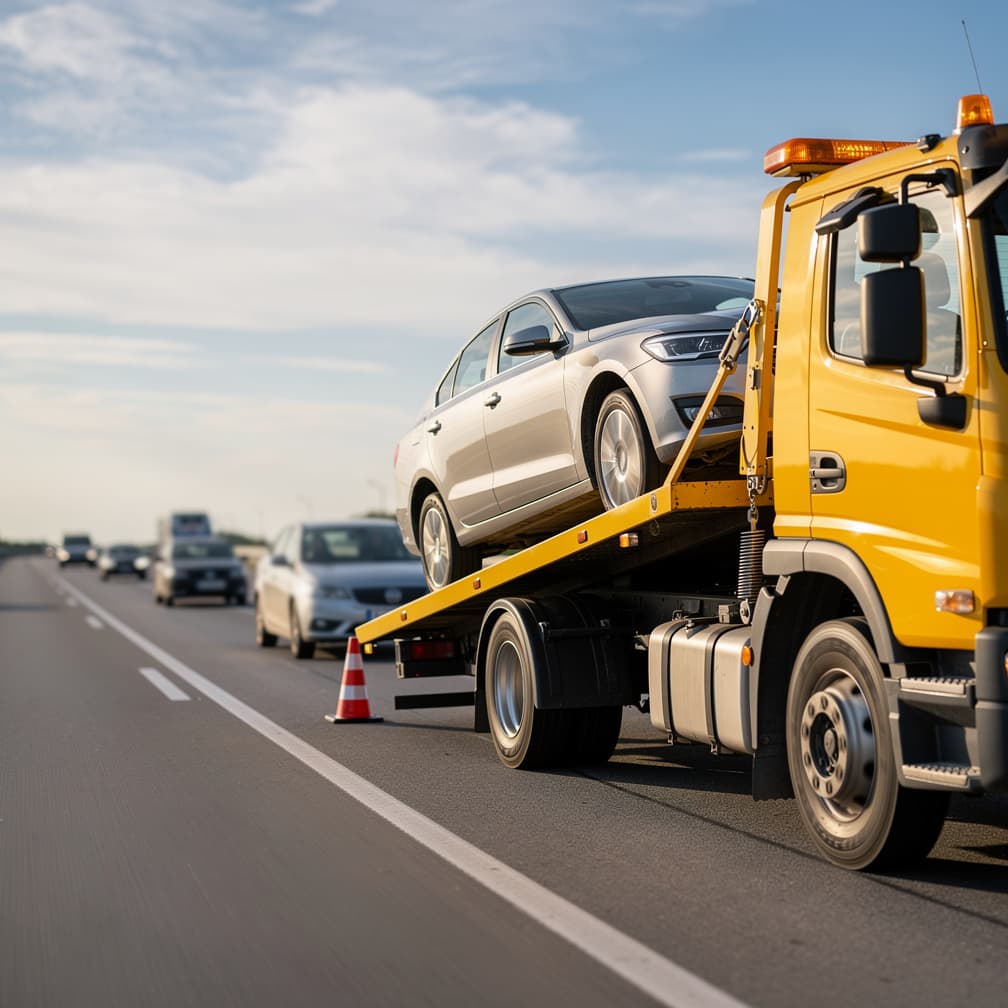
Towing operators around here work for property managers, lenders, repair shops, and commercial clients who want proof that a damaged customer vehicle will not become a dispute after pickup. Locally, satisfying that request usually means showing a certificate that matches how your truck is actually used. Your work mix may include apartment impounds, dealer transfers, breakdown calls, or short-notice recoveries across a wide service area. Spokane County has 14,280 business establishments, which means your client pool is large enough that a single missing certificate can cost you a recurring account. Your accounts could include landlords, contractors, clinics, retailers, and fleet operators that expect current proof before they release keys or approve vendor access. If your work changes by season or by contract, review whether your on-hook limit, vehicle schedule, and use classification still fit the jobs you accept.
On-Hook Towing Insurance Risk Factors in Spokane
Spokane's top risk factors include Earthquake damage, Liquefaction risk, Landslide, and Infrastructure failure.
Washington has a moderate climate risk rating. Top hazards: Earthquake (Very High), Wildfire (High), Volcanic Activity (High), Flooding (Moderate). The state's expected annual loss from natural hazards is $1.8B, which influences on-hook towing insurance premiums and may affect coverage availability in high-risk areas.
What On-Hook Towing Insurance Covers
In Washington, the practical review starts with the handoff points where claims are argued. A buyer usually needs to look closely at how the policy treats a vehicle during hookup, while it is secured for transport, and during release at the destination, because those are the moments when damage allegations often become specific. A scraped bumper after a steep driveway pull, suspension damage alleged after a wheel-lift tow, or body damage claimed after a tight recovery in rain all need to be evaluated against the policy language and your actual procedures.
State conditions make that review more operational than theoretical. If your routes move between dense city streets, suburban apartment complexes, rural shoulders, and mountain corridors, ask how the policy is written for the kinds of tows you actually perform. A flatbed operation handling dealer transfers may need a different conversation than a mixed fleet that also takes after-hours roadside calls, private impounds, and recovery work. The same applies if you tow low-clearance vehicles, electric vehicles, motorcycles, work vans, or lifted trucks. Each changes loading angle, securement method, and claim severity.
You should also review what is not intended to sit inside on-hook protection. If your operation stores vehicles after pickup, handles personal property disputes, or performs garage-related work around the yard, those exposures may need to be addressed elsewhere in the account. The cleanest buying approach is to match each service line to the policy section that is supposed to respond, then ask your agent to show where a towing claim would likely land before you commit to a policy.
Coverage Included

Collision on Hook
Covers damage to towed vehicles from collisions during transport.

Comprehensive on Hook
Covers theft, fire, and weather damage to vehicles being towed.
Loading & Unloading
Covers damage during the process of loading and unloading vehicles.
Winching Coverage
Covers damage to vehicles during winching and recovery operations.
Multiple Vehicle
Covers all vehicles on multi-car carriers and rollback flatbeds.
Industries & Insurance Needs in Spokane
Spokane County's business mix changes who calls you and what kinds of vehicles you are more likely to tow. Construction accounts for 13.3% of county establishments, health care and social assistance 12.6%, and retail trade 11.1%, so local towing demand often includes contractor pickups, service vans, employee vehicles, customer cars in commercial lots, and time-sensitive moves tied to clinics or storefront operations. That matters for on-hook coverage because the exposure is not just mileage. It is also the variety of vehicle types, pickup environments, and client expectations around documentation after a loss. If you serve commercial accounts, ask for a quote that reflects your actual dispatch mix, including impounds, private property tows, shop deliveries, and after-hours calls. Then review whether your limit would still make sense if a higher-value work truck or business-use vehicle is damaged while hooked or carried.
What Makes Spokane Different
Your operation is judged on documentation as much as on response time. In a market tied to apartment properties, retail sites, medical offices, contractors, and lenders, a client handing over a vehicle wants to know there is a direct insurance answer if damage is alleged during loading, transport, or unloading. A generic certificate may not calm a property manager or fleet contact if your actual work includes more private property towing, dealer moves, or commercial-unit pickups than the policy was built around. Business-to-business towing relationships are frequent here, and clients expect to see that your coverage fits the vehicles and handoff conditions you deal with every week. Compare your current limit and truck schedule against the accounts you are trying to win or keep.
Our Recommendation for Spokane
Start with your client list, not your current declarations page. If a large share of your calls comes from apartments, repair facilities, lenders, or commercial properties, map out the kinds of vehicles you actually tow and the highest-value unit you could have on the hook at one time. Then ask whether your present on-hook limit still looks reasonable for that ceiling. Spokane's median household income is $65,745, which means a damaged sedan can represent a serious financial hit for its owner. Even moderate damage can become a serious claim for the owner and a relationship problem for the vendor who hired you. Bring your operating details into the quote request so the policy is reviewed around real dispatch conditions, not assumptions.
Get On-Hook Towing Insurance in Spokane
Enter your ZIP code to compare on-hook towing insurance rates from carriers in Spokane, WA.
Business insurance starting at $25/mo
FAQ
Frequently Asked Questions
Buyers usually run into this request from property managers, repair shops, lenders, auction contacts, and commercial clients that release vehicles only after they see current proof matching the towing work you actually perform.
With 14,280 business establishments in the county, your accounts likely span a broad commercial mix. Reviewing whether your on-hook limit fits contractor trucks, business-use vehicles, and private property towing assignments can help you avoid a gap when a new client calls.
Construction makes up 13.3 percent of the county, health care and social assistance 12.6 percent, and retail trade 11.1 percent. That variety can change the value, use, and condition of vehicles you have hooked or carried.
You should usually review coverage before adding property or commercial accounts, because those clients often expect certificates, clear claims handling, and limits that make sense for the vehicles and towing scenarios in the contract.
At a median household income of $65,745, a personal vehicle can still be a major household asset. If damage is alleged during towing, the financial pressure on the owner can make documentation and appropriate on-hook limits more important.
Washington buyers often need to review both because liability and on-hook exposures are not the same. The Office of the Insurance Commissioner oversees the state's insurance market, so policy wording and complaint processes sit within that regulatory framework.
Washington operators usually start with the types of vehicles they tow, the mix of flatbed versus wheel-lift work, and how often they handle higher-value or harder-to-load units. From there, weigh the highest-value vehicle you typically move against the worst-case damage you could cause during a tow, and set your limit high enough to cover that scenario.
Washington claims often focus on those transition points, so you should ask the agent to walk through loading, securement, transport, and release scenarios in plain language. Some policies may cover damage during loading and unloading, but exclusions and conditions vary, so you need to confirm exactly how your specific policy wording applies.
Sources
- 1.U.S. Census Bureau, County Business Patterns, Spokane County(Spokane sits inside a county with 14,280 business establishments, so a towing operator may be serving landlords, contractors, clinics, retailers, and fleet accounts that expect current proof before they release keys or approve vendor access.; Construction accounts for 13.3% of county establishments, health care and social assistance 12.6%, and retail trade 11.1%, so local towing demand often includes contractor pickups, service vans, employee vehicles, customer cars in commercial lots, and time-sensitive moves tied to clinics or storefront operations.)
- 2.U.S. Census Bureau, ACS 5-Year Estimates, table B19013(Spokane median household income is $65,745, which is one reminder that many personal vehicles you handle are meaningful household assets, so even moderate damage can become a serious claim for the owner and a relationship problem for the vendor who hired you.)
Updated July 16, 2026





