







































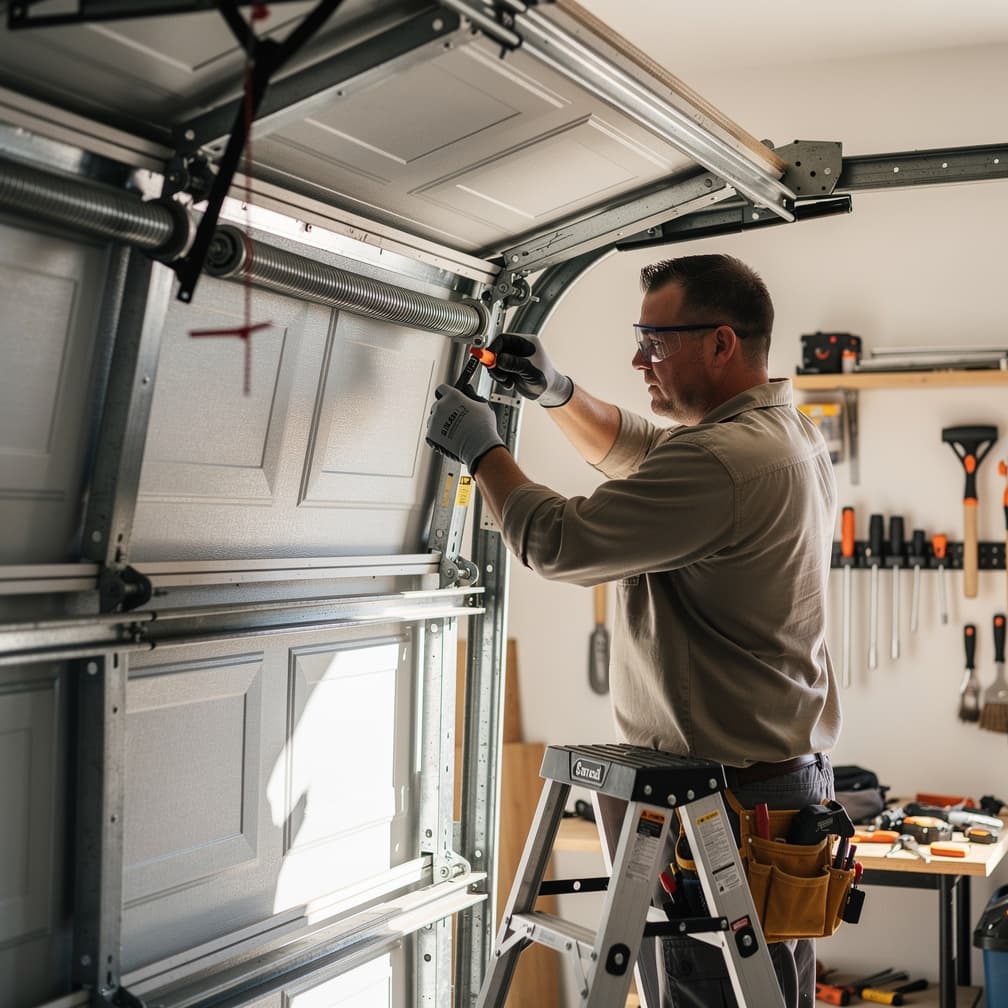

General Liability for a door crew typically starts near the low end of its published range, around $35 a month, and that figure moves with payroll, vehicle count, and how many springs your techs touch in a week. Garage door installer insurance in Tacoma gets priced off exposure, not off the size of your website. A one-truck shop with no employees prices differently than a five-truck outfit running two-man teams. Underwriters ask what you install, whether you subcontract the heavy commercial work, and how far the trucks run in a day. The lowest quote is usually the one that leaves the most out, which you discover only when a claim tests it. Put identical limits in front of every participating carrier before you compare a single premium in Tacoma.
What Makes Tacoma Different
Heat, cold, and rain all land on the same driveway where your ladder happens to be standing. Concrete slick with rain is the surface under every residential install, and a slip there is a real injury. Extreme temperature does its damage to the crew rather than the door, and tired crews make tension mistakes. A day lost to weather in Pierce County gets recovered by working faster later, which is its own hazard. Employee injury is the exposure weather really drives here, more than any damage to the doors themselves. Ask how a policy treats an injured tech, including one who is a family member on the payroll. Rules on who must be covered vary, and the Washington Office of the Insurance Commissioner publishes the current requirements for employee coverage. Plan the season around the weather instead of letting weather plan it for you.
Local Risk Factors in Tacoma
Wildfire changes the job before it changes the policy: evacuation zones close the streets you were scheduled on, and smoke can stop outdoor work for days at a stretch. A steel door survives a great deal, but the opener, the weather seal, and the wiring do not enjoy heat or ash. The larger exposure is your own gear sitting at a Tacoma jobsite you cannot reach, and Inland Marine is generally written around property that moves and rests in temporary places. Read what it says about fire, smoke, and property left on site overnight. Rebuild demand arrives later across Washington, and rebuild contracts carry insurance requirements the residential side never asked you about.
What Coverage Does a Garage Door Installer in Tacoma Need?
General Liability
Builders, property managers, and homeowners ask for proof of this one before a crew touches an opening. It generally answers third-party injury and property damage: a bystander struck when a spring releases, a customer's wall gouged by a track, a sedan dented under a door that came down wrong. Redoing your own faulty install is typically excluded.
Example: A winding bar slips during a torsion swap and the homeowner standing in the doorway takes it in the shoulder; the injury claim and the defense costs behind it may fall to this coverage.
Commercial Auto
A personal auto policy typically excludes a van used for business, and that gap is where this line starts. It is meant for the trucks and trailers hauling sections, ladders, and openers between jobs, and it can help cover injury or damage you cause on the road. Storm and theft damage to your own truck is usually an add-on rather than a given.
Example: A loaded trailer rear-ends a car at a light on the way to a Tacoma install; the other driver's repairs and medical bills could land here, subject to the limits you bought.
Workers Compensation
Where General Liability stops, this one begins: the injured person is your own technician rather than the customer. It is generally built around medical treatment and lost wages after a work injury, from a spring release to a fall off a ladder on an icy driveway. Whether owners and family members must be covered varies by state.
Example: An installer slips on a wet driveway carrying a section and fractures a wrist; the treatment and the wages missed while it heals are what this line is intended to address.
Tools & Equipment (Inland Marine)
Tools rarely stay put, and a policy written around a shop address tends to stop at the curb. This line follows winding bars, drills, torsion kits, ladders, racks, and opener stock in transit and on site, and it may respond when they are stolen or wrecked away from home. Values on file and the deductible decide what a small loss is worth.
Example: Somebody pops the lock on a service van overnight and the whole kit is gone before the first call; scheduled equipment might be replaced under this coverage, less the deductible.
How Much Does Garage Door Installer Insurance Cost in Tacoma?
Garage Door Installer Insurance is a bundle of separate policies, priced separately. The ranges below are typical figures for Tacoma for each line, except workers compensation, which is set by the state fund; a quote prices each one against your own operations.
| Coverage | Typical range | What moves your price |
|---|---|---|
| General Liability Insurance | $120 - $350 per month | Industry and risk classification, annual revenue, number of employees |
| Commercial Auto Insurance | $310 - $800 per month | Fleet size and vehicle types, driver records and experience, coverage limits and deductibles |
| Workers Compensation Insurance | Set by the state fund | Employee classification codes, total annual payroll, experience modification rate |
| Inland Marine Insurance | $30 - $130 per month | Total insured value of the scheduled property, type and age of the equipment, where it is stored and how far it travels |
Prices shown are general estimates, not guaranteed rates or quotes. Your actual premium will depend on the insurer, coverage selected, business details, location, claims history, and other underwriting factors. Learn about our pricing methodology.
What Are the Insurance Requirements for a Garage Door Installer in Tacoma?
Workers' comp is generally required once you have your first employee, through the state fund. Washington runs workers' compensation through a state fund: employers buy coverage from the Washington State Department of Labor & Industries (L&I), not from private carriers. Common exemptions include sole proprietors and partners. Confirm current requirements directly with the fund before you hire.
State auto liability minimums apply to business vehicles. Washington's minimum auto liability limits are $25,000/$50,000/$10,000 (bodily injury per person / per accident / property damage). Contracts and lenders often require more than the state floor.
Where to verify licensing and coverage rules. The Washington Office of the Insurance Commissioner publishes consumer guidance and current insurance requirements for Washington businesses. When a contract or lease demands specific wording, the Washington Office of the Insurance Commissioner's guidance is the authoritative place to check.
Get Your Garage Door Installer Quote in Tacoma
Compare rates from multiple carriers. Free quotes, no obligation.
Operating in Tacoma
- Your van is a rolling advertisement, which also means the vehicle at fault in a wreck gets identified by name before the police finish writing the report.
- Springs get replaced in pairs because the second one is already near the end of its cycle life, and skipping it is the sort of shortcut a claim file quotes back to you.
- A subcontractor you called for one heavy install in Tacoma can be counted as your own employee at audit if the certificate never arrived.
- Openers are electronics, and the customer whose wiring you touched blames the door crew when the circuit dies a week later, deserved or not.
How to Buy: Advice for Tacoma Owners
Limits deserve more attention than premiums, and most owners flip that order. A limit is the number that decides whether a bad claim ends at the policy or continues into your business. Work out what a serious spring injury costs once lawyers are involved, then look at your General Liability limit and ask whether the two live in the same neighborhood. Aggregate matters as well: the per-occurrence limit is what one claim can draw, while the aggregate is everything the policy year has. Two bad claims can exhaust an aggregate that looked generous when the year started. Ask what the Commercial Auto limit does when a truck causes a multi-vehicle wreck. The Washington Office of the Insurance Commissioner publishes consumer guidance on policy limits that explains the mechanics plainly. Bring the limits you chose to CPK and let participating carriers in Tacoma price the same structure.
FAQ
Garage Door Installer Insurance in Tacoma: FAQ
Material you have already attached usually belongs to the property owner, while the sections in your truck or staged on site are still your problem. General Liability is not written around damage to your own property, so a panel creased by wind on a jobsite is a different conversation. Inland Marine can sometimes follow property in transit or at a temporary location, depending on how the form defines covered property and where it says coverage applies. Read those definitions first.
Products and completed operations is the part of a liability form dealing with work you already finished, and it is usually where a late failure gets examined. Wear and tear on a spring at the end of its cycle life is generally nobody's claim, since a policy is not a maintenance contract. If a failure hurts somebody or damages property and your work is alleged to be the cause, that is the scenario completed operations exists for. Keep your install records and photos.
Expect questions about payroll, how many employees you have and what they actually do, your vehicles and drivers, annual revenue, the residential and commercial split, and whether you subcontract. They also want a claims history, usually three to five years of it, and the limits your contracts require. An equipment list with current values helps if you want the tools scheduled. Bring real numbers, because a quote built on estimates gets corrected at audit.
Yes, and it happens constantly. The insurance clause in a contract sets a floor, and a general contractor in Tacoma can name a figure well above what a residential door shop carries. You can buy up to the limit, price the difference into the bid, or pass on the job. What you should not do is sign first and shop afterward, because the cost of that requirement is part of the job's real margin. Read the clause before you bid.
Policies have a coverage territory and vehicles have a stated radius, and both are questions you answer at application. A truck registered in Pierce County that spends half its week on jobs elsewhere is a fact your carrier should hear from you rather than discover after a wreck. Inland Marine carries territory language too, deciding whether tools are followed away from the shop address. Describe where you actually work and the answers stop being surprises.
That depends on which losses you can fund yourself. Small, frequent damage like a scratched hood or a lost hand tool is reasonable to absorb, and a higher deductible there lowers the bill. Serious injury claims work the opposite way: the deductible barely matters and the limit is everything. Self-fund the small stuff, buy real limits where a spring release could reach past the business, and ask participating carriers in Washington to quote two deductible levels.
Sources
- 1.Washington Office of the Insurance Commissioner(Washington Office of the Insurance Commissioner publishes consumer guidance for insurance buyers.)


