







































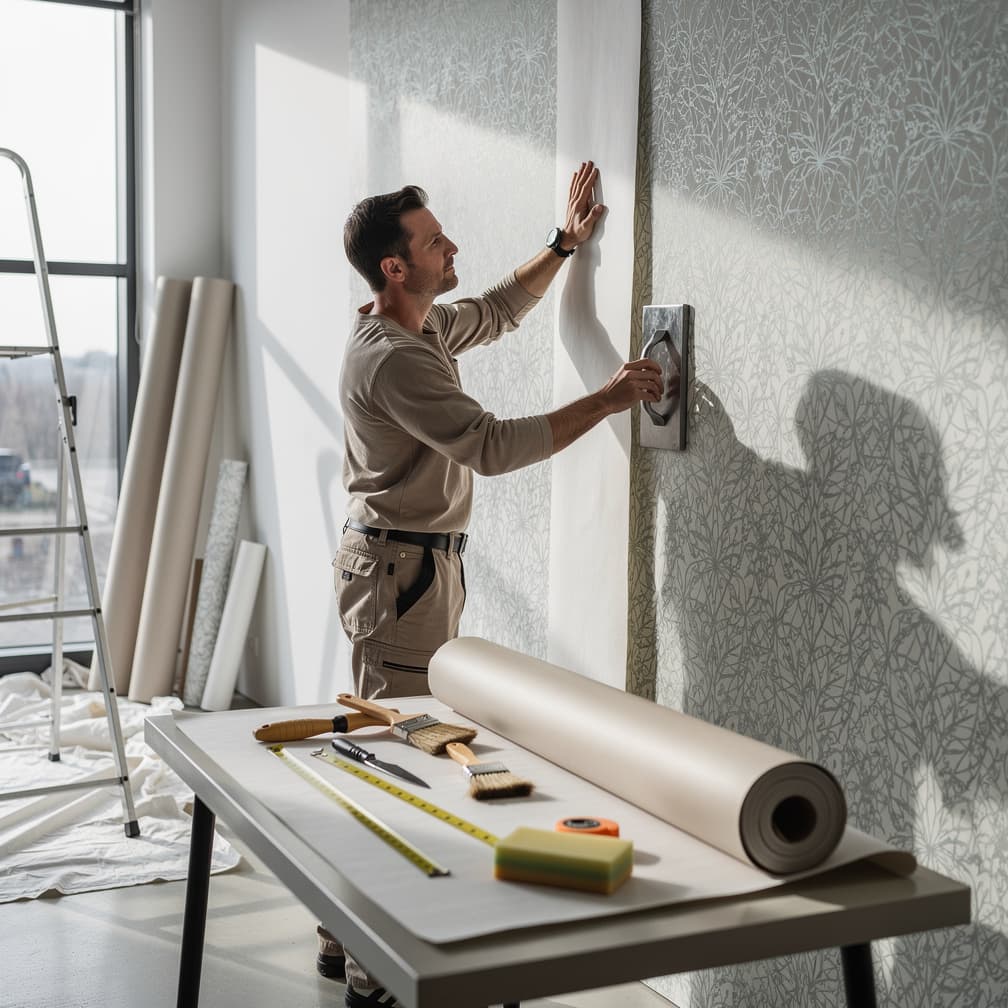

Paste finds finished flooring faster than any drop cloth survives. A client walks into a staged room, sees a stained baseboard and a seam lifting near the ceiling, and the conversation stops being about wallpaper. That is the moment paperhanger insurance in Tacoma either exists or it does not. Adhesive and scraping damage is small enough to argue over and expensive enough to hurt, because the fix is often refinishing a whole floor instead of one board. The homeowner wants the room usable again, the builder wants a name to bill, and both look at the certificate you handed over before the first roll went up. What follows lays out what a quote in Tacoma actually asks for, which limits get tested first, and where the honest gaps sit.
What Makes Tacoma Different
Proof of coverage is a gate, and gates do not care how good your seams are. Facility managers, general contractors, and staging companies all have a document they need before you unroll anything. The demand is standard across the trade, so treat it as part of the job instead of an interruption. A lapsed policy in Tacoma costs you the booking that week as well as the coverage. Renewal dates matter more in this trade than owners expect, since a certificate is only as current as the policy. Keep a copy of the exact wording each repeat client demanded, because it gets asked for again. A repeat client in Tacoma can ask you to re-send that document every year without warning. Being the contractor who answers within the hour is quietly worth real money.
Local Risk Factors in Tacoma
A canceled month is what a wildfire costs a paperhanger, including one working nowhere near the flames. Air quality closes sites, clients postpone finish work, and a schedule built around other trades collapses. When the work returns it arrives all at once, and the material lead times have not moved an inch. Your shop is a separate question: stored paper, adhesive, and a steamer under one roof become a property claim if fire or smoke reaches them. A Business Owners Policy commonly packages that stock with liability for a small operation in Tacoma. Wildfire exposure in Washington varies enormously, so ask how a carrier reads your own address instead of assuming.
What Coverage Does a Paperhanger in Tacoma Need?
General Liability
Designers, builders, and property managers ask for this line before a ladder goes into a finished room. It generally handles injury to other people and damage to their property: a guest who slips on your drop cloth, paste that soaks a client's rug. Damage to your own work is often treated another way, which is worth asking about early.
Example: A seam roller knocks a lamp off a console table in a staged living room, and both the shade and the base are ruined. General Liability might take that property damage claim, subject to your deductible.
Commercial Property
Rolls, adhesive, ladders, trays, and a steamer are the pile this line is built around. Theft from a locked shop, fire, or vandalism can trigger it, subject to the perils listed and the deductible you choose. Flood typically sits outside the form and is bought separately, which catches owners who store stock at floor level.
Example: Somebody forces the shop door overnight and walks off with the steamer, two ladders, and a client's mural order. Commercial Property could answer for the gear and stock, while the lost bookings stay with you.
Workers Compensation
Injuries to you and your crew sit outside a liability form entirely, and that gap is what this line exists to fill. Medical costs and lost wages after a fall from a ladder, a cut from a scoring tool, or a heat-related collapse are the usual claims. Pricing runs on payroll, and requirements vary by state.
Example: A helper carrying a full paste bucket up a stairwell slips on a drop cloth and breaks a wrist. Workers Compensation is typically where the medical bills and the lost time get handled.
Business Owners Policy
Buying liability and property separately works, and a package can cost less and renew on one date instead of two. A Business Owners Policy generally suits a hanger with a shop: gear, stock, and third-party claims under a single contract. Injuries to your crew stay outside it, and the packaged limits may not clear what a commercial job demands.
Example: One renewal date sits behind the shop full of rolls and the paste that stained a client's oak floor in Tacoma. A package like that may answer on both sides, depending on the limits you picked.
How Much Does Paperhanger Insurance Cost in Tacoma?
Paperhanger Insurance is a bundle of separate policies, priced separately. The ranges below are typical figures for Tacoma for each line, except workers compensation, which is set by the state fund; a quote prices each one against your own operations.
| Coverage | Typical range | What moves your price |
|---|---|---|
| General Liability Insurance | $55 - $170 per month | Industry and risk classification, annual revenue, number of employees |
| Commercial Property Insurance | $55 - $170 per month | Building value and construction type, roof age and condition, fire protection class |
| Workers Compensation Insurance | Set by the state fund | Employee classification codes, total annual payroll, experience modification rate |
| Business Owners Policy Insurance | $85 - $240 per month | Annual revenue and industry class, building and contents values, square footage and building age |
Prices shown are general estimates, not guaranteed rates or quotes. Your actual premium will depend on the insurer, coverage selected, business details, location, claims history, and other underwriting factors. Learn about our pricing methodology.
What Are the Insurance Requirements for a Paperhanger in Tacoma?
Workers' comp is generally required once you have your first employee, through the state fund. Washington runs workers' compensation through a state fund: employers buy coverage from the Washington State Department of Labor & Industries (L&I), not from private carriers. Common exemptions include sole proprietors and partners. Confirm current requirements directly with the fund before you hire.
Flood damage is typically excluded from standard policies. Standard commercial property and builders-risk-type policies typically exclude flood damage. Flood exposure varies address by address, so check your premises in FEMA's Flood Map Service Center before deciding; if you sit in a mapped flood zone, a separate policy through the National Flood Insurance Program is the usual starting point.
Where to verify licensing and coverage rules. The Washington Office of the Insurance Commissioner publishes consumer guidance and current insurance requirements for Washington businesses. When a contract or lease demands specific wording, the Washington Office of the Insurance Commissioner's guidance is the authoritative place to check.
Get Your Paperhanger Quote in Tacoma
Compare rates from multiple carriers. Free quotes, no obligation.
Operating in Tacoma
- Scaffolds and tall stairwell walls raise the stakes on an application, since working height is one of the few things an underwriter asks about directly.
- The insurance exhibit inside a commercial contract in Tacoma is written for concrete crews and handed to you unchanged, so the limits it demands rarely match the room you were hired for.
- Small claims are the trap in this trade: a stained rug costs less than most deductibles, and filing it anyway leaves a record that prices your next three renewals.
- A shop in Tacoma that loses a week to fire, vandalism, or a dead steamer loses the bookings behind it too, and a calendar is harder to rebuild than a shelf.
How to Buy: Advice for Tacoma Owners
Before you sign a job in a finished building, find out what the owner requires and whether you can meet it that week. Requirements arrive as a form, and a general contractor in Tacoma will not hold a start date while you shop. General Liability limits and additional insured status are the two lines that get checked, so know both by heart. If your crew grows for an install, Workers Compensation belongs in place before the first helper climbs anything, and the Washington Office of the Insurance Commissioner publishes the current requirements for employers. Timing beats price here, since the cheap policy you buy after the job is gone saved you nothing at all. Line up quotes from participating carriers before your busy stretch starts, while you still have time to read them properly.
FAQ
Paperhanger Insurance in Tacoma: FAQ
It happens, and the argument usually turns on prep. Moisture in a wall, a surface papered before it dried, or a room with a humidity problem can produce failures months later, and you get the call. Many policies treat that as workmanship rather than sudden damage, which is one of the honest gaps in this trade. Photographs of the surface before you hang anything are worth more than any argument afterward.
Per-occurrence caps what one ruined room can draw. The aggregate caps what the whole policy year pays out. Two paste spills in two houses plus a torn mural are three separate occurrences eating the same annual total. A hanger who works small rooms rarely tests the per-occurrence number and can still exhaust the aggregate through a run of little claims. Check both before a contract sets a floor you have not met.
Payroll, revenue, years in the trade, your claims history, an equipment list, and the split between removal and hanging. Some applications ask how high you work and whether a scaffold is involved. Answer from records rather than memory, since an audit checks the numbers later anyway. Quotes gathered on the same facts for your work in Tacoma are the only ones worth comparing.
Often not. Many small losses in this trade cost less than the deductible, so filing buys nothing and leaves a record that follows your quotes for years. Paying for a touch-up out of pocket keeps both the relationship and the record intact. Save the policy for the loss you could not write a check for, like a refinished floor or an injury claim.
It can be, once you own gear and stock worth replacing. A Business Owners Policy generally packages liability with property, which suits a hanger who keeps a steamer, ladders, and a season of rolls in one back room. Someone working out of a hand cart may not need the property half at all. Compare the package against buying the pieces separately at the same limits.
That depends on the carrier and the agent handling the file, so nobody should promise you a turnaround. What you control is asking early and knowing the exact wording your client needs, since an amended certificate takes longer than a fresh one. A property manager in Tacoma can refuse access until the document reads correctly, and your rolls sit in the van meanwhile.
Sources
- 1.Washington Office of the Insurance Commissioner(Washington Office of the Insurance Commissioner publishes consumer guidance for insurance buyers.)
- 2.FEMA / FloodSmart(Flood coverage is typically purchased separately; FEMA administers the National Flood Insurance Program.)


