








































Updated July 5, 2026

Garage Keepers Insurance in Tacoma
Concentration is the Tacoma difference. A garage keepers insurance in Tacoma review usually gets more specific about where customer vehicles sit, how tightly you stack them, and how often keys, tow-ins, and unfinished units move through the same fenced area during a normal week. That matters here because many local operators are not isolated service bays with wide setbacks. They work on compact parcels, mixed commercial corridors, and older auto-service properties where storage, intake, and handoff space overlap.
For you, that changes the quote conversation. An insurer will want a clearer picture of overnight parking, gate and lighting controls, key security, road-test procedures, and whether disabled vehicles wait days for parts or approvals. If your lot backs up during busy periods, the exposure is different from a shop that turns every vehicle inside the same day. The practical move is to map your custody pattern before you ask for terms: how many customer vehicles stay after hours, where they are parked, who can move them, and what happens when a car cannot be released on schedule. That gives you a quote built around your actual operation, not a generic Washington template.
Garage Keepers Insurance Risk Factors in Tacoma
Tacoma's top risk factors include Earthquake damage, Liquefaction risk, Landslide, and Infrastructure failure.
Washington has a moderate climate risk rating. Top hazards: Earthquake (Very High), Wildfire (High), Volcanic Activity (High), Flooding (Moderate). The state's expected annual loss from natural hazards is $1.8B, which influences garage keepers insurance premiums and may affect coverage availability in high-risk areas.
What Garage Keepers Insurance Covers
If customer vehicles stay outside overnight, you should review whether your limit is high enough for the total value on the lot during busy stretches, especially if intake backs up while you wait on parts or approvals. If vehicles are stored indoors, the underwriting focus often shifts toward building access, fire controls, battery disconnect procedures, and who can move vehicles between bays.
Washington also brings hazard planning into the buying decision. The state faces wildfire, flooding, earthquakes, and severe storms, so you should ask how your policy is written for weather-related damage scenarios involving customer vehicles at your premises. Some policies pay only for specific named perils, while broader forms cover most accidental damage subject to listed exclusions, so the form you choose directly affects which losses your business absorbs and which ones the insurer pays.
This is also where your operation details matter. A body shop that keeps vehicles for longer repair cycles has a different exposure than a quick-turn service lane. A valet or parking operation needs a different review than a repair facility that rarely moves a vehicle off the property. If you use tow equipment, sublet work, or keep high-value vehicles waiting for specialty parts, say so up front so the policy review matches how vehicles are received, parked, secured, moved, and released in your operation.
Coverage Included
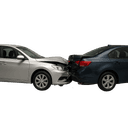
Collision Coverage
Covers damage to customers' vehicles from collisions while in your care.

Comprehensive Coverage
Covers theft, vandalism, fire, and weather damage to customers' vehicles.
Specified Perils
Covers only specifically named perils at a lower premium.

Legal Liability
Covers damage you or your employees directly cause to a customer's vehicle.

Direct Primary
Pays regardless of fault, the broadest garage keepers coverage available.
Industries & Insurance Needs in Tacoma
Service demand is the local business mix that changes the conversation. Pierce County has 20,096 business establishments, and its leading sectors by establishment share are Construction at 15.1%, Health care and social assistance at 11.7%, and Retail trade at 10.6%, so a Tacoma shop often sees a steady flow of work vehicles, commuter cars, and higher-use personal autos that cannot stay out of service for long. That can increase pressure to keep vehicles on site while parts, approvals, or scheduling catch up.
For garage keepers buying, the point is not the county statistic by itself. The point is what it does to your custody exposure. If your customer mix includes contractor pickups, retail delivery vehicles, or daily-driver family cars, ask for terms that match how long units remain in your care, whether they are stored inside or outside, and how often employees reposition them. A cleaner submission usually includes your average overnight count, peak backlog periods, and any separation between active repair units and completed vehicles waiting for pickup.
What Makes Tacoma Different
Concentration is what makes Tacoma different. Here, the buying decision often turns less on the repair work itself and more on how your premises handles vehicle accumulation. A shop with modest square footage can still carry meaningful garage keepers exposure if customer cars, tow-ins, and completed units all share the same circulation path. That is the local wrinkle worth underwriting carefully.
The practical consequence is simple: layout discipline matters. If vehicles wait outside, if keys move between front office and technicians, or if road-test units return after business hours, your controls need to be described clearly in the quote request. A vague application can make two very different operations look the same on paper. You will usually get a more useful proposal by showing where vehicles are stored, who has access after hours, how often cars are left pending parts, and whether your busiest days create spillover parking. In this market, the sharper your operational picture, the easier it is to judge whether the policy terms fit the way your shop actually holds customer vehicles.
Our Recommendation for Tacoma
Start with a site-specific vehicle custody count, not a rough guess. Separate cars that stay inside overnight from those left in fenced outdoor areas, and note how that changes during parts delays or heavy tow-in weeks. That single worksheet often improves the quote more than a longer narrative.
Next, document your handoff controls. List who can accept keys, who can move customer vehicles, where keys are stored after hours, and whether completed units are segregated from vehicles still awaiting repair. If your lot is tight, explain how you avoid blocked access, stacked parking decisions, or unnecessary repositioning that increases handling risk.
You should also ask your agent to review any gap between your normal overnight count and your peak count. If your operation swells during certain weeks, that is worth discussing before a loss tests the policy. Finally, compare quotes using the same operational assumptions. If one proposal assumes mostly indoor storage and another assumes regular outdoor accumulation, the premium difference may reflect different facts, not better value. A free quote works best when your storage pattern, security routine, and vehicle turnover are described the same way every time.
Get Garage Keepers Insurance in Tacoma
Enter your ZIP code to compare garage keepers insurance rates from carriers in Tacoma, WA.
Business insurance starting at $25/mo
FAQ
Frequently Asked Questions
Tacoma buyers should describe where customer vehicles sit overnight, how many are usually on site, whether storage is inside or outside, and who controls keys after hours. That helps the quote reflect your actual custody pattern instead of a generic repair-shop profile.
Pierce County does. With 20,096 business establishments and strong construction, health care, and retail activity, many shops handle daily-use vehicles that cannot be released immediately, so backlog and overnight storage deserve close review in your quote.
Tacoma operators should. Your normal count and your busiest backlog count can be very different, and that difference affects how an insurer views concentration, storage layout, and after-hours controls for customer vehicles in your care.
Tacoma's median household income is $83,857, which can be a useful reminder to ask how your policy would respond if a customer's primary household vehicle is damaged while in your custody. Claims severity is worth discussing before you bind coverage.
Tacoma buyers should verify licensing if anything about a quote feels unclear. The Washington Office of the Insurance Commissioner maintains licensing information, and checking that status is a practical step before you rely on policy terms for customer vehicles.
If customer vehicles stay in your custody overnight, while you wait on parts, or before pickup, the exposure is real. State weather and catastrophe risk can increase the chance that one event affects several vehicles, so your storage setup and limit deserve a close look.
Buyers can verify licensing through the Washington Office of the Insurance Commissioner before committing to coverage.
Outdoor storage matters because weather and catastrophe exposure can affect multiple customer vehicles at once. If cars sit outside overnight or in overflow areas, ask how limits, deductibles, exclusions, and security expectations apply.
Sources
- 1.U.S. Census Bureau, County Business Patterns, Pierce County(Pierce County has 20,096 business establishments.; Pierce County's leading sectors by establishment share are Construction 15.1%, Health care and social assistance 11.7%, and Retail trade 10.6%.)
- 2.U.S. Census Bureau, ACS 5-Year Estimates, table B19013(Tacoma's median household income is $83,857.)
- 3.Washington Office of the Insurance Commissioner(Washington's insurance regulator is the Washington Office of the Insurance Commissioner.)
Updated July 5, 2026





