
Updated July 16, 2026

Homeowners Insurance in Tacoma
Pierce County has 20,096 business establishments. Your claim may pass through more hands and more paperwork than it would in a smaller town. If you are shopping for coverage in Tacoma, that density matters because repairs, temporary housing decisions, and claim timelines often involve multiple vendors, adjusters, and mortgage-servicing checkpoints at once. You are reviewing how well your coverage fits a city where home values and rebuild decisions can carry real financial weight. A quick renewal based only on last year's declarations page can leave you under-reviewing replacement assumptions, deductible tolerance, and whether your current limits still match the property you own. Before you request quotes, pull your latest declarations page, note any upgrades since purchase, and be ready to ask how the carrier values your property's key features.
Washington has a moderate climate risk rating. Top hazards: Earthquake (Very High), Wildfire (High), Volcanic Activity (High), Flooding (Moderate). The state's expected annual loss from natural hazards is $1.8B, which influences homeowners insurance premiums and may affect coverage availability in high-risk areas.
What Homeowners Insurance Covers
In Washington, the useful part of a homeowners policy review is not the generic list of coverages. It is checking how the policy language fits the way your property is built, where it sits, and which losses are most likely to disrupt your household. If your home is surrounded by trees, backs to a slope, or relies on older plumbing or roofing components, the details inside the quote matter more than a broad summary.
Start with the structure itself. You want to confirm the dwelling limit is supported by a current rebuild estimate and that attached features, built-in finishes, and any recent remodeling are reflected. Then look at detached structures. Fences, sheds, workshops, and detached garages are common places where owners discover after a loss that they assumed more coverage than the policy actually provides.
Personal property deserves the same practical review. Instead of accepting a default amount without thinking, walk room-by-room and note where your contents value is concentrated. Electronics, tools, outdoor equipment, and higher value items can change whether the standard limit feels adequate. If you keep business property at home, ask how the policy treats it and whether a separate endorsement or business policy makes more sense.
Loss of use is another section worth reading closely. If a covered claim makes the home temporarily unlivable, that part of the policy may help with the added cost of living elsewhere, but the limit and policy terms still need review before a claim happens. Liability and medical payments also deserve attention if you host guests, have a dog, or want broader protection against everyday household incidents. Ask for the quote to show endorsements and exclusions in plain language, then compare those line-by-line.
Coverage Included

Dwelling
Repairs or rebuilds your home itself, the walls, roof, floors, built-in appliances, and attached structures like a garage, after a covered loss. Set this limit to the full cost of rebuilding, not market value.
Other Structures
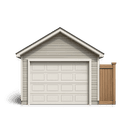
Detached structures on your property, such as a fence, shed, detached garage, or gazebo. Usually set at about 10 percent of your dwelling limit [2].

Personal Property
Your belongings, furniture, clothing, electronics, and appliances, generally written at 50 to 70 percent of your dwelling limit [2]. High-value items like jewelry and art carry special limits.

Additional Living Expenses
Also called loss of use. Pays your added living costs, hotel stays, meals, and a temporary rental, while a covered loss makes your home uninhabitable. Usually set at about 20 percent of your dwelling limit.

Liability
Covers you if someone is injured on your property, or you damage someone else's property, and you are found responsible. The standard $100,000 limit [2] is often raised to $300,000 or $500,000.

Medical Payments
Pays small medical bills, commonly $1,000 to $5,000, if a guest is hurt at your home regardless of fault, without a formal liability claim.
Homeowners Insurance Cost in Tacoma
Average Cost in Washington
$75 - $200
per month
In Washington, homeowners insurance premiums typically run $75 - $200 per month, which tends to run 24% below the national range of $110 - $250 per month.
- Home replacement cost, age, and construction type
- Roof age, material, and condition
- ZIP code and local weather risk (wind, hail, wildfire, hurricane)
- Coverage limits and endorsements
- All-peril and percentage wind/hail deductibles
- Claims history and insurance score where allowed
Typical range for many standard homeowners profiles; lower-risk homes fall below it and coastal, wildfire, or older-roof homes can run well above. Final pricing depends on property details, location, underwriting, and selected coverage.
Prices shown are general estimates, not guaranteed rates or quotes. Your actual premium will depend on the insurer, coverage selected, personal details, location, claims history, and other underwriting factors. Learn about our pricing methodology.
Homeowners premiums in Washington move for concrete underwriting reasons, not just because one carrier is cheaper than another on a given day. The house itself drives much of the quote: rebuild cost, roof age and material, plumbing and electrical updates, heating type, square footage, and whether the home is owner occupied year round. A property with higher wildfire concern, wind exposure, or longer response times can price differently from a similar house in another part of the state.
Many households see premiums from $75 to $200 per month, depending on the home's characteristics, deductible choice, prior claims, and the endorsements you add. That range reflects the spread between a newer, updated home with a higher deductible and an older property with a recent water loss, custom finishes, or broader optional coverages.
The most useful way to compare quotes is to hold the structure of the policy steady. Keep the same dwelling limit, liability limit, deductible, and key endorsements across each option. If one quote looks much lower, check whether it changed settlement terms, reduced a limit, or removed an endorsement you expected to have. A lower premium only helps if the policy still matches the risk you are trying to insure.
You should also expect the quote to change after inspection data or replacement cost modeling is updated. Before you buy, ask what assumptions were used for roof age, square footage, updates, and construction type. If any of those are wrong, the premium comparison is not reliable. The better move is to review the quote after the home details are corrected, then decide whether to adjust deductibles or optional coverages to fit your budget.
What Affects Homeowners Insurance Rates in Tacoma
Tacoma's median household income is $83,857, and local home values can make the buying decision less about finding the lowest premium and more about choosing a deductible and coverage structure you can actually carry through a real claim. A higher deductible can reduce premium, but it also changes what comes out of pocket before repairs start. On a home in this market, that tradeoff deserves a deliberate review, especially if your mortgage payment, maintenance budget, and emergency savings are already tightly allocated. This is also a market where owners often make meaningful upgrades over time, which can widen the gap between an older policy setup and the house as it stands today. Ask for a quote that walks through dwelling, other structures, personal property, and loss-of-use line by line, then pressure-test the deductible against your cash reserves instead of choosing it only for price.
What Makes Tacoma Different
Claims and repair projects here tend to move through a dense local network of roofers, restoration firms, and lenders rather than a simple one-call process. That matters because the county's leading establishment sectors are construction at 15.1%, health care and social assistance at 11.7%, and retail trade at 10.6%. Translation: when a loss happens, you may be juggling contractors, medical billing, and material suppliers all at once. A property loss here often turns into a multi-party workflow fast, involving mitigation, estimates, materials, temporary living arrangements, and documentation for the mortgage company. Ask how claims are handled, what documentation the carrier typically wants, and whether settlement terms fit the way repairs are actually scheduled locally. The policy that pays off fastest is the one whose claim process you understand before you need it.
Our Recommendation for Tacoma
Start with your declarations page and treat it like an operating document, not a renewal formality. On a Tacoma home, you may want to confirm the dwelling limit after any major upgrade, then review whether detached structures, tools, and higher-value items are still scheduled the way you intend. If your home value or equity has climbed, revisit deductible choices with the same discipline you would use for a major repair budget. You may also want to ask each carrier how loss-of-use works in practice, including what records they expect and how reimbursement is handled during a longer repair timeline. If you have had prior claims, be ready to discuss what was fixed and what documentation you kept. Keep your quote request tight by including your property's age, size, condition, occupancy, and recent improvements. Specific details lead to quotes you can actually compare side by side.
Get Homeowners Insurance in Tacoma
Enter your ZIP code to compare homeowners insurance rates from carriers in Tacoma, WA.
Home insurance starting at $50/mo
FAQ
Frequently Asked Questions
Tacoma homeowners often deal with a more document-heavy repair and lending environment in a dense local market. That makes it worth reviewing your coverage limits, deductibles, and loss-of-use terms carefully before you bind coverage.
Tacoma's median home value is $454,600. Even a modest rebuild-cost gap can leave you tens of thousands short, so a renewal is a good time to check whether your current limit still fits the property you own. Recent upgrades, detached structures, and interior finishes can all change the discussion.
Tacoma's median household income is $83,857. Weigh your deductible against your own savings rather than the premium alone. A lower premium can cost more later if the deductible strains your repair budget after a claim.
Pierce County's business mix matters because construction accounts for 15.1% of establishments, with health care and social assistance at 11.7% and retail trade at 10.6%. Your repair project is more likely to overlap with other scheduled work, which can slow timelines and complicate documentation. Ask how the carrier handles documentation and reimbursements when multiple vendors are involved.
Homeowners insurance in the state is regulated by the Washington Office of the Insurance Commissioner. If you want official consumer guidance, complaint information, or help understanding insurer practices, check that source while you compare quotes and policy terms.
Quotes can vary widely because carriers weigh roof age, rebuild cost, prior claims, deductible choice, and address-level hazards differently. A newer home with updated systems and a higher deductible can land very differently from an older property with a recent water loss, so compare equal limits and endorsements before deciding.
You should ask about earthquake coverage separately because ground movement concerns are not something to assume away. Review the base policy exclusions first, then decide whether a separate option fits your home's location, construction, and budget.
Coastal and near-coastal homes can present different underwriting concerns than inland properties, especially around roof condition, exterior wear, and wind-driven weather. That is a good reason to verify roof age, materials, and maintenance history before quoting.
Sources
- 1.U.S. Census Bureau, County Business Patterns, Pierce County(Pierce County has 20,096 business establishments.; The county's leading establishment sectors are construction at 15.1%, health care and social assistance at 11.7%, and retail trade at 10.6%.)
- 2.U.S. Census Bureau, ACS 5-Year Estimates, table B25077(Tacoma's median home value is $454,600.)
- 3.U.S. Census Bureau, ACS 5-Year Estimates, table B19013(Tacoma's median household income is $83,857.)
Updated July 16, 2026