Updated July 5, 2026

Surety Bond Insurance in Tacoma
Tacoma changes the bond conversation because it is a tighter local market. You are often dealing with a smaller circle of obligees, project owners, landlords, and public or private counterparties who expect the bond form, business name, and supporting paperwork to line up cleanly before they move. That makes surety bond insurance in Tacoma less about broad shopping and more about getting the submission right the first time, especially if you are balancing a bid deadline, a license filing, or a contract start date.
Local buyers also run into a practical issue: relationships travel fast here. If your bond request reaches underwriting with mismatched entity details, unsigned indemnity, or an outdated form, the delay can affect more than one opportunity. Pierce County has 20,096 business establishments, so even in a mid-sized market you are still competing for jobs and vendor approvals where proof requirements are routine. Bring the exact obligee name, bond amount, filing instructions, and any contract language that references the bond before you request terms. That gives you a cleaner path to a quote and fewer last-minute corrections.
About Surety Bond Insurance in Tacoma, WA
In Washington, the useful question is not whether a bond exists, but what exact obligation the obligee expects it to answer for. That can change the wording, underwriting review, and supporting documents you need to submit. A license bond, permit bond, court bond, or contract bond may all be called a surety bond, but the practical trigger for a claim is tied to the underlying duty named in the form.
For a Washington buyer, the coverage discussion is really a form and obligation discussion. You want to confirm the legal business name, trade name if required, obligee name, bond amount, effective date, cancellation language if any, and whether the obligee requires an original signed bond, an electronic filing, or a specific template. A small mismatch can delay a license, hold up a permit, or force a resubmission close to a deadline.
It also helps to separate bond compliance from your other insurance planning. Your policy may help meet a state, court, or project requirement, but it does not replace the liability, commercial auto, workers' compensation, or professional coverage your operation may still need to review.
Washington buyers should also pay attention to who is asking for the bond and why. A public entity, licensing body, clerk, or private obligee may each use different forms and acceptance standards. Ask for the exact bond language early, confirm whether seals or notarization are required, and review whether continuation certificates, riders, or renewals will be needed later.
Coverage Included

Performance Bonds
Helps show you are expected to complete a project according to contract terms.
Bid Bonds
Helps show you are expected to honor your bid price if awarded the contract.

Payment Bonds
Can help pay subcontractors, laborers, and material suppliers.

License Bonds
Required by states and municipalities to obtain or renew business licenses.

Court Bonds
Required by courts for appeals, estate administration, and guardianship.

Subdivision Bonds
Helps show completion of public improvements in new developments.
Industries & Insurance Needs in Tacoma
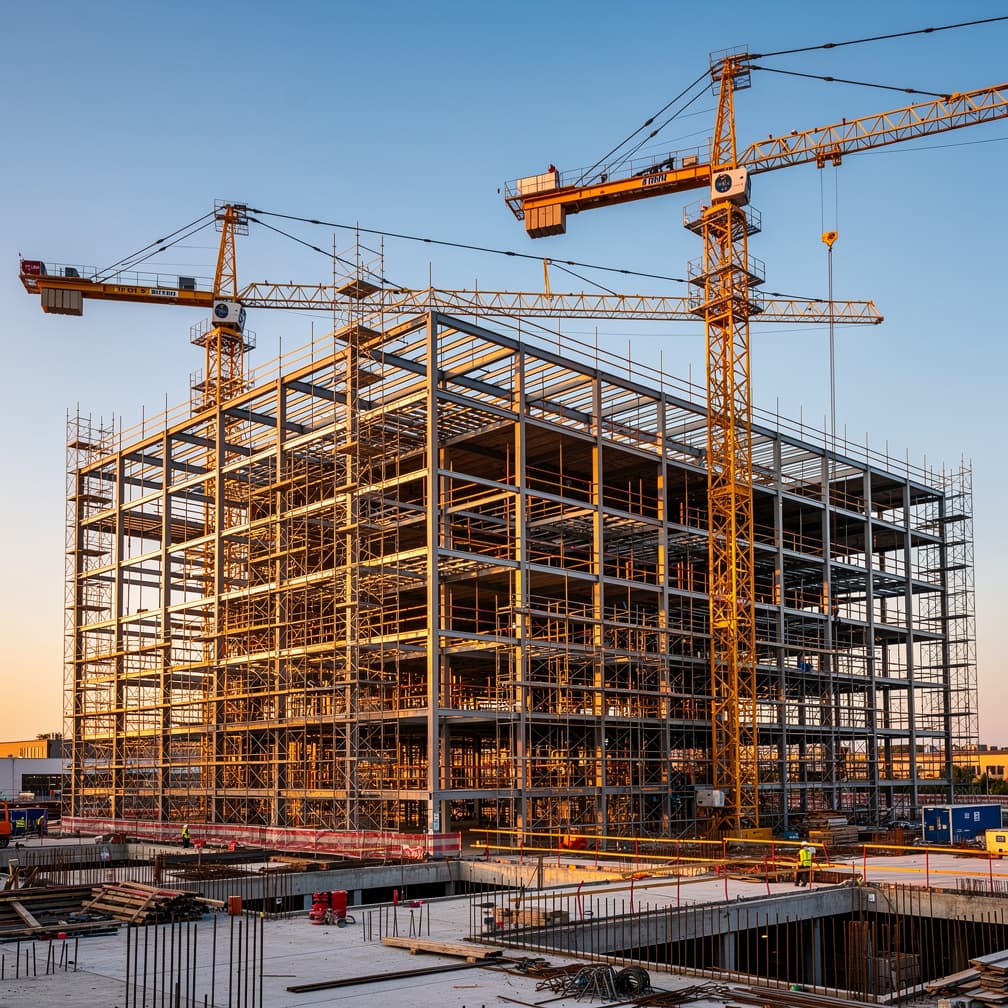
Pierce County's business mix changes who asks for bonds and how quickly they expect them. Construction accounts for 15.1% of county establishments, health care and social assistance 11.7%, and retail trade 10.6%. So local bond demand is not limited to one lane. You may need to satisfy a project owner, a facility operator, a landlord, or another commercial counterparty that wants financial backing before work starts or access is granted.
That matters because each of those sectors tends to care about different paperwork details. A contractor may need the obligee wording to match bid or performance requirements exactly. A health care related operation may need a bond tied to a licensing or service arrangement. A retail business may run into lease, utility, or vendor terms that require proof on a specific timeline. If your work crosses sectors, ask for the required form and filing instructions up front instead of assuming one bond format will satisfy every request.
What Makes Tacoma Different
The main difference here is relationship-driven proof. In a tighter commercial market, the bond is often reviewed by people who know the local job pipeline, the contracting parties, and the pace at which paperwork has to move. That changes the buying calculus. The question is not only whether you can obtain a bond, but whether your submission is precise enough to avoid avoidable back-and-forth.
Tacoma households report a median income of $83,857, which is a useful reminder that many owners and guarantors are making bond decisions alongside personal cash flow and credit commitments. So if indemnity is part of the file, treat the application like a financial document, not a quick formality. Review the legal business name, ownership details, and any personal information that must match supporting records before you submit. In a market where counterparties often expect clean proof before they release the next step, accuracy usually matters more than speed alone.
Our Recommendation for Tacoma
Start by asking the obligee one direct question: what exact bond form or wording do you require for this transaction? In a local market, that single step can prevent the most common delay, which is ordering a bond that is technically valid but not acceptable to the party requesting it.
Next, assemble the file the way an underwriter will review it. Use the registered business name, confirm addresses and ownership information, and keep the contract, bid package, license notice, or lease clause that triggered the requirement in the same folder. If the request is tied to a deadline, say so early and provide the deadline in writing.
If you operate across construction, service, and retail relationships, do not assume one prior bond tells the whole story. Ask whether the new obligee needs original signatures, a sealed bond, or a specific rider. If anything in the request looks inconsistent, pause and verify it before paying for issuance. That is usually the cleaner way to keep the deal moving.
Get Surety Bond Insurance in Tacoma
Enter your ZIP code to compare surety bond insurance rates from carriers in Tacoma, WA.
Business insurance starting at $25/mo
FAQ
Frequently Asked Questions
Tacoma bond requests often slow down over paperwork, not appetite. In a tighter local market, obligees tend to expect the exact business name, bond amount, and form wording to match their instructions before they move forward.
Tacoma contractors usually should ask for the exact wording first. Pierce County's business mix includes construction at 15.1% of establishments, so project owners and counterparties often review bond language closely before awarding work or releasing the next step.
Pierce County businesses may see bond requests from project owners, licensing bodies, landlords, utilities, or commercial counterparties. With 20,096 county establishments, proof requirements are common enough that you should request the form and filing instructions early.
Tacoma business owners should gather the obligee name, required bond amount, filing instructions, deadline, and the contract or notice that triggered the requirement. That gives underwriting a cleaner file and reduces revisions after terms are offered.
Tacoma owners may be asked for personal information when indemnity is part of the file. The city's median household income is $83,857, so it is worth reviewing how the bond request fits alongside your broader financial obligations before you submit.
The Washington Office of the Insurance Commissioner regulates the state's insurance transactions. You can contact their office to verify that a broker or carrier is properly licensed before you move forward.
Washington buyers usually do best by using the exact form or wording the obligee requests. If the agency, court, or project owner has a required template, ask for it early so you do not lose time to a rejected filing.
Bond requirements and business insurance solve different problems. A bond may help meet a filing or contract condition, but you should still review your separate liability and operational policies because the bond is not written for your own loss.
Sources
- 1.U.S. Census Bureau, County Business Patterns, Pierce County(Pierce County has 20,096 business establishments, so even in a mid-sized market you are still competing for jobs and vendor approvals where proof requirements are routine.; Construction accounts for 15.1% of county establishments, health care and social assistance 11.7%, and retail trade 10.6%.)
- 2.U.S. Census Bureau, ACS 5-Year Estimates, table B19013(Tacoma households report a median income of $83,857, which is a useful reminder that many owners and guarantors are making bond decisions alongside personal cash flow and credit commitments.)
Updated July 5, 2026