







































Updated July 5, 2026

Garage Keepers Insurance in Charleston
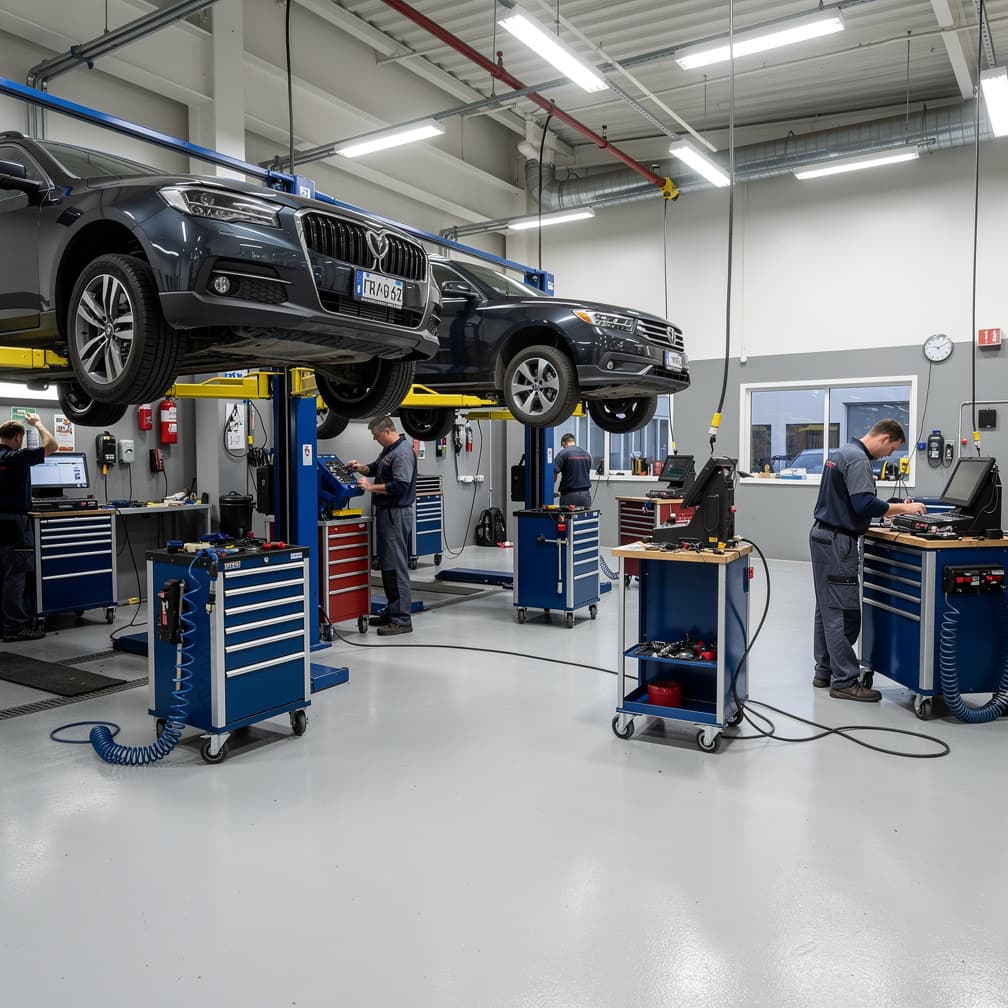
Property managers, lenders, and commercial landlords here often want proof that customer vehicles left at your location are accounted for before they finalize a lease, renew financing, or approve work on a shared site. For a repair shop, body shop, detail operation, or dealer service lane, satisfying that request usually means showing garage keepers insurance in Charleston with limits and vehicle handling practices that match how cars are actually stored, moved, and released. That matters more in a market where customers are often price conscious and quick to question damage, missing items, or release procedures. Charleston's median household income is $64,512, so even a routine dispute over a customer's daily driver can turn into a serious service and collections problem if your paperwork, key control, and coverage terms are loose. If you keep vehicles overnight, stack them tightly on a small lot, or rely on a few employees to move many units in a day, ask for a quote that reviews indoor versus outdoor storage, employee access, after-hours security, and how you document pre-existing damage before keys change hands.
Garage Keepers Insurance Risk Factors in Charleston
Local terrain and weather matter less here as abstract state hazards and more as a storage and movement problem at your address. If your operation uses a sloped lot, narrow alley access, or curbside intake near older commercial blocks, the real exposure is **low-speed contact** while parking, backing, staging, or retrieving customer vehicles. That is where a garage keepers review should get specific. Map where vehicles wait for intake, where they sit overnight, who can move them, and whether keys are locked away separately from the units. If you use outdoor storage, review lighting, camera placement, and how close vehicles sit to each other, because one handling mistake can involve more than one customer's car. If your busiest days create overflow parking off the main pad, ask whether that area is contemplated in the way your coverage is written and make sure your release process documents condition at pickup, not just at drop-off.
West Virginia has a high climate risk rating. Top hazards: Flooding (Very High), Landslide (High), Severe Storm (Moderate), Winter Storm (Moderate). The state's expected annual loss from natural hazards is $420M, which influences garage keepers insurance premiums and may affect coverage availability in high-risk areas.
What Garage Keepers Insurance Covers
In West Virginia, what matters is which loss scenarios are most likely at your location, and whether your form, limits, and conditions line up with them. If customer vehicles stay outside, you should review how the policy responds to weather-related damage, runoff, falling objects, and lot conditions that can affect multiple vehicles at once. If vehicles stay inside, focus on building access, fire controls, key security, and how cars are moved in tight service bays.
This is also where your intake and release process matters. A shop that accepts after-hours drop-offs, keeps keys in lockboxes, and leaves completed vehicles for next day pickup has a different custody pattern than a service department that turns cars the same day. A towing or impound operation has another pattern entirely, especially if vehicles arrive damaged, disabled, or after an incident and then remain on site while ownership or payment is sorted out. Your policy review should follow those operational differences instead of assuming one broad setup fits every garage risk in the state.
West Virginia terrain can make ordinary movement losses more important than buyers expect. Sloped lots, narrow approaches, gravel overflow parking, and winter traction issues can all affect how vehicles are staged and repositioned. That means you should ask your agent to walk through employee driving practices, tow and winch procedures, road test rules, and where vehicles are parked during backlog periods. Then compare the quote language against your actual drop-off, movement, and release records.
Coverage Included
Collision Coverage
Covers damage to customers' vehicles from collisions while in your care.

Comprehensive Coverage
Covers theft, vandalism, fire, and weather damage to customers' vehicles.

Specified Perils
Covers only specifically named perils at a lower premium.

Legal Liability
Covers damage you or your employees directly cause to a customer's vehicle.

Direct Primary
Pays regardless of fault, the broadest garage keepers coverage available.
Industries & Insurance Needs in Charleston
County business density is the local demand signal. Kanawha County has 4,483 business establishments, so many garage operations here are serving commercial accounts, employee vehicles, and customer traffic tied to nearby offices, retail strips, and service businesses rather than a purely residential flow. The county mix also leans toward health care and social assistance at 14.4%, retail trade at 14%, and other services at 12.8%, which means you may be handling vehicles for workers and customers who depend on fast turnaround and may notice even minor delays or condition disputes quickly. That should shape how you buy, not just how you market. If your book includes fleet-adjacent service, employee parking arrangements, or repeat work from nearby businesses, ask for limits and claims handling assumptions that fit multiple vehicles on site at once, not just occasional single-car jobs.
What Makes Charleston Different
Concentration is what changes the calculus here. In Charleston, many garage operations work in compact commercial corridors where customer vehicles, employee cars, delivery traffic, and neighboring businesses all compete for limited space. That makes your day-to-day handling discipline more important than a generic shop description on an application. A buyer should focus on how vehicles enter the property, where they wait, who has authority to move them, and what happens after hours. If your lot layout forces frequent repositioning, your exposure is not only theft or weather. It is also preventable contact damage during ordinary staging and retrieval. That is why a local quote should be built around operational details: indoor versus outdoor counts, overnight accumulation, key security, camera coverage, and whether overflow parking is ever used. The more precisely those details are reviewed up front, the easier it is to match coverage to the way your location actually functions.
Our Recommendation for Charleston
Start with a site walk, not a generic application. Count the maximum number of customer vehicles you hold at one time, note where each category sits, and separate normal parking from overflow or temporary staging. Then review who can road test, reposition, or release a vehicle, because informal key access often creates the kind of claim that is hard to defend later. If you serve nearby commercial tenants or repeat business accounts, ask whether your limits still make sense on your busiest days, not just on an average week. It is also worth tightening your intake and pickup process. Photograph condition at drop-off, record valuables left inside when customers insist on leaving them, and require a consistent release checklist before a unit leaves the lot. If you want a useful quote, send the underwriter your real storage pattern, after-hours security details, and any seasonal or overflow changes instead of relying on a one-line description of the business.
Get Garage Keepers Insurance in Charleston
Enter your ZIP code to compare garage keepers insurance rates from carriers in Charleston, WV.
Business insurance starting at $25/mo
FAQ
Frequently Asked Questions
Charleston landlords and lenders usually want a certificate that shows your active coverage and named insured details, then they compare it to how vehicles are stored and handled at the location. Bring your lease terms, overnight vehicle count, and lot layout into the quote review.
Charleston body shops with small fenced lots should quote around movement frequency, spacing, and after-hours controls, not just the fence itself. If vehicles are parked tightly and moved often, ask the agent to review staging patterns, key control, and any overflow parking.
Kanawha County has 4,483 business establishments, with health care and social assistance at 14.4%, retail trade at 14%, and other services at 12.8%, so many shops handle time-sensitive customer and employee vehicles. Review limits for busy-day accumulation, not only routine volume.
Charleston households work within a median household income of $64,512, so damage or missing-item disputes on a daily driver can become urgent fast. Tighten intake photos, note pre-existing damage, and document what stays inside the vehicle before you accept keys.
Charleston buyers can verify licensing through the West Virginia Offices of the Insurance Commissioner before binding coverage. That is a practical step if you are comparing quotes and want to confirm the person advising on garage keepers terms is properly authorized.
Yes, if customer vehicles stay on site even briefly overnight. A repair shop that keeps cars for multi-day work, waits on parts, or accepts after-hours drop-offs has custody exposure that a standard general liability policy does not address.
Yes. Limits should reflect the total value of vehicles that could accumulate outside while repairs wait on parts. If your indoor bays fill up and overflow cars sit in the lot, your coverage needs to match the value of that outdoor accumulation, not just your indoor capacity.
Buyers can start with the state insurance regulator to verify licensing and review consumer guidance before they bind a policy. That check helps confirm you are working with a properly authorized producer.
Sources
- 1.U.S. Census Bureau, ACS 5-Year Estimates, table B19013(Charleston's median household income is $64,512, so even a routine dispute over a customer's daily driver can turn into a serious service and collections problem if your paperwork, key control, and coverage terms are loose.)
- 2.U.S. Census Bureau, County Business Patterns, Kanawha County(Kanawha County has 4,483 business establishments, so many garage operations here are serving commercial accounts, employee vehicles, and customer traffic tied to nearby offices, retail strips, and service businesses rather than a purely residential flow.; The county mix also leans toward health care and social assistance at 14.4%, retail trade at 14%, and other services at 12.8%, which means you may be handling vehicles for workers and customers who depend on fast turnaround and may notice even minor delays or condition disputes quickly.)
- 3.West Virginia Offices of the Insurance Commissioner(Charleston buyers can verify licensing through the West Virginia Offices of the Insurance Commissioner before binding coverage.)
Updated July 5, 2026





