
Updated July 5, 2026

Homeowners Insurance in Charleston
In a smaller market, your options can narrow faster than they do in a larger metro. Some insurers write selectively by neighborhood, roof age, prior claims, or how much local inspection detail they want before binding. That makes homeowners insurance in Charleston less about chasing a generic online quote and more about lining up the right replacement cost estimate, loss history, and property details before you shop. Here, older housing stock, hillside streets, and homes near the Kanawha and Elk rivers can push underwriters to ask sharper questions about drainage, foundation condition, updates, and whether detached structures or finished lower levels need to be scheduled correctly. Charleston's median home value is $187,300, so many owners need to check whether market value is being confused with rebuild cost, especially before renewal or a purchase closing. If your home has been renovated, if you store tools or equipment in a detached garage, or if you split time between an in-town house and another property, ask for a quote review that matches how the home is actually used.
West Virginia has a high climate risk rating. Top hazards: Flooding (Very High), Landslide (High), Severe Storm (Moderate), Winter Storm (Moderate). The state's expected annual loss from natural hazards is $420M, which influences homeowners insurance premiums and may affect coverage availability in high-risk areas.
What Homeowners Insurance Covers
Your policy is built around four core protections: dwelling coverage for the structure, personal property coverage for belongings, liability coverage that may help if someone is injured on your property, and additional living expenses coverage if damage makes your home unlivable. In this state, that structure matters because the average dwelling coverage amount is about $113,600, while the median home value is about $142,000, so you should review your policy for rebuild cost rather than market price. West Virginia carries a high overall climate risk profile, with flooding rated very high and landslide risk rated high, so a standard policy may need careful attention to exclusions and endorsements. Standard homeowners policies do not cover flood damage, and flood insurance is sold separately through NFIP or private flood insurers. Other structures coverage can help with detached garages, sheds, or fences, while medical payments coverage may apply to smaller guest injuries depending on the policy. Because the state regulator oversees policy language and endorsements, review your forms before binding so you know what is included for wind, fire, theft, and temporary displacement.
Coverage Included

Dwelling
Repairs or rebuilds your home itself, the walls, roof, floors, built-in appliances, and attached structures like a garage, after a covered loss. Set this limit to the full cost of rebuilding, not market value.
Other Structures
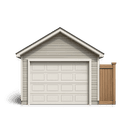
Detached structures on your property, such as a fence, shed, detached garage, or gazebo. Usually set at about 10 percent of your dwelling limit [2].

Personal Property
Your belongings, furniture, clothing, electronics, and appliances, generally written at 50 to 70 percent of your dwelling limit [2]. High-value items like jewelry and art carry special limits.

Additional Living Expenses
Also called loss of use. Pays your added living costs, hotel stays, meals, and a temporary rental, while a covered loss makes your home uninhabitable. Usually set at about 20 percent of your dwelling limit.

Liability
Covers you if someone is injured on your property, or you damage someone else's property, and you are found responsible. The standard $100,000 limit [2] is often raised to $300,000 or $500,000.

Medical Payments
Pays small medical bills, commonly $1,000 to $5,000, if a guest is hurt at your home regardless of fault, without a formal liability claim.
Homeowners Insurance Cost in Charleston
Average Cost in West Virginia
$75 - $180
per month
In West Virginia, homeowners insurance premiums typically run $75 - $180 per month, which tends to run 29% below the national range of $110 - $250 per month.
- Home replacement cost, age, and construction type
- Roof age, material, and condition
- ZIP code and local weather risk (wind, hail, wildfire, hurricane)
- Coverage limits and endorsements
- All-peril and percentage wind/hail deductibles
- Claims history and insurance score where allowed
Typical range for many standard homeowners profiles; lower-risk homes fall below it and coastal, wildfire, or older-roof homes can run well above. Final pricing depends on property details, location, underwriting, and selected coverage.
Prices shown are general estimates, not guaranteed rates or quotes. Your actual premium will depend on the insurer, coverage selected, personal details, location, claims history, and other underwriting factors. Learn about our pricing methodology.
The average cost of homeowners insurance in West Virginia starts at $98 per month, and the state-specific range runs roughly $75 to $180 per month, so pricing can vary widely by home and coverage choices. Flood exposure, severe storm history, and landslide risk can all shape the quote, especially in areas affected by the state's 153 disaster declarations since 1953, which means your home is more likely to face a weather-related claim than in many other states. Roof age and material also matter, along with how close the home is to a fire station or hydrants. With 240 active insurers in the market, quotes may vary by carrier appetite, and the average premium can change based on the dwelling, personal property, and liability limits you choose.
What Affects Homeowners Insurance Rates in Charleston
Charleston's median household income is $64,512, so premium decisions here often come down to deductible tolerance and how much out-of-pocket shock your budget can absorb after a covered loss. That is a practical buying issue, not just a price issue. If you choose a higher deductible to control monthly cost, review whether you could comfortably fund it while also handling temporary repairs, debris removal, or a hotel stay if the house is not livable. If you are stretching to buy, do not let escrow convenience decide the coverage structure for you. Instead, compare dwelling limits, ordinance or law options, water backup endorsements, and personal property treatment side by side. A lower premium can look fine until a claim exposes a gap you assumed was included. Before you bind, ask for the quote to show the deductible in dollars, not just as a label, and stress test that number against your household cash reserves.
What Makes Charleston Different
The smaller local market is what changes the calculus here. In Charleston, fewer carrier appetites and more variation in underwriting approach mean two quotes can differ because of inspection standards, roof guidelines, or how each insurer treats older construction and site-specific features, not just because one is cheaper. That matters if you are buying in an established neighborhood, inheriting a family home, or renewing after updates that were never fully documented. The goal is to make the file easy for an underwriter to understand. Gather the roof age, electrical and plumbing update dates, square footage, foundation details, and any recent renovation invoices before you shop. If a quote comes back unexpectedly tight on coverage or expensive for the limit offered, ask whether the issue is the house itself, the deductible, or the carrier's appetite for that type of risk. In a market this size, clean submission details can improve your options more than broad rate shopping alone.
Our Recommendation for Charleston
Start with the parts of the home an underwriter will question first. Confirm roof age, note any knob-and-tube or aluminum wiring concerns if applicable, list plumbing and HVAC updates, and photograph retaining walls, outbuildings, and any finished basement or lower-level space. Then review whether your dwelling limit is based on a current replacement cost estimate rather than a purchase price or tax assessment. If you work from home, run a side business, or keep business property on site, ask where the homeowners form stops and whether separate coverage should be considered. If you own a detached garage, workshop, or storage building, make sure other structures coverage is adequate for how you actually use it. Finally, compare at least two deductible options and ask how water backup, sewer issues, and ordinance or law coverage are handled. Those details usually matter more here than a small difference in premium.
Get Homeowners Insurance in Charleston
Enter your ZIP code to compare homeowners insurance rates from carriers in Charleston, WV.
Home insurance starting at $50/mo
FAQ
Frequently Asked Questions
Charleston buyers should start with roof age, update dates for wiring and plumbing, square footage, prior claims, and details on detached structures or finished lower levels. In a smaller market, complete property information can affect which insurers will quote and how they price the risk.
Charleston's median home value is $187,300, but that figure is not the same as the cost to rebuild after a covered loss. Ask for a replacement cost estimate and review whether renovations, materials, and site conditions are reflected before you bind coverage.
Charleston households often weigh premium against cash flow. With median household income at $64,512, a higher deductible can reduce monthly cost, but you should test whether you could actually fund that amount during repairs, temporary housing, and other claim-related expenses.
Kanawha County has 4,483 business establishments, so many local households use part of the home for remote work, client meetings, or stored equipment. If that sounds like your setup, ask where homeowners coverage ends and whether separate business coverage should be reviewed.
Kanawha County's leading sectors include health care and social assistance at 14.4%, retail trade at 14%, and other services at 12.8%. If your home supports inventory, records, tools, or client traffic tied to that work, review business property and liability limits carefully.
In West Virginia, a standard policy may cover dwelling damage, personal property, liability, additional living expenses, and often other structures, but flood damage is excluded and must be insured separately.
Costs vary depending on the home, coverage limits, deductible, roof condition, and location. The state average starts at $98 per month, with most quotes falling between $75 and $180, but your specific situation can push pricing in either direction.
Lenders generally require proof of homeowners insurance before closing or refinancing, and they usually want enough dwelling coverage to protect the home as collateral.
Sources
- 1.U.S. Census Bureau, ACS 5-Year Estimates, table B25077(Charleston's median home value is $187,300, so many owners need to check whether market value is being confused with rebuild cost.)
- 2.U.S. Census Bureau, ACS 5-Year Estimates, table B19013(Charleston's median household income is $64,512, so premium decisions here often come down to deductible tolerance and how much out-of-pocket shock your budget can absorb after a covered loss.)
- 3.U.S. Census Bureau, County Business Patterns, Kanawha County(Kanawha County has 4,483 business establishments, so many local households use part of the home for remote work, client meetings, or stored equipment.; Kanawha County's leading sectors include health care and social assistance at 14.4%, retail trade at 14%, and other services at 12.8%, which can shape how some households use space for work, inventory, records, or client activity.)
Updated July 5, 2026