







































Updated July 5, 2026

Inland Marine Insurance in Charleston
Charleston operating costs are not Manhattan-high, but they are high enough that replacing a stolen laser level, diagnostic tablet, or mobile imaging unit out of pocket can still hit cash flow hard. With Charleston median household income at $64,512, many local buyers are balancing equipment values against what the business can realistically absorb on a deductible, so inland marine insurance in Charleston is usually a limits-and-deductibles conversation first, not a checkbox purchase. If your property moves between offices, client sites, vehicles, and temporary work areas, review whether each class of equipment is scheduled at current replacement cost and whether small losses would be self-funded or turned into claims. That matters more here than buying broad limits you will not use. A practical quote request should separate hand tools, higher-value electronics, and any property that travels daily, then test a few deductible options against your working capital. If one missing item would delay jobs or force a same-day replacement, ask for that class to be valued and listed clearly before you bind.
Inland Marine Insurance Risk Factors in Charleston
Charleston sits in a state where natural hazards are part of the operating backdrop, so portable property deserves a different review than stock that stays inside one permanent location. For inland marine, the local issue is not just weather itself. It is what happens when tools, instruments, or materials are in a van, at a temporary site, or staged between stops while conditions change fast. That is where **valuation, transit language, and temporary-location wording** matter. If your crews or staff move equipment across town in a single day, ask how the policy treats property in transit, property left in vehicles, and property stored off premises for short periods. You should also check whether packaging, tie-down practices, and overnight storage habits match the assumptions behind the quote. A city account with frequent loading and unloading usually needs cleaner itemization and tighter internal controls than a business whose property rarely leaves the building.
West Virginia has a high climate risk rating. Top hazards: Flooding (Very High), Landslide (High), Severe Storm (Moderate), Winter Storm (Moderate). The state's expected annual loss from natural hazards is $420M, which influences inland marine insurance premiums and may affect coverage availability in high-risk areas.
What Inland Marine Insurance Covers
In West Virginia, inland marine insurance is built for business property that leaves a fixed location, including tools, equipment, materials, and goods moved between job sites or held offsite. The core protection follows the property while it is in transit, at a customer location, in temporary storage, or being used on a project, which is why it often fills the gap left by commercial property coverage at a single address. For businesses comparing coverage options, the most common types are tools and equipment, goods in transit, contractors equipment, installation floater, and builders risk. West Virginia does not publish a special inland marine mandate, but coverage requirements vary by trade and operation size, and the state regulator is the West Virginia Offices of the Insurance Commissioner. That means the policy form, exclusions, deductibles, and endorsements matter as much as the headline limit.
Flooding is rated very high, landslide risk is high, and severe storms and winter storms are also part of the state profile, so a policy for mobile business property should be checked for how it treats water-related loss, transit exposure, and temporary storage. If materials are being installed or staged, installation floater coverage can be important for job site timing. If you are building or renovating, builders risk coverage may be a separate piece to review. In West Virginia, inland marine is a set of coverages that should be matched to the route, job site, and storage pattern your business actually uses.
Coverage Included
Tools & Equipment
Can help repair or replace hand tools, power tools, and gear that are stolen or damaged on the job or in transit.

Goods in Transit
May cover products, materials, and merchandise while they are being shipped or hauled between locations in your care.
Contractors Equipment
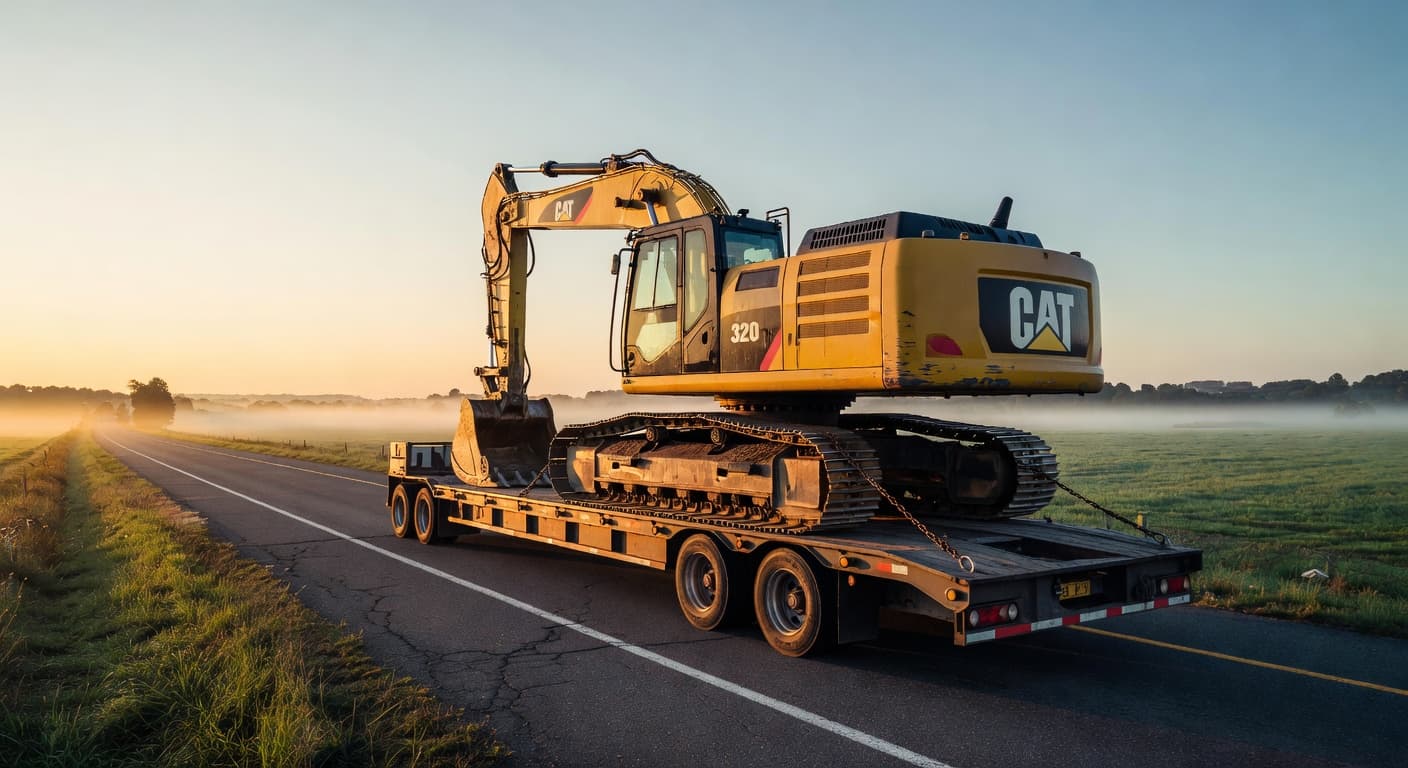
Typically covers heavy machinery like excavators, loaders, and generators against theft or damage at job sites and between them.

Installation Floater
Can help cover materials and fixtures from the moment you buy them until they are installed and accepted at a project.
Builders Risk
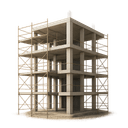
May cover a structure under construction, along with materials on site, against damage from fire, wind, theft, and vandalism.
Inland Marine Insurance Cost in Charleston
Average Cost in West Virginia
$20 - $85
per month
Businesses in West Virginia typically see inland marine insurance premiums of $20 - $85 per month, which tends to run 12% below the national range of $20 - $100 per month.
- Total insured value of the scheduled property
- Type and age of the equipment
- Where it is stored and how far it travels
- Jobsite security and theft prevention
- Per-item limits and deductibles
- Prior theft and in-transit losses
Contact CPK Insurance for a personalized quote.
Prices shown are general estimates, not guaranteed rates or quotes. Your actual premium will depend on the insurer, coverage selected, business details, location, claims history, and other underwriting factors. Learn about our pricing methodology.
The average inland marine insurance cost in West Virginia is shown at $20 to $85 per month, while the broader product benchmark is $20 to $100 per month, so local pricing appears close to the national pattern but still depends on the risk details of the account. West Virginia's premium index is 96, which supports the idea that pricing is near average rather than unusually high, but the state's elevated flooding risk can push premiums up for businesses that move property through flood-prone corridors or store it in exposed areas. Landslide exposure can also matter where access roads, slopes, or cut-through routes raise the chance of damage during transit. The state's severe storm and winter storm history may affect carriers' view of temporary storage, trailers, and job site handling.
When carriers price your policy, they weigh how much gear you insure, what you can afford to absorb out of pocket, your past claims, where you operate, your trade, and any add-ons you select. A contractor with expensive portable gear, frequent deliveries, or repeated job site moves may see a different rate than a business with lower-value mobile property and fewer transit miles. West Virginia's 240 active insurance companies mean you have real choices, but each one will still ask how often the property is moved, where it is stored, and whether it is exposed to flood-prone or storm-prone areas. If you are comparing cost, ask how the carrier prices tools and equipment versus goods in transit, because different property types can be rated differently even within the same account.
Industries & Insurance Needs in Charleston
County business mix is the useful signal here. Kanawha County has 4,483 business establishments, and the leading sectors by establishment share are health care and social assistance at 14.4%, retail trade at 14%, and other services, except public administration, at 12.8%. So the local inland marine conversation often centers on mobile professional equipment, merchandise in transit, service tools, and property that rotates between a main location and temporary working space. If you run a clinic support operation, service business, or retail-adjacent company, do not ask only for a generic tools form. Ask the quote to match how your property actually moves, who signs it in and out, and whether items are better scheduled individually or grouped by class. In a county with this many operating businesses, vendors, landlords, and clients may also expect cleaner proof of coverage for property that leaves the premises regularly.
What Makes Charleston Different
The main difference here is concentration of everyday mobile property in a compact business hub. Charleston is not just about long-haul transit exposure. It is about frequent short moves: office to client site, shop to vehicle, vehicle to temporary workspace, then back again. That pattern changes the buying calculus because many losses happen during ordinary handling, staging, and storage between stops, not during a dramatic shipment. For a local account, inland marine limits should be built around the items that are hardest to replace quickly and the workflows that create the most handoffs. A contractor may care about test equipment and specialty tools. A service firm may care more about laptops, tablets, and diagnostic devices. A retail-related operation may need closer attention on merchandise while it is being delivered or displayed away from the main premises. The point is to map movement, not just total value, before you choose limits.
Our Recommendation for Charleston
Start with an equipment list that reflects how property actually travels during a normal week. Separate items that stay on premises from items that ride in vehicles, move to temporary sites, or are checked out by employees. Then decide which pieces justify scheduled values because a delay in replacement would interrupt revenue, client service, or project timing. If your operation has several people handling the same property, tighten sign-out procedures and keep serial numbers, photos, and purchase records current so a claim can be documented cleanly. Review deductibles against what your business can absorb without disrupting payroll or job progress, rather than choosing the highest retention just to lower premium. If you already carry property or general liability coverage, ask where those forms stop responding once equipment leaves the building. A useful quote comparison should show limits, valuation method, transit treatment, temporary-location wording, and any vehicle-related restrictions side by side.
Get Inland Marine Insurance in Charleston
Enter your ZIP code to compare inland marine insurance rates from carriers in Charleston, WV.
Business insurance starting at $25/mo
FAQ
Frequently Asked Questions
Charleston businesses usually start with property that leaves the premises regularly, such as tools, diagnostic devices, tablets, instruments, and merchandise in transit. If one missing item would stop work the same day, ask to value it clearly instead of relying on a broad unscheduled limit.
Charleston accounts often need inland marine even for short local trips, because many losses happen during loading, unloading, temporary storage, or routine stops. Distance matters less than how often property changes hands and whether it sits in vehicles or temporary work areas.
Kanawha County has 4,483 business establishments, with health care and social assistance at 14.4%, retail trade at 14%, and other services at 12.8%. That mix points to mobile equipment, service tools, and merchandise movement, so quotes should match how property travels.
Charleston buyers should set the deductible around what the business can absorb without delaying jobs or replacing equipment on credit. With median household income at $64,512, many owners prefer balancing premium savings against the real cash impact of a mid-sized loss.
Charleston businesses should review temporary-location wording whenever property is staged at client sites, shared workspaces, or short-term storage. That language can matter as much as the limit itself, especially if equipment moves several times in a normal week.
In West Virginia, it is designed for property that leaves a fixed location, including tools, equipment, building materials, and goods being transported between jobs or stored temporarily offsite. The policy follows the property during transit, at job sites, and in temporary storage, which is especially useful for businesses that move gear across counties or into storm-prone areas.
It can cover mobile property while it is away from your main business address, including during temporary storage or while staged for a project. In West Virginia, that matters because flood, landslide, and severe weather exposure can be different at a job site than at your office or warehouse.
Contractors, electricians, plumbers, landscapers, builders, installers, photographers, caterers, retailers, distributors, and other businesses that move valuable property regularly are strong candidates. Small businesses make up 99.2% of West Virginia establishments, so many local operations rely on portable tools or materials that need this kind of coverage.
Sources
- 1.U.S. Census Bureau, ACS 5-Year Estimates, table B19013(With Charleston median household income at $64,512, many local buyers are balancing equipment values against what the business can realistically absorb on a deductible.)
- 2.U.S. Census Bureau, County Business Patterns, Kanawha County(Kanawha County has 4,483 business establishments, and the leading sectors by establishment share are health care and social assistance at 14.4%, retail trade at 14%, and other services, except public administration, at 12.8%.)
Updated July 5, 2026





