







































Updated July 16, 2026

Commercial Truck Insurance in Huntington
Property managers, hospital vendors, retail receivers, and prime contractors around Huntington often ask for current certificates before a truck enters a dock, starts a delivery schedule, or pulls onto a job site. For you, satisfying that request locally usually means matching the named insured, vehicle schedule, and liability limits to the contract before dispatch, not fixing paperwork after a load is delayed. That is where your policy becomes a practical buying decision, not just a compliance task. Cabell County has 2,327 business establishments, and even a small fleet can face frequent certificate requests from warehouses, stores, medical facilities, and service buyers that want proof of coverage on file before work starts. The county mix also matters. Retail trade accounts for 16.9% of establishments, health care and social assistance 16.5%, and accommodation and food services 12.1%. In plain terms, many local trips involve time-sensitive deliveries, tighter unloading windows, and customer locations that care about clean documentation. Before you quote, gather the details that determine how your policy is built: your garaging address, operating radius, trailer configuration, driver roster, and any shipper or landlord requirements you already receive.
Commercial Truck Insurance Risk Factors in Huntington
Huntington's top risk factors include Severe weather, Property crime, Flooding, and Vehicle accidents.
West Virginia has a high climate risk rating. Top hazards: Flooding (Very High), Landslide (High), Severe Storm (Moderate), Winter Storm (Moderate). The state's expected annual loss from natural hazards is $420M, which influences commercial truck insurance premiums and may affect coverage availability in high-risk areas.
What Commercial Truck Insurance Covers
Your policy can be built around the way your operation actually moves freight, including a tractor-trailer on mountain routes, a dump truck working around mining and construction activity, or a box truck making regional stops between Charleston and Wheeling. The core coverages in this product are motor carrier liability, physical damage, cargo coverage, trailer interchange, bobtail coverage, and non-trucking liability. Trailer interchange covers damage to trailers you pull but do not own, which matters when you swap equipment under a hauling agreement. In practice, depending on your selected coverages and policy terms, one policy may help address liability exposure tied to hauling, repair costs after a collision, and loss or damage to freight while it is in transit. West Virginia does not provide a special statewide commercial truck liability minimum beyond the commercial auto baseline, so your required limits can vary by freight type, shipper contract, and whether federal motor carrier rules apply to your operation. Trucking businesses often need higher limits because federal freight requirements and shipper expectations can exceed that baseline. Cargo insurance is usually written as a separate section, so a policy can include it without automatically covering every kind of freight or every cause of loss. If you carry comprehensive and collision coverage, physical damage may help with repairs after a collision, which matters on West Virginia roads where flooding, landslides, and winter storms are part of the risk picture. Bobtail coverage and non-trucking liability are especially relevant when a tractor is being driven without a trailer or outside dispatch, but the right choice depends on how your truck is used between loads and while off duty.
Coverage Included

Motor Carrier Liability
Can help cover injuries and property damage your truck causes to others, a coverage federal regulators require most for-hire carriers to maintain.
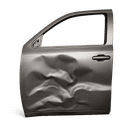
Physical Damage
Can help pay to repair or replace your own truck after an accident, fire, theft, or vandalism.
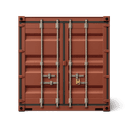
Cargo Coverage
May pay for damage to or theft of the freight you are hauling while it is in your care.
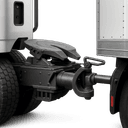
Trailer Interchange
Can help cover damage to trailers you haul under an interchange agreement but do not own.

Bobtail Coverage
May provide liability protection when you drive your tractor without a trailer attached, such as after dropping off a load.

Non-Trucking Liability
Can help cover accidents that happen when you use your truck for personal errands rather than dispatched work.
Commercial Truck Insurance Cost in Huntington
Average Cost in West Virginia
$360 - $1,100
per month
Businesses in West Virginia typically see commercial truck insurance premiums of $360 - $1,100 per month, which tends to run 4% below the national range of $400 - $1,125 per month.
- Radius of operation
- Commodities hauled and cargo value
- Number and value of power units
- Driver motor vehicle records and CDL experience
- DOT safety record, inspections, and FMCSA scores
- Liability limits and physical damage deductibles
Contact CPK Insurance for a personalized quote.
Prices shown are general estimates, not guaranteed rates or quotes. Your actual premium will depend on the insurer, coverage selected, business details, location, claims history, and other underwriting factors. Learn about our pricing methodology.
Commercial truck insurance cost in West Virginia is shaped by the routes you run, the type of freight you haul, and how your operation is structured. Location still matters because West Virginia has elevated flooding risk, a high overall climate risk rating, and repeated severe storm and flood declarations that can affect underwriting views on where trucks are parked, dispatched, and repaired. This environmental exposure may lead to higher premiums or claim denials if your trucks are regularly parked in vulnerable flood zones. Claims history also matters here, especially with state crash data showing weather conditions, lane departure, drowsy driving, reckless driving, and impaired driving as major causes. That means a single at-fault crash on a mountain grade can move your premium more than the state average alone. Coverage limits, policy endorsements, and your industry profile all influence the final quote. A fleet running through flood-prone counties or winter-weather corridors may see different pricing than a truck that stays on shorter, lower-risk routes. Many trucking accounts are priced as owner-operator or small-fleet risks, where vehicle type, annual mileage, and endorsements can matter a lot.
What Makes Huntington Different
In a market tied to stores, health care facilities, and hospitality accounts, your policy often gets judged first by whether it can satisfy a contract review quickly and accurately. Cabell County's establishment base is broad enough that a trucking business may serve several customer types in the same week. Each one can ask for different wording, additional insured requests, or higher liability limits before access is granted. When endorsements are slow, the named insured is wrong, or your policy setup does not match how the truck is actually used, the lowest-priced option can become expensive. If you deliver to medical offices, retail back doors, restaurants, or mixed commercial properties, review whether your current policy supports fast certificate issuance. You may also want hired and non-owned auto if staff occasionally use personal vehicles, and physical damage terms that fit financed equipment. Clean documentation upfront is what keeps a load moving when a receiver or property manager starts asking questions.
Our Recommendation for Huntington
Start your review with the contracts you already sign, not with a generic application. If a property manager, receiver, or contractor asks for specific limits or certificate wording, bring that language into the quote process so you can see whether the policy can support it without last-minute changes. Local delivery work here can cross retail, health care, and hospitality accounts in the same week. Each class of customer may screen vendors differently. If your trucks are financed, confirm lienholder information and physical damage deductibles before binding so there is no mismatch between the policy and the loan file. If you use leased trailers, borrowed trailers, or owner-operators, ask how each arrangement is scheduled and where gaps could appear. Keep your garaging address, driver MVR details, VINs, and operating radius current throughout the year, because outdated information is one of the most common reasons a certificate gets rejected at the last minute. Then request a quote built around your actual stops, cargo, and certificate demands, so you can compare terms that fit the work you are trying to keep.
Get Commercial Truck Insurance in Huntington
Enter your ZIP code to compare commercial truck insurance rates from carriers in Huntington, WV.
Business insurance starting at $25/mo
FAQ
Frequently Asked Questions
Buyers often run into certificate requests from property managers, contractors, and commercial customers before a truck reaches a dock or job site. With 2,327 business establishments in Cabell County, these requests can surface across routine local delivery work.
Delivery patterns can change how you review endorsements and certificate handling. In Cabell County, retail trade is 16.9% of establishments and health care and social assistance is 16.5%. Your stops may involve tighter unloading windows and customers that screen vendors by documentation quality.
Area owner-operators often serve several customer types in one week. Cabell County's leading sectors include retail trade at 16.9%, health care and social assistance at 16.5%, and accommodation and food services at 12.1%. A single route can hit three different insurance requirements before lunch.
Review limits before signing because contract requirements can hold up access to a site or delivery schedule. A broad local customer base in Cabell County means one truck may face different insurance requests from different commercial counterparties in the same month.
The median household income here is $43,146. For a small operation or family-run fleet, a premium spike may hit harder than it would for a larger carrier. That is a reason to compare deductibles, payment plans, and financed-equipment terms carefully before you bind coverage.
Depending on your selected coverages and policy terms, your policy may help address liability exposure tied to hauling, repair costs after a collision, and loss or damage to freight while it is in transit. The specific coverages and limits should match whether your operation is local, regional, or long-haul.
The state's commercial auto minimums apply, but trucking businesses may need higher limits depending on federal freight rules, shipper contracts, and the type of cargo hauled. Your specific operation determines what is actually required.
Cost depends on limits, deductibles, claims history, location, endorsements, and risk profile. Mountain routes, flood exposure, and winter weather can push pricing higher for certain operations, so a truck running daily through the Alleghenies will typically cost more to insure than a local delivery van in a lower-risk zone.
Sources
- 1.U.S. Census Bureau, County Business Patterns, Cabell County(Cabell County has 2,327 business establishments, so even a small fleet can face frequent certificate requests from warehouses, stores, medical facilities, and service buyers that want proof of coverage on file before work starts.; The county mix also matters: retail trade accounts for 16.9% of establishments, health care and social assistance 16.5%, and accommodation and food services 12.1%, so many local trips involve time-sensitive deliveries, tighter unloading windows, and customer locations that care about clean documentation.)
- 2.U.S. Census Bureau, ACS 5-Year Estimates, table B19013(Huntington's median household income is $43,146, which can make cash flow discipline more important for a small operation or family-run fleet.)
Updated July 16, 2026





