Updated July 16, 2026

Commercial Auto Insurance in West Virginia
A Charleston contractor with one pickup and a Beckley service firm running several vans do not buy the same policy, even though both put business vehicles on West Virginia roads every day. One may care most about protecting tools, towing exposure, and a driver who also handles estimates. The other may need tighter controls around who drives, how vehicles are garaged, and whether employee-owned cars ever get used for bank runs or job visits. That is why your policy works best when the quote follows your routes, vehicle types, driver mix, and job schedule, not a generic fleet template. State minimum liability rules set a legal floor, but they do not decide whether your limits fit mountain roads, narrow town streets, winter travel, or the cost of taking a work vehicle out of service after a crash. Before you request quotes, line up your vehicle list, regular drivers, garaging addresses, and any trailers or borrowed vehicles so you can compare policy terms on the parts that actually affect a claim.
What Commercial Auto Insurance Covers
In West Virginia, the useful coverage conversation usually starts with how your vehicles are used, not with a generic checklist. A paving company moving between county jobs, a home health agency sending staff to appointments, and a wholesaler making daily deliveries can all insure vehicles under commercial auto, but the pressure points are different. You want the quote built around ownership, driver assignment, cargo or equipment carried in the vehicle, and whether units stay close to one town or cross the state regularly.
Liability limits deserve close review because West Virginia requires at least $25,000/$50,000/$25,000 for auto liability. In plain terms, that means $25,000 for injury to one person, $50,000 total for injuries in a single crash, and $25,000 for property damage. That minimum keeps you on the road legally, but a single hospital stay or one piece of damaged equipment can exhaust it quickly. If one serious crash would strain cash flow or jeopardize a customer relationship, ask to compare higher liability options side by side.
Physical damage choices also need a practical review. If a financed truck, newer van, or specialized service body would be hard to replace quickly, ask how collision and comprehensive deductibles change the premium and your out-of-pocket cost after a loss. If employees sometimes rent vehicles, borrow a truck, or use their own cars for errands, bring that up early so hired auto or non-owned auto can be considered where it fits. The goal is not to buy every endorsement available. It is to match the policy to the way your vehicles actually move through your workweek.

Bodily Injury Liability
Covers injuries you cause to others in an accident

Property Damage Liability
Covers damage you cause to others' property
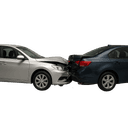
Collision Coverage
Pays for damage to your vehicle in an accident

Comprehensive Coverage
Covers theft, vandalism, weather, and animal damage

Medical Payments
Covers medical costs for your drivers and passengers

Uninsured Motorist
Protection when the other driver lacks insurance

Hired & Non-Owned Auto
Covers rented or employee-owned vehicles used for work
Commercial Auto Insurance Requirements in West Virginia
- West Virginia's $25,000/$50,000/$25,000 minimum liability limits can be exhausted by a single injury claim, so businesses whose vehicles enter customer sites or support contract work should ask whether higher limits are warranted.
- Mountain travel, winter driving, and narrow local roads can change how you think about deductibles, downtime planning, and which vehicles need stronger physical damage terms.
- Businesses with take-home trucks or vans should disclose home garaging clearly, because where a vehicle is kept can affect underwriting and claim handling.
- If your operation mixes owned vehicles with employee cars, rentals, or borrowed trucks, ask for a coverage review before assuming one policy form addresses each exposure.
How Much Does Commercial Auto Insurance Cost in West Virginia?
Average Cost in West Virginia
$130 - $380
per month
Businesses in West Virginia typically see commercial auto insurance premiums of $130 - $380 per month, which tends to run 7% below the national range of $140 - $410 per month.
- Fleet size and vehicle types
- Driver records and experience
- Coverage limits and deductibles
- Business industry and use
- Annual mileage and operating radius
- Claims history
Rates based on small business averages. Your actual premium may vary.
Commercial auto pricing in West Virginia usually moves with exposure details you can control and document. Your premium depends on vehicle type, radius of travel, driver records, garaging location, liability limits, deductibles, and whether you insure one unit or several.
A single pickup used by an owner who drives to local jobs may price very differently from a van that carries employees, tools, and parts every day. Heavier vehicles, specialized bodies, frequent backing, dense parking conditions, and regular use on steep or winding routes can all change how an underwriter views the account. So can the difference between occasional business use and nonstop service scheduling.
You can make the pricing conversation more accurate by preparing a current vehicle schedule, VINs, garaging addresses, annual mileage estimates, and a driver list with license details before you shop. If one vehicle is seasonal, spare, or used only by a specific supervisor, say so. If you are comparing quotes, keep the liability limits and deductibles aligned across each option. Otherwise, one quote can look cheaper simply because it shifts more risk back to you at claim time.
If cost is tight, ask for options that change deductibles, remove unnecessary vehicle classes, or separate higher risk drivers from lower risk units where underwriting allows. That gives you a cleaner way to manage premium without cutting a coverage part you may need after a loss.
| Coverage Type | What It Covers | Typical Limits |
|---|---|---|
| Bodily Injury Liability | Injuries to others in accidents you cause | $500K to $2M |
| Property Damage Liability | Damage to others' property | $100K to $1M |
| Collision | Damage to your vehicle in an accident | Actual cash value |
| Comprehensive | Theft, vandalism, weather, animal damage | Actual cash value |
| Medical Payments | Medical costs for your drivers/passengers | $5K to $25K |
| Uninsured Motorist | Protection when other driver lacks insurance | $500K to $1M |
| Hired & Non-Owned | Rented or employee personal vehicles | Same as liability limits |
Bodily Injury Liability
- What It Covers
- Injuries to others in accidents you cause
- Typical Limits
- $500K to $2M
Property Damage Liability
- What It Covers
- Damage to others' property
- Typical Limits
- $100K to $1M
Collision
- What It Covers
- Damage to your vehicle in an accident
- Typical Limits
- Actual cash value
Comprehensive
- What It Covers
- Theft, vandalism, weather, animal damage
- Typical Limits
- Actual cash value
Medical Payments
- What It Covers
- Medical costs for your drivers/passengers
- Typical Limits
- $5K to $25K
Uninsured Motorist
- What It Covers
- Protection when other driver lacks insurance
- Typical Limits
- $500K to $1M
Hired & Non-Owned
- What It Covers
- Rented or employee personal vehicles
- Typical Limits
- Same as liability limits
How West Virginia compares with the national baseline
Uninsured drivers
9.2% vs 11.6% baseline
About 9.2% of West Virginia drivers are estimated to be uninsured, below the 11.6% average across states.
Fatal crashes per 100 million miles
1.78 vs 1.33 baseline
West Virginia sees about 1.78 fatal crashes per 100 million miles driven, above the national average of 1.33.
Blue bar: West Virginia. Gray line: national baseline.
Prices shown are general estimates, not guaranteed rates or quotes. Your actual premium will depend on the insurer, coverage selected, business details, location, claims history, and other underwriting factors. Learn about our pricing methodology.
Request a Quote Comparison
Enter your ZIP code to compare commercial auto insurance rates from top carriers.
Business insurance starting at $25/mo
Who Needs Commercial Auto Insurance?
In West Virginia, the buyers who most often need this coverage are not just businesses with logos on the doors. You should review commercial auto any time a vehicle is titled to the business, leased by the business, regularly used to visit job sites, or assigned to employees for work travel. The issue is business use and ownership structure, not whether the vehicle looks like a fleet truck.
That matters for small operations across the state. A contractor may have one pickup that hauls materials during the week and still looks personal at a glance. A real estate or property management firm may have staff driving between locations all day. A repair company may dispatch vans from home addresses instead of a central yard. A nonprofit, church-related operation, or local service business may rely on a mix of owned vehicles and employee cars. Each setup creates a different insurance question, and a personal auto policy may not line up with all of them.
You should also review the policy if employees ever use their own vehicles for deposits, supply runs, client visits, or temporary deliveries. That does not automatically mean every account needs the same add-on, but it does mean the exposure should be discussed before a claim tests it. The same goes for borrowed trucks, short-term rentals, and trailers attached to covered vehicles.
A practical rule is simple: if a vehicle may help you earn revenue, serve clients, transport staff, or fulfill contracts in West Virginia, put that use in front of an agent and ask whether your current policy form matches it. That review is often where coverage gaps show up.
| Requirement | What West Virginia law says |
|---|---|
| Auto liability minimums | $25,000/$50,000/$25,000 (bodily injury per person / per accident / property damage). These floors apply to personal and business vehicles alike; lenders and contracts often require more. |
| Where to verify | West Virginia Offices of the Insurance Commissioner publishes current requirements, consumer guides, and license lookups. |
Commercial Auto Insurance by City in West Virginia
Commercial Auto Insurance rates and coverage options can vary across West Virginia. Select your city below for localized information:
How to Buy Commercial Auto Insurance
Buying commercial auto in West Virginia goes more smoothly when you build the submission around operations, not just around a vehicle count. Start with a complete schedule of owned, leased, financed, and regularly used vehicles, then note where each one is garaged, who normally drives it, and what it carries. If a truck pulls a trailer, a van stores tools overnight, or a supervisor takes a vehicle home, include that detail up front because it can affect both underwriting and policy structure.
Next, separate your drivers by role. An owner who drives occasionally, a full-time field technician, and an office employee who only runs errands do not present the same exposure. If you have written vehicle use rules, MVR review practices, or restrictions on personal use, mention them. Those details help an underwriter understand how tightly the account is managed.
Then compare quotes on matching terms. Keep liability limits, deductibles, and covered auto designations consistent so you can see real differences in price and form language. West Virginia oversight comes through the West Virginia Offices of the Insurance Commissioner, so if you are reviewing policy documents or complaint information, use that source and make sure the policy terms you are comparing are current and clear. Before binding, work through a few claim-focused questions with your agent, including which vehicles are covered, whether any drivers are excluded, how newly acquired vehicles are handled, whether hired auto or non-owned auto should be added, and what documentation the carrier expects after a loss. Those answers tell you whether the policy will actually perform when a claim hits, not just whether the price was competitive on the day you bought it.
Request a quote through CPK Insurance to compare your options with participating licensed providers.
How to Save on Commercial Auto Insurance
The cleanest way to save on commercial auto in West Virginia is to remove uncertainty from the account. Insurers price unknowns conservatively, so your first savings move is better documentation. Accurate garaging addresses, current driver lists, realistic mileage, and a vehicle schedule that shows which units are active, spare, seasonal, or assigned to one person all help an underwriter see the real exposure. If a truck is sold, parked, or rarely used, update the policy instead of letting old exposure stay on the books.
Driver management is the next lever. If you have a few employees who drive every day and others who only drive occasionally, make that distinction clear. Restricting who can operate higher value or heavier vehicles can help keep the account easier to underwrite. Written rules on phone use, backing, after-hours use, and reporting minor damage also matter because they show that losses are being managed before they become larger claims.
Vehicle choice affects premium too, so before replacing a unit, ask for an insurance estimate on the new vehicle class and body type. A work truck with specialized equipment, a cargo van with frequent urban stops, and a plain pickup used for supervisor travel can price very differently even if they serve the same business.
Finally, compare deductible options carefully instead of focusing only on the lowest monthly number. A higher deductible can reduce premium, but only if your business can absorb that amount without disrupting payroll or operations after a loss. The best savings decision is the one that lowers premium while keeping the policy workable on your worst ordinary day, not just on your best month.
Our Recommendation for West Virginia
For West Virginia buyers, the smartest commercial auto decision is usually a routing and usage decision before it is a price decision. Start by grouping vehicles by what they actually do: local service calls, material hauling, supervisor travel, delivery work, or mixed use. That makes it easier to spot where higher liability limits, physical damage, hired auto, or non-owned auto deserve a closer look.
Do not stop at the state minimums if your vehicles are financed, carry equipment, enter customer property, or support contracts that could be disrupted by a serious crash. The legal floor keeps you compliant, but it may not match the financial risk of taking a truck or van out of service for even a short period. You should also review where vehicles sleep at night. A unit kept at an employee home, a yard, or a shop can be underwritten differently, and that detail is easy to miss if you rush the quote request. The same goes for trailers, temporary substitute vehicles, and employee-owned cars used for work tasks.
If you want better quote accuracy, send the vehicle schedule, driver list, garaging addresses, and current declarations page together, then ask for one clean comparison with aligned limits and deductibles. That gives you a practical buying decision instead of a stack of numbers that are hard to trust.
FAQ
Frequently Asked Questions
West Virginia requires at least $25,000 per injured person, $50,000 per crash for injuries, and $25,000 for property damage. Confirm your policy meets that floor, then decide whether higher limits fit your operations better.
West Virginia minimum limits satisfy the legal requirement, but a contractor truck or service van may need more if it carries equipment, enters customer property, or supports jobs where one crash could disrupt revenue.
Your premium depends on vehicle type, drivers, garaging, mileage, limits, and deductibles.
West Virginia businesses often do need a commercial policy even for one pickup if the vehicle is business-owned, regularly used on jobs, carries tools or materials, or is driven by employees.
West Virginia businesses should review employee-owned car use carefully if staff make deposits, visit clients, or run supplies. That exposure is different from an owned vehicle schedule and should be discussed before a claim happens.
West Virginia quote requests go faster when you provide a vehicle schedule, VINs, garaging addresses, driver information, mileage estimates, and details on trailers, rentals, or employee car use.
West Virginia commercial auto insurance is regulated by the West Virginia Offices of the Insurance Commissioner, which is the state source to check for regulatory information and policy oversight.
Commercial auto insurance can help cover liability for bodily injury and property damage, collision damage to your vehicles, comprehensive coverage for theft and weather damage, medical payments, and uninsured/underinsured motorist protection. It also can help cover hired and non-owned vehicles with the right endorsements.
Sources
- 1.West Virginia Offices of the Insurance Commissioner(West Virginia requires at least $25,000/$50,000/$25,000 for auto liability limits.; West Virginia commercial auto insurance is regulated by the West Virginia Offices of the Insurance Commissioner.)
Updated July 16, 2026