Updated July 16, 2026

Builders Risk Insurance in Morgantown
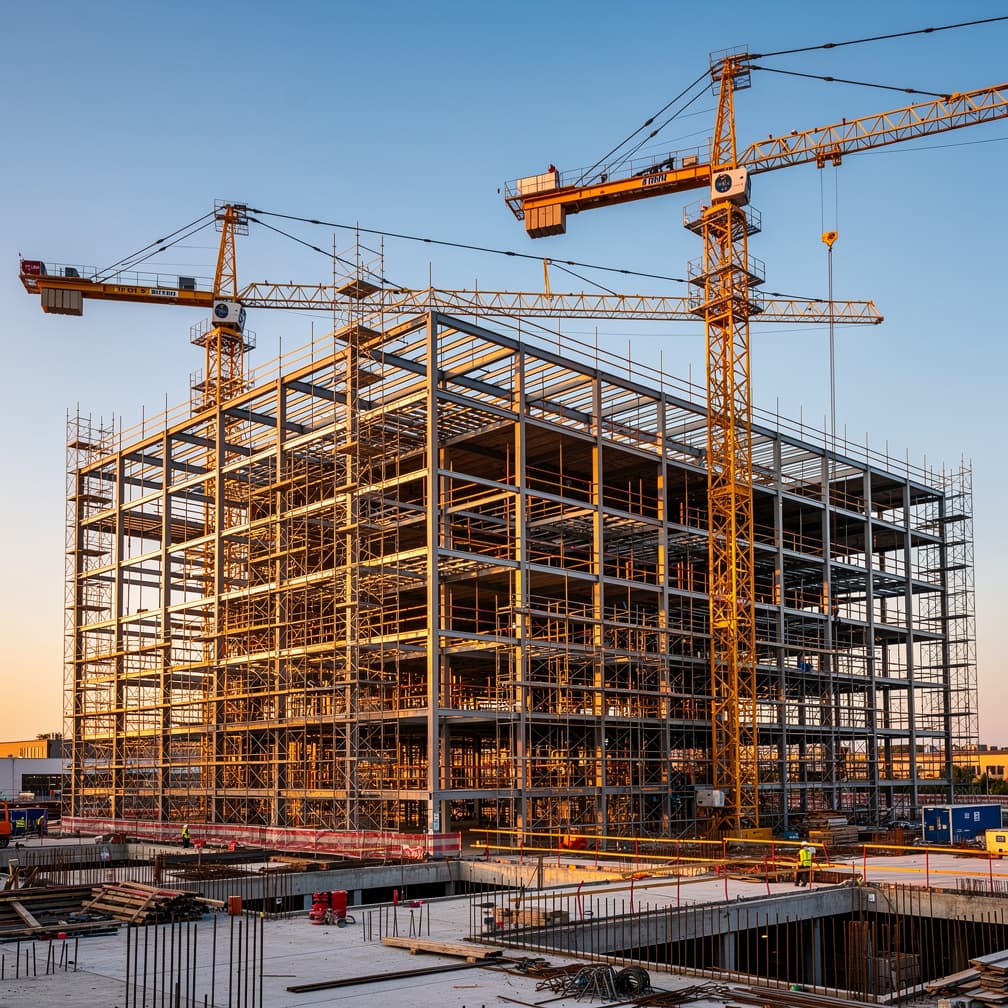
A builders risk policy tailored to Morgantown often needs to account for who will occupy the finished space, how materials are staged, and how quickly the job moves from shell to turnover. In many cases, a standard project form is not enough. Most local work heads toward tenant build-outs and commercial renovations rather than stand-alone residential construction. Monongalia County has 2,472 business establishments, which means you are rarely the only project in the pipeline competing for underwriter attention and local trades. The leading sectors are retail trade at 14.9%, accommodation and food services at 14%, and health care and social assistance at 11.7%. In practical terms, that mix means a buyer should review whether the project is a first-generation build, an interior fit-out, or a renovation inside an operating property before requesting terms. Knowing where your work falls on that spectrum tells you what to declare, when coverage should start, and which project documents underwriters usually want to see.
Builders Risk Insurance Risk Factors in Morgantown
Morgantown's top risk factors include Severe weather, Property crime, Flooding, and Vehicle accidents.
West Virginia has a high climate risk rating. Top hazards: Flooding (Very High), Landslide (High), Severe Storm (Moderate), Winter Storm (Moderate). The state's expected annual loss from natural hazards is $420M, which influences builders risk insurance premiums and may affect coverage availability in high-risk areas.
What Builders Risk Insurance Covers
A typical policy can help cover the structure under construction, materials waiting on site, items stored away from the project before delivery, and temporary structures or equipment support that keep the job moving. A hillside custom build, a downtown rehabilitation, and a light commercial shell each create different property-in-transit, storage, and jobsite control issues. Instead of assuming the same form works for every job, review how the work is staged from delivery through installation and handoff.
For many projects, the key question is not just whether the structure under construction is scheduled correctly. You also need to check whether the policy is designed to address those materials and temporary structures. If your project uses phased construction, partial occupancy, or owner-furnished materials, those details should be raised before you finalize your policy, not after a loss.
West Virginia weather and terrain can also affect how you think about soft spots in the build plan. If access roads are narrow, deliveries are staggered, or materials sit longer before installation, ask for a specific review of where property is located at each stage. If you are renovating an existing building, distinguish between the value of the work being installed and property that should be handled under another policy, and confirm how the occupied portion is treated. That helps you avoid assuming the builders risk form responds to property that may need to be insured elsewhere.
A useful quote request in this state usually includes the construction type, completed value, project term, security measures, storage arrangements, and whether any part of the building remains in use. That level of detail gives you a better chance of matching the policy to how the job actually runs.
Coverage Included

Structure Coverage
Covers the building or structure under construction.
Materials on Site
Covers building materials stored at the construction site.

Materials in Transit
Covers materials being transported to the job site.
Temporary Structures
Covers scaffolding, fencing, and temporary buildings.

Soft Costs
Covers additional expenses from construction delays due to covered losses.
Equipment Coverage
Covers permanently installed fixtures and equipment.
What Makes Morgantown Different
Most of the insurance decisions here come down to how a space transitions into active use. If your job is a restaurant conversion, a medical office renovation, or a storefront build-out, you should check whether the policy is being quoted on the right completed value. You also need to confirm whether existing structure needs to be scheduled and whether temporary storage or installation at more than one location needs to be addressed. A quote request works better when you send the construction contract, project timeline, lender requirements, and a clear description of what is new work versus existing building, all of which gives the underwriter a cleaner picture of the actual exposure.
Our Recommendation for Morgantown
Start with the contract set, not the application alone. On local projects, ask who is responsible for insuring the work and whether the owner, general contractor, or developer needs to be first named, and whether any tenant improvement obligations create a gap if the wrong party buys the policy. If the project is tied to a future operator, review opening-date pressure early and ask whether delay-related protection is worth discussing. That is especially relevant where equipment orders or inspections could hold up turnover. For residential work, use local property values as a reason to verify completed value carefully rather than estimating loosely. Morgantown's median home value is $238,200, so even a modest renovation can represent enough value to justify a close review of materials, fixtures, and any owner-supplied items before binding coverage. If you are financing the project, line up the lender's insurance requirements with the builder's scope of work before the first draw. When you request a quote, keep the same figures and dates consistent across every document.
Get Builders Risk Insurance in Morgantown
Enter your ZIP code to compare builders risk insurance rates from carriers in Morgantown, WV.
Business insurance starting at $25/mo
FAQ
Frequently Asked Questions
Morgantown projects often split between residential work and space built for future occupants. Because Monongalia County has 2,472 business establishments, many local jobs involve lease-driven build-outs, so clarifying existing structure, improvements and betterments, and opening deadlines before quoting can help you avoid a mismatch between the lease terms and the policy.
Morgantown restaurant and retail jobs should start with occupancy, construction scope, and whether the business will open on a fixed date. Retail trade is 14.9% and accommodation and food services are 14% of county establishments, which means fit-out details can matter as much as the shell work when underwriters are pricing the job.
Morgantown medical office work can involve specialized build-outs, phased completion, and owner-furnished equipment. Health care and social assistance accounts for 11.7% of county establishments, so separating building materials from equipment exposures and showing exactly when each phase is expected to finish can help you avoid gaps.
Morgantown residential buyers should check completed value carefully against plans, finishes, and any owner-supplied materials. With a median home value of $238,200, underreporting the project value can leave you reviewing limits too late, especially if the build includes upgraded interior selections.
Morgantown quote requests usually move better when you send the contract, project budget, timeline, site address, and lender insurance requirements together. If there is financing or a tenant delivery date, include that up front so the policy can be reviewed around the actual project obligations.
West Virginia projects often face underwriting questions about site access, material staging, and delays after weather interruptions. If your build depends on narrow roads, hillside grading, or exposed storage before enclosure, raise those details early so the quote matches the real job conditions.
West Virginia owner-builders can often seek coverage, but the quote usually depends on your construction experience, subcontractor plan, project budget, and site security. Prepare a clear scope summary and contract package before requesting terms.
West Virginia projects with phased turnover or occupied areas should review end-of-coverage triggers ahead of finalizing the policy. If tenants, owners, or business operations enter part of the building early, the builders risk form may need closer coordination with other property coverage.
Sources
- 1.U.S. Census Bureau, County Business Patterns, Monongalia County(In Monongalia County, there are 2,472 business establishments, so many build-outs and renovations here connect to a lease, lender requirement, or opening deadline that can affect how you set soft costs, delay terms, and named insureds.; The county's leading sectors are retail trade at 14.9%, accommodation and food services at 14%, and health care and social assistance at 11.7%, so a buyer should review whether the project is a first-generation build, an interior fit-out, or a renovation inside an operating property before requesting terms.)
- 2.U.S. Census Bureau, ACS 5-Year Estimates, table B25077(Morgantown's median home value is $238,200, so even smaller custom or renovation jobs can justify a close review of materials, fixtures, and any owner-supplied items before binding coverage.)
Updated July 16, 2026