Updated July 5, 2026

Car Insurance in Morgantown
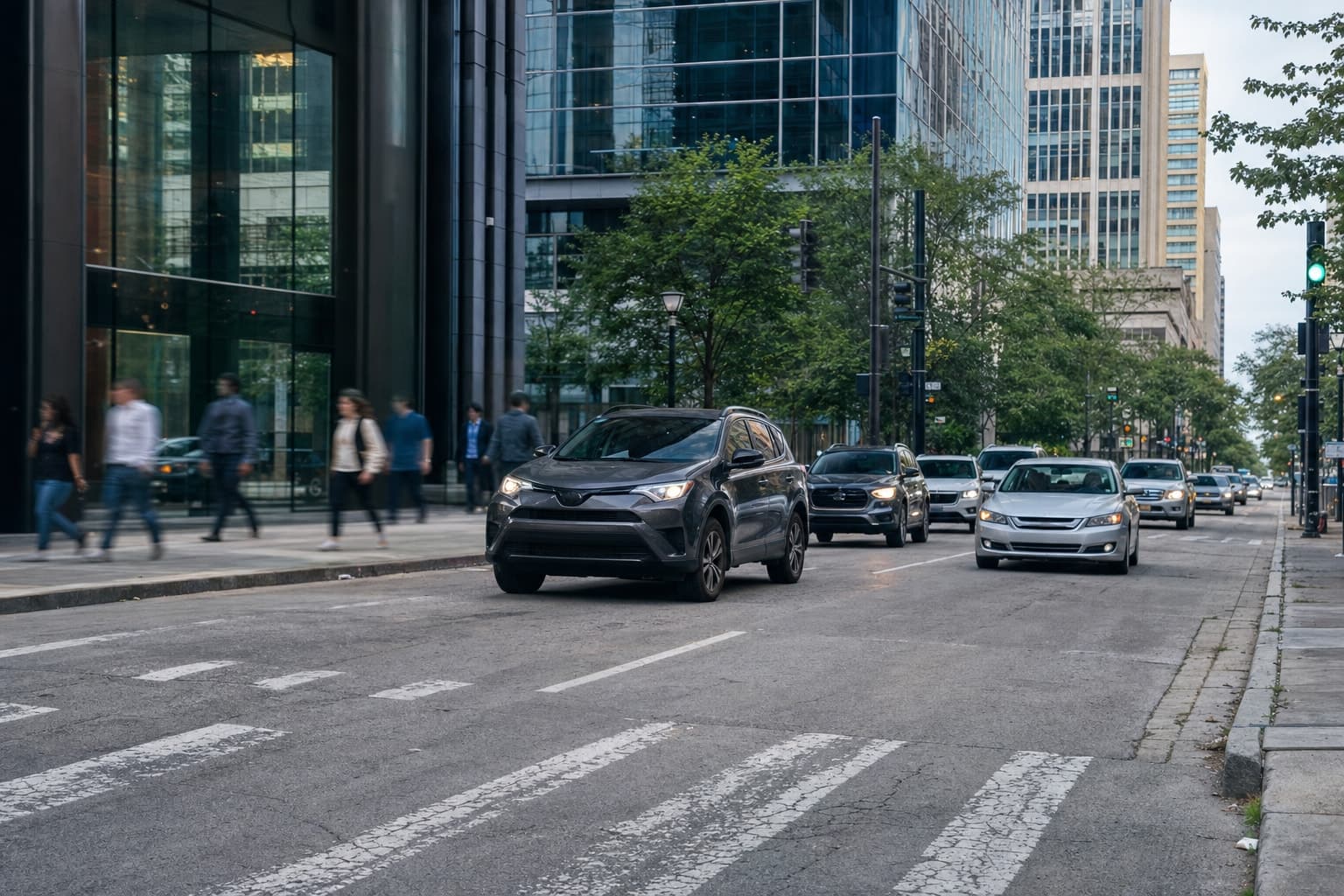
Morgantown’s median household income is $42,245, so a car claim can hit your budget harder if you carry a deductible that looks manageable on paper but is difficult to absorb after a crash, theft, or weather loss. That is the practical starting point for car insurance in Morgantown: match deductibles and physical damage limits to what you could actually pay this month, not just what lowers the premium. Around WVU traffic, apartment parking lots, and short in town trips that still put you in dense stop and go conditions, small losses can become frequent losses. If your vehicle is financed, used for commuting across town, or parked outside overnight, review whether your collision and comprehensive choices still make sense at renewal. If you own an older car outright, this is also a good place to test whether higher deductibles or narrower physical damage coverage still fit the vehicle’s value. Bring your current declarations page, lienholder information, garaging address, and typical mileage to a quote review so the comparison is built around how you actually drive here.
West Virginia has a high climate risk rating. Top hazards: Flooding (Very High), Landslide (High), Severe Storm (Moderate), Winter Storm (Moderate). The state's expected annual loss from natural hazards is $420M, which influences car insurance premiums and may affect coverage availability in high-risk areas.
What Car Insurance Covers
Car insurance in West Virginia is built around the same core protections used nationwide, but local conditions make the mix you choose more important. Liability coverage can help pay for injuries and damage you cause to others in an auto accident, and it is the foundation of any policy. Collision coverage may help repair or replace your vehicle after a crash. Comprehensive coverage is the part many West Virginia drivers review carefully because it can help with theft, hail, flooding, falling trees, and other non-collision damage. That matters in a state with significant flooding exposure and a history of severe storms and winter storms.
Uninsured motorist coverage is especially relevant here because some drivers carry little or no coverage, so it can help when the other driver cannot pay after a crash. Medical payments coverage can help with medical bills for you and your passengers after an accident. Rental reimbursement coverage can help keep you mobile while your car is being repaired, if you add it to the policy. West Virginia regulation is handled by the state's Offices of the Insurance Commissioner, and coverage options can vary by carrier, vehicle, and driving profile. The state-specific requirement details for personal auto policies should be confirmed with your insurer or the regulator before you bind coverage.
Coverage Included

Liability
Can help pay for injuries and property damage you cause to others in an accident, coverage most states require drivers to carry.
Collision
Can help pay to repair or replace your car after a crash with another vehicle or object, regardless of fault.

Comprehensive
Typically covers damage to your car from events other than collisions, such as theft, hail, fire, flooding, or hitting an animal.
Uninsured Motorist
May pay for your injuries and, in some states, car damage when an at-fault driver has no insurance or too little.

Medical Payments
Can help cover medical bills for you and your passengers after an accident, no matter who was at fault.
Rental Reimbursement
May pay for a rental car while your vehicle is in the shop for repairs after a covered claim.
Car Insurance Cost in Morgantown
Average Cost in West Virginia
$80 - $200
per month
In West Virginia, car insurance premiums typically run $80 - $200 per month, which tends to run 18% below the national range of $110 - $230 per month.
- Driving record and age
- Vehicle make, model, and year
- Location and commute distance
- Credit-based insurance score
- Coverage limits and deductibles
Contact CPK Insurance for a personalized quote.
Prices shown are general estimates, not guaranteed rates or quotes. Your actual premium will depend on the insurer, coverage selected, personal details, location, claims history, and other underwriting factors. Learn about our pricing methodology.
Your final price will vary based on coverage limits and deductibles, claims history, location, policy endorsements, and the vehicle you insure.
Local risk also influences pricing. West Virginia's flooding exposure, severe-storm history, and winter weather can make comprehensive coverage worth adding, and that protection can change the premium. Many drivers look closely at liability limits and collision deductibles because claim costs can be substantial. Rural driving, lane departure risk, and weather-related accidents can also affect the way insurers view a policy. If you drive in Charleston, Morgantown, Huntington, Parkersburg, or Wheeling, your location, commute pattern, and garaging address can all influence the quote.
What Makes Morgantown Different
Budget sensitivity is the main difference here. In Morgantown, the right policy decision is often less about chasing the lowest premium and more about avoiding a deductible or out of pocket repair burden that would be hard to handle after an accident. That changes how you should compare quotes. Instead of looking only at the monthly number, line up liability limits, collision and comprehensive deductibles, rental reimbursement, and whether you would need roadside help if the car is disabled away from home or campus. A slightly different deductible structure can matter more than a small premium change if you rely on one vehicle for work, classes, or family errands. This is also a market where parking arrangements vary a lot, from private driveways to shared lots and street parking, so your garaging details should be accurate. Ask for side by side options that show the tradeoff between premium savings now and claim costs later.
Our Recommendation for Morgantown
Start with the parts of the policy that create the biggest out of pocket swing after a loss. Review bodily injury and property damage limits first, then compare collision and comprehensive deductibles against cash you could realistically access without using credit. If you park in a shared lot, ask how your garaging situation is being classified, because that detail can affect the quote and should match reality. If your car is older and paid off, request one option with physical damage coverage and one without it, then compare that against the vehicle’s current value and your replacement plan. If you drive mostly short local trips, do not assume that means lower claim potential, because frequent parking, backing, and intersection exposure can still produce losses. Keep your driver list, address, annual mileage, and vehicle use current before you shop. A clean comparison starts with accurate inputs, then a free quote can show which deductible and limit combination is actually workable for your household.
Get Car Insurance in Morgantown
Enter your ZIP code to compare car insurance rates from carriers in Morgantown, WV.
Car insurance starting at $59/mo
FAQ
Frequently Asked Questions
Morgantown drivers should usually start with affordability after a claim, not just the monthly bill. A lower deductible can be worth considering if a sudden repair bill would strain your budget more than a modest premium difference.
Morgantown quotes come together faster when you have your declarations page, VIN, lienholder information, garaging address, driver list, and estimated annual mileage ready. Those details help you compare limits and deductibles on equal terms instead of guessing.
Monongalia County has 2,472 business establishments, so many drivers share the road with delivery, service, and customer traffic throughout the day. That is a good reason to review liability limits carefully instead of focusing only on minimum pricing.
Monongalia County is led by retail trade at 14.9%, accommodation and food services at 14%, and health care and social assistance at 11.7%. That mix points to steady parking lot, shift change, and errand traffic, so collision deductibles deserve a close look.
Start with liability coverage, then compare collision and comprehensive coverage based on how you drive in counties like Kanawha, Monongalia, and Cabell. If you regularly drive in storm-prone or flood-prone areas, comprehensive coverage may deserve more attention than a driver in a lower-risk area would give it.
Some drivers in the state carry little or no coverage, so uninsured motorist coverage is worth comparing carefully. It can matter if you are hit by a driver who cannot pay after an auto accident.
Collision coverage may help with crash damage, while comprehensive coverage can help with theft, hail, flooding, and other non-collision losses. West Virginia's flooding exposure and storm history make comprehensive coverage a practical part of many local policies.
Your price will vary based on coverage limits, deductibles, claims history, location, and endorsements.
Sources
- 1.U.S. Census Bureau, ACS 5-Year Estimates, table B19013(Morgantown’s median household income is $42,245, so a car claim can hit your budget harder if you carry a deductible that looks manageable on paper but is difficult to absorb after a crash, theft, or weather loss.)
- 2.U.S. Census Bureau, County Business Patterns, Monongalia County(Monongalia County has 2,472 business establishments, so many drivers share the road with delivery, service, and customer traffic throughout the day.; Monongalia County is led by retail trade at 14.9%, accommodation and food services at 14%, and health care and social assistance at 11.7%.)
Updated July 5, 2026