Updated July 16, 2026

Dealer Open Lot Insurance in Morgantown
A quote for dealer open lot insurance in Morgantown should be built differently from one for another West Virginia market. Your inventory turns in a college-driven retail environment where lot layout puts units, keys, and test-drive routines under constant pressure. What matters locally is how your operation handles frequent shopper traffic, tighter urban parcels, and inventory that may need repositioning quickly between the main display line, service area, and any off-site overflow. Monongalia County has 2,472 business establishments. In practical terms, that many active businesses means landlords, lenders, and vendors see coverage documents regularly and expect them to be accurate before they extend terms or share space. The county business mix leans toward retail trade at 14.9%, accommodation and food services at 14%, and health care and social assistance at 11.7%. Those sectors draw consistent foot traffic, which means more strangers walking your lot and more reason to review how customer access, parking flow, and after-hours security affect your exposure. Bring a current inventory list, every storage address, and your loss runs into the quote review.
Dealer Open Lot Insurance Risk Factors in Morgantown
Local lot conditions matter most where outdoor inventory sits close together and customer movement is constant. In a market tied to daily retail activity, a dealer should look closely at how vehicles are parked, how water moves across the pavement, where keys are stored, and whether units ever sit at a secondary address waiting for recon, detail, or overflow space. Those operational details change the concentration of value on the ground at any given time. State-level hazard patterns in West Virginia also make site control worth reviewing, especially if your lot has slope, runoff, or low spots that can leave vehicles exposed after heavy weather. That does not mean every location carries the same exposure. It means your quote should match the actual surface conditions, fencing, lighting, camera placement, and distance between rows here. Before you bind coverage, walk the lot as an underwriter would and note **drainage paths, gate access**, and where the highest-value units sit overnight.
West Virginia has a high climate risk rating. Top hazards: Flooding (Very High), Landslide (High), Severe Storm (Moderate), Winter Storm (Moderate). The state's expected annual loss from natural hazards is $420M, which influences dealer open lot insurance premiums and may affect coverage availability in high-risk areas.
What Dealer Open Lot Insurance Covers
Coverage conversations tend to go better when you start with how your inventory is actually parked and moved. A dealer with all units parked on one fenced lot has a different exposure than a dealer that stages fresh arrivals behind the shop, stores overflow inventory on a second parcel, and sends vehicles through outside vendors before they are front-line ready.
You should review how the policy treats vehicles at your primary lot, temporary storage areas, service or detail locations, and any place inventory sits overnight away from the sales address. If your operation uses a separate overflow lot, ask for that address to be reviewed directly instead of assuming it is picked up automatically. If units move between locations, confirm how that movement is treated and what records you need to keep if a claim follows.
Weather and site conditions also make physical layout worth discussing in plain terms. A lot with uneven grading, limited drainage, tree exposure, or narrow access lanes can create a different loss pattern than a broad paved site with controlled entry. If your inventory is packed tightly, ask how the policy responds when one event affects multiple units at once. If you keep higher value vehicles in a distinct area, note that in the submission so limits and deductibles can be reviewed against the actual concentration of value.
For licensing information, complaint resources, and policy handling questions, the West Virginia Offices of the Insurance Commissioner is the state office to check while you compare terms and endorsements.
Coverage Included

Weather Damage
Covers hail, wind, flood, and storm damage to lot inventory.
Theft Protection
Covers vehicles stolen from your lot.
Fire Damage
Covers fire and explosion damage to inventory vehicles.

Vandalism
Covers intentional damage to vehicles on your lot.
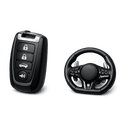
Test Drive Coverage
Covers vehicles during customer and employee test drives.
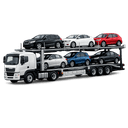
Transit Coverage
Covers vehicles being moved between lot locations.
What Makes Morgantown Different
What changes the calculus here is the volume and rhythm of retail-driven traffic. Many dealers operate in an environment with regular consumer movement, nearby parking demand, and frequent short-stop visits rather than purely destination shopping. For a dealer, that affects more than sales volume. It shapes how often shoppers enter the lot, how test drives are staged, how vehicles are lined up near public access points, and how quickly staff need to control keys during busy periods. Morgantown buyers should treat dealer open lot coverage as part of an operating plan, not just a certificate to satisfy a lender. If your display area is compact or split between addresses, ask for a review of concentration of value, security procedures, and whether every location where inventory sits is scheduled correctly before renewal.
Our Recommendation for Morgantown
Start with the schedule of locations and disclose every place where inventory sits. When units move between a main lot, a service area, or overflow parking during heavier sales periods, ask how each address is treated and whether any gap appears when vehicles are shifted. Next, review your inventory controls. Morgantown's median household income is $42,245. That income level suggests many local shoppers are budget-conscious, which can influence the types of units you stock and how quickly they turn. Request a quote review using your current inventory values, photos of the lot, and a written summary of lighting, fencing, cameras, and key control so the underwriter sees the operation as it exists today.
Get Dealer Open Lot Insurance in Morgantown
Enter your ZIP code to compare dealer open lot insurance rates from carriers in Morgantown, WV.
Business insurance starting at $25/mo
FAQ
Frequently Asked Questions
Morgantown lots with tighter layouts usually need closer review of vehicle spacing, customer parking flow, key control, and any overflow storage address. A compact footprint can concentrate value quickly, so your quote should match how inventory is actually parked and moved each week.
Morgantown dealers often shift units between display space, service areas, and overflow parking. If an address is missing or described loosely, the policy review may not match where inventory sits overnight, which is exactly what you want clarified before binding.
Monongalia County has 2,472 business establishments, so dealers often deal with lenders, landlords, vendors, and service partners that expect organized proof of coverage. Bring a current schedule of locations and inventory values so your documents hold up during routine business requests.
Morgantown dealers should bring a current inventory list, all lot and storage addresses, recent loss runs, and notes on fencing, lighting, cameras, and drainage. That gives the underwriter a clearer picture than a vehicle count alone and helps surface location-specific issues.
Morgantown buyer traffic can change how often shoppers enter the lot, request test drives, and move around parked units. Review staff procedures for keys, escort rules, parking layout, and after-hours security so the coverage discussion follows your real sales pattern.
Yes, if vehicles are owned for resale and sit exposed on the lot or at overflow storage. Small footprint does not always mean small exposure, especially when several units are parked close together.
It may, depending on how the policy is written and whether that address is disclosed. Ask for every overnight storage location to be reviewed directly before binding, rather than relying on assumptions.
Submit a current inventory list, every storage address, photos of security and lot conditions, and a clear explanation of how vehicles move between sales, recon, and storage areas.
Sources
- 1.U.S. Census Bureau, County Business Patterns, Monongalia County(Monongalia County has 2,472 business establishments, so nearby landlords, lenders, vendors, and service partners often expect clean proof of coverage and clear documentation before they extend terms or share space.; The county business mix also leans toward retail trade at 14.9%, accommodation and food services at 14%, and health care and social assistance at 11.7%, which points to steady local consumer movement and a practical need to review how customer access, parking flow, and after-hours lot security affect your exposure.)
- 2.U.S. Census Bureau, ACS 5-Year Estimates, table B19013(Morgantown's median household income is $42,245, so many local buyers shop used vehicles with price sensitivity, which can increase the importance of fast turnover, weekend traffic management, and disciplined test-drive procedures on affordable units that move quickly.)
Updated July 16, 2026