Updated July 16, 2026

Builders Risk Insurance in Green Bay
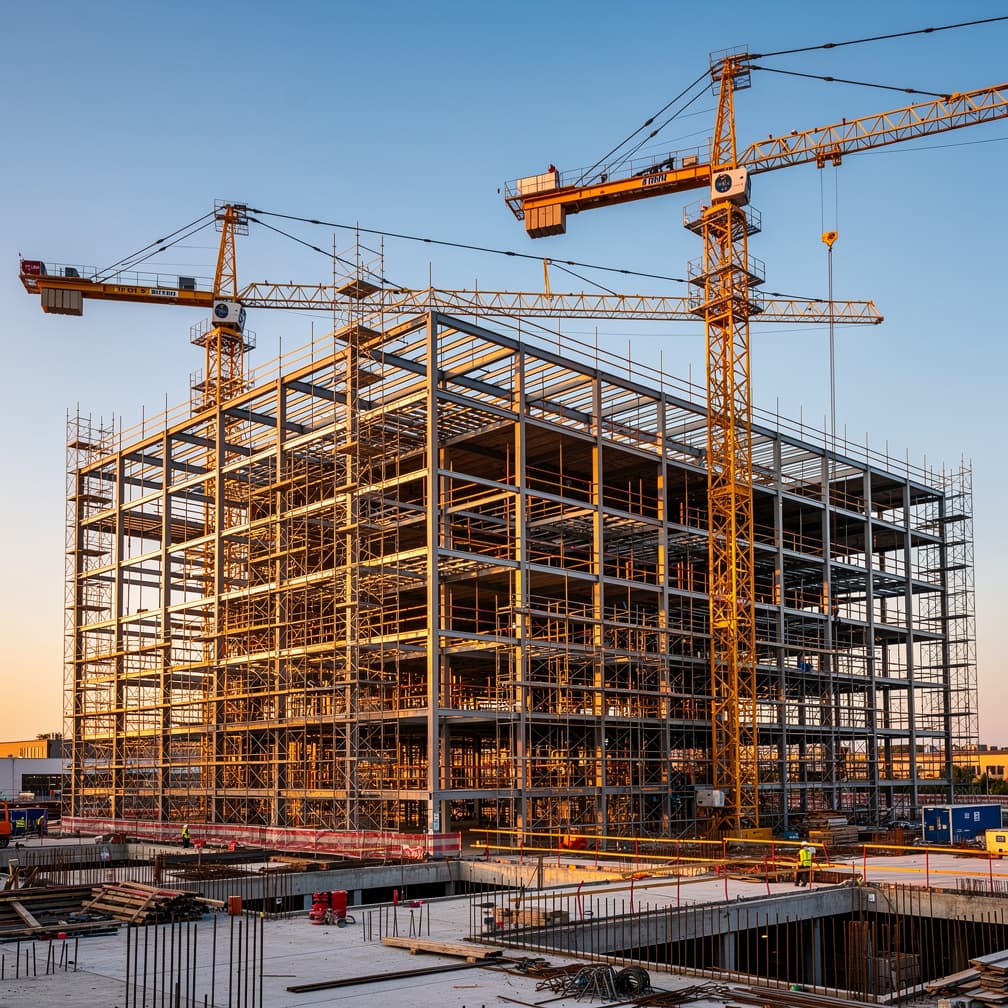
Builders risk insurance in Green Bay has to fit a sharper project mix than many owners expect. A quote here often needs to handle smaller commercial jobs, tenant build-outs, and residential work happening at the same time, not just a single ground-up build with a simple schedule. Brown County has 6,662 business establishments, with retail trade at 12.2%, health care and social assistance at 11.4%, and construction at 9.9%. That mix puts many jobs inside operating properties, where a single misplaced material delivery or phased turnover gap can trigger a claim your policy may not address.
Builders Risk Insurance Risk Factors in Green Bay
Local physical exposure is less about a unique city peril and more about how work is staged around existing property. In this market, many projects are renovations, additions, or infill jobs where materials sit near occupied buildings, neighboring structures, or active customer areas. That makes site security, fencing, debris handling, and **water intrusion planning** worth reviewing in detail before you bind. The city's housing values point to many residential jobs that can be modest-value remodels or rebuilds where one change order, one theft loss, or one weather-related delay can distort the budget quickly. That does not mean every project needs broad optional extensions, but it does mean you should pressure-test the completed value, the renovation scope, and whether existing structure exposure is included or excluded. If the work involves an older house, ask your agent to separate the value of new work from the value of property already standing so the policy is built around the actual exposure.
Wisconsin has a moderate climate risk rating. Top hazards: Severe Storm (High), Tornado (Moderate), Winter Storm (High), Flooding (Moderate). The state's expected annual loss from natural hazards is $880M, which influences builders risk insurance premiums and may affect coverage availability in high-risk areas.
What Builders Risk Insurance Covers
On a project, the useful coverage discussion starts with the build sequence, not a generic checklist. You want to review what is on site in each phase, what arrives early, what is installed quickly, and what could be damaged by moisture, wind, theft, or a loss during temporary vacancy.
For new construction, ask how the form treats materials after delivery, while stored in a locked structure, and while waiting for installation. If your project depends on custom millwork, cabinets, fixtures, or long-lead items, confirm whether they need to be specifically described so there is no dispute later about what was intended to be part of the covered work. If materials are stored off-site, review that separately instead of assuming it follows automatically.
For renovations, the key issue is often the line between the original structure and newly installed materials. If you are remodeling an occupied building, adding onto a commercial structure, or converting space while operations continue, ask where the form stops and where the permanent property policy needs to respond. That is especially important if water damage, temporary openings, or partial occupancy could affect both old and new portions of the building.
You should also review soft cost needs only if they are real to your project. A financed build, a tenant improvement with a delivery deadline, or a seasonal opening can justify a closer look at delay-related exposures. If the project uses temporary structures, scaffolding, fencing, or site trailers, ask whether those items belong under this policy or another line so there are no gaps created by assumption.
Coverage Included

Structure Coverage
Covers the building or structure under construction.
Materials on Site
Covers building materials stored at the construction site.

Materials in Transit
Covers materials being transported to the job site.
Temporary Structures
Covers scaffolding, fencing, and temporary buildings.

Soft Costs
Covers additional expenses from construction delays due to covered losses.
Equipment Coverage
Covers permanently installed fixtures and equipment.
Industries & Insurance Needs in Green Bay
Brown County's establishment mix changes the demand pattern for builders risk because the work often serves operating businesses, not just vacant land development. County data shows 6,662 establishments, led by retail trade at 12.2%, health care and social assistance at 11.4%, and construction at 9.9%. So a local quote often needs to account for phased remodels, interior finish work, equipment deliveries, and handoffs that happen while a tenant, patient-facing operation, or neighboring business remains active.
That matters because builders risk forms can differ on temporary storage, transit, delay-related costs, and how they treat property at or near an occupied location. If your project is a clinic refresh, storefront conversion, or contractor-led improvement for a business owner, bring the construction contract, draw schedule, and a line-item budget to the quote request. You want the insured value and covered property definitions to match the way the job is actually sequenced, not just the permit description.
What Makes Green Bay Different
That mix changes what you should review before binding coverage. Ask whether the form matches a renovation, addition, or interior build-out instead of assuming a standard new-construction setup fits. If your job touches an active storefront, clinic space, or a house that will be sold quickly after completion, walk through temporary storage, materials in transit, soft costs, and partial occupancy one by one. If your contract splits responsibility among owner, GC, and subs, line up named insureds and valuation early, because the local job mix creates more room for gaps than a straightforward vacant-site build.
Green Bay's median household income is $62,546. Many residential projects here are budget-sensitive and closely financed, which can make underreporting completed value, skipping soft-cost review, or accepting narrow theft and water-damage terms look tempting at first. The better move is to match coverage to the actual financial pressure points of the job, including lender requirements, change-order tolerance, stored materials, and the cost of restarting after a partial loss. When the project budget is tight, a small valuation mistake can become a large out-of-pocket problem during a claim.
Our Recommendation for Green Bay
Start with the construction contract and the draw schedule, then build the insurance request around those documents. A short quote request with the address, scope, timeline, budget, and contract insurance requirements usually gets you a more usable answer than a bare project total.
If the work touches an occupied building, review three points carefully. You need to know who insures the existing structure, whether materials are covered off-site and in transit, and how the form handles partial occupancy or phased completion. For residential work, compare the completed value against your actual rebuild or sale plan before you accept a limit. For commercial work, ask whether temporary storage, scaffolding, and debris removal need to be scheduled or increased.
Confirm who must be named on the policy if the owner, lender, and general contractor all have a stake in the project. Getting the named-insured list right at the start can prevent a coverage dispute when multiple parties are counting on the same policy to respond after a loss.
Get Builders Risk Insurance in Green Bay
Enter your ZIP code to compare builders risk insurance rates from carriers in Green Bay, WI.
Business insurance starting at $25/mo
FAQ
Frequently Asked Questions
Green Bay remodel projects should start with scope and valuation, because many local jobs are partial rebuilds or additions. You need to confirm whether existing structure is excluded, limited, or separately addressed before you bind coverage.
The county's concentration of retail, health care, and construction firms points to tenant improvements, occupied-site work, and phased projects. Ask about transit, storage, and partial occupancy terms before you bind.
Interior build-outs carry different risks because the exposure sits inside an operating property where foot traffic, adjacent tenants, and business continuity all complicate a loss. You should review who insures existing building elements, how materials are covered before installation, and whether the policy fits phased turnover instead of a single completion date.
Green Bay homeowners should base the limit on completed value and the actual scope of new work, not just current market value. Even modest projects can be underinsured if change orders and stored materials are ignored.
Projects quote more cleanly when you provide the contract, budget, timeline, site address, and lender requirements up front. **In a county where construction represents nearly one in ten establishments, you are likely competing for contractor time and materials alongside dozens of similar jobs, so a complete submission helps the carrier respond faster.**
Buyers can start with the Wisconsin Office of the Commissioner of Insurance, which regulates insurance in the state. This helps ensure the insurer is legally authorized to operate and backed by a state guaranty fund if they fail. Verify the entity name before you bind coverage, send payment, or rely on certificates for a construction closing or lender file.
Winter work can change the underwriting conversation because temporary heat, freeze protection, enclosure timing, and interior material storage become more important. Send those details with the initial submission so the quote reflects how the job will actually be managed.
Owners should check where the policy draws the line between the original structure and newly installed work, especially if the building stays occupied. Also confirm who is responsible under the contract and whether any lender or lease requirements need named parties.
Sources
- 1.U.S. Census Bureau, County Business Patterns, Brown County(Brown County has 6,662 business establishments.; Brown County's leading business sectors by establishment share are retail trade 12.2%, health care and social assistance 11.4%, and construction 9.9%.)
- 2.U.S. Census Bureau, ACS 5-Year Estimates, table B25077(Green Bay's median home value is $191,500.)
- 3.U.S. Census Bureau, ACS 5-Year Estimates, table B19013(Green Bay's median household income is $62,546.)
Updated July 16, 2026