







































Updated July 5, 2026

Commercial Truck Insurance in Green Bay
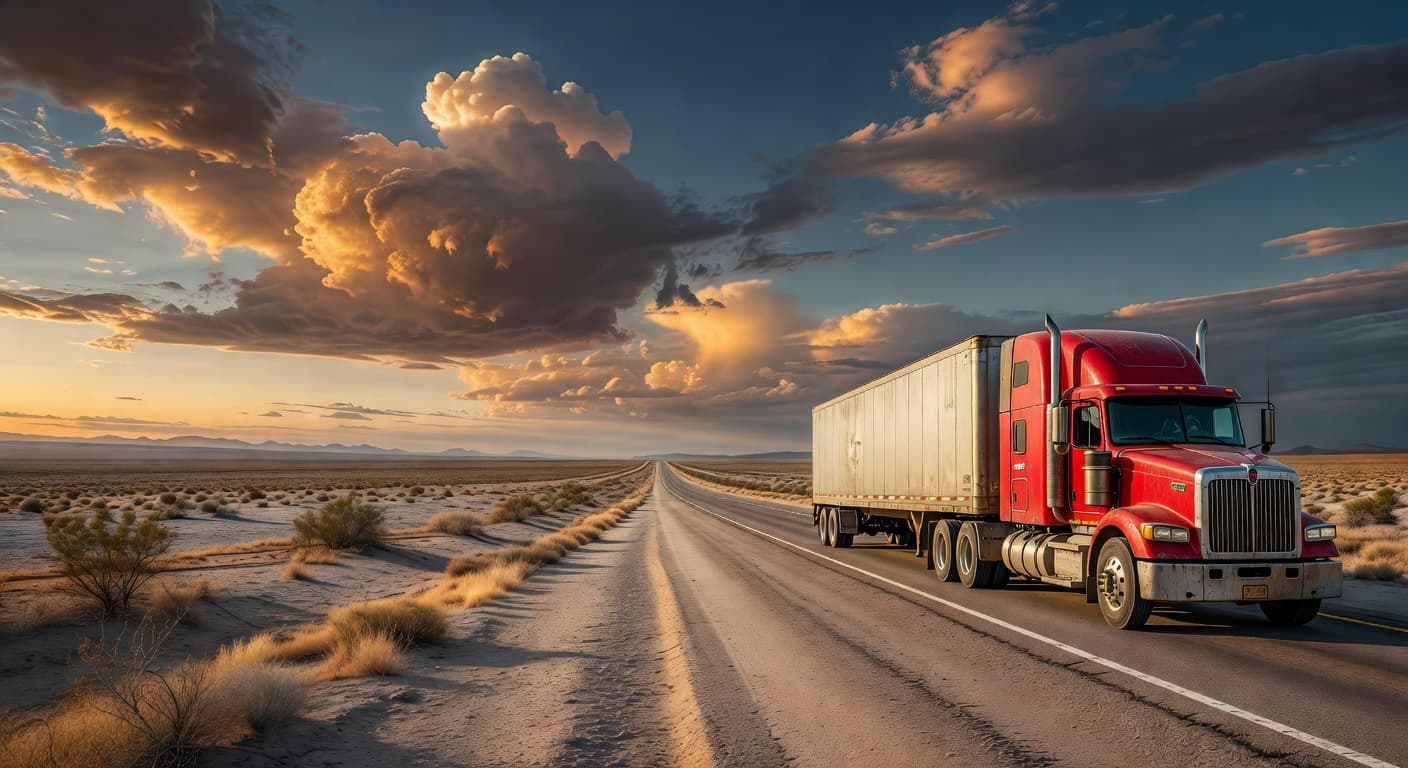
A box truck slides wide turning into a loading area after a lake-effect snow band moves through, and now you are dealing with vehicle damage, a delayed delivery, and a customer asking for proof of coverage before the next load moves. That is the practical reason to review commercial truck insurance in Green Bay with your actual routes, parking setup, and cargo schedule in mind. Local trucking here often means short urban runs mixed with county roads, warehouse pickups, retail deliveries, and contractor supply drops, sometimes all in the same day. Brown County has 6,662 business establishments, so a lot of shippers, job sites, and receiving docks can require certificates, higher liability limits, or tighter additional insured wording before they release work. If your operation serves stores, clinics, or construction accounts, the exposure is not just highway mileage. It is backing, loading, unloading, time-sensitive stops, and where the truck sits overnight. A useful quote review should match unit type, radius, driver roster, garaging address, and whether you haul your own materials or freight for others.
Commercial Truck Insurance Risk Factors in Green Bay
**Winter driving** is the local risk factor that changes the conversation here. A truck that spends part of the week on city streets and part on county routes can see very different traction, braking, and visibility conditions within the same dispatch window. That matters because many losses are not dramatic pileups. They are jackknife avoidance, curb strikes, backing damage in slush, trailer swing in tight lots, and claims that start with a missed stop but end with cargo spoilage or customer chargebacks. For a local fleet, it is worth reviewing physical damage deductibles against cash flow, confirming hired and non-owned auto if supervisors or staff use personal vehicles around jobs, and checking whether towing, rental reimbursement, or downtime-related options fit how you keep loads moving. If units are parked outside, ask how garaging and anti-theft details are being underwritten so the policy reflects real storage conditions rather than a generic assumption.
Wisconsin has a moderate climate risk rating. Top hazards: Severe Storm (High), Tornado (Moderate), Winter Storm (High), Flooding (Moderate). The state's expected annual loss from natural hazards is $880M, which influences commercial truck insurance premiums and may affect coverage availability in high-risk areas.
What Commercial Truck Insurance Covers
Commercial truck insurance in Wisconsin is built around the way your operation actually moves freight, not around a one-size-fits-all auto policy. The core protections can include motor carrier liability, physical damage coverage for your trucks, cargo insurance, trailer interchange, bobtail coverage, and non-trucking liability. That matters because many businesses here haul through winter-storm corridors and flood-prone areas, and those risks can create losses that go beyond simple road accidents. You should also compare policy language closely with contract requirements, since shippers and brokers may ask for higher limits than federal minimums before they hand over a load.
Wisconsin's commercial auto minimums sit at $25,000/$50,000/$10,000, but that does not replace federal trucking requirements for interstate freight or the higher limits that specific cargo may demand. The Wisconsin Office of the Commissioner of Insurance regulates the market, and coverage requirements may vary by industry and business size. An owner-operator hauling regional freight, a fleet serving manufacturing accounts, and a local delivery carrier may all need different combinations of endorsements and limits. Cargo coverage is typically a separate section designed for goods in transit, while physical damage may help cover the truck itself. Bobtail coverage and non-trucking liability can be important when the truck is used outside a dispatch load, and trailer interchange may matter if you move trailers under an agreement.
Coverage Included

Motor Carrier Liability
Can help cover injuries and property damage your truck causes to others, a coverage federal regulators require most for-hire carriers to maintain.
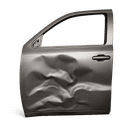
Physical Damage
Can help pay to repair or replace your own truck after an accident, fire, theft, or vandalism.
Cargo Coverage
May pay for damage to or theft of the freight you are hauling while it is in your care.
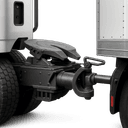
Trailer Interchange
Can help cover damage to trailers you haul under an interchange agreement but do not own.
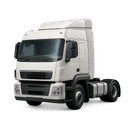
Bobtail Coverage
May provide liability protection when you drive your tractor without a trailer attached, such as after dropping off a load.

Non-Trucking Liability
Can help cover accidents that happen when you use your truck for personal errands rather than dispatched work.
Commercial Truck Insurance Cost in Green Bay
Average Cost in Wisconsin
$350 - $1,025
per month
Businesses in Wisconsin typically see commercial truck insurance premiums of $350 - $1,025 per month, which tends to run 10% below the national range of $400 - $1,125 per month.
- Radius of operation
- Commodities hauled and cargo value
- Number and value of power units
- Driver motor vehicle records and CDL experience
- DOT safety record, inspections, and FMCSA scores
- Liability limits and physical damage deductibles
Contact CPK Insurance for a personalized quote.
Prices shown are general estimates, not guaranteed rates or quotes. Your actual premium will depend on the insurer, coverage selected, business details, location, claims history, and other underwriting factors. Learn about our pricing methodology.
For Wisconsin trucking businesses, cost depends on coverage limits and deductibles, claims history, location, industry or risk profile, and policy endorsements. State premiums typically run 5 to 15 percent below national averages, though that does not mean every operation will see low pricing. A truck based in Milwaukee or Madison may be priced differently than one running rural lanes near flood-prone counties, winter-storm corridors, or long-haul routes that spend more time exposed to harsh weather. Wisconsin's 2024 disaster history includes a tornado outbreak, derecho, severe storms, river flooding, and a polar vortex, and those conditions can influence how insurers view physical damage and cargo exposure. The state's 2023 auto data also shows an uninsured driver rate of 12.4% and an average claim cost of $17,902. When more than one in eight drivers lacks insurance, your insurer may price uninsured motorist protection higher, and steep average claim costs can push liability premiums up.
Carrier competition is strong, with 420 active insurers in the state and several major carriers active. A fleet with clean claims, tighter deductibles, and well-matched endorsements may price differently than a higher-risk operation with more miles, more drivers, or more specialized hauling.
Industries & Insurance Needs in Green Bay
Brown County's business mix shapes who many truck operators serve day to day. Retail trade accounts for 12.2% of county establishments, health care and social assistance 11.4%, and construction 9.9%, so local trucking often involves recurring store deliveries, time-sensitive facility runs, and material hauling tied to active job schedules. That mix can change what an underwriter needs to understand. Retail and health-related deliveries can raise questions about delivery windows, loading practices, and whether cargo delays create contract friction. Construction-facing accounts can shift attention to trailer type, equipment transport, jobsite access, and who is responsible while materials are being unloaded. If your book of business leans toward one of those sectors, ask for the quote to be built around that lane mix instead of a broad trucking description. The more clearly your application matches your customers and stop patterns, the easier it is to review limits and endorsements that fit the work.
What Makes Green Bay Different
Short-haul density is what changes the calculus here. In some markets, trucking insurance is mostly about long interstate mileage. Around Green Bay, many operators stack multiple stops into a compact service area, then move out into the rest of Brown County or nearby lanes the same day. That creates a different claim profile: more backing, more dock contact, more turning exposure, more interaction with customer premises, and more chances for a small incident to interrupt a full day of scheduled deliveries. Brown County has 6,662 business establishments, so there are simply more commercial touchpoints where contract requirements and site-specific expectations can affect what you need to carry. The practical takeaway is to build the policy around stop frequency and customer type, not just annual miles. If your trucks spend more time entering lots, alleys, docks, and jobsites than cruising uninterrupted highway miles, your quote should be reviewed with that operating pattern front and center.
Our Recommendation for Green Bay
Start with your dispatch reality, not a generic trucking class code. List your unit types, normal radius, top customer categories, where trucks are parked, and whether drivers cross from delivery work into loading or jobsite activity. If you serve retail, medical, or contractor accounts, bring sample contract insurance requirements to the quote review so liability limits and endorsements can be checked against what customers actually ask for. It is also smart to review physical damage values before renewal if equipment prices or body modifications have changed. For owner-operators and small fleets, ask how deductibles affect premium and what claim scenarios would hit your cash flow hardest during winter operations. If you use leased units, borrowed trailers, or employee vehicles for errands tied to the business, say that early so coverage gaps can be considered before a loss exposes them. The goal is a policy built around your stops, storage, and service promises, not just the fact that you own a truck.
Get Commercial Truck Insurance in Green Bay
Enter your ZIP code to compare commercial truck insurance rates from carriers in Green Bay, WI.
Business insurance starting at $25/mo
FAQ
Frequently Asked Questions
Green Bay trucking operations often combine short delivery runs, dock work, and county-road driving in the same week, so the review should focus on stop frequency, backing exposure, overnight parking, and customer contract requirements, not only total miles.
Brown County has 6,662 business establishments, so many truck operators serve a wide mix of receiving locations. That can affect requested liability limits, certificate wording, unloading exposure, and how your application should describe daily operations.
Green Bay area construction-facing trucking can change the discussion because Brown County's construction sector represents 9.9% of establishments. If you deliver materials or move equipment, ask to review trailer use, jobsite access, and unloading responsibilities.
Brown County industry mix matters because retail trade is 12.2% of establishments and health care and social assistance is 11.4%. If those are your customers, delivery timing, premises access, and cargo handling details should be described clearly.
Green Bay garaging details are worth raising early because underwriters use storage location and conditions to evaluate the risk. If the truck is parked outside, at a yard, or at a residence, make sure the quote reflects that setup.
It can be built around motor carrier liability, physical damage, cargo coverage, trailer interchange, bobtail coverage, and non-trucking liability, depending on how you haul freight and whether you operate local, regional, or long haul.
Wisconsin's commercial auto minimums are listed at $25,000/$50,000/$10,000, but trucking businesses may need higher liability limits because federal freight rules, shipper contracts, and cargo type can require more.
Cost depends on limits, deductibles, claims history, location, and endorsements. Trucking operations can also see pricing change based on freight type, routes, and how the truck is used.
Sources
- 1.U.S. Census Bureau, County Business Patterns, Brown County(Brown County has 6,662 business establishments, so a lot of shippers, job sites, and receiving docks can require certificates, higher liability limits, or tighter additional insured wording before they release work.; Brown County's business mix shapes who many truck operators serve day to day: retail trade accounts for 12.2% of county establishments, health care and social assistance 11.4%, and construction 9.9%.)
Updated July 5, 2026





