Updated July 16, 2026

Dealer Open Lot Insurance in Green Bay
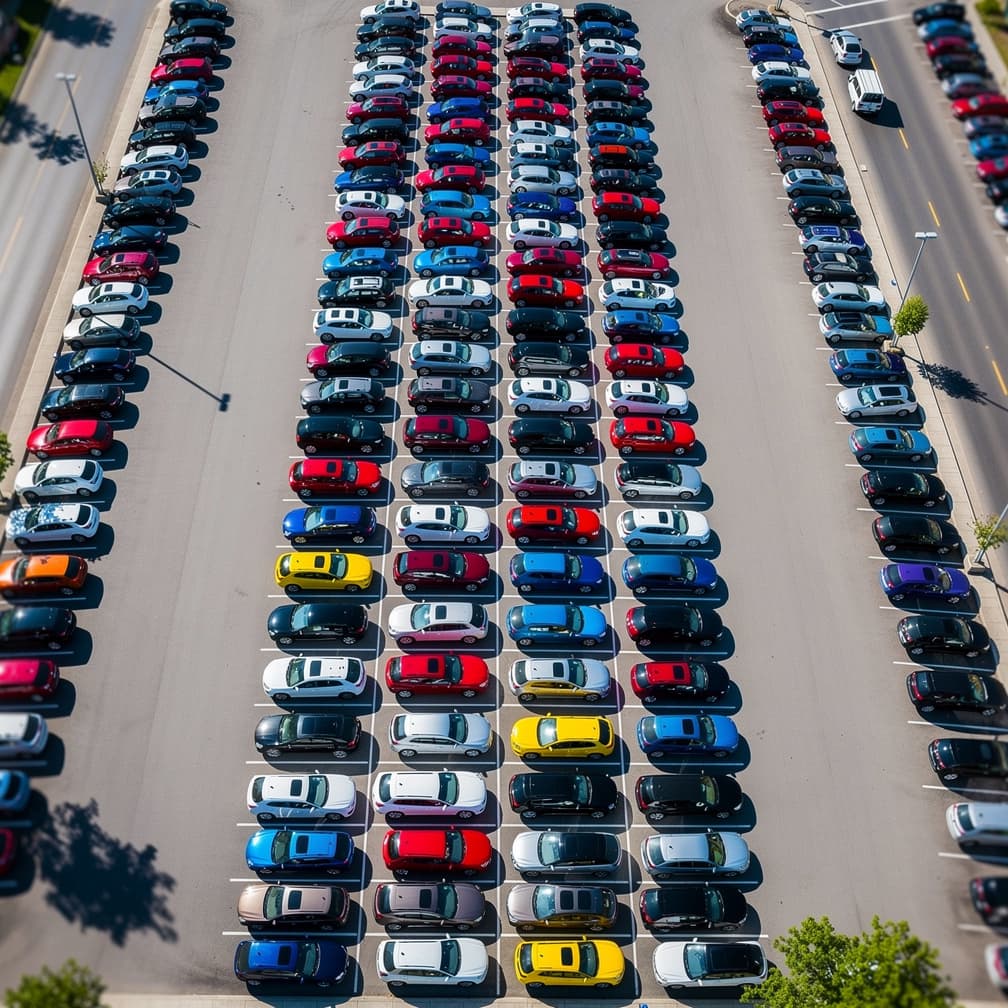
Brown County supports 6,662 business establishments, a concentration high enough that even a smaller independent lot faces lenders, landlords, and transport partners who expect organized proof of coverage and clean inventory controls. Dealer open lot insurance in Green Bay usually gets reviewed through that practical lens: how vehicles are parked, rotated, photographed, serviced, and moved between overflow spaces without gaps between what is on the lot and what is reported. With Green Bay median household income at $62,546, buyers tend to finance with modest down payments, so a delayed repair, title issue, or damaged unit can narrow your margin quickly if you are carrying value in older trade-ins or price-sensitive inventory. That makes it worth reviewing peak unit counts, any off-site storage, and how often vehicles sit outside before reconditioning is finished. When your operation uses more than one parking area, takes frequent trades, or holds units waiting on parts or cleanup, a quote built around your real inventory flow rather than a flat dealership description can keep you from paying for coverage that does not match how you actually work.
Dealer Open Lot Insurance Risk Factors in Green Bay
Green Bay's top risk factors include Severe weather, Property crime, Flooding, and Vehicle accidents.
Wisconsin has a moderate climate risk rating. Top hazards: Severe Storm (High), Tornado (Moderate), Winter Storm (High), Flooding (Moderate). The state's expected annual loss from natural hazards is $880M, which influences dealer open lot insurance premiums and may affect coverage availability in high-risk areas.
What Dealer Open Lot Insurance Covers
A dealership with a single fenced lot presents one underwriting picture. A dealership that keeps overflow units behind another business, sends vehicles to a reconditioning vendor, or rotates inventory through auctions presents a different one. Your policy review should focus on where vehicles sleep overnight, who has custody during transport or service, and whether any units are regularly kept away from the scheduled premises.
Weather exposure matters in Wisconsin because inventory can sit through severe storms that bring hail, falling tree limbs, and ice damage to roofs, glass, body panels, and lot surfaces. That makes it important to ask how the policy treats vehicles parked in open rows, under partial shelter, or at temporary storage locations. If your operation uses multiple addresses, confirm each one is disclosed and scheduled correctly. A claim gets harder to resolve when the loss location was never clearly listed.
You should also review how the policy handles ordinary dealership movement. That includes transfers between lots, trips to service or detail vendors, and customer test drive procedures if those activities connect to your inventory handling. The goal is to match policy language to your actual chain of custody. If a lender or landlord asks for proof of insurance, they usually want to see that the covered property, named insured, and location details line up with the way your dealership operates today, not the way it operated last year.
Coverage Included

Weather Damage
Covers hail, wind, flood, and storm damage to lot inventory.
Theft Protection
Covers vehicles stolen from your lot.
Fire Damage
Covers fire and explosion damage to inventory vehicles.

Vandalism
Covers intentional damage to vehicles on your lot.
Test Drive Coverage
Covers vehicles during customer and employee test drives.
Transit Coverage
Covers vehicles being moved between lot locations.
What Makes Green Bay Different
Brown County's economy spans retail, health care, and construction in roughly equal measure, so your buyer base likely includes retail workers, medical staff, and contractors who all need different types of vehicles. A lot may carry commuter cars, family SUVs, and light-duty pickups at the same time, with different values, reconditioning timelines, and storage patterns. When your inventory spans that range, your reporting method needs to keep pace with changing unit mix and temporary overflow parking. The real question is whether your coverage review matches how quickly your inventory type, concentration, and location can shift during a normal month, not just how many vehicles you own today.
Our Recommendation for Green Bay
Start with your inventory schedule and walk it against your actual lot practice. A dealer who keeps vehicles in a main display row, a back-fence holding area, and a temporary overflow section should ask whether each location needs to be scheduled or otherwise documented before a claim forces the issue. Stock that leans toward budget-conscious retail buyers calls for current values updated often, rather than older estimates that may lag behind what you have invested in repairs and cleanup. Separate sale-ready units from those waiting on parts, detailing, or title work, since those delays can leave vehicles sitting longer than you planned. Quote options that reflect peak inventory periods, not just an average week, can prevent a shortfall when your lot is fullest. Before binding, confirm who is responsible for reporting newly acquired units, how often values are updated, and what records you would need to show where each vehicle was stored.
Get Dealer Open Lot Insurance in Green Bay
Enter your ZIP code to compare dealer open lot insurance rates from carriers in Green Bay, WI.
Business insurance starting at $25/mo
FAQ
Frequently Asked Questions
Brown County's business density means a lender or landlord may ask for documentation on short notice, so your inventory reporting needs to match those day-to-day movements.
Green Bay household budgets matter because the city's median household income is $62,546, and buyers working with modest down payments have less room to absorb a unit that sits unrepaired or undelivered. If you sell price-sensitive vehicles or older trade-ins, use current unit values and update them regularly so a loss does not expose the margin you built through repairs and reconditioning.
Brown County's establishment mix spans retail, health care, and construction in near-equal proportions, pointing to varied local vehicle demand. **That variety means a single lot might sell a commuter sedan, a contractor's work truck, and a family SUV in the same week.** Quote around your changing unit mix, especially if you stock both commuter vehicles and work-oriented inventory.
Document every place vehicles are stored, how often units move between spaces, and who updates inventory counts. Those details let the quote reflect your real lot pattern instead of assuming every vehicle stays in one display area, which matters when a claim hinges on where a specific unit was located.
You can ask how policy forms and notices align with Wisconsin Office of the Commissioner of Insurance standards, but the bigger buying issue is operational fit. **Storage locations, reporting routines, and current inventory values come first, because a form that looks correct on paper will still fall short if it does not reflect how your lot actually runs.**
Wisconsin landlords, floorplan lenders, and some auction or storage partners often ask for proof before space, financing, or inventory access is finalized. They usually want the insured business name, covered locations, and effective dates to match your actual dealership operations.
Dealerships should review every active storage address with the carrier because claims can become harder when a loss happens at a location that was not clearly disclosed or scheduled. That matters even more if you use overflow parking or vendor storage.
Floorplan lenders often expect proof that your inventory exposure is insured before financing is finalized or renewed. You should compare lender requirements against the quote early, especially the named insured, covered property description, and certificate timing.
Sources
- 1.U.S. Census Bureau, County Business Patterns, Brown County(Brown County supports 6,662 business establishments.; Brown County's leading sectors by establishment share are retail trade 12.2%, health care and social assistance 11.4%, and construction 9.9%.)
- 2.U.S. Census Bureau, ACS 5-Year Estimates, table B19013(Green Bay median household income is $62,546.)
- 3.Wisconsin Office of the Commissioner of Insurance(Wisconsin's insurance regulator is the Wisconsin Office of the Commissioner of Insurance.)
Updated July 16, 2026