Updated July 16, 2026

Key Takeaways
- List every way customer vehicles enter, move through, and stay on your premises before you request a garage keepers quote.
- Compare collision losses against theft, fire, vandalism, and weather losses so your quote matches your actual custody exposure.
- Ask how customer vehicles are valued after a loss, especially if you handle newer, specialty, or recently upgraded vehicles.
- Review key control, intake photos, lot security, and employee driving rules before renewal to improve both pricing and claim defensibility.
- Request side-by-side quotes with the same limits, deductibles, and storage assumptions so you can spot real coverage differences.
Garage Keepers Insurance in Wisconsin
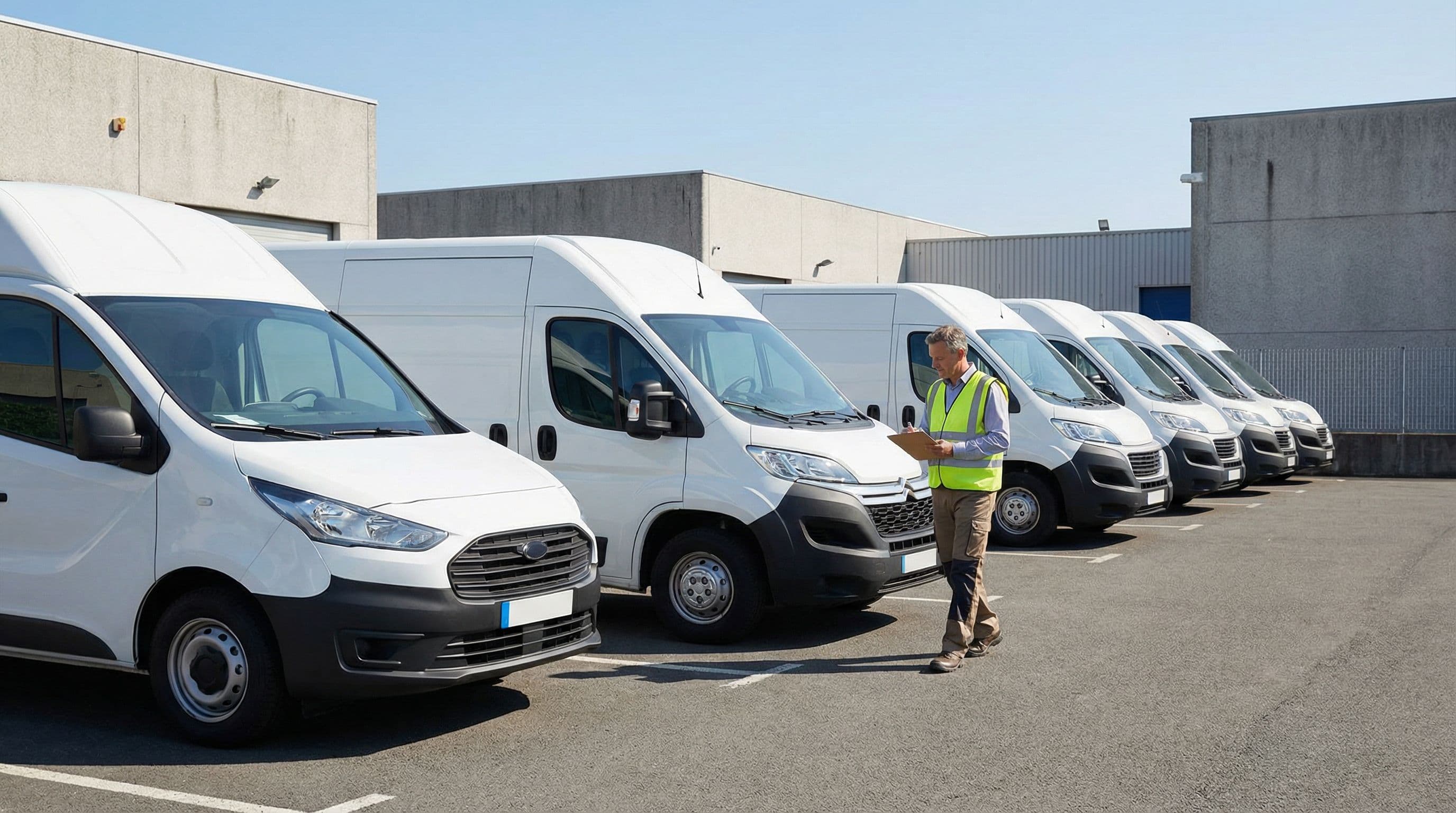
If a landlord, lender, or dealer asks for proof of coverage before sending work your way, your policy package may need to show the right garage exposure and limits for vehicles left with your business. That is where this coverage becomes a practical purchase. You are often taking in customer vehicles during snow, ice, heavy rain, and wind-driven weather, then parking them indoors, outdoors, or in fenced storage depending on space and workflow. A quote that matches your operation should spell out where vehicles sit overnight, who can move them, whether keys stay on site, and how after-hours drop-off is handled. Before you request quotes, list your maximum number of customer vehicles on premises, your highest value units, and every place they can be stored.
What Garage Keepers Insurance Covers
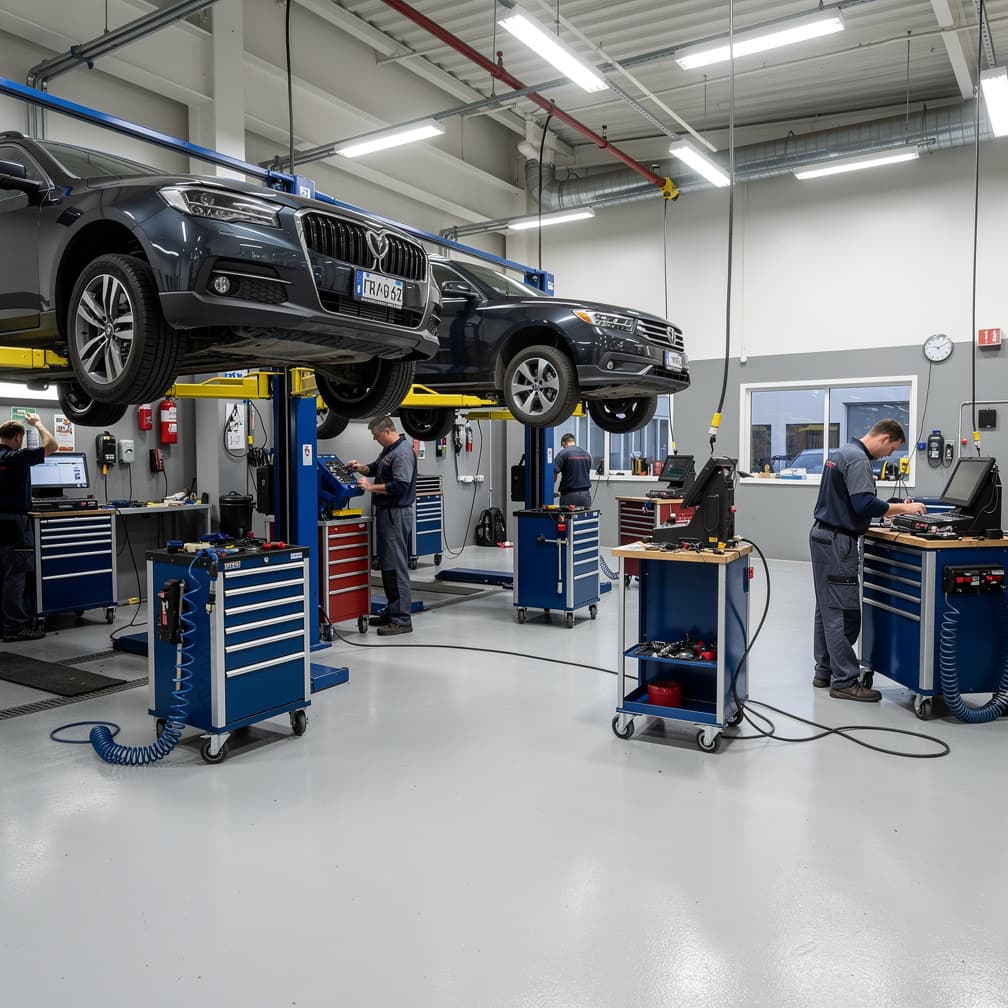
In Wisconsin, the useful review is not the broad national definition you already know. The real question is how your policy may respond to the way vehicles move through your property during the year. A repair shop in a smaller town may keep customer pickups outside overnight because indoor bays stay full. A body shop near a busy corridor may rotate vehicles between fenced storage, paint prep, and sublet vendors. A towing or impound operation may hold units for longer periods while ownership or payment issues are sorted out. Those operational differences may affect what you should ask to see in the quote and declarations.
Start with storage conditions. If customer vehicles spend time outdoors, ask how the policy treats weather-related damage, falling objects, and lot incidents tied to where and how units are parked. If you stack vehicles tightly to maximize space, review whether your procedures for moving one vehicle to access another create a higher chance of low-speed impact losses. If your team road tests vehicles after repairs, confirm where that exposure sits in the broader insurance package so you are not assuming one form handles every movement.
Key control and after-hours intake also deserve attention. Many Wisconsin shops rely on night drop boxes, lockboxes, or informal key envelopes during busy weeks. That convenience changes the chain of custody, so it is worth documenting who retrieves keys, where they are logged, and when a vehicle is first inspected for prior damage. If you use subcontractors for glass, alignment, towing, detailing, or transport, ask how responsibility shifts while a customer vehicle is off your premises or in another party's possession.
Match coverage review to your lot layout, winter storage practices, and handoff procedures. Ask for quote options that reflect indoor versus outdoor storage, peak vehicle counts, and any seasonal surge in vehicles left overnight.

Collision Coverage
Covers damage to customers' vehicles from collisions while in your care.

Comprehensive Coverage
Covers theft, vandalism, fire, and weather damage to customers' vehicles.
Specified Perils
Covers only specifically named perils at a lower premium.

Legal Liability
Covers damage you or your employees directly cause to a customer's vehicle.

Direct Primary
Pays regardless of fault, the broadest garage keepers coverage available.
Garage Keepers Insurance Requirements in Wisconsin
- Wisconsin weather can turn same-day service into overnight storage, so your quote should reflect where vehicles sit when pickup is delayed by snow, ice, or storms.
- If your business uses fenced outdoor storage during busy periods, review how lot lighting, cameras, drainage, and key control are described in the submission.
- Rural pickup patterns can leave customer vehicles on site longer than expected, which makes peak custody counts more important than a normal weekday average.
- After-hours drop boxes and informal key envelopes are common operational shortcuts, but they should be matched with written intake and retrieval procedures before binding coverage.
How Much Does Garage Keepers Insurance Cost in Wisconsin?
For Wisconsin buyers, garage keepers pricing usually turns on operational detail rather than a published state average. If your shop keeps only a few vehicles overnight and most work is same day, your exposure looks different from a business that stores vehicles for several days while waiting on parts, approvals, or owner pickup. Underwriters may want a clear picture of how many customer vehicles you control at one time, where they are parked, and how often employees move them.
If vehicles are parked outside during snow events, freeze-thaw cycles, or strong storms, the carrier may focus more closely on fencing, lighting, drainage, camera coverage, and whether you have a written plan for moving high-value units indoors when conditions worsen. If your lot is tight and vehicles are shuffled often, frequency of movement can matter as much as the total count. A cleaner workflow, marked parking zones, and documented key procedures can make your account easier to underwrite.
A lower deductible can mean a higher premium, while a higher deductible may reduce premium but leave you retaining more of each loss. The same goes for limits. If you occasionally hold luxury vehicles, diesel trucks, or multiple late-model units at once, ask for a limit review based on your peak exposure rather than your average day. That helps you avoid buying to a normal week and finding out a busy winter stretch may create a gap.
The most useful way to shop is to send each quoting carrier the same operational summary: maximum vehicles in custody, indoor versus outdoor counts, employee driver count, any road testing, any towing or transport, and your loss history. That gives you quotes built on the same facts, so you can compare terms instead of guessing why one price is lower.
Request a Quote Comparison
Enter your ZIP code to compare garage keepers insurance rates from top carriers.
Business insurance starting at $25/mo
Who Needs Garage Keepers Insurance?
In Wisconsin, this coverage may deserve a close look anywhere customers leave vehicles with you for service, storage, movement, or pickup delays. That includes independent repair shops, collision centers, tire and brake shops, diesel service operations, dealerships with service lanes, detailers, car washes, towing companies, impound lots, parking operators, and businesses that hold vehicles while waiting on parts or customer authorization. What matters is whether a customer's vehicle stays under your control.
Winter weather can turn a short stay into an overnight stay when a customer cannot retrieve a vehicle, a tow arrives late, or a repair runs longer than planned. Rural businesses may also hold vehicles longer because owners travel farther to drop off and pick up. If your lot fills up during storms, deer strike season, or heavy service periods, your exposure can change quickly even if your normal workflow feels manageable.
Think beyond classic repair work. A dealership that stores sold vehicles before delivery, a marina service business that also parks customer trucks and trailers, or a fleet service vendor that picks up and returns units may all need a careful review of who has custody at each step. The same is true if you offer valet-style pickup, shuttle service, or after-hours key drop.
If a customer asks who is responsible while their vehicle is here, can you answer clearly and back it up with your policy and procedures? If not, gather your intake forms, lot map, subcontractor agreements, and overnight storage practices before you shop. That may tell you whether your current setup fits the exposure you actually carry.
Garage Keepers Insurance by City in Wisconsin
Garage Keepers Insurance rates and coverage options can vary across Wisconsin. Select your city below for localized information:
How to Buy Garage Keepers Insurance
Buying this coverage in Wisconsin may go more smoothly if you build the submission around your real vehicle flow, not a generic business description. Start with a written map of where customer vehicles go from drop-off to pickup. Include after-hours intake, initial inspection, key storage, service bay movement, road testing if any, overnight parking, fenced storage, and release back to the customer. If you use more than one lot or building, separate them clearly.
Prepare the underwriting details that usually slow quotes down when they are missing. List your maximum number of customer vehicles on site at one time, your highest-value units, whether vehicles are stored indoors or outdoors, who is allowed to move them, and whether employees ever take vehicles off premises. If you subcontract towing, glass, alignment, transport, or detailing, note when custody transfers and whether certificates of insurance are collected from those vendors.
Review your documents the way an underwriter or claims adjuster would. Your intake form should record pre-existing damage, personal property left in the vehicle, fuel level if relevant, and whether the customer authorizes road testing. Your lot procedures should show where keys are kept, who can access them, and how vehicles are tagged. If you rely on cameras, gates, or alarm systems, include that in the submission because it may help explain how you control loss frequency and defend disputed claims.
Before binding, read the quote package for fit, not just price. Ask where exclusions, deductibles, and limits could affect a real Wisconsin loss involving overnight outdoor storage, storm conditions, or a vehicle waiting several days for parts. Once you have comparable quotes, choose the one that matches your custody patterns and peak lot exposure, then keep a copy of the final schedule and procedures with your management team. Request a quote through CPK Insurance to compare your options with participating licensed providers.
How to Save on Garage Keepers Insurance
The strongest way to lower costs is to reduce avoidable uncertainty in how customer vehicles are received, stored, moved, and documented. Carriers tend to respond better when your operation shows repeatable controls instead of informal habits. Use a consistent check-in process with photos, noted prior damage, key tagging, and a written record of where the vehicle may be parked if work is delayed. A disputed scratch or dent may be easier to resolve when your file is complete.
If you can separate waiting-for-parts vehicles from completed vehicles, and high-value units from general inventory, you make the lot easier to manage and easier to underwrite. Marked parking rows, designated no-park zones near snow piles or drainage trouble spots, and a rule for moving vehicles before severe weather can all support a cleaner risk profile. If outdoor storage is unavoidable, show how lighting, fencing, cameras, and key control work together.
Limit who may move customer vehicles, document license checks, and avoid unnecessary repositioning. The more often vehicles are shuffled, the more chances there are for low-speed contact losses. If road testing is part of your process, define when it is allowed, who approves it, and what route standards apply.
Shop with a complete submission. Incomplete applications often produce conservative pricing because the underwriter fills gaps with caution. A better approach is to present your peak vehicle count, storage split, subcontractor controls, and claims history up front, then compare deductibles and limits side by side. If a higher deductible fits your cash flow, ask for that option too, but only after you decide what loss amount your business can realistically absorb.
Our Recommendation for Wisconsin
For Wisconsin operations, the smartest buying move is to test your coverage against your hardest week, not your average week. Think about the period when snow, delayed pickups, parts shortages, and a full lot all hit at once. If customer vehicles stay longer than planned or more units end up outside overnight, your limit and procedures should still make sense.
Review four items before renewal. First, confirm your peak number of customer vehicles in custody, including vehicles waiting on approval or pickup. Second, separate indoor and outdoor storage counts, because that may change how underwriters view the exposure. Third, check every handoff point, especially after-hours drop-off, towing, sublet work, and road testing. Fourth, make sure your intake photos and key logs are actually being used every day, not just written into a manual.
If a storm is forecast, know which vehicles get moved first, who has authority to do it, and where keys are stored. That kind of operational planning can matter as much as the policy language when a claim is investigated.
When you request quotes, send a short written summary of your lot layout, security controls, and busiest season. You may usually get more usable terms when the underwriter can picture how your business handles customer vehicles in real conditions.
FAQ
Frequently Asked Questions
Review it any time customer vehicles stay in your care overnight, outdoors, or through multi-day repairs. You can also verify insurer oversight and policy resources through the state insurance regulator while comparing quote terms.
Snow, ice, and storms can change where vehicles are stored, how often they are moved, and how long they remain on your lot. That is why your quote should spell out indoor versus outdoor storage, key control, and your plan for delayed pickups.
Include peak vehicle count, highest-value units, indoor and outdoor storage details, after-hours drop-off procedures, and any sublet work. A fuller submission may usually produce terms that fit your actual workflow more closely.
Towing and impound operators often need a careful review because customer vehicles may stay in storage while payment or release issues are resolved. The longer a vehicle remains in your custody, the more important your storage and documentation procedures may become.
Send each carrier the same operational summary, including vehicle counts, storage split, driver rules, and subcontractor use. That lets you compare deductibles, limits, and exclusions on equal facts instead of chasing a lower number without context.
Insurance companies in the state are regulated by the Wisconsin Office of the Commissioner of Insurance. That may matter when you are checking insurer oversight, policy forms, and complaint resources before you bind coverage for customer vehicles in your care.
Dealerships with service lanes should review it if customer vehicles are parked, serviced, road tested, or held for pickup on site. The exposure can often change during busy service periods, especially when overflow vehicles are stored outside overnight.
Garage keepers insurance may cover damage to customers' vehicles while they are in your care, custody, or control. That may include collision, theft, fire, vandalism, hail, and other covered causes of loss, depending on your policy terms and how your business handles vehicles.
Sources
- 1.Wisconsin Office of the Commissioner of Insurance(Wisconsin insurance companies are regulated by the Wisconsin Office of the Commissioner of Insurance.)
Updated July 16, 2026