Updated July 16, 2026

Key Takeaways
- Compare liquor liability quotes using the same limits and the same description of your alcohol operations, then read exclusions and defense wording before you choose a policy.
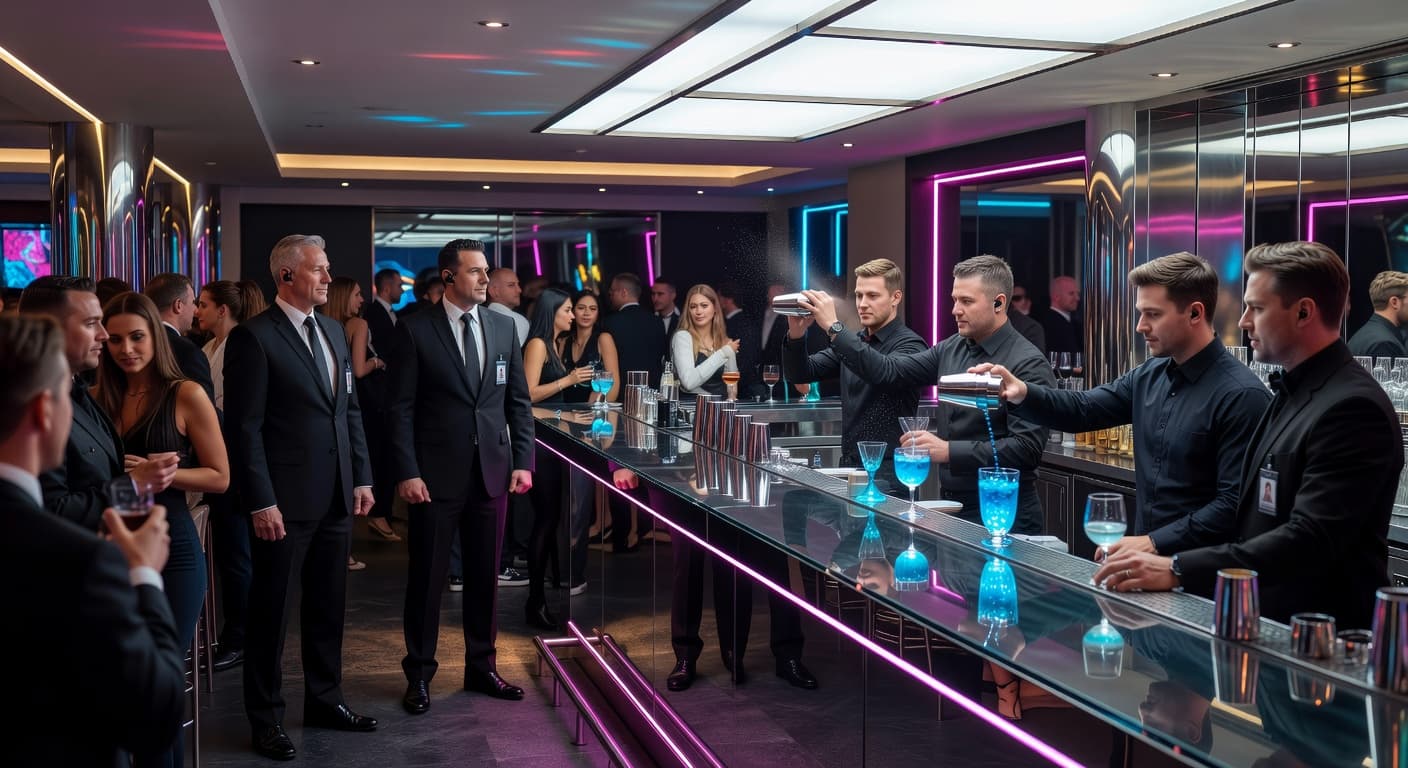
- Ask whether assault and battery is included, limited, or excluded, especially if you operate late hours, use security, host events, or manage crowded service areas.
- Document ID checks, server training, incident logs, and cut-off procedures so your application and your claim file both support how you actually operate.
- Review contracts from landlords, venues, and event partners early so you can match liquor liability limits and certificate requirements before binding coverage.
- Separate host liquor questions from true liquor liability needs if alcohol is only furnished occasionally and not part of your regular business revenue.
Liquor Liability Insurance in Wisconsin
If you sell or serve alcohol in Wisconsin, liquor liability insurance often enters the conversation before you open your doors, renew a permit, or expand service hours. Wisconsin has a competitive insurance market with many carriers writing policies for alcohol-serving businesses. That competition gives you options, but carriers are still selective about how they underwrite alcohol risk. Your policy can vary by carrier, venue type, and endorsement choices, whether you run a Madison tavern, a Milwaukee restaurant, a Door County event venue, or a Green Bay hotel lounge.
What Liquor Liability Insurance Covers
Liquor liability insurance is designed to respond to alcohol-related claims tied to serving liability, overserving, intoxication, and dram shop exposure. For businesses that sell or serve alcohol, the policy may help pay defense costs, settlements, and judgments if a claim alleges that alcohol service contributed to bodily injury, assault, or other covered harm. The core coverages include bodily injury liability, property damage liability, assault and battery, defense costs, and host liquor liability.
Wisconsin does not have a one-size-fits-all statewide coverage mandate, but the state does regulate insurers through the Wisconsin Office of the Commissioner of Insurance. General liability is not a substitute for this coverage when alcohol is part of your regular operations, because standard policies often exclude liquor-related claims for businesses in the business of selling or serving alcohol. For occasional alcohol service, host liquor liability may be relevant, but that is different from full liquor liability insurance for bars, restaurants, breweries, or venues with regular service.

Bodily Injury Liability
Can help cover injuries an intoxicated patron causes to others after your business served or sold them alcohol.

Property Damage Liability
May pay for property damage caused by an intoxicated customer your establishment served, such as a car crash after leaving.
Assault & Battery
Can help cover claims arising from fights or physical altercations involving intoxicated patrons at your bar or restaurant.
Defense Costs
May pay for attorneys, court fees, and related legal expenses when your business is sued over an alcohol-related incident.

Host Liquor Liability
Can help cover alcohol-related claims from events where you host or serve drinks without selling them, like company parties.
Liquor Liability Insurance Requirements in Wisconsin
- Wisconsin businesses should confirm liquor liability insurance requirements with the Wisconsin Office of the Commissioner of Insurance and their local licensing process, because coverage expectations may vary by business type.
- General liability usually does not replace a liquor liability policy when alcohol sales are part of regular operations, so check for the liquor liability exclusion before relying on it.
- Host liquor liability may fit occasional service better than full alcohol liability insurance, depending on how often you serve alcohol.
- Assault and battery, defense costs, and intoxication-related claims should be reviewed before purchase so the policy fits your actual serving liability exposure.
How Much Does Liquor Liability Insurance Cost in Wisconsin?
Average Cost in Wisconsin
$45 - $210
per month
Businesses in Wisconsin typically see liquor liability insurance premiums of $45 - $210 per month, which tends to run 12% below the national range of $50 - $240 per month.
- Share of sales that comes from alcohol
- Type of venue and how late you serve
- Server training and service procedures
- State dram shop law
- Liquor liability limits selected
- Prior over-service or assault claims
Contact CPK Insurance for a personalized quote.
For Wisconsin businesses, liquor liability insurance cost depends on the risk profile. Coverage limits, deductibles, claims history, location, industry risk, and policy endorsements can all move pricing up or down. Premiums in Wisconsin generally run below the national average, which can work in your favor when shopping for coverage. A venue in downtown Milwaukee, a busy restaurant in Madison, or a late-night bar in Green Bay may see different pricing than a small caterer or a hotel with limited host liquor liability coverage.
Businesses with prior claims, higher revenue, more employees, longer serving hours, live entertainment, or broader endorsements often pay more. Average pricing starts at $45 to $210 per month, but actual quotes vary by limits, claims history, location, and endorsements.
Prices shown are general estimates, not guaranteed rates or quotes. Your actual premium will depend on the insurer, coverage selected, business details, location, claims history, and other underwriting factors. Learn about our pricing methodology.
Request a Quote Comparison
Enter your ZIP code to compare liquor liability insurance rates from top carriers.
Business insurance starting at $25/mo
Who Needs Liquor Liability Insurance?
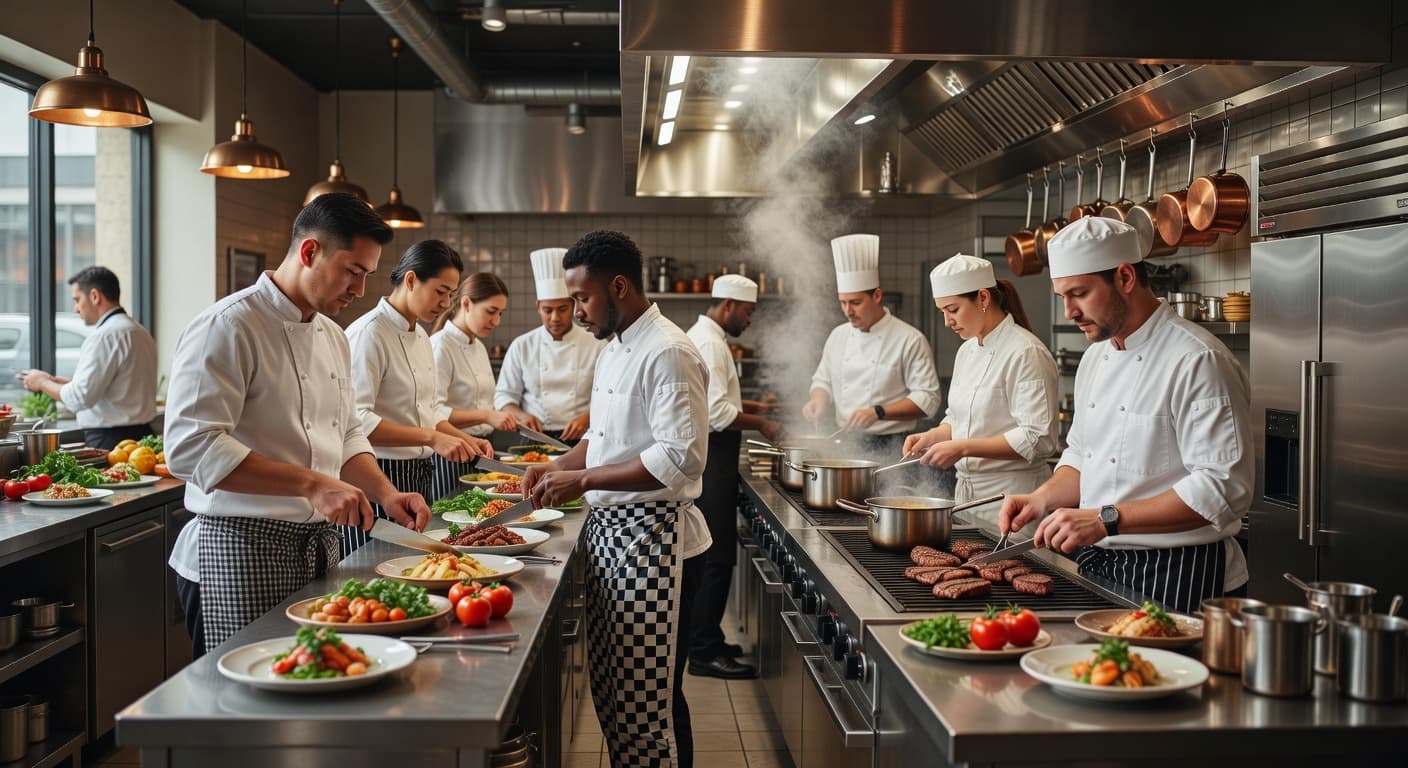
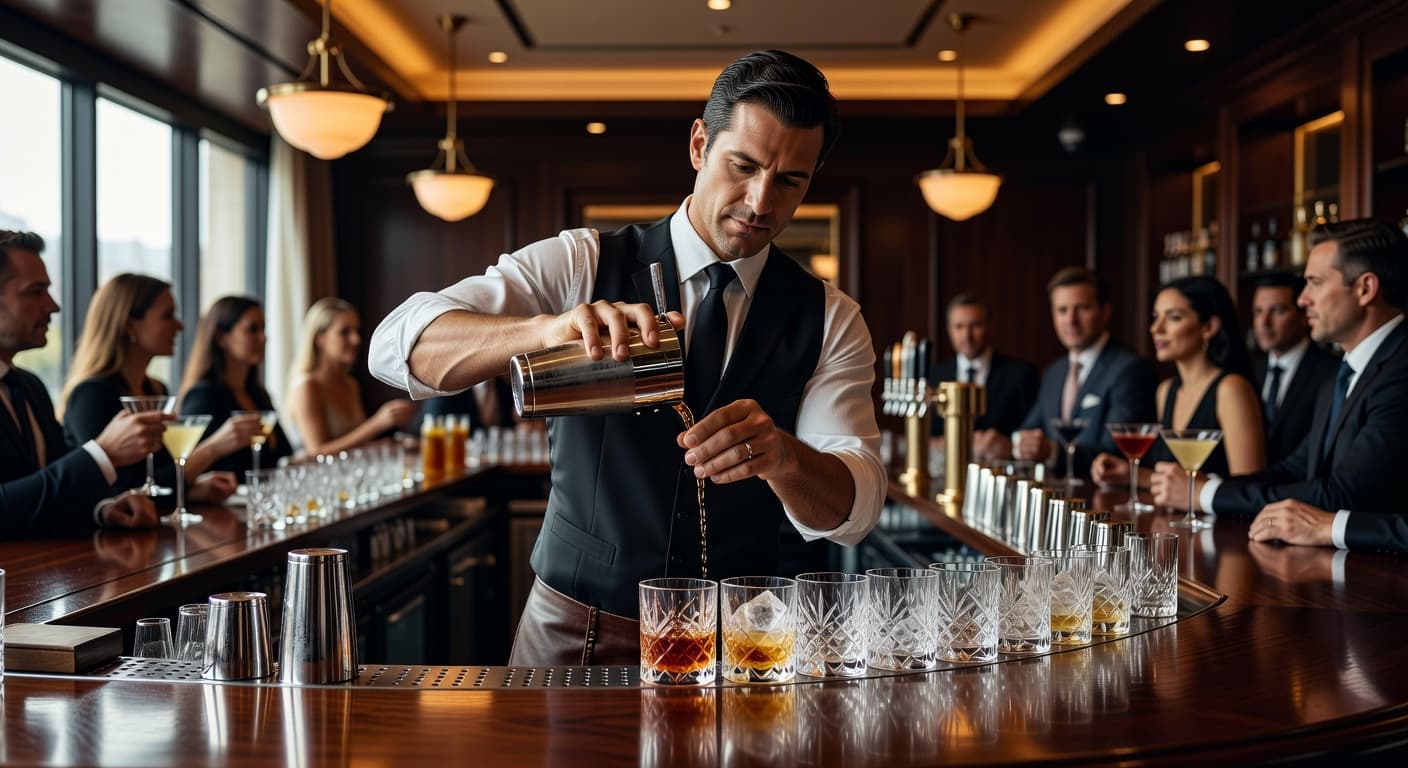
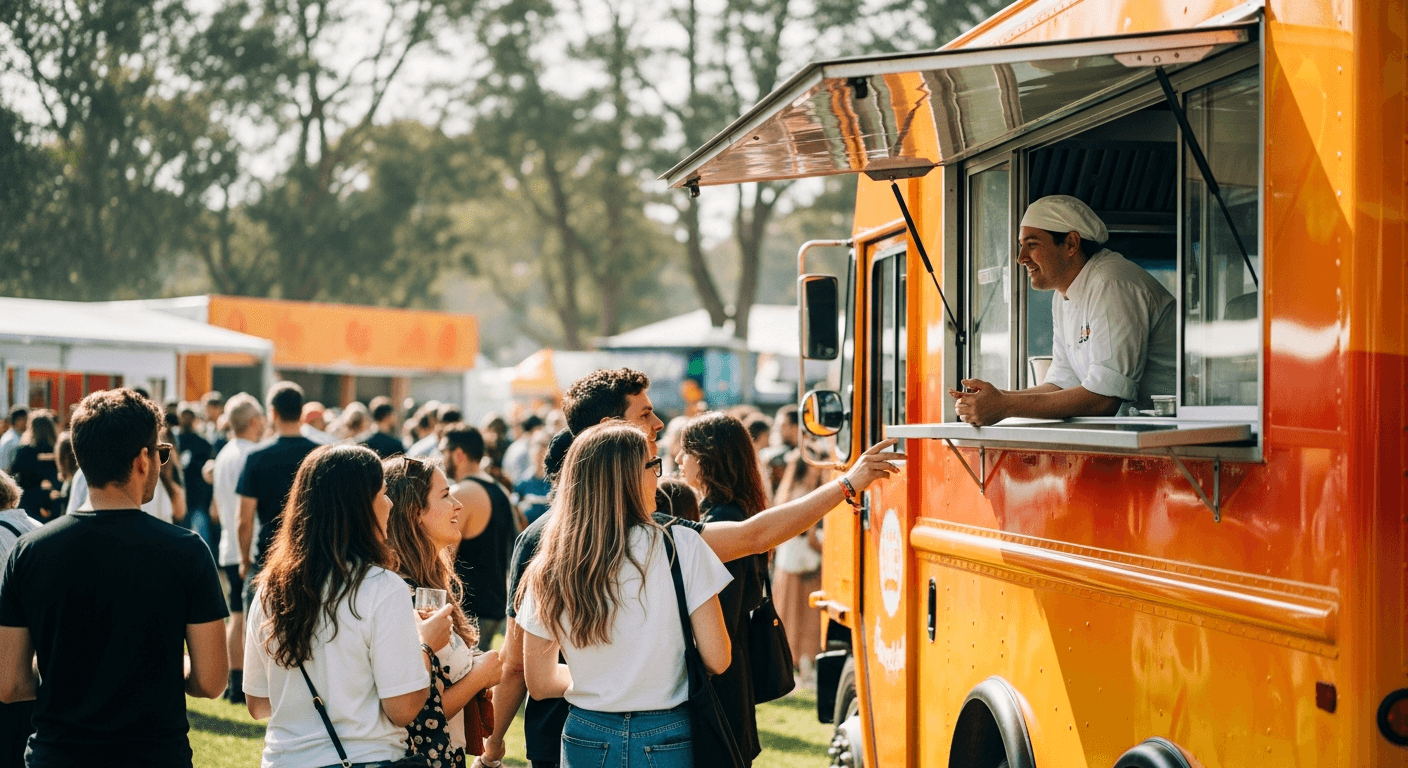
Any Wisconsin business that sells, serves, manufactures, or distributes alcohol should evaluate this coverage, but the need is especially clear for bars, restaurants, breweries, caterers, event venues, and hotels. Alcohol service is common enough here that carriers expect detailed underwriting questions about how and where drinks are served. A Madison gastropub that serves dinner and late-night alcohol, a Milwaukee music venue with a bar program, and a Door County wedding venue that offers hosted drinks all face different exposure patterns. A caterer or hotel may only need host liquor liability for certain events, while a tavern or restaurant usually needs a fuller policy because alcohol is part of regular operations.
Alcohol-related incidents can increase the chance that a claim follows an overserving allegation. If your business operates in a busy entertainment corridor, near college areas, or around event-heavy destinations, dram shop insurance deserves a closer look because claim severity can rise quickly when alcohol service and crowded conditions overlap.
Liquor Liability Insurance by City in Wisconsin
Liquor Liability Insurance rates and coverage options can vary across Wisconsin. Select your city below for localized information:
How to Buy Liquor Liability Insurance
To buy liquor liability insurance in Wisconsin, start by defining exactly how alcohol is served: regular bar sales, restaurant beverage service, brewery taproom operations, catered events, hotel banquets, or occasional hosted service. Request a quote through CPK Insurance to compare your options with participating licensed providers. Next, gather the information insurers typically use for underwriting: annual revenue, number of employees, service hours, location, claims history, prior losses tied to intoxication or assault, and any policy endorsements you want. If you operate in a city with dense nightlife or event traffic, include that location detail because geographic risk can affect pricing and eligibility.
Because the Wisconsin Office of the Commissioner of Insurance regulates the market, you should also confirm whether your business type has any liquor license requirements linked to coverage. Wisconsin businesses should verify their own licensing obligations before binding.
How to Save on Liquor Liability Insurance
Wisconsin businesses can often reduce liquor liability insurance cost by matching the policy to the actual exposure instead of buying broad terms you do not need. Start by comparing quotes from multiple carriers, because pricing can differ materially by appetite, venue type, and claims history. Bundling is another common savings lever, since combining liquor liability coverage with other business policies may lead to multi-policy discounts. For a restaurant, bar, or hotel, that may mean pairing your policy with general liability, commercial property, or workers compensation where appropriate.
You can also manage premium by choosing sensible limits and deductibles. Higher limits, lower deductibles, and broader endorsements usually increase cost, while tighter coverage selections may help control premium. Clean claims history, clear serving policies, staff training, and strong incident documentation can also help during underwriting because insurers price overserving and intoxication exposure based on how well the business manages risk. If your business only hosts alcohol occasionally, ask whether host liquor liability is more appropriate than a full-time policy.
Our Recommendation for Wisconsin
My recommendation for Wisconsin buyers is to treat liquor liability as an operations decision, not just an insurance purchase. If alcohol is part of your regular business, get a policy that specifically addresses serving liability, intoxication, assault exposure, and defense costs. If you only host alcohol occasionally, ask whether host liquor liability is enough. Be ready to explain your city, your hours, your event calendar, your license status, and whether you need proof of coverage for licensing purposes. That information helps carriers price the risk more accurately.
FAQ
Frequently Asked Questions
It is designed for claims tied to overserving, intoxication, serving liability, and dram shop exposure. It may help pay defense costs, settlements, and judgments when alcohol service is alleged to have contributed to a covered loss.
Many states require this coverage as a condition of a liquor license. Wisconsin businesses should verify their own requirements with the Wisconsin Office of the Commissioner of Insurance and local licensing rules before binding.
Average pricing starts at $45 to $210 per month, but actual quotes vary by limits, claims history, location, and endorsements.
Carriers look at coverage limits, deductibles, claims history, location, industry or risk profile, and policy endorsements. A downtown bar, a restaurant with late service, and a hotel with occasional events can all price differently.
Host liquor liability is generally more relevant when alcohol is served only occasionally. A full liquor liability policy is usually needed when selling or serving alcohol is part of regular operations.
Yes, the product is intended to help pay defense costs, settlements, and judgments arising from alcohol-related claims.
Provide your location, business type, alcohol service hours, revenue, employees, claims history, and license status. Then compare your options with participating licensed providers.
U.S. businesses that sell, serve, or distribute alcohol should review liquor liability insurance. That usually includes bars, restaurants, breweries, wineries, liquor stores, caterers, hotels, and event venues, especially when alcohol service is part of normal operations rather than an occasional event.
Sources
Updated July 16, 2026