








































Updated July 16, 2026

Commercial Truck Insurance in Madison
Madison's median household income is $76,983. Households at that level tend to notice and remember a delayed delivery or a damaged shipment, which can cost you a repeat customer faster than a rate increase ever would. For many operators, commercial truck insurance in Madison is less about a generic state template and more about matching coverage to the kind of accounts you serve, the vehicles you park, and the contracts you sign. If you run box trucks, service units, or medium-duty vehicles around the Beltline and isthmus, ask for quotes that separate each coverage type where it fits. Compare deductibles against what your business can actually absorb without interrupting payroll, dispatch, or repairs.
Commercial Truck Insurance Risk Factors in Madison
Madison's top risk factors include Severe weather, Property crime, Flooding, and Vehicle accidents.
Wisconsin has a moderate climate risk rating. Top hazards: Severe Storm (High), Tornado (Moderate), Winter Storm (High), Flooding (Moderate). The state's expected annual loss from natural hazards is $880M, which influences commercial truck insurance premiums and may affect coverage availability in high-risk areas.
What Commercial Truck Insurance Covers
Commercial truck insurance in Wisconsin is built around the way your operation actually moves freight, not around a one-size-fits-all auto policy. The core protections can include motor carrier liability, physical damage coverage for your trucks, cargo insurance, trailer interchange, bobtail coverage, and non-trucking liability. That matters because many businesses here haul through winter-storm corridors and flood-prone areas, and those risks can create losses that go beyond simple road accidents. You should also compare policy language closely with contract requirements, since shippers and brokers may ask for higher limits than federal minimums before they hand over a load.
Wisconsin's commercial auto minimums sit at $25,000/$50,000/$10,000, but that does not replace federal trucking requirements for interstate freight or the higher limits that specific cargo may demand. The Wisconsin Office of the Commissioner of Insurance regulates the market, and coverage requirements may vary by industry and business size. An owner-operator hauling regional freight, a fleet serving manufacturing accounts, and a local delivery carrier may all need different combinations of endorsements and limits. Cargo coverage is typically a separate section designed for goods in transit, while physical damage may help cover the truck itself. Bobtail coverage and non-trucking liability can be important when the truck is used outside a dispatch load, and trailer interchange may matter if you move trailers under an agreement.
Coverage Included

Motor Carrier Liability
Can help cover injuries and property damage your truck causes to others, a coverage federal regulators require most for-hire carriers to maintain.
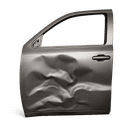
Physical Damage
Can help pay to repair or replace your own truck after an accident, fire, theft, or vandalism.
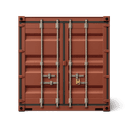
Cargo Coverage
May pay for damage to or theft of the freight you are hauling while it is in your care.
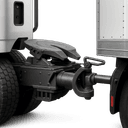
Trailer Interchange
Can help cover damage to trailers you haul under an interchange agreement but do not own.

Bobtail Coverage
May provide liability protection when you drive your tractor without a trailer attached, such as after dropping off a load.

Non-Trucking Liability
Can help cover accidents that happen when you use your truck for personal errands rather than dispatched work.
Commercial Truck Insurance Cost in Madison
Average Cost in Wisconsin
$350 - $1,025
per month
Businesses in Wisconsin typically see commercial truck insurance premiums of $350 - $1,025 per month, which tends to run 10% below the national range of $400 - $1,125 per month.
- Radius of operation
- Commodities hauled and cargo value
- Number and value of power units
- Driver motor vehicle records and CDL experience
- DOT safety record, inspections, and FMCSA scores
- Liability limits and physical damage deductibles
Contact CPK Insurance for a personalized quote.
Prices shown are general estimates, not guaranteed rates or quotes. Your actual premium will depend on the insurer, coverage selected, business details, location, claims history, and other underwriting factors. Learn about our pricing methodology.
For Wisconsin trucking businesses, cost depends on coverage limits and deductibles, claims history, location, industry or risk profile, and policy endorsements. State premiums typically run 5 to 15 percent below national averages, though that does not mean every operation will see low pricing. A truck based in Milwaukee or Madison may be priced differently than one running rural lanes near flood-prone counties, winter-storm corridors, or long-haul routes that spend more time exposed to harsh weather. Wisconsin's 2024 disaster history includes a tornado outbreak, derecho, severe storms, river flooding, and a polar vortex, and those conditions can influence how insurers view physical damage and cargo exposure. The state's 2023 auto data also shows an uninsured driver rate of 12.4% and an average claim cost of $17,902. When more than one in eight drivers lacks insurance, your insurer may price uninsured motorist protection higher, and steep average claim costs can push liability premiums up.
Carrier competition is strong, with 420 active insurers in the state and several major carriers active. A fleet with clean claims, tighter deductibles, and well-matched endorsements may price differently than a higher-risk operation with more miles, more drivers, or more specialized hauling.
What Makes Madison Different
Dane County has 14,676 business establishments. That density means many truck accounts are not built around one shipper or one lane but around frequent stops, vendor access rules, and time-sensitive work for a wide mix of local customers. A policy for this market often needs to be reviewed alongside loading practices, driver schedules, parking arrangements, and whether employees ever use personal vehicles for errands, parts runs, or client visits. The county's establishment mix leans toward professional, scientific, and technical services at 13.4%, retail trade at 11.1%, and health care and social assistance at 10.9%. Those sectors typically require certificates of insurance and dependable arrival windows before they let a truck on site, so your policy limits and endorsements can directly affect whether you land and keep those accounts. If your book of business looks like that, ask for coverage options that fit multi-stop service work rather than only line-haul assumptions.
Our Recommendation for Madison
The contracts and certificates you already hand over tell you exactly what limits and endorsements your customers require before work begins. If your trucks support offices, retailers, clinics, or facilities vendors, review whether your current liability limit still matches the job sites and customer expectations you take on each week. A truck that makes repeated short local stops, carries tools or small loads, and parks at different addresses can be rated differently from a unit that stays on a predictable route. Physical damage deductibles should be reviewed against the age and financed status of each truck, not as one blanket number across the fleet. If drivers sometimes use their own vehicles for bank runs, parts pickup, or site visits, ask whether that exposure belongs in the quote. A proposal that lists each truck, radius, garaging location, and driver clearly can help you catch classification issues before they become claim or audit problems.
Get Commercial Truck Insurance in Madison
Enter your ZIP code to compare commercial truck insurance rates from carriers in Madison, WI.
Business insurance starting at $25/mo
FAQ
Frequently Asked Questions
Madison service fleets should review liability limits, vehicle schedules, and use class first. Households earning near the local median can be quick to dispute a low settlement or switch vendors after a rough experience, so a thin limit or steep deductible may leave you absorbing costs that better coverage could have handled.
Madison-area operators often serve a dense county customer base. With roughly 14,700 establishments across Dane County, your trucks are likely making multiple stops per day for customers who each hand you a different certificate of insurance and a different set of vendor requirements.
Offices, retailers, and care-related businesses in the Madison area tend to treat proof of coverage as a gatekeeping step, not a formality. In Dane County, leading sectors include professional services, retail, and health care, so contract-driven insurance reviews are common for local fleets.
Prepare each truck's garaging address, radius of operation, driver list, VIN, and a clear description of what each unit hauls or carries. That helps the quote reflect actual use instead of a broad classification.
Madison businesses can review consumer and regulatory information through the Wisconsin Office of the Commissioner of Insurance. Use that resource to verify complaint and licensing information, then compare policy terms, exclusions, and deductibles before you bind coverage.
It can be built around motor carrier liability, physical damage, cargo coverage, trailer interchange, bobtail coverage, and non-trucking liability, depending on how you haul freight and whether you operate local, regional, or long haul.
Wisconsin's commercial auto minimums are listed at $25,000/$50,000/$10,000, but trucking businesses may need higher liability limits because federal freight rules, shipper contracts, and cargo type can require more.
Cost depends on limits, deductibles, claims history, location, and endorsements. Trucking operations can also see pricing change based on freight type, routes, and how the truck is used.
Sources
- 1.U.S. Census Bureau, ACS 5-Year Estimates, table B19013(Madison’s median household income is $76,983)
- 2.U.S. Census Bureau, County Business Patterns, Dane County(Dane County has 14,676 business establishments; The county’s establishment mix leans toward professional, scientific, and technical services at 13.4%, retail trade at 11.1%, and health care and social assistance at 10.9%)
- 3.Wisconsin Office of the Commissioner of Insurance(Wisconsin Office of the Commissioner of Insurance)
Updated July 16, 2026





