Updated July 16, 2026

Dealer Open Lot Insurance in Madison
Property managers, floorplan lenders, and local storage partners often want current proof that your inventory is insured before they hand over space, financing, or access. Satisfying them usually means showing a policy setup that matches where vehicles sit overnight, how often units move between a main lot and overflow parking, and who has custody during transport or display. Your day-to-day operations drive the conversation more than any generic dealership description ever could.
A buyer base supported by a median household income of $76,983 can push dealers to carry a wider mix of late model inventory. That higher per-unit value means a single loss event hits harder, so your limit review should track actual peak values, not last quarter's average count. The surrounding county also supports 14,676 business establishments. With that many potential landlords and neighbors competing for the same commercial corridors, expect more lease and parking agreements to come with insurance requirements attached.
Dealer Open Lot Insurance Risk Factors in Madison
Madison's top risk factors include Severe weather, Property crime, Flooding, and Vehicle accidents.
Wisconsin has a moderate climate risk rating. Top hazards: Severe Storm (High), Tornado (Moderate), Winter Storm (High), Flooding (Moderate). The state's expected annual loss from natural hazards is $880M, which influences dealer open lot insurance premiums and may affect coverage availability in high-risk areas.
What Dealer Open Lot Insurance Covers
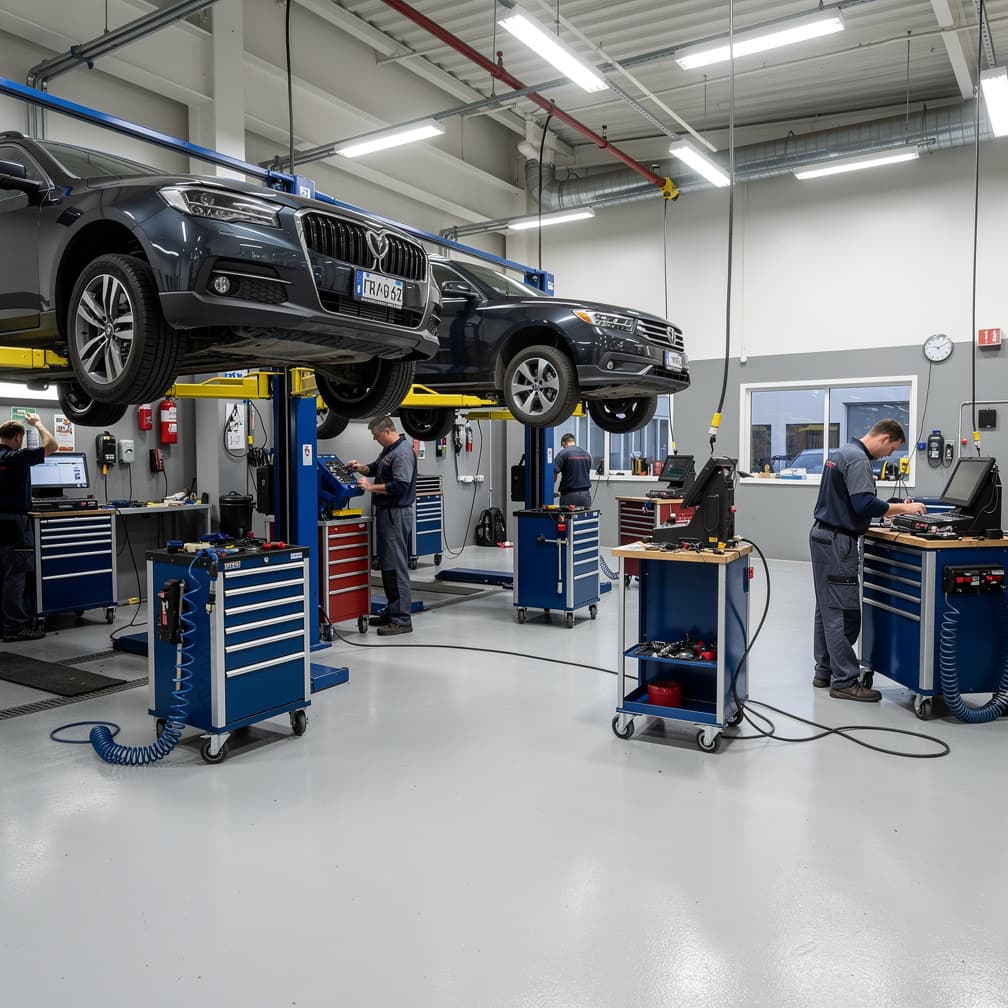
A dealership with a single fenced lot presents one underwriting picture. A dealership that keeps overflow units behind another business, sends vehicles to a reconditioning vendor, or rotates inventory through auctions presents a different one. Your policy review should focus on where vehicles sleep overnight, who has custody during transport or service, and whether any units are regularly kept away from the scheduled premises.
Weather exposure matters in Wisconsin because inventory can sit through severe storms that bring hail, falling tree limbs, and ice damage to roofs, glass, body panels, and lot surfaces. That makes it important to ask how the policy treats vehicles parked in open rows, under partial shelter, or at temporary storage locations. If your operation uses multiple addresses, confirm each one is disclosed and scheduled correctly. A claim gets harder to resolve when the loss location was never clearly listed.
You should also review how the policy handles ordinary dealership movement. That includes transfers between lots, trips to service or detail vendors, and customer test drive procedures if those activities connect to your inventory handling. The goal is to match policy language to your actual chain of custody. If a lender or landlord asks for proof of insurance, they usually want to see that the covered property, named insured, and location details line up with the way your dealership operates today, not the way it operated last year.
Coverage Included

Weather Damage
Covers hail, wind, flood, and storm damage to lot inventory.
Theft Protection
Covers vehicles stolen from your lot.
Fire Damage
Covers fire and explosion damage to inventory vehicles.

Vandalism
Covers intentional damage to vehicles on your lot.
Test Drive Coverage
Covers vehicles during customer and employee test drives.

Transit Coverage
Covers vehicles being moved between lot locations.
Industries & Insurance Needs in Madison
Dane County's business mix changes how dealer inventory gets used and where it may need to be shown or stored. Professional, scientific, and technical services account for 13.4% of county establishments, retail trade 11.1%, and health care and social assistance 10.9%, so local dealers may see demand from commuters, small business owners, and institutional employees who expect cleaner presentation, test-drive readiness, and quick vehicle turnover. That matters for dealer open lot planning because faster merchandising and more frequent repositioning can create gaps between where inventory is scheduled to be and where it actually sits. If you use overflow parking, stage vehicles offsite, or rotate units between a primary lot and another commercial property, ask for a quote review built around those movements. A policy review should also separate display exposure from service, transport, and non-owned auto issues, so you are not assuming one coverage part handles every vehicle-related risk on the property.
What Makes Madison Different
Madison buyers are not usually dealing with a remote rural storage pattern or a single static lot. More often, the challenge is fitting sale-ready vehicles into tighter commercial arrangements, with overflow spaces, mixed-use properties, or temporary display locations that need clean documentation.
Your policy review works best when it follows how inventory physically moves through your operation. A stronger local household income profile can support higher-value units on the ground at one time, so an outdated blanket limit can leave you underinsured during seasonal peaks or after a fresh auction purchase. At the same time, more landlords, neighboring businesses, and financing partners may ask for proof that your inventory exposure is addressed before they approve a working arrangement. Tie your coverage limits to your busiest inventory period and confirm every storage address is accounted for as part of one connected review.
Our Recommendation for Madison
Start with a location schedule that is stricter than your internal sales list. Include the main lot, overflow parking, any shared commercial property, and anywhere vehicles wait before reconditioning or delivery. Once you have that schedule, measure it against your highest recent inventory total rather than a typical week, since a limit that feels adequate in a slow month can fall short right after a purchase run.
When you finance inventory, your lender may require specific proof for each location or simply evidence of current coverage, so clarify which before you gather paperwork. Third-party towing, detailing, or offsite photography arrangements each carry different custody questions, and sorting out when vehicles are still your lot exposure versus another party's responsibility can prevent claim disputes later. Units that are consigned, recently acquired, or not yet entered cleanly into your system are the ones most likely to create a reporting mismatch, so flag them early. Bring those details into a free, no-obligation quote request so the terms can be reviewed against how inventory actually moves here.
Get Dealer Open Lot Insurance in Madison
Enter your ZIP code to compare dealer open lot insurance rates from carriers in Madison, WI.
Business insurance starting at $25/mo
FAQ
Frequently Asked Questions
Madison property managers usually want current proof that your inventory is insured for the lot or overflow space you plan to use. Having your storage address list, estimated peak inventory values, and any lender requirements organized before you sign a parking or lease arrangement can make that conversation smoother.
Madison dealers often rely on overflow or shared commercial parking, so offsite locations matter because your quote should match where vehicles actually sit overnight. If a location is missing from the review, a claim can become harder to sort out.
With so many commercial neighbors sharing corridors and parking, expect more landlords and tenants to request certificate proof before approving a parking or lease arrangement. Documenting every storage arrangement before requesting terms can save you from last-minute paperwork pressure.
Stronger local buying power can support a broader mix of later-model inventory, which raises the dollar value sitting on your lot at any given time. If your unit values have moved up, review your peak total lot value rather than relying on an older blanket limit.
A current inventory count, peak total values, every storage address, financing details, and notes on any offsite display or transport routine give you a quote review built around actual lot operations instead of a generic dealership profile.
Wisconsin landlords, floorplan lenders, and some auction or storage partners often ask for proof before space, financing, or inventory access is finalized. They usually want the insured business name, covered locations, and effective dates to match your actual dealership operations.
Dealerships should review every active storage address with the carrier because claims can become harder when a loss happens at a location that was not clearly disclosed or scheduled. That matters even more if you use overflow parking or vendor storage.
Floorplan lenders often expect proof that your inventory exposure is insured before financing is finalized or renewed. You should compare lender requirements against the quote early, especially the named insured, covered property description, and certificate timing.
Sources
- 1.U.S. Census Bureau, ACS 5-Year Estimates, table B19013(A buyer base supported by a median household income of $76,983 can push dealers to carry a wider mix of late model inventory, so your limit review should track actual peak values, not last quarter's average count.)
- 2.U.S. Census Bureau, County Business Patterns, Dane County(The surrounding county also supports 14,676 business establishments, which can translate into more vendor relationships, shared parking arrangements, and certificate requests tied to commercial property rules.; Professional, scientific, and technical services account for 13.4% of county establishments, retail trade 11.1%, and health care and social assistance 10.9%, so local dealers may see demand from commuters, small business owners, and institutional employees who expect cleaner presentation, test-drive readiness, and quick vehicle turnover.)
Updated July 16, 2026