Updated July 5, 2026

Dealer Open Lot Insurance in Milwaukee
Inventory turnover is the sharpest difference here. Dealer open lot insurance in Milwaukee often needs closer attention to how quickly vehicles move between a main lot, overflow parking, service staging, detailing space, and short-term off-site storage, because urban inventory handling can change week to week. If your operation buys at auction, reconditions units, photographs them, and rotates them through tighter city parcels, the coverage review should follow that movement instead of assuming one static address.
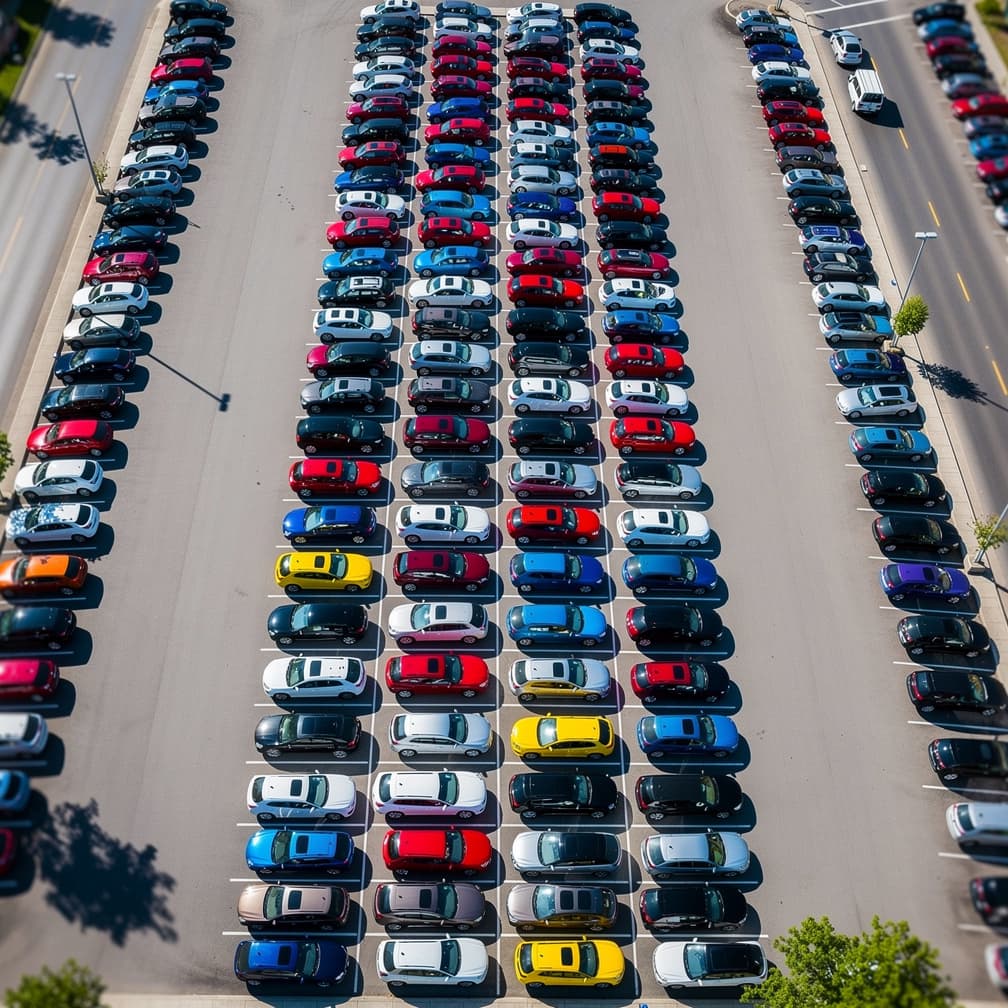
That matters because lenders, landlords, and wholesale partners usually care less about your sign and more about whether the reported locations, peak values, and security details match the way units are actually parked overnight. A smaller frontage lot on a busy corridor can carry the same inventory value as a much larger suburban parcel if vehicles are stacked tightly and turned fast. Here, the practical question is simple: where are keys, where are units after hours, and when does inventory sit somewhere other than the address on the declarations page? Before you request quotes, map every place a vehicle can spend the night, note your highest total lot value, and separate customer vehicles from owned inventory so the quote reflects the real exposure.
Dealer Open Lot Insurance Risk Factors in Milwaukee
Milwaukee's local risk issue is **concentration**. Dealer lots here often fit more inventory into less space, with vehicles staged close to streets, alleys, neighboring businesses, and shared access points. That changes how you should present the risk to an underwriter. A quote works better when it explains fencing, lighting, camera coverage, key control, after-hours access, and whether units are ever parked at a second address that is used only during overflow periods. State-level weather hazards matter in Wisconsin, but the city-specific buying decision is less about naming a hazard and more about showing how your storage pattern responds when weather or snow operations force you to reshuffle inventory. If vehicles are moved between lots, stacked in alternate rows, or parked temporarily at a repair or detail location, document that process before binding coverage. The goal is not broader language for its own sake. The goal is making sure the carrier reviews the actual overnight locations, maximum values, and security routine tied to each site.
Wisconsin has a moderate climate risk rating. Top hazards: Severe Storm (High), Tornado (Moderate), Winter Storm (High), Flooding (Moderate). The state's expected annual loss from natural hazards is $880M, which influences dealer open lot insurance premiums and may affect coverage availability in high-risk areas.
What Dealer Open Lot Insurance Covers
A dealership with a single fenced lot presents one underwriting picture. A dealership that keeps overflow units behind another business, sends vehicles to a reconditioning vendor, or rotates inventory through auctions presents a different one. Your policy review should focus on where vehicles sleep overnight, who has custody during transport or service, and whether any units are regularly kept away from the scheduled premises.
Weather exposure matters in Wisconsin because inventory can sit through severe storms that bring hail, falling tree limbs, and ice damage to roofs, glass, body panels, and lot surfaces. That makes it important to ask how the policy treats vehicles parked in open rows, under partial shelter, or at temporary storage locations. If your operation uses multiple addresses, confirm each one is disclosed and scheduled correctly. A claim gets harder to resolve when the loss location was never clearly listed.
You should also review how the policy handles ordinary dealership movement. That includes transfers between lots, trips to service or detail vendors, and customer test drive procedures if those activities connect to your inventory handling. The goal is to match policy language to your actual chain of custody. If a lender or landlord asks for proof of insurance, they usually want to see that the covered property, named insured, and location details line up with the way your dealership operates today, not the way it operated last year.
Coverage Included

Weather Damage
Covers hail, wind, flood, and storm damage to lot inventory.
Theft Protection
Covers vehicles stolen from your lot.
Fire Damage
Covers fire and explosion damage to inventory vehicles.

Vandalism
Covers intentional damage to vehicles on your lot.
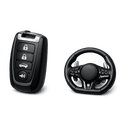
Test Drive Coverage
Covers vehicles during customer and employee test drives.
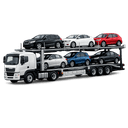
Transit Coverage
Covers vehicles being moved between lot locations.
Industries & Insurance Needs in Milwaukee
County business density is the local context that changes the conversation. Milwaukee County has 20,354 business establishments, so many dealers operate near other active commercial users, shared parking arrangements, service vendors, and customer traffic that can complicate where inventory sits during the day and overnight. That is not just a market fact. It affects how carefully you should disclose every storage address and temporary holding area when you ask for terms.
The county's establishment mix also matters: health care and social assistance accounts for 16.9%, retail trade 12.3%, and accommodation and food services 10.9%. In practice, that means vehicle inventory often sits near clinics, shops, restaurants, and other high-traffic uses rather than in isolated auto corridors. If your lot depends on overflow parking, valet-style movement, or shared access with neighboring businesses, say so early. A cleaner submission usually includes a site list, estimated maximum values by location, and a short note on who can move vehicles after hours.
What Makes Milwaukee Different
Inventory concentration is what changes the calculus here. In many parts of the state, a dealer can describe one primary lot and a fairly stable storage pattern. In Milwaukee, the harder question is whether your inventory values are concentrated across smaller urban parcels, temporary overflow areas, or mixed-use commercial surroundings that change how units are parked, secured, and moved.
That difference affects buying decisions in two ways. First, you should review peak lot values more often, especially if auction purchases or seasonal demand can crowd the lot for short periods. Second, you should treat location reporting as an operational exercise, not a paperwork exercise. If a vehicle can spend the night at a recon shop, fenced side yard, rooftop deck, or borrowed overflow area, that detail belongs in the quote conversation. The policy review is stronger when it follows your real inventory path from acquisition to front-line display. Build a simple location schedule, match each site to its security controls, and ask the agent to confirm how each address is being treated before you bind.
Our Recommendation for Milwaukee
Start with a location audit. List every address where owned inventory can be parked, even if a site is used only during auction weeks, snow events, or reconditioning overflow. Then assign a realistic maximum value to each location, not just an average day count. That gives the underwriter a truer picture of your exposure and reduces the chance that a temporary storage habit becomes a coverage problem later.
Next, separate operational categories clearly. Identify owned inventory, customer vehicles, test-drive procedures, transport between sites, and any third-party repair or detail locations. If keys are centralized, note who has access and how vehicles are released after hours. If access is shared with another business, explain the physical controls instead of assuming the address alone tells the story.
Finally, keep your submission grounded in how you sell. Milwaukee median household income is $51,888, so many dealers here may carry a mix of value-focused inventory and faster-turn units where counts change quickly. That makes frequent inventory reporting and updated peak values worth reviewing before renewal or expansion.
Get Dealer Open Lot Insurance in Milwaukee
Enter your ZIP code to compare dealer open lot insurance rates from carriers in Milwaukee, WI.
Business insurance starting at $25/mo
FAQ
Frequently Asked Questions
Milwaukee dealers usually should disclose any address where owned inventory can spend the night, even if it is used only during overflow periods. A quote is more reliable when temporary storage, security controls, and maximum values are reviewed before binding.
Milwaukee lots can hold substantial inventory value on compact parcels, so the issue is not acreage alone. If vehicles are packed tightly, rotated often, or staged off-site, review peak lot values and every overnight location before renewal.
Milwaukee County has 20,354 business establishments, so dealers often operate near shared parking, service vendors, and heavy customer traffic. That makes it important to document where inventory is parked, who can move it, and how each site is secured.
Milwaukee County's leading sectors are health care and social assistance at 16.9%, retail trade at 12.3%, and accommodation and food services at 10.9%. That commercial mix often means inventory sits near other active uses, so shared access and overflow arrangements deserve careful disclosure.
Milwaukee dealers with frequent auction buys, reconditioning flow, or rapid front-line turnover should consider more frequent value reviews. Faster movement can change where vehicles are stored and how much inventory is concentrated at one address on a given night.
Wisconsin landlords, floorplan lenders, and some auction or storage partners often ask for proof before space, financing, or inventory access is finalized. They usually want the insured business name, covered locations, and effective dates to match your actual dealership operations.
Dealerships should review every active storage address with the carrier because claims can become harder when a loss happens at a location that was not clearly disclosed or scheduled. That matters even more if you use overflow parking or vendor storage.
Floorplan lenders often expect proof that your inventory exposure is insured before financing is finalized or renewed. You should compare lender requirements against the quote early, especially the named insured, covered property description, and certificate timing.
Sources
- 1.U.S. Census Bureau, County Business Patterns, Milwaukee County(Milwaukee County has 20,354 business establishments.; Milwaukee County's leading sectors are health care and social assistance 16.9%, retail trade 12.3%, and accommodation and food services 10.9%.)
- 2.U.S. Census Bureau, ACS 5-Year Estimates, table B19013(Milwaukee median household income is $51,888.)
Updated July 5, 2026