
Updated July 5, 2026

Homeowners Insurance in Milwaukee
Should you buy a different policy just because your home is in Milwaukee? Yes, often you should review the dwelling limit, settlement basis, and deductible more closely here than a statewide average would suggest. Homeowners insurance in Milwaukee is often less about adding exotic endorsements and more about making sure an older city housing stock, a tighter household budget, and lender expectations all line up with the way your house would actually be repaired after a loss.
The local math matters. A claim that leaves you underinsured can be harder to absorb out of pocket here, especially if you have to bridge a deductible, temporary repairs, or code-related upgrades before reimbursement is settled. That makes it worth checking whether your dwelling estimate still matches current rebuild assumptions, whether your personal property limit fits what is actually in the house, and whether your deductible is realistic for your cash reserves. If you are comparing quotes, ask each carrier to show the same coverage basis and deductible side by side before you decide.
Wisconsin has a moderate climate risk rating. Top hazards: Severe Storm (High), Tornado (Moderate), Winter Storm (High), Flooding (Moderate). The state's expected annual loss from natural hazards is $880M, which influences homeowners insurance premiums and may affect coverage availability in high-risk areas.
What Homeowners Insurance Covers
A Wisconsin homeowners policy usually centers on dwelling coverage, personal property coverage, liability coverage, additional living expenses, other structures, and medical payments, but the exact language and endorsements vary by carrier and home. The Wisconsin Office of the Commissioner of Insurance regulates the market, yet it does not create a special state mandate that changes the standard home policy structure. That means standard policies still typically may help cover common perils such as fire, wind, hail, theft, and vandalism, while flood damage remains excluded unless you buy separate flood protection. This exclusion matters in Wisconsin because flooding is a real hazard in the state's disaster history, including river flooding in 2023.
Dwelling coverage in Wisconsin should be tied to reconstruction cost, not market value. The state's average dwelling coverage is about $198,400 while median home value is about $248,000. That roughly $50,000 gap exists because market value reflects what a buyer will pay for the property, while dwelling coverage should reflect what it costs to rebuild the structure. If you insure based on sale price, you may fall short on rebuild money after a total loss. Personal property coverage usually needs to be reviewed carefully if you have higher-value belongings, seasonal equipment, or contents stored in basements that can be exposed during severe weather. Liability coverage is especially important if guests visit your property during icy conditions or after storm damage. Additional living expenses coverage in Wisconsin can help if a covered loss forces you out during repairs, which is relevant after winter storm or severe storm damage. Other structures coverage can matter for detached garages, sheds, and similar buildings common on Wisconsin properties, while medical payments coverage can help cover minor injuries on your property without triggering a liability claim.
Coverage Included

Dwelling
Repairs or rebuilds your home itself, the walls, roof, floors, built-in appliances, and attached structures like a garage, after a covered loss. Set this limit to the full cost of rebuilding, not market value.
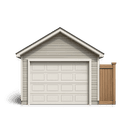
Other Structures
Detached structures on your property, such as a fence, shed, detached garage, or gazebo. Usually set at about 10 percent of your dwelling limit [2].

Personal Property
Your belongings, furniture, clothing, electronics, and appliances, generally written at 50 to 70 percent of your dwelling limit [2]. High-value items like jewelry and art carry special limits.

Additional Living Expenses
Also called loss of use. Pays your added living costs, hotel stays, meals, and a temporary rental, while a covered loss makes your home uninhabitable. Usually set at about 20 percent of your dwelling limit.

Liability
Covers you if someone is injured on your property, or you damage someone else's property, and you are found responsible. The standard $100,000 limit [2] is often raised to $300,000 or $500,000.

Medical Payments
Pays small medical bills, commonly $1,000 to $5,000, if a guest is hurt at your home regardless of fault, without a formal liability claim.
Homeowners Insurance Cost in Milwaukee
Average Cost in Wisconsin
$70 - $190
per month
In Wisconsin, homeowners insurance premiums typically run $70 - $190 per month, which tends to run 28% below the national range of $110 - $250 per month.
- Home replacement cost, age, and construction type
- Roof age, material, and condition
- ZIP code and local weather risk (wind, hail, wildfire, hurricane)
- Coverage limits and endorsements
- All-peril and percentage wind/hail deductibles
- Claims history and insurance score where allowed
Typical range for many standard homeowners profiles; lower-risk homes fall below it and coastal, wildfire, or older-roof homes can run well above. Final pricing depends on property details, location, underwriting, and selected coverage.
Prices shown are general estimates, not guaranteed rates or quotes. Your actual premium will depend on the insurer, coverage selected, personal details, location, claims history, and other underwriting factors. Learn about our pricing methodology.
For Wisconsin homeowners, the pricing picture is shaped by a market that is below the national average, but not flat or uniform. The state's average homeowners insurance cost is starting at $98 per month compared with the national average of $165. That $67 difference means a typical Wisconsin buyer may pay about $800 less per year, which can free up budget for higher dwelling limits or lower deductibles rather than simply accepting the cheapest quote. The actual quote still depends on coverage limits, deductibles, claims history, location, and endorsements. Wisconsin's reconstruction cost index is 95, meaning local rebuilding costs run about 5 percent below the national baseline. You should still size your dwelling limit to actual local construction costs rather than assuming a statewide bargain. Labor and materials remain a high-impact factor along with roof age and material, especially after severe storms and winter weather.
Wisconsin sees high risk for severe storm and winter storm events, with moderate flood and tornado risk, so homes in exposed areas may see different pricing than homes in less vulnerable neighborhoods. Wisconsin has about 420 active insurance companies, according to the National Association of Insurance Commissioners. That volume of carriers means two quotes for the same home can differ by hundreds of dollars per year, which is why comparing multiple carriers matters. In practice, your quote is likely to move based on dwelling limit, deductible choice, security features, roof condition, and whether you add endorsements for broader protection.
What Affects Homeowners Insurance Rates in Milwaukee
Milwaukee's housing economics change how many owners should think about retention and limits, even before you get to premium. Milwaukee's median home value is $172,000, so the practical question is not only what a policy costs, but how much loss you could comfortably carry yourself if a roof leak, fire, or major water claim happens.
That usually points to a more disciplined quote review. A higher deductible can lower premium, but it only works if you could actually fund that amount without delaying repairs. A lower dwelling limit can make a quote look cleaner, but it can leave you short if reconstruction pricing runs above an older purchase price or tax assessment. Here, it is smart to ask for a replacement cost estimate, review ordinance or law coverage, and compare deductible options against your emergency savings, not just against the annual premium.
What Makes Milwaukee Different
Older urban housing stock is the main thing that changes the buying calculus here. In Milwaukee, many buyers are not insuring a newer suburban template home with straightforward replacement assumptions. They are often reviewing houses where age, prior updates, roof condition, wiring, plumbing, masonry details, and detached structures can all change how an underwriter prices the risk and how a claim is adjusted.
That means the most useful quote is usually the one built from accurate home characteristics, not the fastest one built from public records alone. If your square footage, roof age, heating system, or renovation history is wrong on the application, the premium comparison can be misleading from the start. It also means you should look closely at loss settlement terms for both the dwelling and personal property, because older homes can create bigger gaps between a low initial quote and what it takes to repair with like kind and quality. Before you bind coverage, verify the replacement estimate and the home-detail inputs line by line.
Our Recommendation for Milwaukee
Start with the rebuild side, not the premium side. Ask for the dwelling estimate used in each quote and confirm the inputs: year built, roof age, exterior materials, number of bathrooms, finished basement details, garage type, and any updates to electrical, plumbing, or heating. If those details are off, the comparison is off.
Next, pressure-test your deductible against your actual cash reserves. A deductible that looks manageable on paper may still delay repairs after a covered loss if you would need to borrow to meet it. Then review whether personal property and liability limits still fit your household, especially if you have added higher-value electronics, tools, or jewelry since your last renewal. If you are buying an older home, ask specifically about water backup, ordinance or law coverage, and whether roof losses settle on a replacement cost or actual cash value basis. Those are the details most likely to change the outcome after a claim.
Get Homeowners Insurance in Milwaukee
Enter your ZIP code to compare homeowners insurance rates from carriers in Milwaukee, WI.
Home insurance starting at $50/mo
FAQ
Frequently Asked Questions
Milwaukee homeowners should usually review rebuild cost first, not just market value. Claim settlement depends on what it would cost to repair or reconstruct the house under your policy terms, not simply what a buyer might pay for it.
Milwaukee homeowners should choose a deductible they can realistically fund without delaying emergency repairs. It is worth comparing several deductible options against your savings, not picking the highest one just to trim premium.
Milwaukee homes often need closer underwriting detail because age, updates, roof condition, wiring, and plumbing can all change both pricing and claim settlement. Ask each insurer to verify the home characteristics used before you compare premiums.
Milwaukee County has 20,354 business establishments, with health care and social assistance at 16.9%, retail trade at 12.3%, and accommodation and food services at 10.9%. That matters mainly for household budgeting, because many owners here benefit from deductible choices that fit variable work schedules and income patterns.
In Wisconsin, a standard homeowners policy may cover dwelling damage, personal property, liability, additional living expenses, other structures, and medical payments, but the exact terms depend on the carrier and endorsements. It is especially important to confirm how the policy responds to fire, wind, hail, theft, and storm damage.
Wisconsin's average homeowners insurance cost starts at about $98 per month, well below the national average of $165. Your exact premium can move with dwelling limit, deductible, roof condition, claims history, location, and endorsements.
Mortgage lenders in Wisconsin usually require homeowners insurance even though the state does not legally require every owner to buy it. Lenders often want proof that the dwelling is insured before closing, and they may review coverage limits and deductibles.
If you own your home free and clear, Wisconsin law does not force you to carry homeowners insurance, but the risk of fire, severe storm, winter storm, theft, or liability losses still remains. Many owners keep coverage because a major repair bill can be financially disruptive.
Sources
- 1.U.S. Census Bureau, ACS 5-Year Estimates, table B25077(Milwaukee's median home value is $172,000.)
- 2.U.S. Census Bureau, County Business Patterns, Milwaukee County(Milwaukee County has 20,354 business establishments, with health care and social assistance at 16.9%, retail trade at 12.3%, and accommodation and food services at 10.9%.)
Updated July 5, 2026