







































Updated July 16, 2026

Inland Marine Insurance in Milwaukee
Property managers, lenders, and general contractors often want proof that your equipment, installation materials, or customer property is insured before they hand over keys or approve a draw. Satisfying that request usually means a certificate that matches the job as it is actually being done here. Think of tools left at a renovation site between shifts, materials staged for a tenant build-out, or equipment moving from a warehouse stop to a downtown service call. Milwaukee County has 20,354 business establishments, roughly one for every 28 residents. That density means you are likely to encounter multiple counterparties on a single project, each with its own insurance requirements before access, delivery, or setup is approved. Operations touching commercial interiors, retail fixtures, foodservice equipment, medical devices, or contractor tools should have policy schedules and temporary-location terms that line up with how those items move through the city.
Inland Marine Insurance Risk Factors in Milwaukee
Local exposure often comes down to property spending time away from your main address. In this market, that can mean tools and small equipment left inside a partially completed tenant space, materials staged for a short installation window, or customer property moving between a shop, a vehicle, and a temporary work site. Wisconsin's broader hazard picture can affect how exposed mobile property is, but the practical buying issue here is **not to assume every item is treated the same once it leaves your premises**. You should review whether your inland marine form addresses transit, temporary storage, and job-site property under the same policy structure, or whether certain categories need to be scheduled separately. It also helps to match limits to **your largest single vehicle load**, your biggest temporary stockpile, and any item a lender, landlord, or customer would expect you to replace quickly after a loss.
Wisconsin has a moderate climate risk rating. Top hazards: Severe Storm (High), Tornado (Moderate), Winter Storm (High), Flooding (Moderate). The state's expected annual loss from natural hazards is $880M, which influences inland marine insurance premiums and may affect coverage availability in high-risk areas.
What Inland Marine Insurance Covers
Inland marine insurance is designed for business property that does not stay at one fixed address, so the coverage can apply to tools, equipment, materials, and goods while they are in transit, on a job site, at a customer location, or in temporary storage. In practical Wisconsin terms, that can mean a contractor's tools moving between Madison and nearby counties, materials staged at a Green Bay project, or business property stored offsite during winter conditions. The product commonly includes tools and equipment, goods in transit, contractors equipment, installation floater, and builders risk, but the exact coverage depends on the policy form, limits, deductible, and endorsements.
Wisconsin does not have a statewide mandate that every business buy inland marine insurance, and the Wisconsin Office of the Commissioner of Insurance regulates the market rather than setting a one-size-fits-all package. That means requirements vary by industry, contract, lender, or project owner. A customer contract may require proof of goods in transit coverage or an installation floater before work begins, while a builder may need builders risk coverage for a specific project timeline. Because the policy follows the property, it can be structured to address mobile business property without relying only on a standard commercial property policy.
Coverage details vary, but the policy is commonly used for theft, damage, vandalism, and other covered perils while the property is away from the primary business location. Exclusions, sublimits, and valuation methods vary by carrier and endorsement, so Wisconsin businesses should compare forms carefully. That is especially true if equipment is frequently stored in vehicles, trailers, or temporary storage between jobs.
Coverage Included
Tools & Equipment
Can help repair or replace hand tools, power tools, and gear that are stolen or damaged on the job or in transit.

Goods in Transit
May cover products, materials, and merchandise while they are being shipped or hauled between locations in your care.
Contractors Equipment
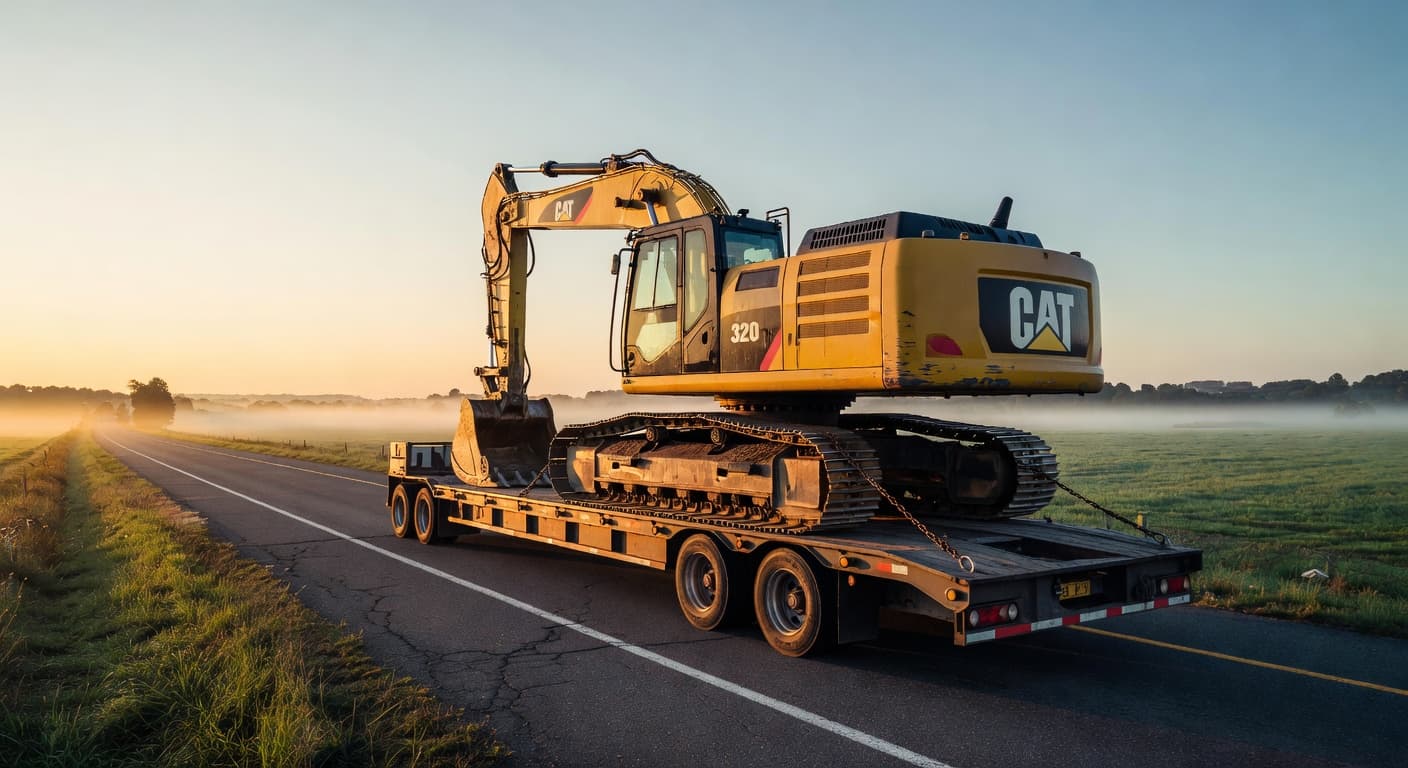
Typically covers heavy machinery like excavators, loaders, and generators against theft or damage at job sites and between them.
Installation Floater
Can help cover materials and fixtures from the moment you buy them until they are installed and accepted at a project.
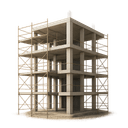
Builders Risk
May cover a structure under construction, along with materials on site, against damage from fire, wind, theft, and vandalism.
Inland Marine Insurance Cost in Milwaukee
Average Cost in Wisconsin
$20 - $100
per month
Businesses in Wisconsin typically see inland marine insurance premiums of $20 - $100 per month, which tends to run close to the national range of $20 - $100 per month.
- Total insured value of the scheduled property
- Type and age of the equipment
- Where it is stored and how far it travels
- Jobsite security and theft prevention
- Per-item limits and deductibles
- Prior theft and in-transit losses
Contact CPK Insurance for a personalized quote.
Prices shown are general estimates, not guaranteed rates or quotes. Your actual premium will depend on the insurer, coverage selected, business details, location, claims history, and other underwriting factors. Learn about our pricing methodology.
The cost of inland marine insurance in Wisconsin is shaped by the state's competitive market and by how mobile or exposed your insured property is. The average premium range runs $20 to $100 per month, while broader small-business averages fall in the same range, so pricing varies by carrier, coverage design, and the risk profile of the property being insured. Wisconsin's premium index is 92, which means premiums sit below the national average overall, but that does not guarantee every quote will be low because limits, deductibles, endorsements, and the type of property still drive the final number.
Several Wisconsin-specific factors can move the price up or down. Severe storm and winter weather exposure matters because property in transit or staged at job sites can face weather-related loss conditions more often than fixed-location property. Moving tools through dense business areas, rural routes, or temporary storage sites can change your quote. Claims history, industry or risk profile, coverage limits, deductible choices, and policy endorsements are all pricing factors, and those factors are especially important for contractors equipment and tools and equipment coverage.
The state's 156,800 businesses and heavy manufacturing presence mean insurers see a wide range of mobile property exposures, from construction gear to installation materials. That volume can work in your favor because carriers competing for the same accounts may offer more flexible terms or pricing. If you want a tighter price range, the best way to control cost is to match the policy to the actual value, travel pattern, and storage pattern of your property rather than buying broader limits than you need.
Industries & Insurance Needs in Milwaukee
Milwaukee County's business mix changes which property is most often moving or sitting off-site. County data shows health care and social assistance at 16.9%, retail trade at 12.3%, and accommodation and food services at 10.9% of establishments, so local demand often centers on movable equipment, tenant-improvement materials, display fixtures, refrigeration or kitchen equipment, and similar property that does not stay at one insured address all the time. That matters if your work supports clinics, stores, restaurants, or hospitality spaces, because contracts may involve installation phases, temporary storage, and customer-owned property in your care before turnover. Instead of asking only for a broad inland marine quote, ask the agent to break out what is contractor equipment, what is installation property, and what may need an equipment floater or another form. That review is usually where coverage gaps show up before a claim does.
What Makes Milwaukee Different
In many places, this coverage is mainly a back-office decision. In Milwaukee, it is often a gatekeeping document that affects whether you can enter a site, move materials, satisfy a lender condition, or keep a project on schedule. More landlords, vendors, and project partners means more certificates and more chances for a mismatch between what you actually move and what your policy describes. The practical difference is that you should buy it with intention, not as a generic add-on. Line it up with the property categories other parties care about seeing insured, including contractor tools, installation materials, leased equipment, or customer property in transit or at a temporary location. Certificate requests are common enough that covered property wording should be reviewed before the job is booked, not after access is delayed.
Our Recommendation for Milwaukee
Start with your property list, not the certificate request. Sort what you own, what you lease, what belongs to a customer, and what is only in your care for a short part of the job. Then match each category to where losses are most likely to happen, whether in transit, inside a vehicle, at a temporary site, or while staged before installation. Working with landlords, lenders, or larger commercial clients means you should ask to see their insurance requirements early so your wording and limits can be reviewed before they hold up the job. Milwaukee's median household income is $51,888, below the national median. For a household at that level, a damaged appliance or fixture can be a major loss, so replacement-cost wording on customer property matters more than you might assume. When requirements are unclear, confirm the form and certificate language before you move the property.
Get Inland Marine Insurance in Milwaukee
Enter your ZIP code to compare inland marine insurance rates from carriers in Milwaukee, WI.
Business insurance starting at $25/mo
FAQ
Frequently Asked Questions
Milwaukee property managers and general contractors usually ask before site access, material delivery, or tenant-improvement work begins. Tools, equipment, or installation materials leaving your main address should trigger a review of your certificate wording and covered property schedule before the job is released.
Milwaukee retail and foodservice projects often involve fixtures, small equipment, installation materials, and sometimes customer-owned items before turnover. Schedule the property that actually moves or sits at temporary sites, and ask whether each category fits one form or separate coverage parts.
Milwaukee County has a large business base, so many local jobs involve multiple counterparties, each with their own insurance requirements. That makes certificate accuracy, covered property descriptions, and temporary-location terms worth reviewing before access or payment is delayed.
Milwaukee County's leading sectors are health care and social assistance at 16.9%, retail trade at 12.3%, and accommodation and food services at 10.9%. Together those three sectors account for roughly two out of every five local jobs, which means vendors serving them should expect frequent certificate requests and stricter wording on movable equipment, installation property, and customer property exposures.
Milwaukee businesses can first review the contract language with their agent, then confirm broader insurance questions through the Wisconsin Office of the Commissioner of Insurance if needed. Resolving wording issues before property is moved or a site is opened is the step that matters most.
In Wisconsin, it typically covers mobile business property such as tools, equipment, and materials while they are in transit, at a job site, at a customer location, or in temporary storage, but the exact coverage depends on the policy form and endorsements.
It is designed to follow covered property away from a fixed business location, so if your tools or materials are left at a Wisconsin job site or in temporary storage, coverage may apply if the storage method and location fit the carrier's terms.
Contractors, electricians, plumbers, landscapers, installers, and builders are common candidates. The same applies to photographers, caterers, and IT service providers. Any business that regularly moves valuable property across Wisconsin cities or counties should consider it.
Sources
- 1.U.S. Census Bureau, County Business Patterns, Milwaukee County(Milwaukee County has 20,354 business establishments, so you are often dealing with multiple counterparties, each with their own insurance requirements before access, delivery, or setup is approved.; County data shows health care and social assistance at 16.9%, retail trade at 12.3%, and accommodation and food services at 10.9% of establishments, so local demand often centers on movable equipment, tenant-improvement materials, display fixtures, refrigeration or kitchen equipment, and similar property that does not stay at one insured address all the time.)
- 2.U.S. Census Bureau, ACS 5-Year Estimates, table B19013(Milwaukee's median household income is $51,888, so replacing damaged customer property quickly can matter to the client relationship even when the item is not high-value by commercial standards.)
- 3.Wisconsin Office of the Commissioner of Insurance(The Wisconsin Office of the Commissioner of Insurance is the state's insurance regulator.)
Updated July 16, 2026





