







































Updated July 16, 2026

On-Hook Towing Insurance in Milwaukee
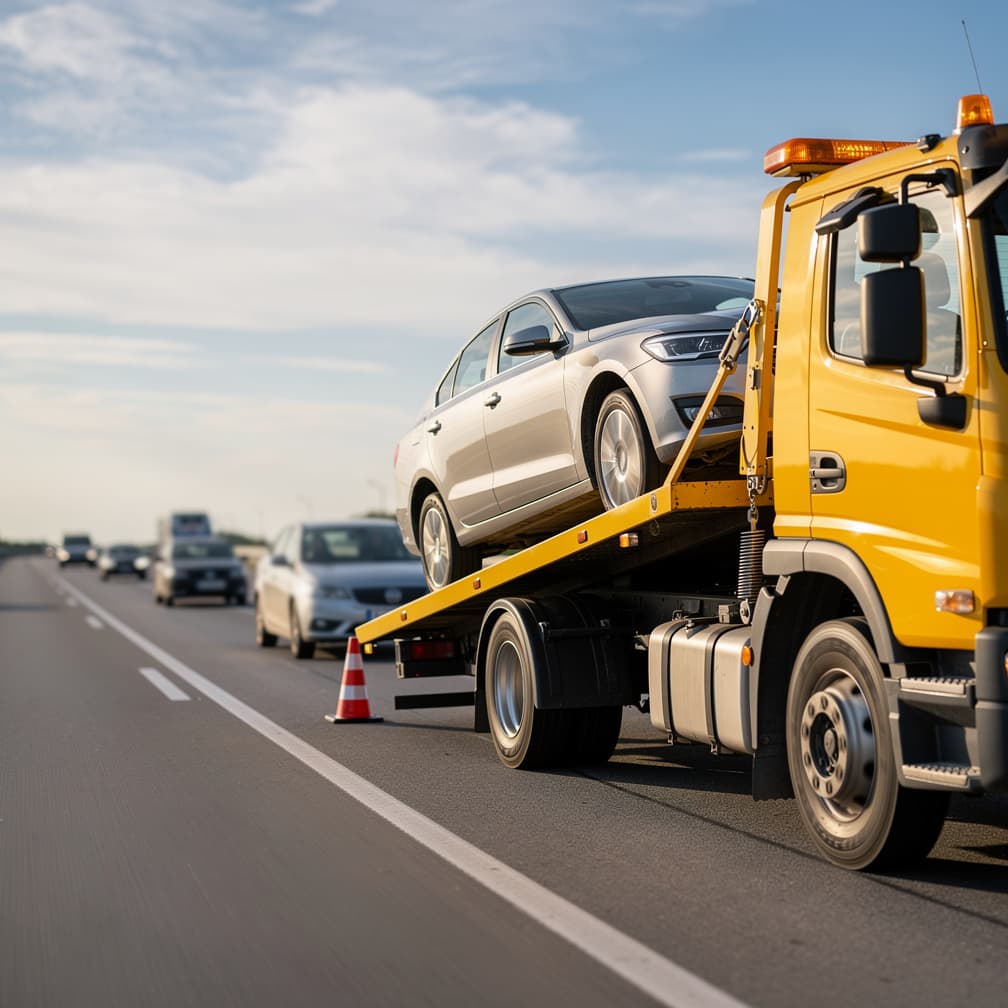
Your drivers are not working one kind of call all day. A local tow operation may pick up a disabled commuter car near downtown in the morning, move a retail customer vehicle from a tight surface lot in the afternoon, then handle an after-hours impound or apartment-complex tow before the shift ends. That mix changes how you should review on-hook towing insurance in Milwaukee. The main question is not just limit size but how vehicles are loaded, secured, documented, stored during handoff, and moved between dense commercial corridors, older alleys, and private lots with limited turning room. Milwaukee also sits inside a county with a broad base of business properties, so vendor lots, employee parking areas, medical offices, restaurants, and retail properties can all generate different towing instructions and different damage-dispute patterns. If your work spans police rotation, private property towing, roadside assistance, or short-distance relocations for commercial accounts, ask for a quote review built around those handoffs, your truck types, and the points where claims are most likely to start: during hookup, transport, unloading, or lot transfer.
On-Hook Towing Insurance Risk Factors in Milwaukee
Milwaukee's top risk factors include Severe weather, Property crime, Flooding, and Vehicle accidents.
Wisconsin has a moderate climate risk rating. Top hazards: Severe Storm (High), Tornado (Moderate), Winter Storm (High), Flooding (Moderate). The state's expected annual loss from natural hazards is $880M, which influences on-hook towing insurance premiums and may affect coverage availability in high-risk areas.
What On-Hook Towing Insurance Covers
In Wisconsin, the useful question is not whether this coverage exists but where your actual loss points show up during a normal week. For many towing businesses, that means looking closely at winter roadside calls, ditch recoveries, parking structure clearances, tight urban hook-ups, and handoffs between tow, storage, and release. Each of those moments can change how damage happens and how a claim is argued.
Ask your quote reviewer to walk through your equipment and service mix in plain operating terms. A flatbed handling dealer transfers may need a different conversation than a wheel-lift unit taking police-directed impounds, and a heavy unit doing recovery work raises different concerns than a light-duty truck focused on short local tows. Review the policy around how vehicles are secured, how often you winch, whether you tow all wheel drive units, whether low-clearance vehicles are common, and whether you move disabled commercial vehicles.
Ice, snow, reduced visibility, and soft shoulders can turn a simple loading job into a question about slide, contact, undercarriage damage, or shifting during transport. That is why it helps to review not only the limit but also the deductible you can realistically absorb, the territory where calls happen, and any exclusions that matter for recovery, impound, or specialty vehicles. Before binding, ask for claim examples tied to your actual dispatch patterns. A good outcome looks like a policy that may help cover a scratched bumper during a tight impound extraction, while a bad outcome is discovering too late that your endorsement excludes ditch recoveries in winter conditions, leaving you to pay for a cracked oil pan out of pocket.
Coverage Included
Collision on Hook
Covers damage to towed vehicles from collisions during transport.
Comprehensive on Hook
Covers theft, fire, and weather damage to vehicles being towed.
Loading & Unloading
Covers damage during the process of loading and unloading vehicles.
Winching Coverage
Covers damage to vehicles during winching and recovery operations.
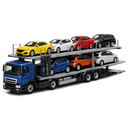
Multiple Vehicle
Covers all vehicles on multi-car carriers and rollback flatbeds.
Industries & Insurance Needs in Milwaukee
County business mix matters here because it shapes where your calls originate and how often you handle vehicles in crowded access points. In Milwaukee County, the leading sectors by establishment share are health care and social assistance at 16.9%, retail trade at 12.3%, and accommodation and food services at 10.9%. That matters for on-hook exposure because these properties often involve busy parking lots, delivery congestion, time-sensitive removals, and customer vehicles left in spaces with limited room to load cleanly. If a large share of your work comes from clinics, shopping areas, restaurants, or hospitality accounts, review whether your on-hook limit fits the vehicles you actually tow and whether your procedures for photos, pre-tow condition notes, and release signatures are consistent across every account. The county has a large establishment base, so a towing book built on commercial referrals can spread across many property types, each with its own access and dispute profile.
What Makes Milwaukee Different
What changes the calculus here is how often your drivers pass a vehicle from one person or place to the next. In a market where a tow company may serve apartments, clinics, retailers, restaurants, and private lots in the same service area, many claims questions start at the transition points, not out on a long haul. You are more likely to face disputes over pre-existing damage, low-clearance loading angles, wheel position, or what happened while a vehicle was being moved through a cramped lot or released to a storage location. That is why a local review should focus on your actual handoff chain. The details that matter include who authorizes the tow, how vehicle condition gets documented, where keys and photos are logged, and whether different drivers follow the same release process. Milwaukee towing often depends on varied commercial relationships, so your policy review should match the property types you serve rather than assume every call looks like a simple roadside pickup.
Our Recommendation for Milwaukee
Start with your dispatch mix, not a generic towing application. Break out roadside recoveries, private property impounds, dealer or shop moves, and commercial account work, then ask the agent to review whether your on-hook limit and claims documentation process fit each category. If you tow for medical offices, retail centers, or restaurant properties, tighten your pre-tow photo routine and make sure every driver records vehicle condition the same way before hookup and again at release. Milwaukee median household income is $51,888. That means a customer's car is often one of the more valuable things they own, so even minor damage allegations can become more contentious when that asset is on the line, which is why careful documentation pays off. If a dispute arises, clear timestamps, lot authorization records, and condition photos usually matter more than broad assurances. When you are ready for a quote, gather your truck schedule, service radius, tow types, storage details, and any contract requirements so the review can focus on the exposures you actually carry.
Get On-Hook Towing Insurance in Milwaukee
Enter your ZIP code to compare on-hook towing insurance rates from carriers in Milwaukee, WI.
Business insurance starting at $25/mo
FAQ
Frequently Asked Questions
Bring a current vehicle schedule, truck types, dispatch mix, storage and release procedures, and any private property or commercial towing agreements. That information lets the quote reflect how your handoffs actually happen, which is where damage disputes usually begin.
Private property towing often involves tighter lots, apartment complexes, retail centers, and after-hours removals. Those conditions can change how a vehicle is loaded and documented, so ask for a review that matches your lot access, authorization process, and release workflow.
Milwaukee County has 20,354 business establishments. With that many properties generating tow requests, you are more likely to run into varied access constraints and conflicting instructions, which is a reason to review account-by-account exposures instead of assuming one on-hook setup fits every commercial call.
Milwaukee County's leading sectors are health care and social assistance, retail trade, and accommodation and food services. Those industries tend to operate busy parking areas with high customer turnover, so your on-hook review should account for congestion, documentation, and handoff consistency.
Operators usually start with their agent and policy documents, and Wisconsin insurance oversight sits with the Wisconsin Office of the Commissioner of Insurance. If a claim becomes disputed, keep photos, timestamps, tow authorizations, and release records organized from the start.
If you move customer vehicles in roadside, recovery, or impound situations where damage can be alleged during the tow, this coverage deserves close attention. Review policy terms and endorsements before you rely on a certificate for new work.
Winter roads can increase the chance of slide, shift, loading, and visibility-related disputes, so your quote should reflect how often your drivers tow in snow, ice, and recovery conditions. Review deductibles, limits, and documentation procedures before renewal.
Flatbeds and wheel-lifts present different claim patterns because the loading method, trip type, and vehicle mix are not the same. Compare quotes using your actual dispatch mix, not a broad towing description, before choosing limits.
Sources
- 1.U.S. Census Bureau, County Business Patterns, Milwaukee County(In Milwaukee County, the leading sectors by establishment share are health care and social assistance at 16.9%, retail trade at 12.3%, and accommodation and food services at 10.9%.; Milwaukee County has 20,354 business establishments, so a towing company may serve many different property types with different access issues and towing instructions.)
- 2.U.S. Census Bureau, ACS 5-Year Estimates, table B19013(Milwaukee median household income is $51,888, so many customer vehicles may represent a meaningful household asset, which can make even minor damage allegations more contentious and worth documenting carefully.)
- 3.Wisconsin Office of the Commissioner of Insurance(Wisconsin insurance oversight sits with the Wisconsin Office of the Commissioner of Insurance.)
Updated July 16, 2026





