







































Updated July 5, 2026

Builders Risk Insurance in Cheyenne
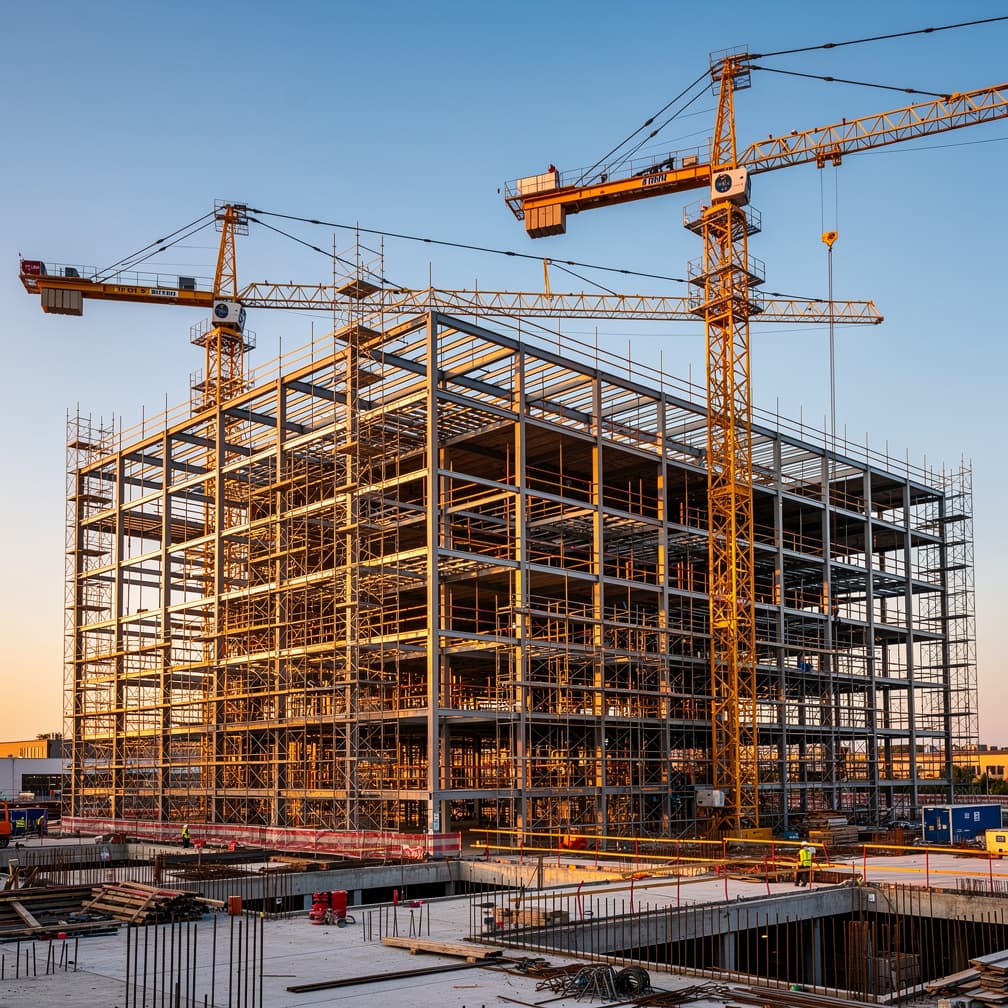
Professional, scientific, and technical services lead the business mix in the county that contains Cheyenne, at 17.7% of establishments, so a lot of local construction work supports offices, clinics, tenant improvements, and owner-led buildouts that move on contracts, lender timelines, and occupancy dates. That changes how you review builders risk insurance in Cheyenne. You are often not just insuring lumber and fixtures on a site, you are protecting a project schedule tied to lease commencement, equipment delivery, and draw requests. Health care and social assistance account for 10.3% of county establishments, and retail trade adds 10%, so buildouts here can involve specialized interior finishes, mechanical upgrades, and materials that arrive in phases rather than all at once. If your project includes owner-supplied items, stored materials, or renovation work inside an occupied building, ask for those details to be reviewed before binding. A short application rarely captures them well enough. Start with the address, construction type, renovation versus ground-up scope, who is responsible for materials before installation, and the date the space actually needs to open.
Builders Risk Insurance Risk Factors in Cheyenne
Cheyenne's top risk factors include Severe weather, Property crime, Flooding, and Vehicle accidents.
Wyoming has a moderate climate risk rating. Top hazards: Severe Storm (High), Wildfire (High), Winter Storm (High), Tornado (Moderate). The state's expected annual loss from natural hazards is $160M, which influences builders risk insurance premiums and may affect coverage availability in high-risk areas.
What Builders Risk Insurance Covers
In Wyoming, the practical coverage review often turns on where property sits before it is installed and how exposed the project remains between trades. That matters on jobs where framing packages, roofing materials, mechanical equipment, or finish items arrive early and stay on site while crews wait on weather, access, or sequencing. If your project depends on stored materials, ask specifically how the policy treats property at each stage of the job. Do not assume those categories are handled the same way.
You should also review how the policy treats temporary structures, fencing, scaffolding, and site security equipment if those items are part of how the job is being protected. On a Wyoming build with wide-open exposure, distance from suppliers, or limited nearby supervision, those details can affect whether the policy fits the way the work is actually being staged. Renovation work deserves a separate review if the project involves tying new work into an existing structure, protecting owner-supplied materials, or phasing occupancy while construction continues.
The state regulator is the Wyoming Department of Insurance, which can help with consumer questions, complaint resolution, and verifying carrier licensing. If you are comparing forms, endorsements, or carrier filings and something is unclear, you can contact them directly to confirm whether a carrier is licensed in the state or to file a complaint about claim handling. For buying purposes, the more useful step is to request a line-by-line review of what property is included, what causes of loss are being considered, and what exclusions or sublimits could matter before materials start arriving.
Coverage Included

Structure Coverage
Covers the building or structure under construction.
Materials on Site
Covers building materials stored at the construction site.

Materials in Transit
Covers materials being transported to the job site.
Temporary Structures
Covers scaffolding, fencing, and temporary buildings.

Soft Costs
Covers additional expenses from construction delays due to covered losses.
Equipment Coverage
Covers permanently installed fixtures and equipment.
What Affects Builders Risk Rates in Cheyenne
Cheyenne's median home value is $311,200, so even a modest residential build or major remodel can put a meaningful amount of value in place before completion. For a builders risk quote, that matters less as a headline number than as a reminder to set the completed value carefully and update it if finishes, cabinetry, windows, or owner upgrades change mid-project. The city's median household income is $77,176, which can support higher-spec finish selections and change orders on custom or semi-custom work, especially after the original budget is approved. If your project starts with builder-grade assumptions and ends with upgraded materials, a stale limit can leave a gap at the worst point of the job. Before you request terms, line up the construction contract, allowance schedule, lender requirements, and any owner-purchased materials list so the insured value tracks the project you are actually building.
What Makes Cheyenne Different
Tenant improvement work is the main thing that changes the builders risk conversation here. In the county containing Cheyenne, 3,545 business establishments create steady demand for office, medical, and retail space updates, and those jobs do not behave like a clean ground-up build on an empty site. You may be working inside an existing structure, around other occupants, with phased deliveries and a hard opening date already promised to a landlord, lender, or incoming tenant. That means the policy review should focus early on renovation scope, existing structure interest if applicable, temporary storage, and who carries the risk for materials before they are installed. It also means your project description needs to be precise about what is new work, what is existing property, and whether the owner is supplying any fixtures or equipment. If those details stay vague, the quote can look fine on paper and still miss the part of the job that is most exposed.
Our Recommendation for Cheyenne
Start by matching the policy request to the way your project is actually being delivered. If you are handling a medical office refresh, retail buildout, or professional office renovation, separate the value of new work from any existing structure interest and identify who owns each category of property during the job. If materials are stored off site or delivered in stages, say that up front instead of assuming standard wording fits. For residential projects, review the completed value after selections are finalized, not just when plans are first priced. If the owner is buying appliances, lighting, specialty glass, or custom finishes directly, ask how those items should be scheduled or documented before they arrive. It is also worth checking whether your lender or contract requires specific causes of loss, soft cost treatment, or named insured wording. Bring the contract, budget, draw schedule, and target completion date into the quote conversation so the terms can be reviewed against the real job, not a simplified summary.
Get Builders Risk Insurance in Cheyenne
Enter your ZIP code to compare builders risk insurance rates from carriers in Cheyenne, WY.
Business insurance starting at $25/mo
FAQ
Frequently Asked Questions
Cheyenne medical and office projects should disclose renovation scope, occupancy status, phased deliveries, and any owner-supplied equipment. In the county containing Cheyenne, professional services lead at 17.7% of establishments, so interior buildouts are common and the project description needs to be specific.
Cheyenne residential projects should start with the completed value, then update it when finish selections or owner upgrades change. With a median home value of $311,200, underestimating cabinetry, windows, flooring, or custom features can leave the limit behind the actual job.
Cheyenne remodels often need closer review because the job may sit inside an existing structure with occupants, business operations, or owner property nearby. That makes it important to separate new work from existing property and confirm who carries the risk before installation.
Laramie County business activity matters because 3,545 establishments support steady demand for tenant improvements, office renovations, and retail updates. That means many local projects involve phased materials, lease deadlines, and occupied buildings, which should be reflected in the quote request.
Cheyenne retail buildouts can slow down at binding when the application leaves out stored materials, landlord requirements, or the opening-date schedule. Retail trade makes up 10% of establishments in the county containing Cheyenne, so those details often affect how the job should be reviewed.
Projects here often need a realistic completion timeline because weather-related delays can leave work and materials exposed longer than planned. Ask how the policy term is set, what happens if the schedule slips, and whether an extension can be reviewed before the original expiration date.
Yes, owner-builders can get coverage, but the quote usually depends on the project scope, budget, construction experience, and who is performing the work. Bring the contract, timeline, and material storage plan so the submission reflects the actual build.
Remote-site quotes go better when you explain site checks, security, delivery timing, temporary storage, and how quickly damaged materials could be replaced.
Sources
- 1.U.S. Census Bureau, County Business Patterns, Laramie County(Professional, scientific, and technical services lead the business mix in the county that contains Cheyenne, at 17.7% of establishments.; Health care and social assistance account for 10.3% of county establishments, and retail trade adds 10%.; In the county containing Cheyenne, 3,545 business establishments create steady demand for office, medical, and retail space updates.)
- 2.U.S. Census Bureau, ACS 5-Year Estimates, table B25077(Cheyenne's median home value is $311,200.)
- 3.U.S. Census Bureau, ACS 5-Year Estimates, table B19013(The city's median household income is $77,176.)
Updated July 5, 2026





