







































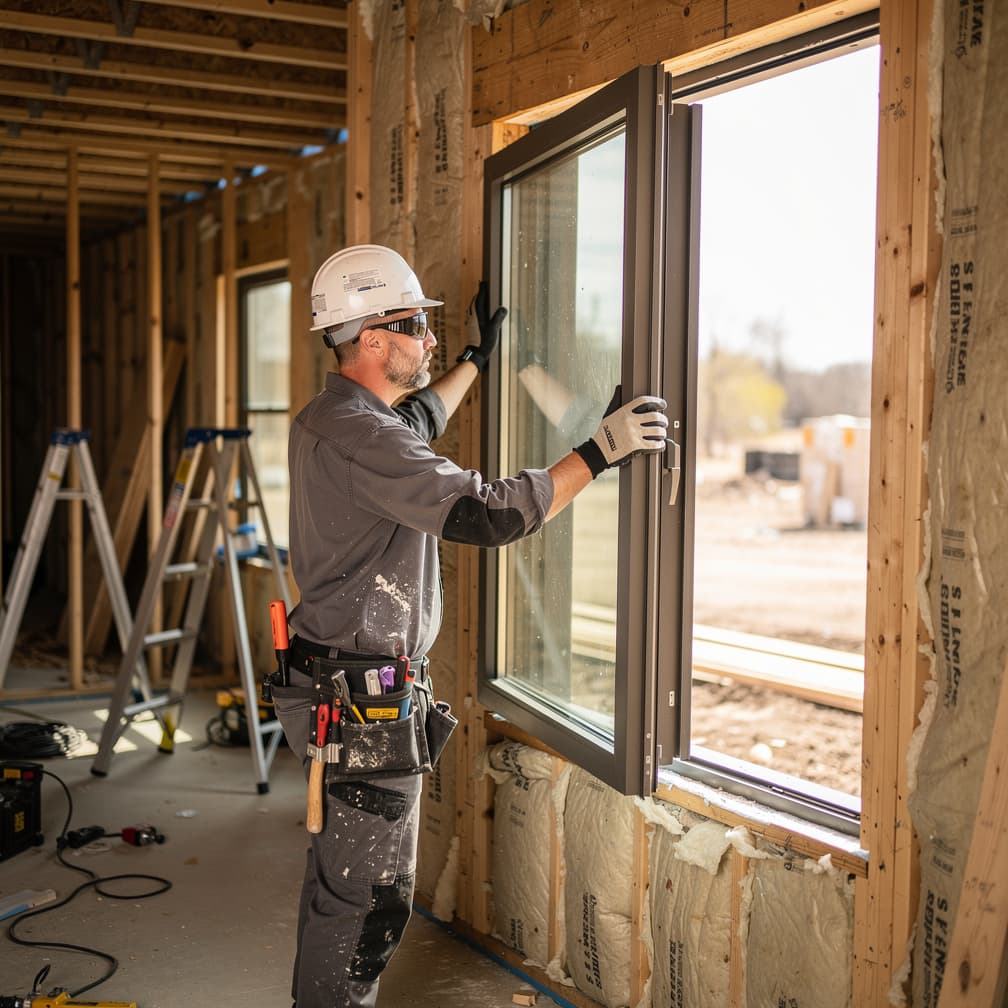

Old sash and broken glass sit in a client's yard until the whole run of openings is finished, and a curious kid is a claim waiting to happen. Laramie County has about 3,500 businesses, so the pool of builders and property owners who hire you is small enough to remember one bad afternoon. Reputation does not pay for a replacement floor, though. Window and door installer insurance in Cheyenne is what answers when the damage lands on somebody else's property. Thin markets also mean fewer crews to hand a job to when your installer is out with a cut hand. That gap shows up in payroll, in the schedule, and in what a carrier charges you. The sections below sort out which exposures you can afford to carry yourself.
What Makes Cheyenne Different
Weather delays hurt more when the drive to the jobsite is already an hour each way. A Cheyenne job an hour out can commit your only crew to one town for a week. Losing two days there does not mean picking up a nearby job on the same tank of fuel. It means the truck sits, the crew gets paid or gets sent home, and the schedule compresses. Compressed schedules are when installers rush, and rushing is when a pane meets a door frame. Carriers see that pattern in loss runs even if you never connect it back to weather. Building slack into the Cheyenne schedule is a risk control measure that costs you nothing. Nobody prices it that way, and your loss history will show whether you did it.
Local Risk Factors in Cheyenne
Severe storms arrive fast and leave a jobsite full of debris that was recently somebody's roof. Work stops, and the openings you planned to close that afternoon stay open through the night in Cheyenne. Anything staged outside is scattered, and glass that looks fine can be cracked in ways nobody sees until install day. Inland Marine may respond to materials and tools damaged away from your shop, subject to how the policy treats wind and where the property was kept. Inspect every unit before you set it in Wyoming, since a pane installed with a hidden flaw quietly becomes your workmanship problem.
What Coverage Does a Window & Door Installer in Cheyenne Need?
General Liability
General contractors, property managers, and permit desks ask for this one by name before a crew opens a wall. It can help cover third-party bodily injury and damage to a client's property, the gouged floor or the ruined trim beside an opening. It typically excludes your own faulty workmanship and any injury to your employees.
Example: A frame slips off the horses and gouges a client's new hardwood on the way down. The repair invoice and the argument that follows are what this line is generally meant to take on.
Workers Compensation
Nothing else on this page answers when an installer tears a shoulder lifting a patio door, which is the whole reason this line exists. It is intended to handle medical treatment and a share of lost wages for crew hurt on the job. Rules about who must be covered vary by state, and payroll is what it gets rated on.
Example: Two installers carry a storefront unit up a stairwell and the one walking backwards misses a step. Treatment, time away, and the wage gap that follows can fall to this coverage.
Commercial Auto
Your personal policy typically excludes the truck the moment it is hauling frames for money, and that gap is what this line fills. It may respond to injury and property damage you cause on the road, and comprehensive can be added for the van itself. Trailers usually have to be scheduled by name, so ask.
Example: A van pulls out of a Cheyenne supply yard with a loaded trailer and clips a parked car. Repairs to the other vehicle and any injury claim behind it are what this policy is designed to address.
Tools & Equipment (Inland Marine)
Saws, ladders, levels, and a trailer full of frames are the property that never sits still, and a shop policy usually stops at the shop door. This line is built for gear in transit, in a locked van, or staged at a jobsite. Theft and damage are the common triggers, and storage conditions decide a great deal.
Example: Somebody cuts the lock on a trailer parked overnight behind a Cheyenne jobsite and takes every cordless tool inside it. Replacing that kit is the sort of loss this coverage often picks up.
How Much Does Window & Door Installer Insurance Cost in Cheyenne?
Window & Door Installer Insurance is a bundle of separate policies, priced separately. The ranges below are typical figures for Cheyenne for each line, except workers compensation, which is set by the state fund; a quote prices each one against your own operations.
| Coverage | Typical range | What moves your price |
|---|---|---|
| General Liability Insurance | $130 - $400 per month | Industry and risk classification, annual revenue, number of employees |
| Workers Compensation Insurance | Set by the state fund | Employee classification codes, total annual payroll, experience modification rate |
| Commercial Auto Insurance | $180 - $525 per month | Fleet size and vehicle types, driver records and experience, coverage limits and deductibles |
| Inland Marine Insurance | $35 - $130 per month | Total insured value of the scheduled property, type and age of the equipment, where it is stored and how far it travels |
Prices shown are general estimates, not guaranteed rates or quotes. Your actual premium will depend on the insurer, coverage selected, business details, location, claims history, and other underwriting factors. Learn about our pricing methodology.
What Are the Insurance Requirements for a Window & Door Installer in Cheyenne?
Workers' comp is generally required once you have your first employee, through the state fund. Wyoming runs workers' compensation through a state fund: employers buy coverage from the Wyoming Department of Workforce Services, not from private carriers. Common exemptions include sole proprietors and partners. Confirm current requirements directly with the fund before you hire.
State auto liability minimums apply to business vehicles. Wyoming's minimum auto liability limits are $25,000/$50,000/$20,000 (bodily injury per person / per accident / property damage). Contracts and lenders often require more than the state floor.
Where to verify licensing and coverage rules. The Wyoming Department of Insurance publishes consumer guidance and current insurance requirements for Wyoming businesses. When a contract or lease demands specific wording, the Wyoming Department of Insurance's guidance is the authoritative place to check.
Get Your Window & Door Installer Quote in Cheyenne
Compare rates from multiple carriers. Free quotes, no obligation.
Operating in Cheyenne
- A client's dog, a client's kid, and a client's furniture are all inside the room where you are cutting, and none of them will move themselves out of the way.
- Glass suppliers deliver on their own terms, so a shipment that arrives damaged has a claim window measured in hours, and signing for it without inspecting it closes that window for you.
- A Cheyenne schedule that crosses county lines in one week means your vehicles run a wider radius than the one you described to a carrier, and radius is a rated item.
- Delivery lands before the crew does, and a pallet of units sitting in a client's Cheyenne garage for a week is your property inside somebody else's building. Where it sits changes which form might answer if it gets damaged.
How to Buy: Advice for Cheyenne Owners
Moving from house swaps to storefront work changes your insurance before it changes your bank account. Bigger glass, taller ladders, and public sidewalks raise both the odds and the size of a General Liability claim. Contracts arrive carrying limit requirements a residential policy was never built to meet. Tell a carrier about the shift when it happens, because the policy you bought describes the work you used to do. Workers Compensation classification can change too, and the audit is where that gets settled either way. If your Cheyenne mix moves past a quarter commercial, treat it as a re-shop rather than an endorsement. The Wyoming Department of Insurance publishes the current requirements for reporting a change in operations. CPK lets you put the new picture in front of participating carriers and see who actually wants the work.
FAQ
Window & Door Installer Insurance in Cheyenne: FAQ
Yes, and it should happen before the van starts working rather than after. Commercial Auto rates on the vehicles and drivers listed, so an unlisted van in an accident invites a coverage argument you do not want to have. Call when you buy it, add the driver at the same time, and keep the updated documents in the truck.
Not automatically. Their policy answers for their liability, and a homeowner in Cheyenne who is unhappy will name you anyway because you signed the contract. Collect their certificate, ask to be listed as additional insured, and keep the paperwork long after the job closes. If they turn out to be uninsured, your carrier can treat them as your employee at audit and bill you for it.
The deductible comes off your side of the loss, so a scratched floor that costs less to fix than your deductible is entirely yours to eat. That is why installers absorb small damage quietly. Choosing a higher deductible lowers your premium and shifts more of these routine losses onto your own cash. Pick the number you could write a check for tomorrow.
Yes, and the sooner the better. A policy priced for house swaps describes a shop that no longer exists once you are setting storefront entrances over a public sidewalk. Carriers audit the work you actually did, so a quiet shift becomes an expensive reconciliation. Raising it early lets you re-shop the whole program in Wyoming instead of patching an endorsement onto the wrong policy.
Payroll, vehicle count, revenue, and claims history drive the number far more than the Cheyenne address on your invoices. A solo installer swapping double hungs prices nothing like a four-person crew setting storefront glass. The share of your work that is commercial matters too, since bigger openings mean bigger claims. Quotes only become comparable once every carrier gets the same payroll and vehicle figures.
The unit itself is usually your loss rather than a liability claim, because General Liability is built for damage to other people's property instead of the product in your hands. If the shattering pane cuts a bystander or gouges a client's floor, that is a different question, and the liability side can respond. Glass in transit or staged on site can fall under an equipment form, depending on how your policy is written.
Sources
- 1.U.S. Census Bureau, County Business Patterns (2022), Laramie County(Laramie County has about 3,500 business establishments.)
- 2.Wyoming Department of Insurance(Wyoming Department of Insurance publishes consumer guidance for insurance buyers.)


