







































Updated July 5, 2026

Garage Keepers Insurance in Cheyenne
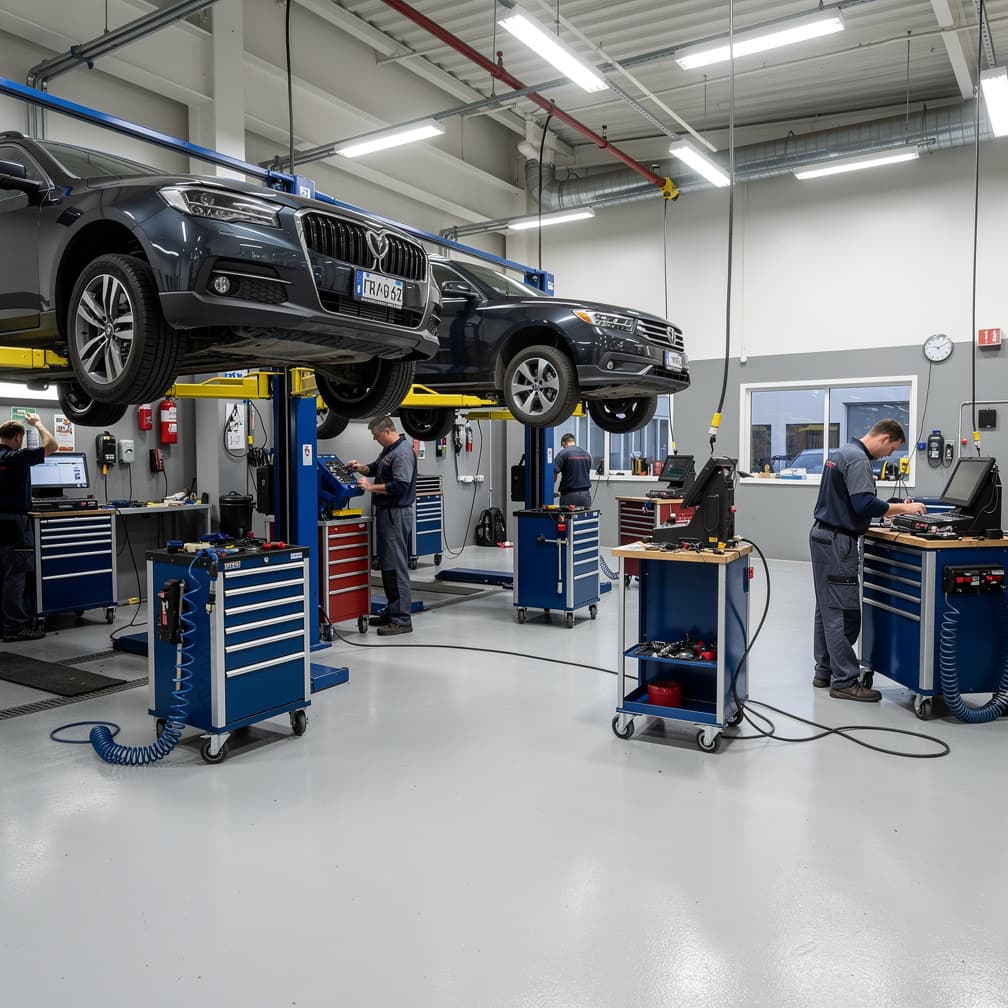
The decision often lands here at a practical moment: you sign a lease near downtown, add fenced parking behind the shop, or get ready for a seasonal rush that leaves more customer vehicles on site overnight. That is usually when garage keepers insurance in Cheyenne moves from a line item to an underwriting issue. A local quote tends to turn on how your lot actually functions day to day, especially if customers drop off before work, pick up after hours, or leave vehicles waiting on parts for several days. Many customers depend on one primary vehicle to get to work and manage family schedules, so a damage claim can become a service and reputation problem quickly. That makes it worth reviewing where vehicles are parked, whether keys are separated from unit numbers, who can road test, and how you document pre-existing damage at intake. Before you request terms, map your real vehicle flow from curbside arrival to final pickup so the quote matches the way your operation actually handles customer cars.
Garage Keepers Insurance Risk Factors in Cheyenne
Local weather and open-lot operations are the part to review closely here. Wyoming's broader hazard pattern matters most for garage keepers when customer vehicles spend time outside, waiting for diagnosis, parts, or pickup. If your operation uses side-yard parking, alley access, or an unfenced overflow area, ask your agent to review how those vehicles are stored after hours, who checks the lot at closing, and whether your intake photos show condition from multiple angles. The practical issue is not just physical damage. It is whether your procedures make a claim easier to sort out when a customer says the vehicle was fine at drop-off. If you move cars between bays, sublet specialty work, or leave completed vehicles outside until the owner can pick up, document each handoff and confirm your policy terms fit that **custody pattern**.
Wyoming has a moderate climate risk rating. Top hazards: Severe Storm (High), Wildfire (High), Winter Storm (High), Tornado (Moderate). The state's expected annual loss from natural hazards is $160M, which influences garage keepers insurance premiums and may affect coverage availability in high-risk areas.
What Garage Keepers Insurance Covers
In Wyoming, the useful review is not the broad definition of garage keepers coverage, it is the loss scenarios your operation is most likely to create while a customer's vehicle is on your premises or under your control. Start with where vehicles are kept during each stage of work: intake, waiting for approval, waiting on parts, active repair, quality check, and pickup. A vehicle that sits in different places during the same claim cycle can create different exposure points, especially if some areas are fenced, some are open, and some are used after hours.
You should also review who is allowed to move customer vehicles and for what purpose. Many losses come from ordinary shop movement, backing into another unit, repositioning a vehicle for access, loading for transport, or shifting cars before a storm event. If your operation uses tow equipment, shuttles vehicles between lots, or stores disabled units for several days, ask the agent to walk through those facts line by line so the quote reflects actual custody conditions rather than a generic repair shop profile.
Wyoming weather patterns can also change what you want to review in the form. If customer vehicles are ever stored outdoors, ask how the policy handles weather related damage, what exclusions apply, and whether your chosen basis fits the way you take responsibility for vehicles left with you. If you run a mixed operation, such as service, storage, and limited towing, ask for each activity to be listed clearly in the application so there is less ambiguity if a claim happens.
Coverage Included
Collision Coverage
Covers damage to customers' vehicles from collisions while in your care.

Comprehensive Coverage
Covers theft, vandalism, fire, and weather damage to customers' vehicles.
Specified Perils
Covers only specifically named perils at a lower premium.

Legal Liability
Covers damage you or your employees directly cause to a customer's vehicle.

Direct Primary
Pays regardless of fault, the broadest garage keepers coverage available.
Industries & Insurance Needs in Cheyenne
County business density is one reason this coverage deserves a closer look. Laramie County has 3,545 business establishments, so local repair shops, detailers, and service garages often work in a market where commercial vehicles, employee cars, and customer scheduling pressures all mix together. The county's leading sectors include professional, scientific, and technical services at 17.7%, health care and social assistance at 10.3%, and retail trade at 10%, so you may be handling vehicles owned by people who need fast turnaround and clear documentation to stay on schedule. That does not change the policy form by itself, but it does change the service expectations around a claim. If your shop regularly keeps vehicles overnight or through a parts delay, review whether your limits still make sense for the number and type of units on site during a busy week.
What Makes Cheyenne Different
Vehicle dependency is the main thing that changes the calculus here. In Cheyenne, many households are protecting a meaningful asset when they hand over a car, truck, or SUV for service, and they often need that same vehicle back on time for work and daily routines. For you, that raises the stakes on custody, documentation, and communication more than on marketing language or a fast online indication. A small scratch dispute, a weather-related incident in the lot, or confusion over who moved a vehicle can turn into a larger customer problem if there is no clean intake record and no clear chain of control. That is why the local difference is operational discipline. The better your drop-off process, key control, lot layout, and photo documentation, the easier it is to request terms that fit the way vehicles are actually handled instead of relying on assumptions.
Our Recommendation for Cheyenne
Start with your parking map, not your declarations page. Mark where customer vehicles wait before inspection, where completed units sit after hours, and which spaces are visible from the office or cameras. Then list every person who can move a customer vehicle, including managers, technicians, porters, and family members if this is a smaller operation. If you use after-hours drop boxes or text-to-pay pickup, ask for a policy review that matches those handoffs instead of assuming a standard setup fits. It is also smart to separate road-test rules from simple lot movement, because underwriters often care about both but for different reasons. If your shop sees periodic surges, review your maximum number of customer vehicles on site at one time, not just your average day. Bring that count, your intake checklist, and sample condition photos when you request a free quote so the discussion stays tied to real operations.
Get Garage Keepers Insurance in Cheyenne
Enter your ZIP code to compare garage keepers insurance rates from carriers in Cheyenne, WY.
Business insurance starting at $25/mo
FAQ
Frequently Asked Questions
Cheyenne shops with fenced parking still need to review garage keepers if they take custody of customer vehicles. A fence helps, but the bigger underwriting questions are where vehicles sit overnight, who can move them, and how condition is documented at drop-off.
Cheyenne after-hours drop-off can change the quote because it adds a handoff point with less direct staff oversight. If customers leave keys, park in an exterior lot, or pick up after payment links are sent, ask for those procedures to be reviewed explicitly.
Laramie County has 3,545 business establishments, so many local shops handle vehicles tied to work schedules and commercial use. That makes clear intake photos, key control, and realistic on-site limits worth reviewing before a busy week exposes a gap.
Cheyenne repair shops should prepare a simple vehicle-flow summary: where cars arrive, where they wait, who can move them, and where they stay overnight. Bring photos of the lot and your intake process so the quote reflects actual custody conditions.
Cheyenne households often treat a vehicle as both a meaningful asset and a daily necessity. Good intake photos and written condition notes help resolve disputes faster if damage is alleged after service or storage.
The Wyoming Department of Insurance regulates insurance in the state. You can verify a carrier or license, review complaint data, and compare forms through their office. Complaint data is worth checking because a pattern of slow claim payments or disputed denials tells you more about a carrier than a brochure will.
Wyoming repair shops should review both policies separately because they address different exposures. Garage liability generally can help cover damage you cause to others. Garage keepers may cover damage to a customer's vehicle while it is in your custody. If customers leave vehicles overnight, during parts delays, or for staged pickup, ask for a quote that specifically reflects those custody conditions.
Outdoor parking can affect underwriting because the vehicle custody profile changes when units remain on an open lot overnight or during weather interruptions. Ask how outdoor storage is treated, what exclusions apply, and whether overflow areas are contemplated.
Sources
- 1.U.S. Census Bureau, County Business Patterns, Laramie County(Laramie County has 3,545 business establishments.; The county's leading sectors include professional, scientific, and technical services at 17.7%, health care and social assistance at 10.3%, and retail trade at 10%.)
Updated July 5, 2026





