
Updated July 16, 2026

Homeowners Insurance in Cheyenne
If you are comparing homeowners insurance in Cheyenne, the real question is not just what a policy may cover but how well it fits a city shaped by government offices, military-adjacent households, and a steady mix of service and trade jobs. Cheyenne's median household income of $66,642 and cost of living index of 86 mean a typical household earns about $5,550 a month against below-average living costs. In practical terms, that gives you more room to choose higher limits without straining your monthly budget. A policy that looks fine on paper can still miss the mark if it ignores wind exposure, theft concerns, or the value of detached structures and personal belongings in garages, sheds, and basements. For many households, the right decision comes down to choosing coverage types that match the home's rebuild cost and the way the property is actually used. Because Cheyenne also has a notable flood exposure share, it helps to review how your policy handles water-related gaps before you bind coverage.
Wyoming has a moderate climate risk rating. Top hazards: Severe Storm (High), Wildfire (High), Winter Storm (High), Tornado (Moderate). The state's expected annual loss from natural hazards is $160M, which influences homeowners insurance premiums and may affect coverage availability in high-risk areas.
What Homeowners Insurance Covers
In Wyoming, homeowners insurance is still built around the same core protections, but the local risk profile changes how you should size each part. Dwelling coverage should be aimed at rebuilding costs, not market value. That distinction matters because many policyholders focus on price rather than reconstruction, which can leave the structure underinsured. That gap matters in places where labor and materials can rise after a wildfire, winter storm, or severe wind event. Personal property coverage helps replace belongings inside the home, and it is especially relevant if your household has higher-value furnishings, tools, or seasonal gear stored in garages, basements, or sheds. Liability coverage applies if someone is injured on your property, and additional living expenses coverage can help if a covered loss forces you out while repairs are underway.
Mortgage lenders usually require coverage before they will fund or keep a loan, and the policy still has to meet the lender's collateral expectations. Standard policies generally exclude flood damage, so homes affected by flash flooding or mudslides may need separate flood protection. Because Wyoming has had recent disaster declarations for wildfire, flash flooding, severe winter storms, and earthquake damage, it is smart to review endorsements, other structures coverage, and any exclusions tied to your property's location. Policy terms, endorsements, and claims handling should be reviewed carefully before you bind coverage.
Coverage Included
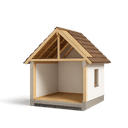
Dwelling
Repairs or rebuilds your home itself, the walls, roof, floors, built-in appliances, and attached structures like a garage, after a covered loss. Set this limit to the full cost of rebuilding, not market value.
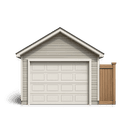
Other Structures
Detached structures on your property, such as a fence, shed, detached garage, or gazebo. Usually set at about 10 percent of your dwelling limit [2].
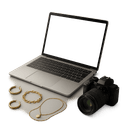
Personal Property
Your belongings, furniture, clothing, electronics, and appliances, generally written at 50 to 70 percent of your dwelling limit [2]. High-value items like jewelry and art carry special limits.
Additional Living Expenses
Also called loss of use. Pays your added living costs, hotel stays, meals, and a temporary rental, while a covered loss makes your home uninhabitable. Usually set at about 20 percent of your dwelling limit.

Liability
Covers you if someone is injured on your property, or you damage someone else's property, and you are found responsible. The standard $100,000 limit [2] is often raised to $300,000 or $500,000.

Medical Payments
Pays small medical bills, commonly $1,000 to $5,000, if a guest is hurt at your home regardless of fault, without a formal liability claim.
Homeowners Insurance Cost in Cheyenne
Average Cost in Wyoming
$90 - $220
per month
In Wyoming, homeowners insurance premiums typically run $90 - $220 per month, which tends to run 14% below the national range of $110 - $250 per month.
- Home replacement cost, age, and construction type
- Roof age, material, and condition
- ZIP code and local weather risk (wind, hail, wildfire, hurricane)
- Coverage limits and endorsements
- All-peril and percentage wind/hail deductibles
- Claims history and insurance score where allowed
Typical range for many standard homeowners profiles; lower-risk homes fall below it and coastal, wildfire, or older-roof homes can run well above. Final pricing depends on property details, location, underwriting, and selected coverage.
Prices shown are general estimates, not guaranteed rates or quotes. Your actual premium will depend on the insurer, coverage selected, personal details, location, claims history, and other underwriting factors. Learn about our pricing methodology.
Homeowners insurance cost in Wyoming is shaped by a mix of statewide pricing conditions and home-specific risk factors. Many homes see premiums from $90 to $220 per month, depending on dwelling size, deductible choices, claims history, location, endorsements, and the condition of the home. Wyoming's premium index is 92, which means the average homeowner here pays about 8% less than the national baseline. Think of the index as a pricing yardstick where 100 equals the national average, so a score of 92 tells you Wyoming is slightly cheaper overall.
Local weather is a major driver. Severe weather, wildfire, and heavy snow risks are all high, so homes in exposed areas may see higher pricing if they need stronger roof protection, more dwelling coverage, or added endorsements. The state's reconstruction cost index is 95, which means rebuilding a home here runs about 5% below the national average. That is another reason to focus on rebuilding costs rather than purchase price. Roof age and material can also matter, and the age and condition of the dwelling is also a high-impact factor. In a state with a broad field of carriers, you may see meaningful quote differences between insurers, especially if one discounts home security features or newer construction more heavily.
If you want a more accurate quote, compare the same coverage limits and deductible across carriers.
What Makes Cheyenne Different
Cheyenne's severe weather and property crime risks sit against a backdrop of moderate household income, which means you are balancing real exposure to storms and theft against what your budget can absorb. Homeowners here are not just buying a policy for the structure. They are deciding how much protection they need for roofs, siding, detached buildings, and belongings that could be affected by storms or burglary. With a flood zone share of 13%, some neighborhoods face more water exposure than others. Roughly one in eight homes sits in a higher-risk zone, so checking whether your policy excludes groundwater could help you avoid a surprise bill for foundation repairs. Cheyenne's burglary rate is also trending upward, which means the difference between actual cash value and replacement cost on your belongings could determine whether you can afford to replace what is taken. The real challenge is matching the policy to the home's location and contents rather than just looking at the premium.
Our Recommendation for Cheyenne
When you start shopping, size your dwelling coverage to the home's rebuild cost and then check whether detached garages, fences, or storage sheds need more attention under other structures coverage. If your home is in or near a flood-prone area, it is worth checking whether standard homeowners insurance will respond to every water-related loss. It may help to review your personal property coverage if you keep tools, electronics, or seasonal items in a basement, garage, or shed, because theft and storm damage can affect those areas differently. You may also want to compare deductibles against your emergency savings so a weather claim does not create a cash-flow problem. Households near busier parts of the city may want to consider liability coverage and how the insurer handles guest injuries on the property. Finally, ask for a homeowners insurance quote that reflects the home's age, roof condition, and any security or safety features already in place.
Get Homeowners Insurance in Cheyenne
Enter your ZIP code to compare homeowners insurance rates from carriers in Cheyenne, WY.
Home insurance starting at $50/mo
FAQ
Frequently Asked Questions
A good starting point is dwelling coverage, followed by personal property, liability, and additional living expenses coverage. In Cheyenne, severe weather, property crime, and flooding are the main local issues that can change how those limits should be set.
Yes. Cheyenne has a 13% flood zone share, so some homes face more water exposure than others. Standard homeowners coverage may not respond to every flood-related loss, so it is important to review that gap before buying.
Cheyenne's property crime rate is 1,702.2 incidents per 100,000 residents, and burglary is trending upward. At that level, a theft claim is a realistic possibility. That means replacement cost coverage on your belongings could be the difference between replacing what is taken and settling for less.
The city's moderate income and below-average cost of living mean many households can reasonably balance monthly affordability with enough protection for repairs, temporary housing, and belongings.
It may help to mention your roof condition, detached garage, fence, basement, shed, and any security or safety features. Those details can influence how the policy is priced and what limits may suit your situation.
A standard policy here can help cover your dwelling, personal property, liability exposure, additional living expenses, other structures, and medical payments. That matters because wildfire, severe storm, and winter storm losses are part of the state's recent disaster history.
Monthly homeowners insurance costs in Wyoming vary widely based on dwelling condition, roof age, coverage limits, deductible choices, claims history, and location. To see real differences, compare quotes using the same limits and deductible.
Wyoming does not legally require homeowners insurance, but mortgage lenders usually require it before they will close or keep a loan. Lenders generally want enough dwelling coverage to protect the home as collateral, so the policy should be set up before closing.
Updated July 16, 2026