







































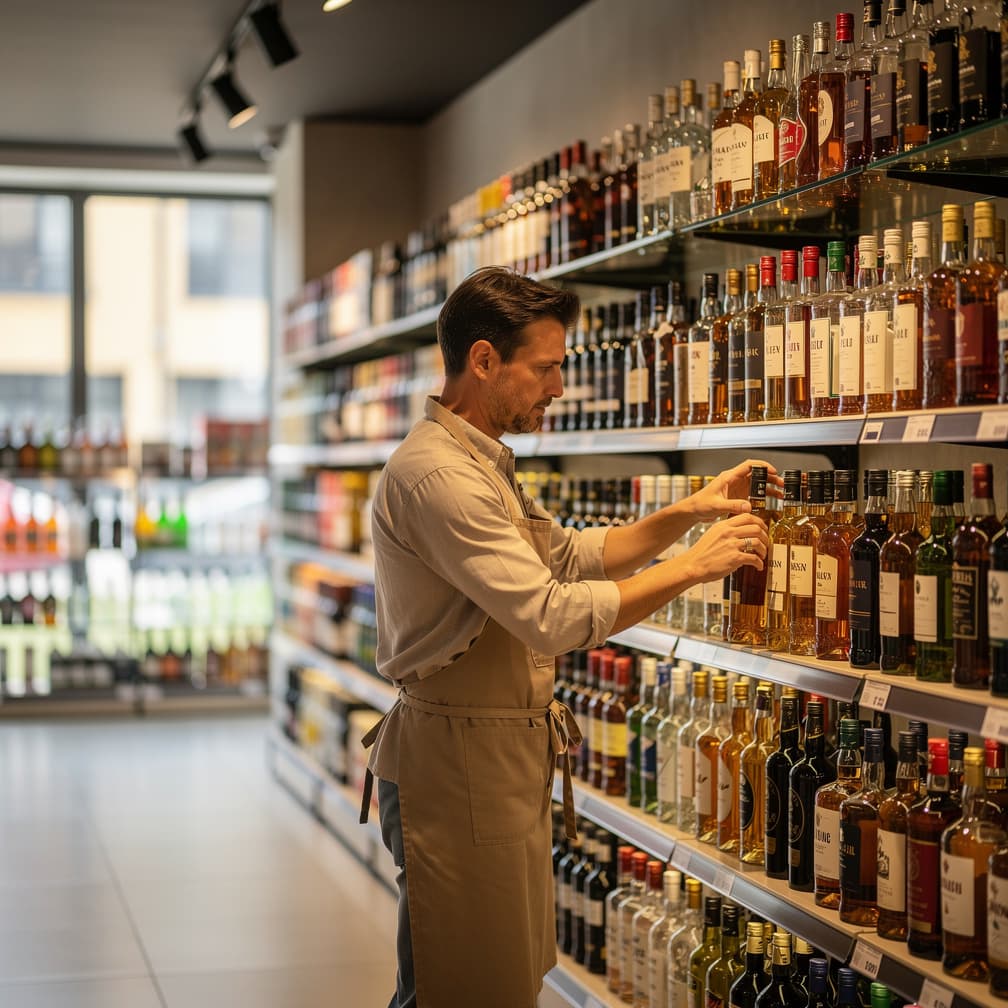

Commercial Property for a store typically runs from $65 a month at the low end, and what sits in your coolers is the reason it climbs from there. Liquor store insurance in Laramie prices the shelves, the refrigeration, the register gear, and the alcohol itself, which is what makes a small footprint expensive. Underwriters writing this class in Wyoming ask what the stock is worth on an average night, and the honest answer often surprises the owner giving it. Alarms, camera coverage, and how the safe gets handled all pull on the number. So does history: two break-ins in three years reads differently than none. Take a real inventory value into the comparison, because a low quote built on a low number is a shortfall waiting for a claim.
What Makes Laramie Different
A permit office can ask for evidence of coverage before the doors of a Laramie store ever open to the public. Where the market is small, the same clerk may handle your license, your renewal, and the complaint filed against you. That makes accurate paperwork worth more than it looks, because it is the only version of you on file. Requirements differ from one state to the next, and the Wyoming Department of Insurance publishes consumer guidance on alcohol retail licensing. What rarely varies is the demand for proof at the start rather than once a problem exists. Getting a certificate is quick; getting the right limits behind it takes a conversation about what you own. A store that leases its space answers to a landlord as well, and the two demands rarely match. Buy to the higher of them and the lower one takes care of itself.
Local Risk Factors in Laramie
Photograph the store before the season, aisle by aisle, and keep the file somewhere that is not in the building. After a severe storm the argument is rarely about whether damage happened; it is about what was on the shelves and what it was worth. Inventory records, delivery invoices, and camera footage do that work better than memory does. A property policy may respond to the wind and the water it drove in, and it typically will not stretch to stock you cannot evidence. An owner in Albany County also wants the deductible in writing, since wind is sometimes rated apart from everything else. Confirm both points with a carrier in Wyoming while the sky is clear.
What Coverage Does a Liquor Store in Laramie Need?
General Liability
A shopper goes down on a wet tile by the entrance, and the store rather than the shopper answers for it. General Liability is built around customer injury and damage you do to someone else's property, and it usually funds the defense as well. Claims tied to alcohol you sold are typically excluded and belong to Liquor Liability instead.
Example: A case slips off a hand truck and lands on a customer's foot during a busy evening; general liability could respond to the medical bills and the demand letter that follows.
Commercial Property
Landlords ask about this one and lenders insist on it. Commercial Property is aimed at the building where you hold an interest in it, plus the shelving, coolers, registers, and the alcohol inventory inside. Fire, storm damage, and vandalism are common causes of loss, while flood and wear and tear generally sit outside the form.
Example: A fire in a neighboring unit smokes out your stockroom overnight and the coolers quit; commercial property could help with the repairs and the inventory that has to be written off.
Liquor Liability
General Liability will not touch a claim tied to the alcohol you sold, and that gap is the space this line fills. Liquor Liability is meant for dram shop exposure: a sale to a minor, a sale to someone already impaired, and the suit that shows up long afterward. Intentional acts and unlicensed sales usually stay outside it.
Example: A sale made near closing becomes a lawsuit months later, assembled from a receipt and camera footage; liquor liability might carry the defense costs and whatever settlement lands.
Commercial Crime
Money is the exposure here, together with the stock that leaves in a staff bag. Commercial Crime is intended for employee theft, forgery, robbery, and losses tied to cash handling, subject to what you can document. Unexplained shrink generally falls outside the form, which is why counts and camera retention earn their keep.
Example: A clerk with the safe code skims deposits for six months before the numbers stop matching; commercial crime is designed to answer for documented employee dishonesty like that.
Workers Compensation
Where General Liability deals with the customer, this line deals with the person on your payroll. Workers Compensation is meant for medical bills and lost wages after a work injury: a back strained lifting cases, a cut from broken glass, a fall in the stockroom. Requirements vary by state, and it is rated per hundred dollars of payroll.
Example: A clerk breaks a bottle while restocking a cooler in Laramie and needs stitches; workers compensation can generally take on the treatment and the shifts missed afterward.
How Much Does Liquor Store Insurance Cost in Laramie?
Liquor Store Insurance is a bundle of separate policies, priced separately. The ranges below are typical figures for Laramie for each line, except workers compensation, which is set by the state fund; a quote prices each one against your own operations.
| Coverage | Typical range | What moves your price |
|---|---|---|
| General Liability Insurance | $55 - $180 per month | Industry and risk classification, annual revenue, number of employees |
| Commercial Property Insurance | $130 - $450 per month | Building value and construction type, roof age and condition, fire protection class |
| Liquor Liability Insurance | $70 - $270 per month | Share of sales that comes from alcohol, type of venue and how late you serve, server training and service procedures |
| Commercial Crime Insurance | $20 - $70 per month | Employees who handle money or inventory, internal controls and separation of duties, funds and securities on hand |
| Workers Compensation Insurance | Set by the state fund | Employee classification codes, total annual payroll, experience modification rate |
Prices shown are general estimates, not guaranteed rates or quotes. Your actual premium will depend on the insurer, coverage selected, business details, location, claims history, and other underwriting factors. Learn about our pricing methodology.
What Are the Insurance Requirements for a Liquor Store in Laramie?
Workers' comp is generally required once you have your first employee, through the state fund. Wyoming runs workers' compensation through a state fund: employers buy coverage from the Wyoming Department of Workforce Services, not from private carriers. Common exemptions include sole proprietors and partners. Confirm current requirements directly with the fund before you hire.
Where to verify licensing and coverage rules. The Wyoming Department of Insurance publishes consumer guidance and current insurance requirements for Wyoming businesses. When a contract or lease demands specific wording, the Wyoming Department of Insurance's guidance is the authoritative place to check.
Get Your Liquor Store Quote in Laramie
Compare rates from multiple carriers. Free quotes, no obligation.
Operating in Laramie
- Storm weeks cost a Laramie store its busiest hours and none of its fixed bills, so lost income wording matters more than the damage estimate does.
- A clerk closing alone handles the cash, the door, and the last sale of the night, which is three exposures resting in one pair of hands.
- Loss runs from your last three years are the part of a submission a carrier trusts completely, so pull them before anyone in Wyoming asks.
- A landlord can hold the keys to a Laramie storefront until your certificate arrives carrying the exact wording the lease named, so the policy has to exist before the shelves do.
How to Buy: Advice for Laramie Owners
The claim that ends stores is the one that starts at your register and finishes in a courtroom. A sale to the wrong person can come back months later with a police report and a still frame attached. Liquor Liability is the line written for that exposure, and it gets priced separately from everything else for a reason. General Liability rarely reaches a dram shop claim on its own, which is the whole point of the separate line. Ask what the wording says about training records, since carriers can weigh them in your favor, then ask what it excludes. Rules on server training vary by state, and the Wyoming Department of Insurance publishes the current requirements for licensed retailers. With those answers in hand, quotes from participating carriers in Laramie start to mean something.
FAQ
Liquor Store Insurance in Laramie: FAQ
A lease can treat missing proof as a default, whatever your actual coverage looks like underneath. That is a paperwork problem with real consequences, and it lands on stores that renew late. A landlord in Laramie can also require notice before the policy lapses. Contracts vary across Wyoming, so a calendar reminder and a copy on file are the cheap defense.
Tell the carrier the truth about the range and ask how the form treats fluctuation. Some wordings offer a peak season provision; others rate on a flat declared value and settle claims against it. Declaring an average and then losing a full stockroom is the mismatch owners find out about afterward. Review the number every year rather than inheriting last year's.
Before, in practice. A landlord can make a certificate a condition of handing over the keys to a Laramie storefront, and a license file can sit incomplete without proof attached to it. Buying early also buys you time to read what you bought, which is never a luxury you have on opening day.
Selling sealed stock does not put you outside dram shop exposure, because a claim usually turns on who bought the alcohol rather than where they opened it. Liquor Liability is the line written for that exposure. General Liability typically excludes alcohol-related claims entirely, which is why the two get quoted as separate decisions rather than one.
Expect questions about revenue, payroll, hours of operation, the value of stock on an average night, and your losses over the last three years. Carriers also ask about alarms, cameras, and how cash gets handled at closing in a Laramie store. Thin answers get you a thin quote and an unpleasant audit later. Gather the numbers first.
Theft of inventory is usually a property question, and a Commercial Property form often responds to stock taken during a forced entry, subject to your deductible and the value you declared. Declaring a low stock figure to save money is what turns a covered loss into a partial one. Theft by your own staff is a separate exposure that typically sits under Commercial Crime.
Sources
- 1.Wyoming Department of Insurance(Wyoming Department of Insurance publishes consumer guidance for insurance buyers.)


