







































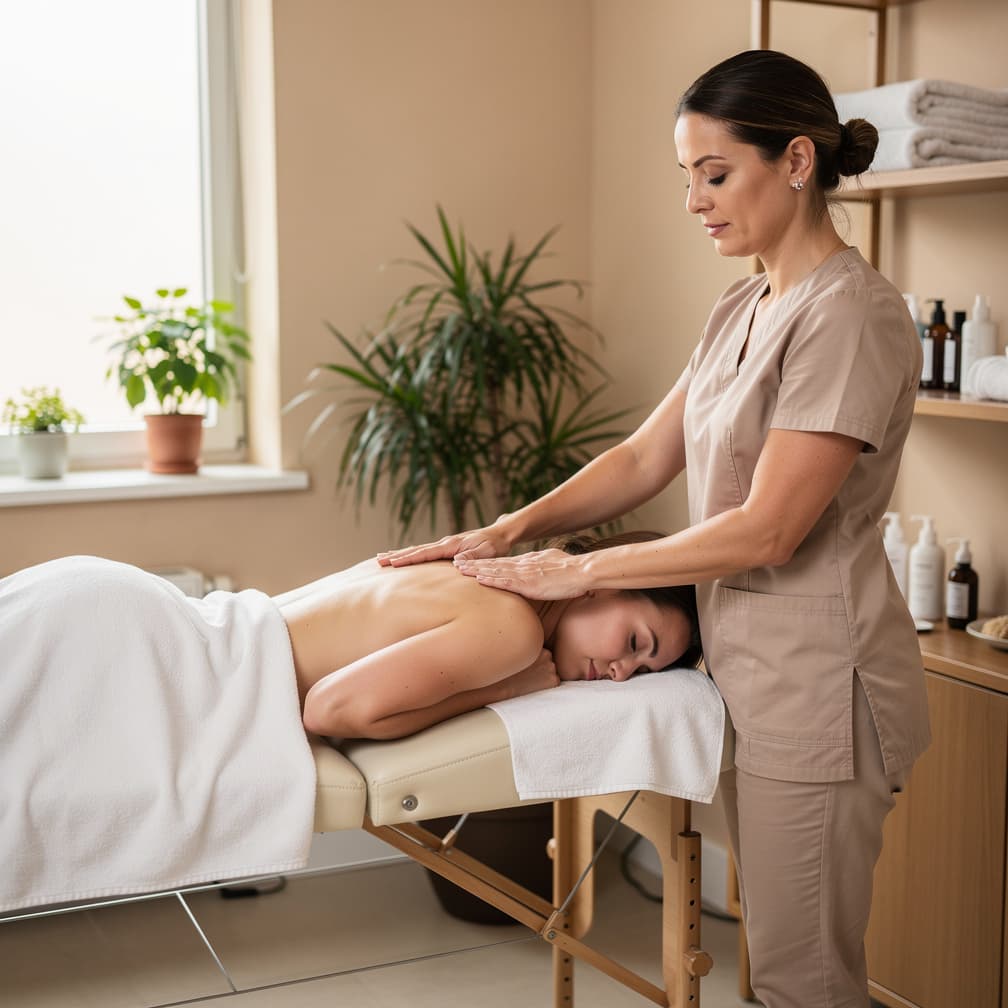

As a massage business in Laramie, three pieces of paper decide most of your exposure: the intake form, the certificate of insurance, and the lease. The first records what a client told you before you touched them. The second gets you into the building. The third quietly dictates the limits on the second. Massage business insurance in Laramie is the machinery behind all three, and the buying mistake is treating it as a compliance errand instead of a decision. Compare what happens after a claim, not only what the monthly number says. Participating carriers price the same studio differently because they read complaint histories differently, and that difference is the only free information anyone hands you.
What Makes Laramie Different
A thin market means your clients are also your neighbours, and a complaint does not stay private for long. It also means few therapists can cover your table when you are sick, so a closure tends to be total. Insurance cannot fill an appointment book, though it can carry the cost of an argument you lose. The other thin thing is the vendor pool: fewer contractors to dry a treatment suite and rebuild it. That stretches the closed weeks, and closed weeks are what actually empty a small studio's account. When you compare quotes for Laramie, ask how long the income side keeps paying, not merely whether it exists. The number of days is a term you can negotiate, and owners almost never look at it. Wyoming forms differ on that clause more than they differ on the headline price.
Local Risk Factors in Laramie
Power goes out and the room goes cold, which ends the service even when nothing broke. Warmth, quiet, and low light are the product in a massage studio, so an outage is a closure rather than an inconvenience. Loss of power without physical damage at your own address commonly falls outside a property form, and owners rediscover that every storm season. Ask what your form requires before the interruption clause does anything at all. A studio in Laramie that loses a day to a dark building sits in a very different position from one that lost a ceiling, and Wyoming wording draws that line plainly enough once you read it.
What Coverage Does a Massage Business in Laramie Need?
Professional Liability
A client who says the session left them in more pain than they arrived with is making a claim about your judgement rather than your floor. Professional Liability is the line generally aimed at that: the alleged injury, the skin reaction, the pressure that went further than it should have. It typically does nothing about a slip in the hallway.
Example: Two days after a deep tissue session a client sees a doctor about a strained shoulder and sends a demand letter naming your studio; Professional Liability may respond to the claim and to the defense that follows it.
General Liability
Wet floors, tight hallways, and clients moving slowly after a treatment produce the ordinary injuries that have nothing to do with your hands. General Liability is what landlords and hosts want proof of, and it can help cover a client's fall on your premises or a coat ruined in your room. Complaints about the treatment itself sit elsewhere.
Example: A client stands up too quickly, catches a table leg, and breaks a wrist on a Laramie reception floor; general liability limits are typically what the resulting claim gets argued against.
Commercial Property
Tables, warmers, linens, oil stock, cabinetry, and the leasehold work you paid for are the studio, and all of it sits inside a few small rooms. Commercial Property is generally built around fire, storm, theft, and vandalism damage to those things, subject to your deductible. Rising water is usually excluded and priced as a separate decision.
Example: A fire in the unit next door leaves four massage tables and every set of linens smoke-damaged; a commercial property claim could cover replacing the contents once their values are documented.
Business Owners Policy
Buying the property side and the premises liability side apart usually costs more than buying them together, which is why a Business Owners Policy is the common starting structure for a studio with its own suite. It often adds interruption terms for the weeks a covered loss keeps rooms closed. The treatment complaint is usually not inside it.
Example: A storm opens the roof above a Laramie studio and the rooms sit closed for three weeks; a business owners policy might answer for the damaged contents and for part of the income lost while everything dries.
How Much Does Massage Business Insurance Cost in Laramie?
Massage Business Insurance is a bundle of separate policies, priced separately. The ranges below are typical figures for Laramie for each line; a quote prices each one against your own operations.
| Coverage | Typical range | What moves your price |
|---|---|---|
| Professional Liability Insurance | $30 - $100 per month | The services you actually perform, annual revenue or billed fees, limit and retention selected |
| General Liability Insurance | $30 - $95 per month | Industry and risk classification, annual revenue, number of employees |
| Commercial Property Insurance | $30 - $120 per month | Building value and construction type, roof age and condition, fire protection class |
| Business Owners Policy Insurance | $50 - $150 per month | Annual revenue and industry class, building and contents values, square footage and building age |
Prices shown are general estimates, not guaranteed rates or quotes. Your actual premium will depend on the insurer, coverage selected, business details, location, claims history, and other underwriting factors. Learn about our pricing methodology.
What Are the Insurance Requirements for a Massage Business in Laramie?
Workers' comp is generally required once you have your first employee, through the state fund. Wyoming runs workers' compensation through a state fund: employers buy coverage from the Wyoming Department of Workforce Services, not from private carriers. Common exemptions include sole proprietors and partners. Confirm current requirements directly with the fund before you hire.
Where to verify licensing and coverage rules. The Wyoming Department of Insurance publishes consumer guidance and current insurance requirements for Wyoming businesses. When a contract or lease demands specific wording, the Wyoming Department of Insurance's guidance is the authoritative place to check.
Get Your Massage Business Quote in Laramie
Compare rates from multiple carriers. Free quotes, no obligation.
Operating in Laramie
- A wellness center in Laramie can bar you from its treatment rooms over one missing endorsement, and the shift gets filled by whoever had their paperwork ready.
- Hot stone warmers, hydrocollators, and wax pots all run hot inside a small room, and a burn complaint arrives the way an oil rash does: quietly, three days later.
- Linens cost the least of anything in the suite and get ruined by water first, and a claim gets trimmed to whatever you can prove you owned when an adjuster in Wyoming asks.
- Your tables live where a flood starts, because everything in a treatment room sits at floor level and almost nothing in it is stored on a shelf.
How to Buy: Advice for Laramie Owners
Timing decides more than shopping does. Coverage has to exist before the lease starts, before the first client books, and before a host lets you into their building, which puts the shopping weeks earlier than owners plan for. Renewal is the other window, and it is the only easy moment to change limits, deductibles, or carriers without paying for the privilege. Put a reminder well ahead of that date. Ask what happens to a claim reported after a policy lapses, because with Professional Liability written on a claims-made basis the answer can be nothing at all. General Liability behaves differently on exactly that point. Check the Wyoming Department of Insurance's guidance before deciding, then get quotes from participating carriers in Wyoming while there is still time to read them.
FAQ
Massage Business Insurance in Laramie: FAQ
Flood generally sits outside a standard commercial property form and gets priced as its own decision, which surprises owners whose tables and linens live at ground level. Rising water from a storm or an overwhelmed drain is treated differently from a pipe letting go inside a wall, and the second is the one a property form is far more likely to answer. Read what your own form says about water.
Renting a room does not put you under the host's policy, and hosts generally want the opposite: your own coverage, with them named on it. A complaint about a session follows the hands that gave it, wherever the table happened to stand. Get the requirements in writing before your first shift, since a wellness center in Laramie can bar the door over one missing endorsement.
They can, and it is a small claim that behaves like a large one. A customer's property damaged while they are on your premises is a premises exposure, and General Liability is generally the line pointed at it. Whether reporting it is worth doing depends on your deductible, since a cracked phone can cost less than the deductible it would run through. Report anything a client says they intend to pursue.
Underwriters read a claim's resolution as closely as its allegation, so a complaint that was documented and handled cleanly reads very differently from one with no paper behind it. Nothing has to have been paid out for a complaint to show up on a submission. Keep intake forms and session notes, because they are what make a resolved complaint look resolved to somebody reading the file years later.
Not automatically, and this is where studios get caught. Whoever performed the session tends to be named in a complaint alongside the business, and a form may or may not reach an independent contractor working under your name. Ask the question in writing, list the contractors on the application, and ask each of them what they hold. Participating carriers in Wyoming treat that exposure differently, so the answer moves the price.
The occurrence figure is what a single client's claim can reach. The aggregate is what an entire policy year can spend across every claim combined. A studio with a full schedule works through an aggregate faster, and once it is exhausted the next complaint meets nothing. Contracts often specify both numbers for exactly that reason. Ask whether defense costs come out of those limits, since that changes what the numbers are worth.
Sources
- 1.Wyoming Department of Insurance(Wyoming Department of Insurance publishes consumer guidance for insurance buyers.)


