








































Updated July 16, 2026

Business Owners Policy Insurance in Laramie
Do you need a business owners policy in Laramie, or is a simpler setup enough? For many small firms here, a BOP is worth reviewing because landlords, clients, and lenders often want one policy that matches your premises, equipment, and day to day liability in a clean package. The local angle is scale and mix. Albany County has 1,094 business establishments, so word travels fast when a claim or certificate request exposes a gap in your coverage. That makes gaps in property limits, business income assumptions, or additional insured requests harder to hide once a claim or certificate request puts the policy under a microscope. Health care and social assistance accounts for 13.1% of establishments, professional and technical services 12.3%, and construction 11.9%. Those three sectors handle property, liability, and income risk very differently, so the right review starts with how your operation actually earns revenue, stores property, and interacts with customers or job sites. Before you request quotes, line up your lease, equipment list, and any client insurance requirements so the policy structure matches how you work.
Business Owners Policy Insurance Risk Factors in Laramie
Laramie's top risk factors include Severe weather, Property crime, Flooding, and Vehicle accidents. 11% of Laramie is in a flood zone, commercial property policies should include flood endorsements or separate flood insurance.
Wyoming has a moderate climate risk rating. Top hazards: Severe Storm (High), Wildfire (High), Winter Storm (High), Tornado (Moderate). The state's expected annual loss from natural hazards is $160M, which influences business owners policy insurance premiums and may affect coverage availability in high-risk areas.
What Business Owners Policy Insurance Covers
A BOP in Wyoming typically combines commercial property and general liability into one small business insurance bundle, and it often adds business income coverage if a covered loss interrupts operations. For a Wyoming business, that means the package may help protect a building you lease or own, tenant improvements, equipment, and inventory if a covered property event occurs. It also addresses third-party liability claims tied to your premises or business operations, which is important for customer-facing locations in cities such as Cheyenne, Casper, and Sheridan where foot traffic and weather-related slip hazards can affect daily operations. If a covered event forces a temporary shutdown, this coverage can help pay ongoing expenses and replace the income you lose while repairs are underway, which is especially relevant during winter storms or wildfire-related disruptions.
Some policies can be customized with equipment breakdown coverage, and many carriers also offer endorsements for hired and non-owned auto coverage when your business has occasional vehicle-related exposure. Because coverage terms, exclusions, and endorsements vary by carrier, industry, property value, and business size, the policy should be reviewed line by line before binding.
Coverage Included
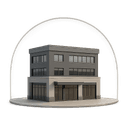
Commercial Property
Can help repair or replace your building, equipment, inventory, and furnishings after covered events like fire, wind, or theft.

General Liability
Can help cover customer injuries, damage to property owned by others, and related legal costs your business becomes responsible for.
Business Income
May replace lost income and help pay rent, payroll, and other continuing expenses while covered damage forces a temporary shutdown.

Equipment Breakdown
Typically covers repair or replacement when equipment like air conditioning, refrigeration, or computers fails from a sudden mechanical or electrical breakdown.
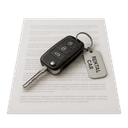
Hired & Non-Owned Auto
May respond when vehicles your business rents or employees' personal cars are used for work and cause an accident.
Business Owners Policy Insurance Cost in Laramie
Average Cost in Wyoming
$45 - $140
per month
Businesses in Wyoming typically see business owners policy insurance premiums of $45 - $140 per month, which tends to run 12% below the national range of $50 - $160 per month.
- Annual revenue and industry class
- Building and contents values
- Square footage and building age
- Catastrophe exposure at your address
- Liability limits and property deductibles
- Claims history
Contact CPK Insurance for a personalized quote.
Prices shown are general estimates, not guaranteed rates or quotes. Your actual premium will depend on the insurer, coverage selected, business details, location, claims history, and other underwriting factors. Learn about our pricing methodology.
The Wyoming price picture for this coverage is below the national average, but the actual cost still varies by coverage limits, deductibles, claims history, location, industry risk, and endorsements. Pricing can vary materially between carriers, and differences in limits and optional coverages can move the final quote. Wyoming's premium index is 92, meaning a policy that might cost $100 nationally could run closer to $92 here. That lower baseline can free up budget for higher limits or endorsements that matter for your operation, though the advantage is not uniform across every business type. A shop in Cheyenne or Casper with modest inventory and limited foot traffic may see a different quote than a business in a higher-risk profile industry or a location with greater storm exposure.
Severe weather risk is rated high across the state, and those hazards can influence property-related pricing because they affect repair likelihood and downtime. The state's small-business share means many policies are written for smaller footprints, but property value, revenue, and endorsements still matter. Statewide averages do not capture your building type, inventory level, or business interruption exposure, so a personalized quote is the only way to get an accurate number.
What Makes Laramie Different
What changes the calculus is whether your daily routine puts people, property, or tools in harm's way. In a market tied to Albany County's blend of health care and social assistance, professional services, and construction, a policy review should start with the operational details that separate office based risk from customer foot traffic, tools in transit, or work performed away from your main location. A counseling office, design firm, and small contractor may look similar by revenue, but each one creates a distinct property schedule, liability pattern, and business income exposure. That is why a local buyer should push past a generic small business application and ask how the carrier treats leased improvements, off premises business personal property, and any endorsement needs tied to contracts. If your business depends on a small staff and a single location, even a short interruption can matter more than the headline premium. Match coverage to what you actually do on a Tuesday afternoon, then compare forms before you renew.
Our Recommendation for Laramie
Pull your lease, equipment list, and any client insurance requirements before you request quotes. If you lease space, pull the insurance section of the lease and check for required limits, waiver language, or additional insured wording before you compare options. If you serve clients off site or move tools, laptops, or specialized equipment between locations, ask whether the quote assumes property stays at the insured premises or whether off premises exposure needs to be reviewed. Laramie buyers should also look closely at business income assumptions instead of treating them as a default setting. The local median household income is $52,414, and at that level a brief economic dip can push customers to cut discretionary spending fast. If your revenue dips even briefly during a closure, the difference between a two week and a three month business income limit could determine whether you make payroll. You should estimate how long it would take to reopen, replace key property, and rebuild normal revenue, then request quotes that test those assumptions side by side.
Get Business Owners Policy Insurance in Laramie
Enter your ZIP code to compare business owners policy insurance rates from carriers in Laramie, WY.
Business insurance starting at $25/mo
FAQ
Frequently Asked Questions
Match the policy to your actual operation rather than the label on the application. Some firms fit a straightforward BOP, while others need endorsements or separate policies for their actual exposures. A storefront with foot traffic carries different liability than a back office where clients rarely visit.
Read the lease clauses that assign insurance responsibility to tenants, especially required limits, additional insured wording, and who covers improvements and betterments. Landlords in a tight commercial market often pass specific insurance obligations to tenants, and signing a lease without reading those clauses can leave you scrambling to endorse a policy mid term.
Service firms often rely on one location, a small staff, and steady local demand. If a fire or water damage shuts your doors, your bills keep arriving even while revenue stops. That gap is where business income limits either carry you through reopening or force hard decisions about layoffs and loans.
A BOP may be part of the solution, but you should ask how tools, equipment away from the premises, and contract requirements are handled. Some forms cap off premises property at a low sublimit, and a single stolen toolbox on a job site can exceed that amount before your deductible even applies.
Quote differences often come from property definitions, business income assumptions, and endorsement choices, not just limits. Two policies at the same premium can pay out very differently after a loss, so read the form definitions before you choose.
In Wyoming, a BOP usually combines commercial property, general liability, and business income coverage, and many carriers let you add equipment breakdown coverage or other endorsements depending on the business.
Your cost depends on limits, deductibles, claims history, location, industry, and endorsements. Wyoming's premium index of 92 suggests pricing generally runs below the national average, but your specific quote will reflect your individual risk profile and coverage choices.
There is no statewide BOP mandate, but Wyoming businesses should compare quotes from multiple carriers, and coverage requirements may vary by industry and business size. A policy that works for a small retail shop may not fit a larger or more complex operation.
Sources
- 1.U.S. Census Bureau, County Business Patterns, Albany County(Albany County has 1,094 business establishments, so many owners operate in a market where referrals, lease terms, and contract requirements travel quickly across a relatively tight business community.; The county mix matters too: health care and social assistance accounts for 13.1% of establishments, professional, scientific, and technical services 12.3%, and construction 11.9%, so the right review starts with how your operation actually earns revenue, stores property, and interacts with customers or job sites.)
- 2.U.S. Census Bureau, ACS 5-Year Estimates, table B19013(The local median household income is $52,414, so many small firms serve price conscious households and may feel a shutdown quickly if sales pause even for a short period.)
Updated July 16, 2026





