







































Updated July 16, 2026

Commercial Truck Insurance in Laramie
Construction drives much of the trucking demand in this part of Wyoming. Albany County has roughly 1,094 business establishments, and you are likely sharing the road with a steady flow of vendor and subcontractor traffic that exchanges certificates of insurance before any work begins. Your policy setup needs to move at the speed of your contracts, with clean vehicle schedules, correct listed insureds, and fast certificate turnaround. Construction accounts for 11.9% of those establishments, meaning a meaningful share of local trucking is dedicated to hauling tools, materials, debris, and equipment between yards, suppliers, and active job sites. Short, repetitive contractor runs call for a different underwriting approach than regional freight. You may need closer attention to hired and non-owned auto, trailer interchange, or physical damage if your operation mixes owned trucks with rented equipment or employee pickups. When you request a quote, bring your garaging address, driver list, radius of operation, unit values, and any contract insurance requirements so the policy reflects how your trucks actually move each week.
Commercial Truck Insurance Risk Factors in Laramie
Laramie's top risk factors include Severe weather, Property crime, Flooding, and Vehicle accidents.
Wyoming has a moderate climate risk rating. Top hazards: Severe Storm (High), Wildfire (High), Winter Storm (High), Tornado (Moderate). The state's expected annual loss from natural hazards is $160M, which influences commercial truck insurance premiums and may affect coverage availability in high-risk areas.
What Commercial Truck Insurance Covers
Your policy is usually built around the way your trucks actually operate, not a one-size-fits-all package. Motor carrier liability is the core for many for-hire trucking operations, while physical damage can help cover owned tractors and trailers for covered loss or damage. Cargo coverage is often added when you haul freight that customers or brokers expect you to protect in transit. Trailer interchange matters if you use non-owned trailers under a contract, and bobtail coverage or non-trucking liability may be relevant when a tractor is being operated outside dispatch.
Wyoming's commercial auto minimums are $25,000/$50,000/$20,000. That minimum is not the same thing as a full trucking risk program, so many operators review higher limits based on contracts, freight exposure, and route patterns. The state's climate profile also matters: severe storm, wildfire, and winter storm hazards are all rated high, which can affect whether you want stronger physical damage terms, towing-related options, or higher deductibles. Coverage terms still vary by carrier, endorsements, and the type of freight you haul, so your policy should be checked line by line before binding.
Coverage Included

Motor Carrier Liability
Can help cover injuries and property damage your truck causes to others, a coverage federal regulators require most for-hire carriers to maintain.
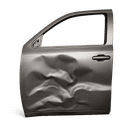
Physical Damage
Can help pay to repair or replace your own truck after an accident, fire, theft, or vandalism.
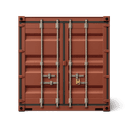
Cargo Coverage
May pay for damage to or theft of the freight you are hauling while it is in your care.
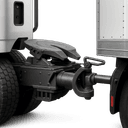
Trailer Interchange
Can help cover damage to trailers you haul under an interchange agreement but do not own.
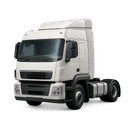
Bobtail Coverage
May provide liability protection when you drive your tractor without a trailer attached, such as after dropping off a load.

Non-Trucking Liability
Can help cover accidents that happen when you use your truck for personal errands rather than dispatched work.
Commercial Truck Insurance Cost in Laramie
Average Cost in Wyoming
$380 - $1,025
per month
Businesses in Wyoming typically see commercial truck insurance premiums of $380 - $1,025 per month, which tends to run 8% below the national range of $400 - $1,125 per month.
- Radius of operation
- Commodities hauled and cargo value
- Number and value of power units
- Driver motor vehicle records and CDL experience
- DOT safety record, inspections, and FMCSA scores
- Liability limits and physical damage deductibles
Contact CPK Insurance for a personalized quote.
Prices shown are general estimates, not guaranteed rates or quotes. Your actual premium will depend on the insurer, coverage selected, business details, location, claims history, and other underwriting factors. Learn about our pricing methodology.
Cost depends on the operation being quoted, and pricing can vary based on your limits, deductibles, claims history, location, endorsements, and the risk profile of the freight you haul. Severe winter weather, wildfire exposure, and long rural haul patterns can increase the insurer's view of physical damage and cargo risk. The state's fatal crash rate runs roughly 1.5 times the national average, which can translate to higher liability premiums or stricter eligibility checks for long-haul and regional trucking. On the other hand, Wyoming has a competitive insurance market, which gives you room to compare offers and coverage structures.
A tractor running interstate freight, a local box truck, and a dump truck tied to construction or mining work may all price differently. When you are ready to compare options, have your routes, cargo type, and garaging location prepared for the discussion.
What Makes Laramie Different
The local business mix tells you what kind of trucking exposure sits on the road here. Albany County's leading sectors include health care and social assistance at 13.1%, professional, scientific, and technical services at 12.3%, and construction at 11.9%. Roughly one in nine local businesses is a contractor, which points to a real base of operators who depend on pickups, flatbeds, dump units, and trailers to keep jobs moving. The real question is whether your vehicles support contracting work with tools on board, attached equipment, employee drivers, and frequent stops at customer premises, not just how many miles you run. Take time to review your liability limits, physical damage deductibles, and whether inland marine or contractor equipment coverage needs to coordinate with your auto policy. If your trucks support bids, subcontract work, or municipal and commercial projects, ask about certificate handling procedures and additional insured workflows before you bind.
Our Recommendation for Laramie
Start by mapping how your trucks are used on a normal week. If you mainly support construction or field service work, separate job-site hauling from supplier pickups and any longer regional trips, because those patterns can affect vehicle classification and underwriting questions. Keep your unit schedule tight, including VINs, stated values, permanently attached equipment, and whether any trailer is owned, leased, or borrowed. If you use employee-owned pickups for errands or site visits, ask whether hired and non-owned auto should be reviewed instead of assuming the business auto policy handles every scenario. Because many local relationships are contract driven, collect sample insurance requirements from your larger customers before requesting quotes. That lets you check liability limits, waiver language, and certificate turnaround against real obligations. If your operation is changing, such as adding a dump trailer, moving into snow-season work, or hiring a new driver, update the quote details before binding so the policy reflects current operations rather than last year's schedule.
Get Commercial Truck Insurance in Laramie
Enter your ZIP code to compare commercial truck insurance rates from carriers in Laramie, WY.
Business insurance starting at $25/mo
FAQ
Frequently Asked Questions
Contractor trucks often move between suppliers, yards, and active job sites rather than running point-to-point freight. Vehicle type, attached equipment, trailer use, and employee driving habits all matter when you choose limits and endorsements.
Albany County has 1,094 business establishments, and many trucking accounts work through vendor and subcontractor relationships where certificates are requested early. Bring contract insurance requirements into the quote process so your policy setup supports real customer demands.
Albany County's mix matters because health care and social assistance is 13.1%, professional, scientific, and technical services is 12.3%, and construction is 11.9%. Construction is the sector most likely to shape your trucking exposure, since it drives demand for trailers, equipment transport, and contractor-style coverage.
Owner-operators and small contractors should ask whenever employees use personal pickups for business errands or rented vehicles fill gaps. That exposure is easy to miss if you only quote the scheduled truck and ignore how work actually gets done.
Truck quotes go more smoothly when you have driver information, garaging address, vehicle schedule, trailer details, operating radius, and customer contract requirements ready. Your quote can then reflect your real routes, equipment, and certificate needs instead of generic assumptions.
Your policy can be built around motor carrier liability, physical damage, cargo coverage, trailer interchange, and bobtail coverage, depending on whether you run long haul, regional, or local routes.
The state's commercial auto minimums are **$25,000/$50,000/$20,000**, and the Wyoming Department of Insurance regulates the market, but actual trucking needs can be higher based on contracts and freight type.
Cost per truck depends on limits, deductibles, claims history, location, and endorsements, with final pricing also shaped by the type of freight you haul and how the truck is used.
Sources
- 1.U.S. Census Bureau, County Business Patterns, Albany County(In Albany County, construction accounts for 11.9% of business establishments.; The county has 1,094 business establishments.; Albany County's leading business sectors are health care and social assistance at 13.1%, professional, scientific, and technical services at 12.3%, and construction at 11.9%.)
Updated July 16, 2026





