
Updated July 16, 2026

Homeowners Insurance in Laramie
A wind-driven storm rolls across Laramie and pushes hail against one side of your house. When the claim gets filed, the details that matter are the ones you never thought to check beforehand. Your dwelling limit may no longer match local rebuild costs if your roof is older or if a detached garage takes damage. Laramie's median home value sits at $302,200. If your limits have not kept pace with current construction costs, even a partial rebuild could strain your household budget. Your policy still needs to be usable after a loss, so before you shop, pull your declarations page, note any roof updates, and list detached structures or higher value items that could change how an insurer prices your coverage.
Wyoming has a moderate climate risk rating. Top hazards: Severe Storm (High), Wildfire (High), Winter Storm (High), Tornado (Moderate). The state's expected annual loss from natural hazards is $160M, which influences homeowners insurance premiums and may affect coverage availability in high-risk areas.
What Homeowners Insurance Covers
In Wyoming, homeowners insurance is still built around the same core protections, but the local risk profile changes how you should size each part. Dwelling coverage should be aimed at rebuilding costs, not market value. That distinction matters because many policyholders focus on price rather than reconstruction, which can leave the structure underinsured. That gap matters in places where labor and materials can rise after a wildfire, winter storm, or severe wind event. Personal property coverage helps replace belongings inside the home, and it is especially relevant if your household has higher-value furnishings, tools, or seasonal gear stored in garages, basements, or sheds. Liability coverage applies if someone is injured on your property, and additional living expenses coverage can help if a covered loss forces you out while repairs are underway.
Mortgage lenders usually require coverage before they will fund or keep a loan, and the policy still has to meet the lender's collateral expectations. Standard policies generally exclude flood damage, so homes affected by flash flooding or mudslides may need separate flood protection. Because Wyoming has had recent disaster declarations for wildfire, flash flooding, severe winter storms, and earthquake damage, it is smart to review endorsements, other structures coverage, and any exclusions tied to your property's location. Policy terms, endorsements, and claims handling should be reviewed carefully before you bind coverage.
Coverage Included
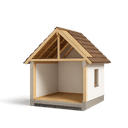
Dwelling
Repairs or rebuilds your home itself, the walls, roof, floors, built-in appliances, and attached structures like a garage, after a covered loss. Set this limit to the full cost of rebuilding, not market value.
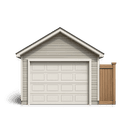
Other Structures
Detached structures on your property, such as a fence, shed, detached garage, or gazebo. Usually set at about 10 percent of your dwelling limit [2].

Personal Property
Your belongings, furniture, clothing, electronics, and appliances, generally written at 50 to 70 percent of your dwelling limit [2]. High-value items like jewelry and art carry special limits.

Additional Living Expenses
Also called loss of use. Pays your added living costs, hotel stays, meals, and a temporary rental, while a covered loss makes your home uninhabitable. Usually set at about 20 percent of your dwelling limit.

Liability
Covers you if someone is injured on your property, or you damage someone else's property, and you are found responsible. The standard $100,000 limit [2] is often raised to $300,000 or $500,000.

Medical Payments
Pays small medical bills, commonly $1,000 to $5,000, if a guest is hurt at your home regardless of fault, without a formal liability claim.
Homeowners Insurance Cost in Laramie
Average Cost in Wyoming
$90 - $220
per month
In Wyoming, homeowners insurance premiums typically run $90 - $220 per month, which tends to run 14% below the national range of $110 - $250 per month.
- Home replacement cost, age, and construction type
- Roof age, material, and condition
- ZIP code and local weather risk (wind, hail, wildfire, hurricane)
- Coverage limits and endorsements
- All-peril and percentage wind/hail deductibles
- Claims history and insurance score where allowed
Typical range for many standard homeowners profiles; lower-risk homes fall below it and coastal, wildfire, or older-roof homes can run well above. Final pricing depends on property details, location, underwriting, and selected coverage.
Prices shown are general estimates, not guaranteed rates or quotes. Your actual premium will depend on the insurer, coverage selected, personal details, location, claims history, and other underwriting factors. Learn about our pricing methodology.
Homeowners insurance cost in Wyoming is shaped by a mix of statewide pricing conditions and home-specific risk factors. Many homes see premiums from $90 to $220 per month, depending on dwelling size, deductible choices, claims history, location, endorsements, and the condition of the home. Wyoming's premium index is 92, which means the average homeowner here pays about 8% less than the national baseline. Think of the index as a pricing yardstick where 100 equals the national average, so a score of 92 tells you Wyoming is slightly cheaper overall.
Local weather is a major driver. Severe weather, wildfire, and heavy snow risks are all high, so homes in exposed areas may see higher pricing if they need stronger roof protection, more dwelling coverage, or added endorsements. The state's reconstruction cost index is 95, which means rebuilding a home here runs about 5% below the national average. That is another reason to focus on rebuilding costs rather than purchase price. Roof age and material can also matter, and the age and condition of the dwelling is also a high-impact factor. In a state with a broad field of carriers, you may see meaningful quote differences between insurers, especially if one discounts home security features or newer construction more heavily.
If you want a more accurate quote, compare the same coverage limits and deductible across carriers.
What Affects Homeowners Insurance Rates in Laramie
Laramie households often have to balance property protection against a real monthly budget. The median household income is $52,414, so a low priced quote can backfire if it gets there by raising the deductible beyond what you could comfortably absorb after a wind or freeze claim. At the same time, local home values are a useful prompt to revisit whether your current dwelling limit, other structures limit, and personal property limit still fit the home you own today. Those two facts together make the local cost conversation less about chasing a bare premium and more about matching limits and deductibles to your finances. When you compare quotes, ask each insurer to show the same deductible, the same settlement basis, and the same optional coverages. That lets you see whether you are buying a real price improvement or just accepting more out of pocket risk.
What Makes Laramie Different
The real buying calculus comes down to rebuild costs versus what you can actually pay out of pocket. That does not mean you should automatically buy the lowest deductible or every endorsement offered. It means your policy should be built around the losses that would be hardest for your household to absorb. One owner might prioritize detached structure protection and a deductible aligned with available savings, while another might need higher personal property limits after furnishing upgrades. Compare coverage structure first, premium second, because a small premium difference can hide a much larger claim difference.
Our Recommendation for Laramie
Start with your current declarations page and mark anything that has changed since the last full review. Think roof replacement, remodel work, a finished basement, new fencing, a detached shop, or higher value electronics and outdoor gear. Then ask for quotes built to the same dwelling limit and deductible so you can compare policy form differences cleanly. If your home budget is already stretched, test two deductible options and decide which one you could realistically fund after a winter or wind loss without borrowing. If you own older structures or have features that are expensive to rebuild, ask how the policy handles ordinance or law issues and whether other structures coverage is still adequate. Ask how water backup, loss of use, and personal property valuation are handled too. A short review now can prevent a much more expensive surprise at claim time.
Get Homeowners Insurance in Laramie
Enter your ZIP code to compare homeowners insurance rates from carriers in Laramie, WY.
Home insurance starting at $50/mo
FAQ
Frequently Asked Questions
Focus on dwelling limits, deductible size, roof age, detached structures, and any upgrades since the last policy term. Laramie's median home value of $302,200 means construction costs have likely shifted enough that older limits may fall short of what a serious loss would actually require.
Local home values are a prompt to revisit limits, not a substitute for your insurer's replacement cost estimate. Compare that context against the specific features of your house and what it would cost to rebuild today.
Laramie buyers should choose a deductible they can actually fund after a claim. Median household income in the area is $52,414. A deductible that looks affordable on paper could still create a real hardship if it exceeds what you have in liquid savings.
Albany County has 1,094 business establishments, with health care and social assistance, professional services, and construction leading by establishment share. Many of these operations are small enough to run from a residence, which means a standard homeowners policy may need a business endorsement or separate commercial coverage to stay adequate.
A standard policy here can help cover your dwelling, personal property, liability exposure, additional living expenses, other structures, and medical payments. That matters because wildfire, severe storm, and winter storm losses are part of the state's recent disaster history.
Monthly homeowners insurance costs in Wyoming vary widely based on dwelling condition, roof age, coverage limits, deductible choices, claims history, and location. To see real differences, compare quotes using the same limits and deductible.
Wyoming does not legally require homeowners insurance, but mortgage lenders usually require it before they will close or keep a loan. Lenders generally want enough dwelling coverage to protect the home as collateral, so the policy should be set up before closing.
The state does not require it, so the decision is yours if the home is paid off. Many owners still keep it because wildfire, severe storm, winter storm, and theft losses can be costly to handle without a policy.
Sources
- 1.U.S. Census Bureau, ACS 5-Year Estimates, table B25077(The median home value in Laramie is $302,200.)
- 2.U.S. Census Bureau, ACS 5-Year Estimates, table B19013(The median household income in Laramie is $52,414.)
- 3.U.S. Census Bureau, County Business Patterns, Albany County(Albany County has 1,094 business establishments.; In Albany County, health care and social assistance accounts for 13.1% of establishments, professional, scientific, and technical services 12.3%, and construction 11.9%.)
Updated July 16, 2026