







































Updated July 5, 2026

On-Hook Towing Insurance in Laramie
A smaller market changes how you shop for towing coverage here. You usually see fewer local underwriting appetites, more weight on operating relationships, and more scrutiny on whether your paperwork matches the calls you actually take. If you are comparing on-hook towing insurance in Laramie, that means your submission has to be specific about where you store vehicles, how you document condition before hookup, and whether you handle police rotations, private property tows, recoveries, or dealer transport. In a place this size, word travels quickly among lenders, repair shops, property managers, and commercial accounts, so proof of coverage is often judged on clarity as much as speed. Albany County has 1,094 business establishments, so a towing operator is often selling into a compact referral network where repeat commercial relationships matter. Bring a current vehicle schedule, driver list, loss runs, and sample tow tickets to quote review. You give an underwriter a cleaner picture, and you give local clients fewer reasons to hesitate before assigning work.
On-Hook Towing Insurance Risk Factors in Laramie
Laramie's top risk factors include Severe weather, Property crime, Flooding, and Vehicle accidents.
Wyoming has a moderate climate risk rating. Top hazards: Severe Storm (High), Wildfire (High), Winter Storm (High), Tornado (Moderate). The state's expected annual loss from natural hazards is $160M, which influences on-hook towing insurance premiums and may affect coverage availability in high-risk areas.
What On-Hook Towing Insurance Covers
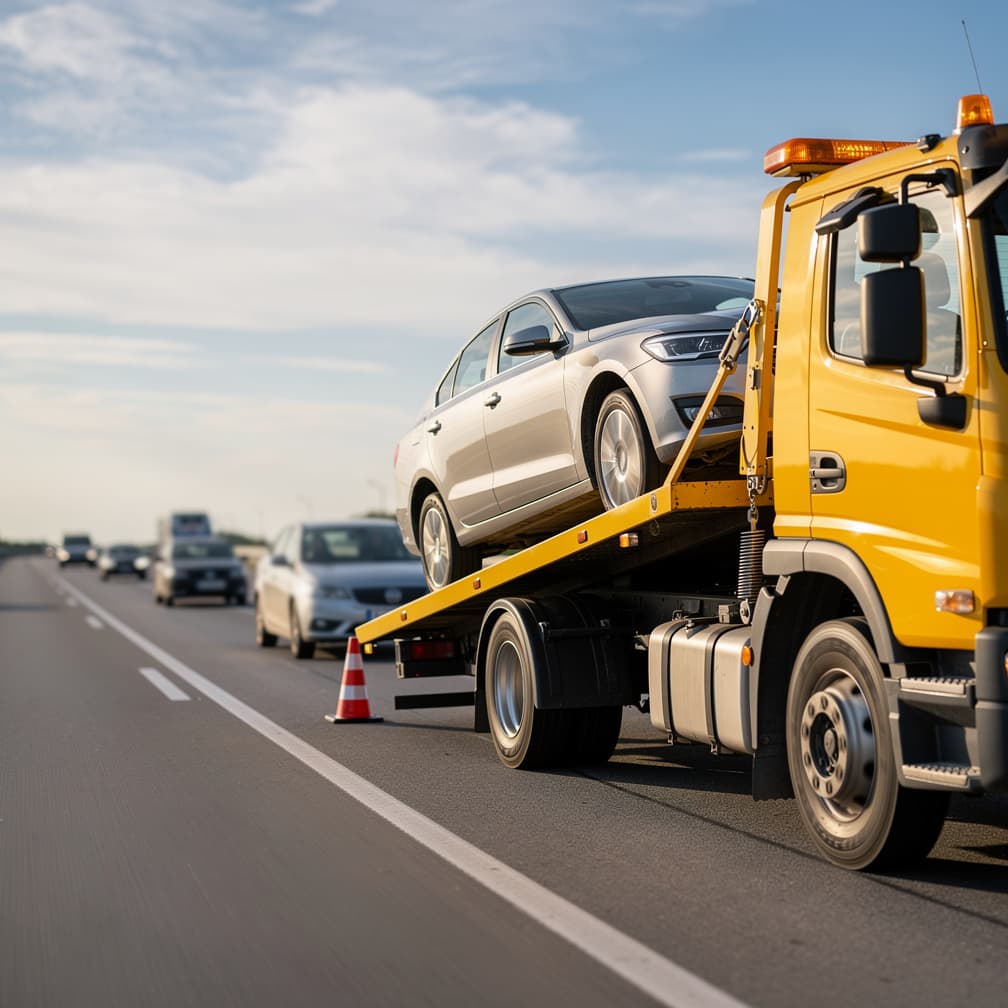
The real question is where your operation creates the most expensive handoff points, and whether the policy terms match those moments. If your drivers work long highway stretches, mountain approaches, rural county roads, or winter roadside calls, ask how the policy responds during loading, winching, wheel-lift transport, flatbed carriage, and unloading. Those are the points where a customer dispute usually starts, because the owner may not have seen the vehicle until after the tow is complete.
You should also review how the carrier classifies the kinds of vehicles you move. A tow company handling standard passenger vehicles may be underwritten differently from one that regularly moves pickups, vans, work trucks, or vehicles with pre-existing body damage. That matters because a claim often turns on the photos and written notes you take at pickup, the attachment method, and whether the vehicle was stable before transport began. Wyoming weather and road conditions can also change the exposure even when the service type stays the same. If your dispatch mix includes breakdown tows in snow, ditch pulls after storms, or longer-distance transports between towns, ask whether the underwriter wants separate detail on recovery work versus routine towing. That distinction can affect how your operation is evaluated.
Before you buy, request specimen wording or a clear coverage summary and compare it against your dispatch logs. If a large share of your work involves after-hours calls, impounds, or recovery situations, make sure those activities are disclosed up front rather than argued about after a loss.
Coverage Included
Collision on Hook
Covers damage to towed vehicles from collisions during transport.
Comprehensive on Hook
Covers theft, fire, and weather damage to vehicles being towed.
Loading & Unloading
Covers damage during the process of loading and unloading vehicles.
Winching Coverage
Covers damage to vehicles during winching and recovery operations.

Multiple Vehicle
Covers all vehicles on multi-car carriers and rollback flatbeds.
Industries & Insurance Needs in Laramie
Albany County business mix changes who is likely to ask you for evidence that your towing setup fits the job. The county's leading sectors by establishment share are health care and social assistance at 13.1%, professional, scientific, and technical services at 12.3%, and construction at 11.9%, so local towing demand often includes employee vehicles, service fleets, contractor pickups, and work trucks rather than only stranded passenger cars. That matters because the unit you tow, where it is picked up, and how it is released can change the documentation an underwriter wants to see. If part of your book involves contractor equipment trailers, fleet service calls, or after-hours removals from business property, say that early in the quote process. A vague description can slow review or leave gaps between your actual call mix and the exposure the policy is designed around.
What Makes Laramie Different
The main difference here is market tightness. In a larger metro, you may be able to smooth over a thin submission with volume and multiple carrier options. Here, a smaller commercial community means your reputation, records, and operating discipline carry more weight in both underwriting and sales. Albany County's 1,094 establishments create a business environment where the same repair shops, landlords, lenders, and commercial accounts may see your certificate more than once, so inconsistencies stand out. That is why a local towing operator should treat insurance review as part of account management, not just a renewal chore. Make sure your garaging address, truck list, service radius, release procedures, and subcontracted work are described the same way on applications, certificates, and customer-facing paperwork. The cleaner that story is, the easier it is for a prospect to trust your operation and for an underwriter to evaluate the on-hook exposure you actually present.
Our Recommendation for Laramie
Start with the parts of your operation that are easiest to verify and easiest to dispute after a loss. List each truck by use, note whether it is a flatbed or wheel-lift, and separate routine tows from recovery work if both happen. If you serve apartments, campus-adjacent properties, repair shops, or contractor accounts, ask for certificates and policy wording to be reviewed against those job types before renewal. Laramie households report a median income of $52,414, so price sensitivity can be real on private-pay calls, and that can tempt operators to broaden services informally without updating underwriting details. It is usually better to review limits, deductibles, and call types before you add new work than to assume your current setup still fits. Keep photo documentation, signed tow authorizations, and release records organized by job. Then request a quote with the same operational detail you would want a claims reviewer to see later.
Get On-Hook Towing Insurance in Laramie
Enter your ZIP code to compare on-hook towing insurance rates from carriers in Laramie, WY.
Business insurance starting at $25/mo
FAQ
Frequently Asked Questions
Laramie operators should include a current truck schedule, driver list, loss runs, garaging details, and sample tow tickets. In a smaller market, clear operating detail helps an underwriter match the quote to the calls you actually handle.
Albany County does, because health care and social assistance, professional services, and construction lead local establishments. That mix can mean more fleet vehicles, contractor pickups, and business-property tows, so your application should describe those call types clearly.
Laramie is tied to a compact commercial network, and Albany County has 1,094 business establishments. That scale means repeat clients may notice inconsistencies quickly, so matching applications, certificates, and tow records is worth reviewing before you shop.
Laramie owner-operators usually should. A new call type can change how your on-hook exposure is viewed, especially if you add after-hours removals, fleet work, or contractor accounts without updating vehicle use, release procedures, and documentation practices.
Laramie buyers can check the Wyoming Department of Insurance for regulator information and consumer resources. Use that as a verification step, then compare your policy wording and underwriting details against the work your trucks perform locally.
In Wyoming, lenders, commercial clients, motor clubs, and property managers often ask for proof that your policy matches the towing work you perform. They usually want more than a certificate, especially when contracts, financed trucks, or impound authority are involved.
Wyoming places insurance oversight under the Wyoming Department of Insurance, but your need for on-hook coverage is usually driven by your operations, contracts, and risk tolerance. Review state filings, lender requirements, and client agreements before deciding how to structure the policy.
Winter roadside calls, remote pickups, and difficult loading conditions all change your risk profile. An underwriter looks at those details to gauge claim severity, meaning how much a single loss might cost. A ditch pull in a snowstorm carries more potential for a large payout than a flat lot transport, so disclose recovery work, travel patterns, and documentation practices up front.
Sources
- 1.U.S. Census Bureau, County Business Patterns, Albany County(Albany County has 1,094 business establishments, so a towing operator is often selling into a compact referral network where repeat commercial relationships matter.; The county's leading sectors by establishment share are health care and social assistance at 13.1%, professional, scientific, and technical services at 12.3%, and construction at 11.9%, so local towing demand often includes employee vehicles, service fleets, contractor pickups, and work trucks rather than only stranded passenger cars.)
- 2.U.S. Census Bureau, ACS 5-Year Estimates, table B19013(Laramie households report a median income of $52,414, so price sensitivity can be real on private-pay calls, and that can tempt operators to broaden services informally without updating underwriting details.)
- 3.Wyoming Department of Insurance(Laramie buyers can check the Wyoming Department of Insurance for regulator information and consumer resources.)
Updated July 5, 2026





