







































Updated July 16, 2026

Builders Risk Insurance in Huntsville
Property managers, construction lenders, and upstream contractors often ask for proof before a draw is released, a site is turned over, or materials are dropped. Satisfying them locally usually means a certificate that matches the contract names, project address, and build timeline without cleanup later. That review matters because many jobs here sit in a market where the median home value is $263,100, so even a mid-size remodel can carry enough replacement cost to wipe out an underinsured budget. You also work in a city where household budgets often support meaningful finish and upgrade decisions during the job. Change orders, owner-supplied materials, and revised completed values should be discussed before they stack up uninsured. If you are lining up coverage here, bring the construction contract, draw schedule, site address, total completed value, and any storage or installation details so the quote reflects how the project will actually move.
Builders Risk Insurance Risk Factors in Huntsville
Local storm exposure is part of the conversation, but the practical issue here is **project value concentration**, not a city-only hazard pattern. A ground-up home, major addition, or high-finish renovation can reach a completed value where underinsuring the structure or forgetting owner-furnished materials becomes an expensive mistake. Owners may also upgrade cabinets, flooring, fixtures, or built-ins after the original budget is set, so the insured value should be revisited when selections change. That does not mean every project needs the same form or limit. It means you should compare the original construction budget against the current completed value, ask how theft, water damage, and wind-related loss are handled under the policy terms, and confirm whether materials waiting for installation are included at the site or in transit.
Alabama has a high climate risk rating. Top hazards: Tornado (Very High), Hurricane (High), Flooding (High), Severe Storm (High). The state's expected annual loss from natural hazards is $1.4B, which influences builders risk insurance premiums and may affect coverage availability in high-risk areas.
What Builders Risk Insurance Covers
In Alabama, the useful review focuses on the property categories and job conditions that tend to create disputes after a loss. Start with the site itself. If your project includes materials delivered early, items staged off the ground, or equipment incorporated in phases, ask how the policy treats property before installation and while it is waiting to be used. That is especially important on jobs where weather can interrupt sequencing and leave materials exposed longer than planned.
Renovation work brings its own set of questions. If you are improving an occupied building, you need the quote to distinguish between existing structure, new work, and any owner-supplied materials. A vague application can leave you arguing later about what was part of the covered project and what was pre-existing property. For additions, clarify where the new work begins and how the carrier wants values allocated.
You should also review temporary structures and site support items that keep the job moving. Fencing, scaffolding, forms, and similar property may need to be addressed directly rather than assumed. If the project depends on materials moving between storage, transit, and the job site, ask for that path to be described clearly in the quote request.
In Alabama, weather-related loss planning matters at the coverage stage, not just after binding. Ask whether the policy language and endorsements fit your actual build sequence, your storage practices, and the way subcontractors bring property onto the site. A careful schedule now is usually easier than trying to reconstruct ownership, value, and timing after a storm loss.
Coverage Included

Structure Coverage
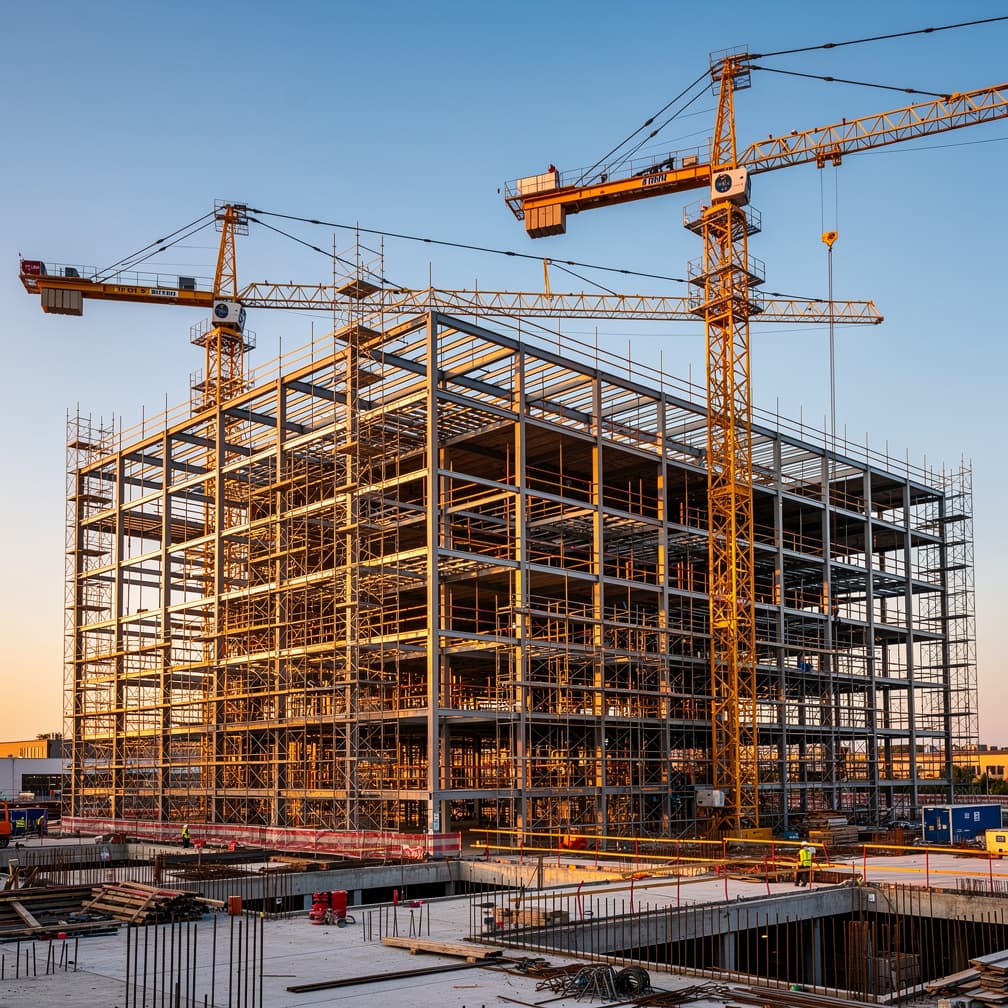
Covers the building or structure under construction.
Materials on Site
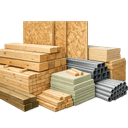
Covers building materials stored at the construction site.

Materials in Transit
Covers materials being transported to the job site.
Temporary Structures
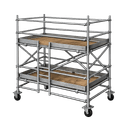
Covers scaffolding, fencing, and temporary buildings.

Soft Costs
Covers additional expenses from construction delays due to covered losses.

Equipment Coverage
Covers permanently installed fixtures and equipment.
Industries & Insurance Needs in Huntsville
Madison County's business mix changes the documentation side of a builders risk purchase more than buyers sometimes expect. The county has 9,208 business establishments, and leading sectors by establishment share are professional, scientific, and technical services at 15.9%, retail trade at 14.6%, and health care and social assistance at 12.2%, so many local projects involve office interiors, medical tenant improvements, storefront build-outs, and owner-occupied spaces where lease obligations, lender requirements, and contractor agreements all need to line up. That matters because builders risk disputes often start with a simple mismatch: the named insured is incomplete, the occupancy description is too generic, or the project scope does not clearly separate shell work from tenant improvements. If your job touches a clinic, office suite, or retail space, ask for the lease, loan requirements, and construction contract to be reviewed together before binding coverage.
What Makes Huntsville Different
Around here, the bigger issue is often making sure the policy mirrors a project that can involve lender oversight, owner upgrades, and commercial counterparties that expect precise paperwork. Residential projects can move past casual limits quickly, and a missed update after a scope change can leave a gap between the insured amount and the actual completed value. On the commercial side, the county has 9,208 business establishments, meaning more counterparties may scrutinize certificates and named insured details before they accept your paperwork. Those sectors tend to drive more tenant improvements and contract-driven insurance requirements, led by professional, scientific, and technical services at 15.9%, retail trade at 14.6%, and health care and social assistance at 12.2%, so expect more leases and contracts that dictate specific wording. Treat the application like a project document set, not a last-minute form. Reconcile names, values, phases, and storage details before the first certificate goes out.
Our Recommendation for Huntsville
Start with the project schedule and budget, then test every insurance detail against the actual job file. When owners are still choosing finishes or equipment, ask how those later selections affect completed value and whether the policy should be updated mid-project. Tenant improvement work calls for reviewing the lease and construction contract together so the named insureds, loss payee wording, and site description do not conflict. For custom homes and major remodels, compare the original estimate with current material and finish decisions before you settle on a limit. Materials sitting off site, in a warehouse, or in transit before installation should be raised early instead of assuming it is built into the form. Lender or property manager insurance requirements belong with the quote request so any special wording can be addressed before closing or mobilization.
Get Builders Risk Insurance in Huntsville
Enter your ZIP code to compare builders risk insurance rates from carriers in Huntsville, AL.
Business insurance starting at $25/mo
FAQ
Frequently Asked Questions
Local projects often need tighter value review because the median home value sits at $263,100, which means a custom build can outgrow an early budget before you realize it. Recheck completed value when finishes, fixtures, or owner upgrades change.
Renovations should usually be revisited after major change orders. Owners may add higher-end selections during the job, and that can change the completed value, materials exposure, and the limit you should request.
Commercial jobs often need the lease, construction contract, lender requirements, and project budget together. With 9,208 business establishments in the county, you are more likely to face counterparties who check that certificates and named insured details match the paperwork exactly.
The local establishment mix shapes commercial coverage needs, led by professional, scientific, and technical services at 15.9%, retail trade at 14.6%, and health care and social assistance at 12.2%. Those concentrations mean more tenant improvement work and contracts that carry specific insurance requirements you will need to match.
The Alabama Department of Insurance oversees carriers, forms, and policy handling statewide. If you are reviewing builders risk terms or comparing quotes, keep that state oversight in mind alongside your contract requirements.
Yes, if your renovation involves new work, existing structure, and occupied space overlapping. The key step is separating what belongs under the construction policy from what should remain under the property program.
Lenders can require proof of construction-phase property coverage through loan documents or closing conditions. Before you bind, compare the lender requirements with the construction contract so named interests and policy term line up.
It depends on the policy. Some forms extend to off-site storage, but many do not unless you add it by endorsement. If materials arrive early or installation is phased, ask for that exposure to be addressed in the quote rather than assuming the base form picks it up.
Sources
- 1.U.S. Census Bureau, ACS 5-Year Estimates, table B25077(Huntsville's median home value is $263,100, so even smaller residential builds and substantial remodels can carry enough value that a vague limit or incomplete property description creates avoidable friction.)
- 2.U.S. Census Bureau, County Business Patterns, Madison County(Madison County has 9,208 business establishments, and leading sectors by establishment share are professional, scientific, and technical services at 15.9%, retail trade at 14.6%, and health care and social assistance at 12.2%, so many local projects involve office interiors, medical tenant improvements, storefront build-outs, and owner-occupied spaces where lease obligations, lender requirements, and contractor agreements all need to line up.)
Updated July 16, 2026





