Updated July 16, 2026

Key Takeaways
- Review your construction contract before requesting a quote, so the named insureds and insurance responsibility match the job documents.
- Prepare the project budget, timeline, address, and scope summary before applying, so the quote reflects the work actually being built.
- Check whether the policy addresses on-site materials, transit, temporary structures, and soft costs before the first delivery arrives.
- Compare the policy term against your realistic completion schedule, then ask about extension options before the original term gets close to expiring.
- Map builders risk against your liability, installation, and equipment policies, so you avoid both coverage gaps and overlapping property insurance.
Builders Risk Insurance in Alabama
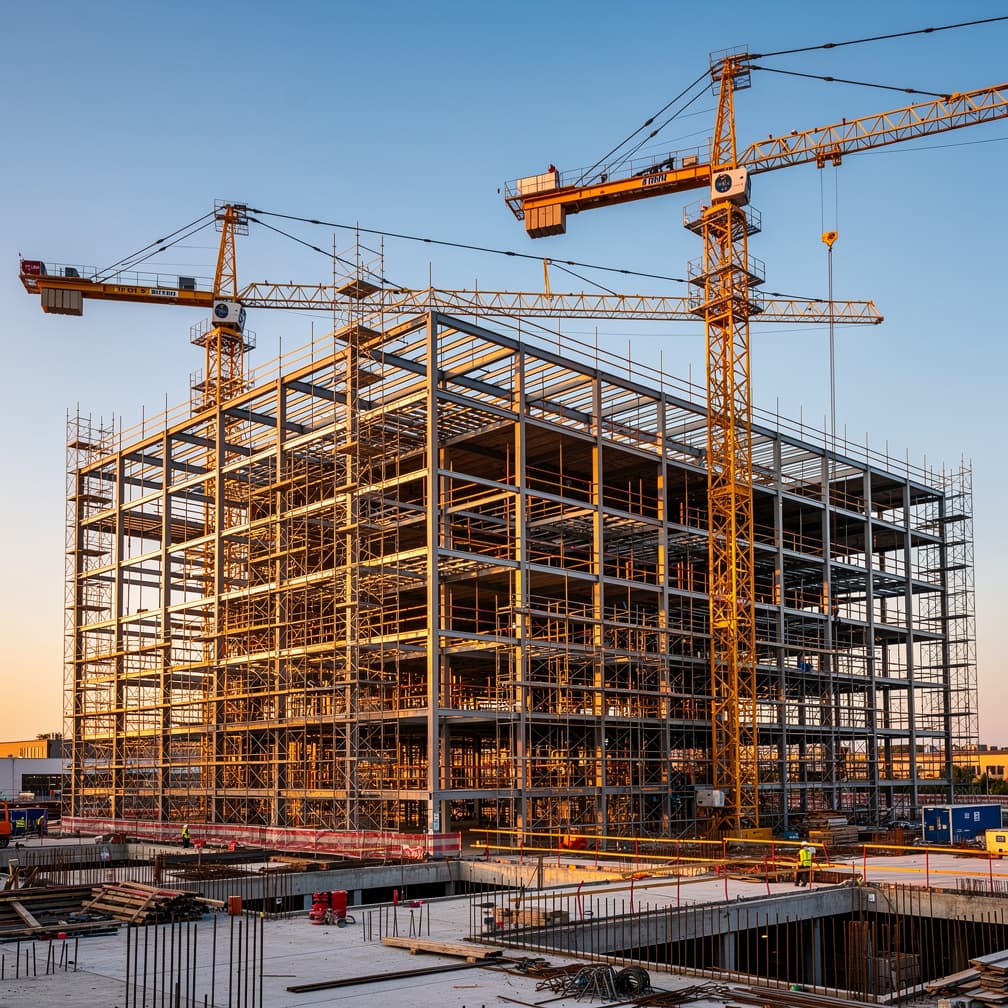
Before materials arrive and before a lender, owner, or upstream contractor asks for proof, your first checkpoint in Alabama is matching the project insurance requirement in your contract. For many projects, that means confirming who buys the policy, which parties need to be named, and whether temporary works, stored materials, or renovation exposures need to be scheduled clearly. This coverage works best when you treat it as a job-specific document review, not a last-minute certificate request.
Because the Alabama Department of Insurance oversees carriers, forms, and policy handling statewide, your endorsements and claim handling will follow those state rules. Before you request quotes, pull the construction contract, draw schedule, site address, project timeline, and a clean statement of completed value. Then verify who is responsible for debris removal, soft-cost options, and property in transit, because those details often decide whether the quote actually fits the job.
What Builders Risk Insurance Covers
In Alabama, the useful review focuses on the property categories and job conditions that tend to create disputes after a loss. Start with the site itself. If your project includes materials delivered early, items staged off the ground, or equipment incorporated in phases, ask how the policy treats property before installation and while it is waiting to be used. That is especially important on jobs where weather can interrupt sequencing and leave materials exposed longer than planned.
Renovation work brings its own set of questions. If you are improving an occupied building, you need the quote to distinguish between existing structure, new work, and any owner-supplied materials. A vague application can leave you arguing later about what was part of the covered project and what was pre-existing property. For additions, clarify where the new work begins and how the carrier wants values allocated.
You should also review temporary structures and site support items that keep the job moving. Fencing, scaffolding, forms, and similar property may need to be addressed directly rather than assumed. If the project depends on materials moving between storage, transit, and the job site, ask for that path to be described clearly in the quote request.
In Alabama, weather-related loss planning matters at the coverage stage, not just after binding. Ask whether the policy language and endorsements fit your actual build sequence, your storage practices, and the way subcontractors bring property onto the site. A careful schedule now is usually easier than trying to reconstruct ownership, value, and timing after a storm loss.
Structure Coverage
Covers the building or structure under construction.
Materials on Site
Covers building materials stored at the construction site.

Materials in Transit
Covers materials being transported to the job site.
Temporary Structures
Covers scaffolding, fencing, and temporary buildings.

Soft Costs
Covers additional expenses from construction delays due to covered losses.
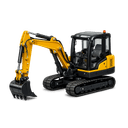
Equipment Coverage
Covers permanently installed fixtures and equipment.
Builders Risk Insurance Requirements in Alabama
- Alabama projects with storm exposure should describe how materials are protected between delivery and installation, because storage practices can affect how a later claim is evaluated.
- Renovation and addition work in Alabama often needs a sharper division between existing structure and new construction values, especially when the building remains occupied during the job.
- If your Alabama project relies on off-site storage or staged delivery, ask for those property movements to be addressed clearly instead of assuming the base form picks them up.
- Projects with lender oversight in Alabama should align policy wording, named interests, and term dates with draw requirements before the first funding milestone.
How Much Does Builders Risk Insurance Cost in Alabama?
For Alabama projects, builders risk pricing usually turns on how easy the job is to understand and how much loss potential the underwriter sees in the timeline, site controls, and property values. The state-specific issue is that Alabama does not publish a reliable average premium, so your submission needs to explain the project well enough to avoid conservative pricing, restrictive terms, or follow-up questions that slow closing.
Start with completed value and break out anything that can confuse the file. If the project includes owner-furnished materials, long-lead items, phased delivery, or renovation work inside an existing structure, separate those details instead of burying them in one total. When the file leaves questions open, underwriters tend to price for the worst case. A cleaner statement of values can produce a more usable quote.
Project duration also matters in Alabama because weather exposure is not static across the build. If your schedule pushes roofing, exterior envelope work, or material storage into a more exposed part of the year, explain the controls you use to secure the site and protect property between workdays. The goal is to show how the project is managed, not just how long it lasts.
Construction type, site security, prior loss history, deductible choice, and any soft-cost request can all change the quote. So can the distance between the site and where materials are stored. If lenders or owners require specific wording, provide that up front. Endorsement changes made late in the process often cost more in time and sometimes in premium.
The practical way to shop this in Alabama is to submit one complete package to compare on equal terms. Include contract insurance requirements, project description, timeline, values, parties to be named, and any special property categories. That gives you a better chance of comparing real differences in terms instead of chasing revisions after the first quote comes back.
Request a Quote Comparison
Enter your ZIP code to compare builders risk insurance rates from top carriers.
Business insurance starting at $25/mo
Who Needs Builders Risk Insurance?
In Alabama, the right question is not who can buy builders risk coverage in theory. It is who has enough money, contractual responsibility, or financing exposure in the project to justify reviewing it before work starts. Owners are often the first group to review it because they have the site, the budget, and the most direct stake in delays after a covered loss. But they are not the only party that should care.
General contractors should review the requirement closely when the contract pushes responsibility for work in place, temporary structures, or stored materials onto them. If your agreement says you are responsible for protecting the project until completion, you need to know whether the owner is buying the policy or expecting you to do it. Assumptions here create expensive gaps.
Developers and investors also need to pay attention. If financing depends on proof of property coverage during construction, the policy has to satisfy the loan documents, not just the construction contract. That usually means checking named insureds, mortgagee or loss payee wording, and whether the policy term aligns with the draw schedule and expected completion date.
Subcontractors may not be the buyer, but they still need clarity. If you are furnishing high-value materials, fabricating components off-site, or storing property before installation, ask whether the project policy is intended to pick that up or whether your own inland marine or installation coverage may need to respond first. In Alabama, renovation projects create another group that should review the coverage early. Owners of occupied buildings need the insurance plan to separate what belongs under the builders risk policy from what stays under the property program. That division should be settled before the first delivery reaches the site.
Builders Risk Insurance by City in Alabama
Builders Risk Insurance rates and coverage options can vary across Alabama. Select your city below for localized information:
How to Buy Builders Risk Insurance
Buying this coverage correctly in Alabama starts with assembling the project file that an underwriter actually needs. Begin with the signed contract or the latest insurance exhibit. You are looking for who must provide builders risk, which parties need to be included, whether the requirement applies to the full completed value, and whether there are lender conditions that go beyond the construction agreement.
Next, build a clean submission. Include the site address, project description, construction type, scope of work, start date, expected completion date, and completed value. Then add the details that often decide whether the quote is usable. Cover renovation versus ground-up work, occupancy during construction, temporary structures, owner-supplied materials, off-site storage, transit exposure, and any soft-cost request. If the project is phased, say so clearly.
In Alabama, it also helps to describe your site protection plan in operational terms. Explain how materials are stored, how the site is secured after hours, who is responsible for weather protection, and how you document delivered values. That gives the underwriter a reason to quote the job as managed rather than uncertain.
Before binding, compare more than the declarations page. Check the covered property description, named insureds, additional insured or loss payee wording if required, deductible structure, causes of loss language, exclusions that matter to your project, and the policy term. If the build could run long, ask how an extension would be handled before you need one. Finally, line up the certificate and any evidence of insurance requests with the contract parties. The smoothest purchase usually comes from resolving wording issues before the first draw or delivery, not after a lender or owner rejects the paperwork.
Request a quote through CPK Insurance to compare your options with participating licensed providers.
How to Save on Builders Risk Insurance
The strongest way to control builders risk cost in Alabama is to reduce ambiguity in the submission and reduce avoidable loss potential on the site. Savings usually come from better underwriting inputs, not from stripping out terms you may need later. Start by tightening the statement of values. Separate installed work, owner-furnished materials, and any property stored away from the site if the quote asks for it. A vague total often leads to conservative assumptions.
You can also save by matching the policy term to the real schedule. If the project timeline is unrealistic, you may pay for extensions, rush endorsements, or repeated remarketing later. Build in enough time for inspections, weather delays, and material lead times, then explain the schedule honestly at the start. In Alabama, site controls matter because weather-related losses can turn a small issue into a larger claim. Document how you secure materials, protect openings, manage water intrusion risk, and shut down the site before severe weather. Underwriters may not reward every control line by line, but a disciplined risk story can support better terms and fewer restrictions.
Deductible choice is another lever, but it should fit your balance sheet and contract obligations. A higher deductible can lower premium, yet it only helps if you can absorb that amount without disrupting the job. Review it against your cash flow, not just the quote. Finally, avoid last-minute changes. If named parties, values, or project scope shift after the quote is issued, the file often has to be reworked. The buyers who usually get the cleanest pricing are the ones who submit complete project details early, compare quotes on the same assumptions, and fix contract wording before binding rather than after a problem appears.
Our Recommendation for Alabama
For Alabama projects, review the insurance requirement and the build sequence side by side. If the contract is broad but the schedule includes stored materials, phased installation, or renovation inside an occupied structure, ask for those exposures to be described specifically in the quote request. That is where many avoidable gaps start.
Treat weather planning as part of placement, not just site safety. If your project will have periods where roofing, exterior openings, or staged materials are exposed, document who is responsible for protection and how shutdown procedures work before severe weather. Clear operational detail can matter as much as the application itself.
Keep the values current. If material prices, owner-supplied items, or scope change orders move during the job, review whether the policy should be updated rather than waiting until a draw dispute or claim forces the issue. If completion slips, ask about extension timing before the policy gets close to expiration.
Use one checklist before binding. Confirm named parties, covered property categories, storage and transit treatment, deductible, policy term, and lender wording. In Alabama, that final review is often what separates a policy that simply exists from one that is ready to respond the way the project team expects.
FAQ
Frequently Asked Questions
The Alabama Department of Insurance oversees carriers, forms, and policy handling statewide. If you are reviewing builders risk terms or comparing quotes, keep that state oversight in mind alongside your contract requirements.
Yes, if your renovation involves new work, existing structure, and occupied space overlapping. The key step is separating what belongs under the construction policy from what should remain under the property program.
Lenders can require proof of construction-phase property coverage through loan documents or closing conditions. Before you bind, compare the lender requirements with the construction contract so named interests and policy term line up.
It depends on the policy. Some forms extend to off-site storage, but many do not unless you add it by endorsement. If materials arrive early or installation is phased, ask for that exposure to be addressed in the quote rather than assuming the base form picks it up.
Buyers usually move faster when they submit the contract requirements, project values, timeline, site address, and named parties together. That gives the underwriter enough detail to quote the job without repeated clarification requests.
Before binding, confirm the covered property description, named insureds, lender wording, deductible, and policy term. If the job includes renovation, storage, or transit exposure, make sure those details are addressed clearly.
Storm-exposed projects often need a more detailed submission because weather can affect storage, sequencing, and site protection. The practical step is to explain how materials, openings, and temporary conditions are secured during the build.
Builders risk insurance may cover, subject to policy terms, the structure under construction, materials on site, materials in transit, temporary structures, and fixtures or equipment being installed. Depending on the policy, you can also review soft costs and delay-related coverage tied to a covered property loss.
Sources
- 1.Alabama Department of Insurance(Alabama also regulates insurance through the Alabama Department of Insurance, so you want forms, notices, and policy handling reviewed with state oversight in mind.)
Updated July 16, 2026